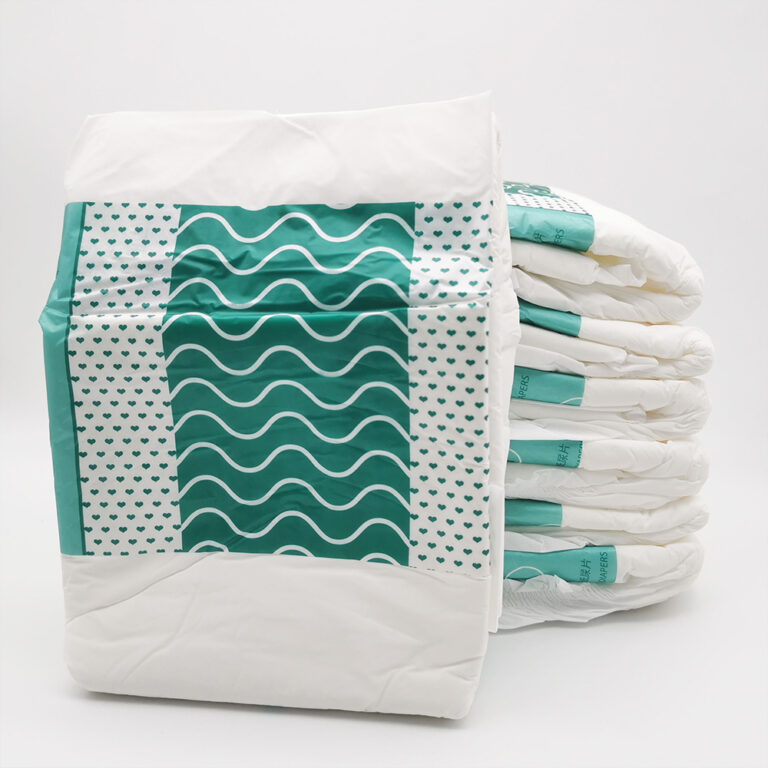
Adult Diaper Distribution Through Medical Supply Stores: A Channel Guide
Medical supply stores can sell the same adult diaper to three different buyers: a caregiver paying cash, a home-care agency or facility buying on account, and a patient whose state Medicaid program reimburses specific product codes. Each buyer judges the product differently, so channel fit matters more here than headline price. For manufacturers, importers and regional distributors, the real questions are which formats a store can actually move, who pays for them, and how supply is structured so shelves stay stocked. This guide explains how adult diaper distribution through medical supply stores works, how payer rules shape the assortment, which specifications to lock, how distribution models compare, and what to settle before you request a quote.
How Does Adult Diaper Distribution Through Medical Supply Stores Work?
Adult diapers usually reach medical supply stores by one of three routes:
Factory-direct or importer supply to a store group or regional distributor.
Supply through an established medical wholesaler.
A private-label program, in which the distributor or store group owns the brand and an OEM/ODM factory builds to its specification.
Many programs combine two of these.
The store itself is rarely a single-customer business. It typically serves three demand streams:
Cash-pay walk-in and online buyers. Families and self-buyers who want quick sizing help and a pack they can carry out discreetly.
Account customers. Home-care agencies, assisted-living operators and small facilities that reorder predictable SKUs.
Reimbursed patients. Customers whose supplies are billed to Medicaid, a managed-care plan or another payer, which usually requires the product to match a defined size and category.
Volume is the structural constraint. A manufacturer that sells by the container load is supplying far more units than one independent store is likely to turn over. This manufacturer’s MOQ, sampling and lead-time answers are a typical example. They publish a minimum of one 20’GP or one 40’HQ container, sampling of 7–15 days and bulk lead times of 15–30 days after final confirmation. Treat those as company-published figures to confirm for each project. Factory-direct supply therefore tends to suit distributors, buying groups and chains, while independent stores more often buy through those intermediaries.
Who Pays: Cash, Medicaid and Institutional Budgets
Payer rules decide which products a medical supply store can stock profitably, so check them before choosing an assortment.
Medicare. According to Medicare.gov’s incontinence supplies page, Original Medicare does not cover incontinence supplies or adult diapers, and beneficiaries pay 100% of the cost. The same page notes that some Medicare Advantage plans offer extra benefits, so coverage depends on the individual plan. In a market with an older customer base, much of the volume therefore behaves like cash-pay retail.
Medicaid and managed care. Reimbursed demand often runs through state Medicaid programs. The HCPCS Level II code range for incontinence supplies, T4521 to T4545, begins with adult-sized disposable briefs billed per unit. State manuals show how this works in practice. New York’s Medicaid medical supply procedure code list includes brief/diaper codes for small through extra-large, a separate code for sizes above extra-large, and a code for disposable underpads. A billing store therefore needs products whose size labeling maps cleanly to those categories, including a genuine bariatric size. Quantity limits, authorization rules and product requirements are set by each payer and state, so a distributor should ask for them before committing to a billing-oriented assortment.
Regulatory status (United States).21 CFR 876.5920 defines a protective garment for incontinence as a device consisting of absorbent padding and a fluid barrier. It classifies the device as Class I under general controls and exempts it from premarket notification, subject to limitations. It also exempts it from quality management system requirements except those concerning records and complaint files. That is a lighter regime than for higher-risk devices, but it does not remove the need for documentation. Stores, facilities and payers still ask for test reports, labeling that matches intended use, and traceable lots. Other markets apply different rules, so verify requirements for each destination country.
Which Adult Diaper Formats Belong in a Medical Supply Store?
A medical supply store should usually lead with formats that serve caregivers and assisted users, then add pull-ups and attach products selectively. This differs from pharmacy and mass retail, where privacy-driven pull-ups usually anchor the shelf. The manufacturer’s guide to channel-specific SKU strategy for briefs and pull-ups covers that split in more depth, including how DME-style channels favor briefs.
Open-flat application and refastenable tabs suit assisted and bed-bound users
Absorbency tier labeling, tab refastening, size range
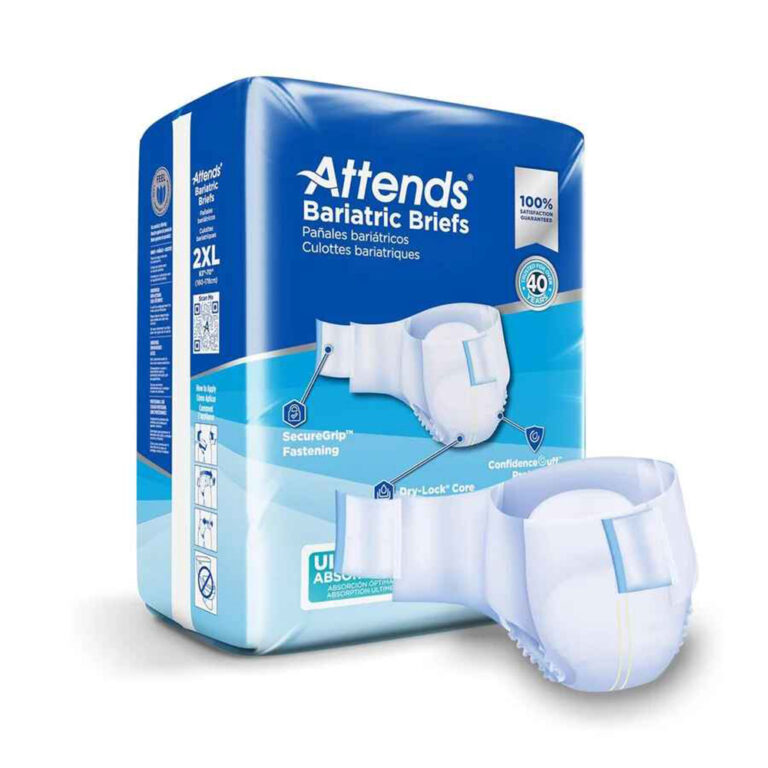
Bariatric briefs (above XL)
Caregivers of larger users, billing accounts
Serves larger users; maps to its own billing category
Real waist and hip fit, tab strength, carton count
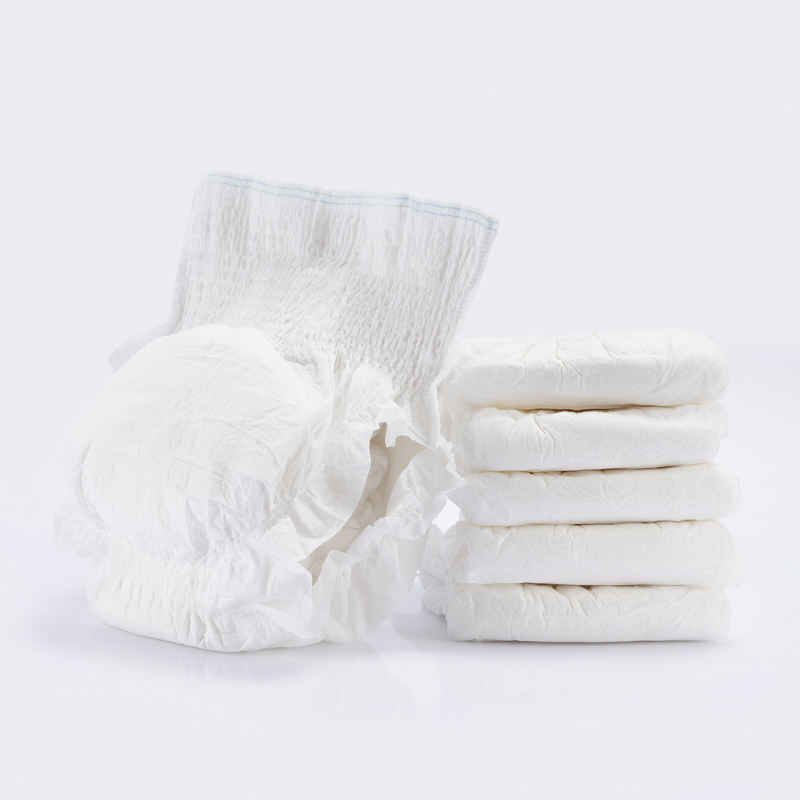
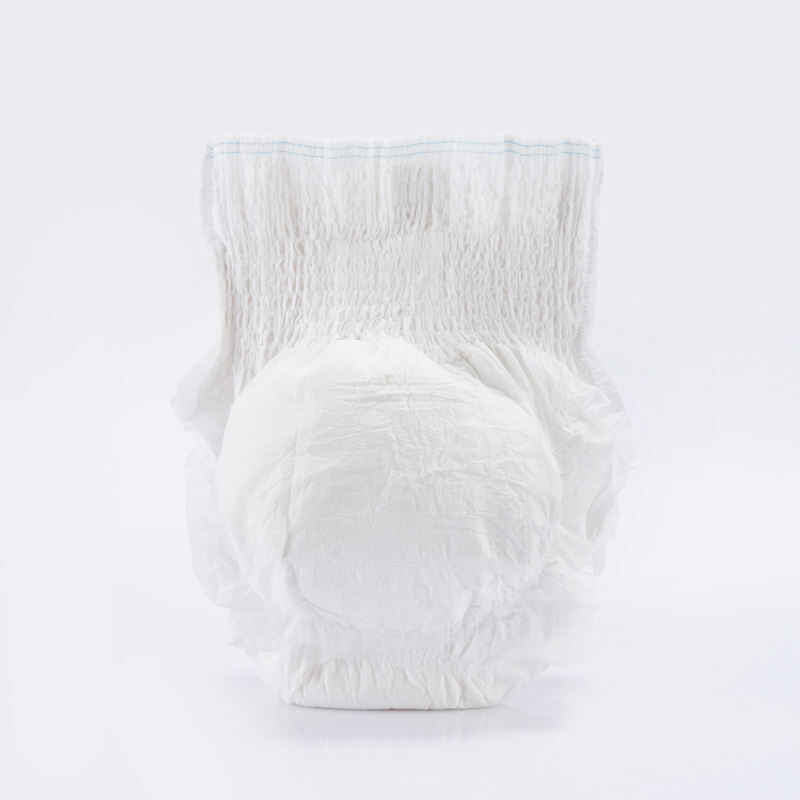
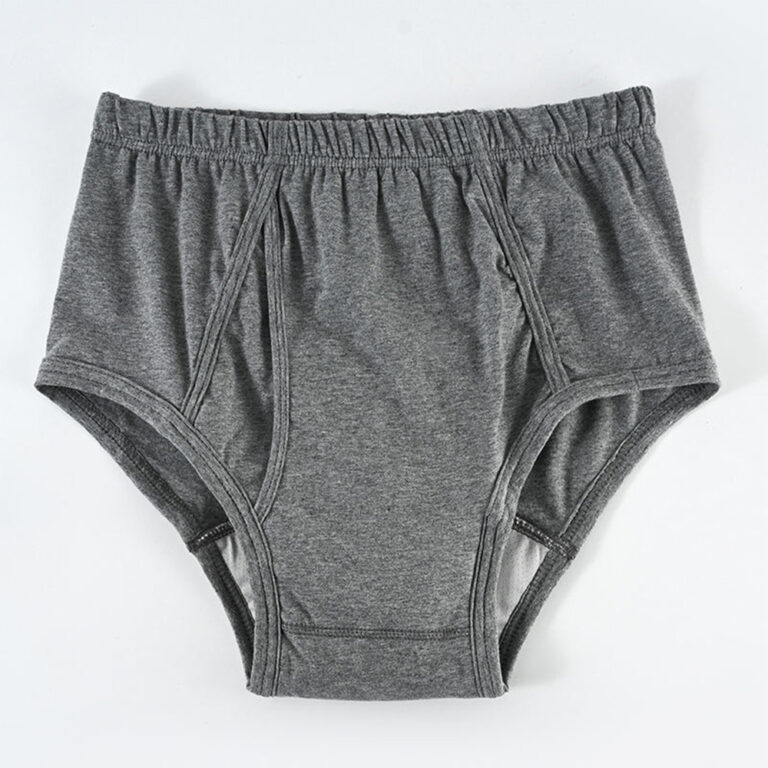
Pull-up protective underwear
Ambulatory self-buyers, cash-pay
Familiar underwear-style fit and independence
Waist-size range, discretion, returns if users expect underwear
Underpads
Home care, facilities
Bed protection; attaches to every brief sale
Size, absorbency, backsheet noise and slip
Booster and incontinence pads
Cash-pay light-to-moderate users
Add-on sale for light-to-moderate users
Adhesion, fit with the host product
For the core range, the manufacturer’s tab-style adult diaper range lists briefs described as heavy absorbency, with XL, 2XL and 3XL options and refastenable tabs aimed at hospitals, care homes and home care. Treat those as product descriptions to confirm against samples, not as verified performance data.
Why the Lowest Unit Price Often Costs More in This Channel
The cheapest ex-works price rarely produces the lowest total cost for a medical supply store. In this channel, three costs sit behind the unit price.
Leak complaints. A brief that fails at night generates a caregiver complaint, a return or a lost account. The store absorbs this cost, not the factory.
Substitution and stock-outs. A billing customer or agency that cannot get the same product next month will switch suppliers. Reorder-stable specifications often matter more than a few cents per piece.
Mismatch between size labels and billing categories. If sizes do not map cleanly to payer categories, a billing store may have to hold extra stock or turn business away.
This does not mean value-priced lines have no place. For cash-pay customers and price-led institutions, a leaner product can be the right choice, provided the absorbency tier and fit are honest.
Consider an illustrative case: a regional store group sells to walk-in caregivers, supplies a handful of agencies and bills Medicaid for a minority of clients. It might source a value tab brief for agency accounts, a better-fitting brief for night use and bariatric customers, and a pull-up for ambulatory buyers. One price tier would serve none of those groups well. (This is a hypothetical example, not a customer case.)
What Specifications Should Be Locked Before Sourcing?
Define waist and hip ranges for each size and keep them consistent across reorders. For billing stores, the label also has to line up with payer categories. Confirm whether the bariatric size is a true fit for larger users or a stretched standard brief. Test the largest size on a representative fit sample rather than relying on the size chart alone.
Absorbency tiers and core design
Tell the supplier the use case: day, night or heavy, and whether the user is mobile, assisted or bed-bound. “Thicker” is not a specification. Ask about core layering, superabsorbent polymer (SAP) distribution by zone and rewet behavior. These determine how fast fluid is drawn in and how dry the surface stays under pressure.
Leak control and tabs
Standing leak guards, leg cuffs, waistband tension and the tab landing zone work together. Ask whether the tabs can be refastened several times without tearing, because caregivers adjust fit repeatedly. Side-roll and re-tape checks on samples reveal weak points that a data sheet will not.
Pack format and logistics
Stores usually sell by the bag but replenish by the case. Agree on bag counts, case packs, carton markings and pallet configuration up front. Mixed-size pallets, damaged outer cartons and inconsistent counts lead to mis-picks and claims.
Documentation and batch consistency
Ask for test reports, lot traceability and inspection records that match the specification. Request the actual documents rather than accepting a statement that certifications exist. The manufacturer’s FAQ describes ISO, CE and FDA-related compliance support “as applicable” to the channel and market, which means the buyer should specify which documents the destination market requires.
How Do the Main Distribution Models Compare?
No single model is best for every store group. The right choice depends on volume, working capital and how much control you want over the product.
Model
Best suited to
Advantages
Limitations
What to confirm
Factory-direct to distributor or buying group
Regional distributors, chains, buying groups
Better margin potential, direct control of specification, private label possible
Container-level MOQ, longer lead time, import freight and storage, buyer manages compliance files
MOQ and loading plan, sample approval, document pack, reorder schedule
Through an established wholesaler
Independent stores
Small mixed orders, quick replenishment, no import work
Lower margin, less control over specification, risk of brand substitution
Artwork and claim responsibility, minimum volumes, longer set-up
Specification sheet, artwork approval, test file
Hybrid (direct for core SKUs, wholesaler for fill-in)
Growing distributors
Protects margin on volume SKUs while covering gaps
More supplier management
Which SKUs are core and which are fill-in
Private label deserves a clear-eyed look. It gives a distributor control over the specification and branding, but it also means the distributor carries responsibility for claims on the pack. Test and label files have to agree with each other.
How Should Packaging and Labels Be Designed for a Medical Supply Shelf?
Packaging for a medical supply store has to serve two readers: a caregiver comparing tiers quickly and a buyer or biller checking size and count. Both need a clear absorbency tier, size, count and use case. Discretion still matters for self-buyers.
Pharmacy shelves are shaped by privacy and quick self-selection. That is why the manufacturer’s pharmacy-channel content approach for adult pull-ups emphasizes discreet, use-case-led language. A medical supply store can borrow that clarity for pull-ups while keeping caregiver workflow, bariatric fit and heavy-use messaging more prominent for briefs.
On cost, premium versus value packaging for incontinence products is a useful framework. Premium packs justify higher prices by building trust and reducing embarrassment. Value packs protect count economics and legibility. Whichever you choose, avoid claims such as skin-health benefits or odor elimination unless test documentation supports them.
What Should You Verify Before Choosing a Supplier?
Use these questions to separate a factory that can build a product from one that can support a distribution program.
Spec stability. Will the bill of materials, SAP loading and dimensions stay consistent across reorders, and how are changes notified?
Sampling process. Can you test day, night and bariatric samples under your own conditions before committing?
Quality records. Are lots traceable, and can the supplier share inspection records on request?
Document pack. Which test reports and certificates can be provided for your destination market, and are they current?
Size range. Does the range include the larger sizes your billing customers need?
Packing options. Can bag counts, case packs and carton markings be set to match your warehouse and your customers’ reorder habits?
Lead time and replenishment. What is realistic for a repeat order, not just the first shipment?
Complaint handling. How are leak or fit complaints investigated and corrected?
What Should Buyers Specify Before Requesting a Quote?
A precise request gets a comparable quote. A vague one gets a price for a product you did not intend to buy. Prepare the following:
Channel mix. Cash-pay, agency accounts, reimbursed patients, or a blend, and the target country or state.
Formats and sizes. Tab briefs, pull-ups, underpads or boosters, with the size range, including any bariatric requirement.
Absorbency targets. Day, night and heavy tiers, plus user mobility profile.
Pack architecture. Bag count, case pack, carton marking and pallet plan.
Branding. Own brand or private label, languages, artwork and claims to be printed.
Documentation. The test reports, certificates and traceability records the destination market or payer expects.
Volume and schedule. Initial order, expected reorder cadence, target delivery date and shipping method.
Sampling. Number of samples per size and the conditions under which you will test them.
Send the same brief to each supplier you shortlist so that the quotes can be compared on the same specification.
Frequently Asked Questions
How do adult diapers get to medical supply stores?
They typically reach stores through distributors, buying groups or wholesalers, although some large chains import directly. Factory-direct supply typically requires container-level volume, so independent stores often buy through an intermediary that consolidates orders.
Does Medicare pay for adult diapers sold in medical supply stores?
Original Medicare does not cover adult diapers or incontinence supplies, according to Medicare.gov. Some Medicare Advantage plans offer extra benefits, so coverage depends on the plan. Many Medicare-age customers therefore pay cash.
What are HCPCS T-codes for adult diapers?
HCPCS Level II codes T4521 to T4545 cover incontinence supplies, beginning with adult-sized disposable briefs billed per unit by size. State Medicaid programs such as New York’s list them in their supply manuals, so product sizing should align with the payer’s categories.
Which adult diaper formats should a medical supply store stock first?
Start with tab-style briefs in several sizes, including a bariatric option, plus underpads. Add pull-ups for ambulatory buyers and boosters as add-ons. The mix should follow your customer split between caregivers, agencies and self-buyers.
Are adult diapers regulated as medical devices in the United States?
Yes. Under 21 CFR 876.5920, a protective garment for incontinence is a Class I device under general controls, exempt from premarket notification subject to limitations. Buyers should still request test reports, labeling review and lot traceability.
Can medical supply stores sell private label adult diapers?
Yes. A distributor or store group can commission an OEM/ODM factory to build to its specification and packaging. The brand owner is then responsible for claims on the pack, so test files and labels must match.
What should be included in an RFQ for adult diapers?
Include channel mix, formats and sizes, absorbency targets, required features, pack architecture, branding, documentation needs, volume, reorder schedule and sample requirements. Complete specifications make quotes comparable and reduce rework after sampling.