Tear-Away Side Seams in Adult Pull-Ups: Strength vs Easy Removal
Tear-away side seams let a caregiver or wearer open a used adult pull-up at the hips instead of dragging it down over the legs. The feature is a standard selling point, but it carries a conflicting requirement. The same seam must stay closed through walking, sitting and repeated pull-downs, then open cleanly on demand. If it opens too soon, the product fails the wearer in public. If it resists, it fails the caregiver at the change. For distributors, private-label brands and institutional buyers, the useful question is not whether a pull-up has tear-away seams. It is how the seam was engineered, tested and specified. This guide explains how the seams work, what sets the balance, how to test it and what to put in an RFQ.
What Are Tear-Away Side Seams on an Adult Pull-Up?
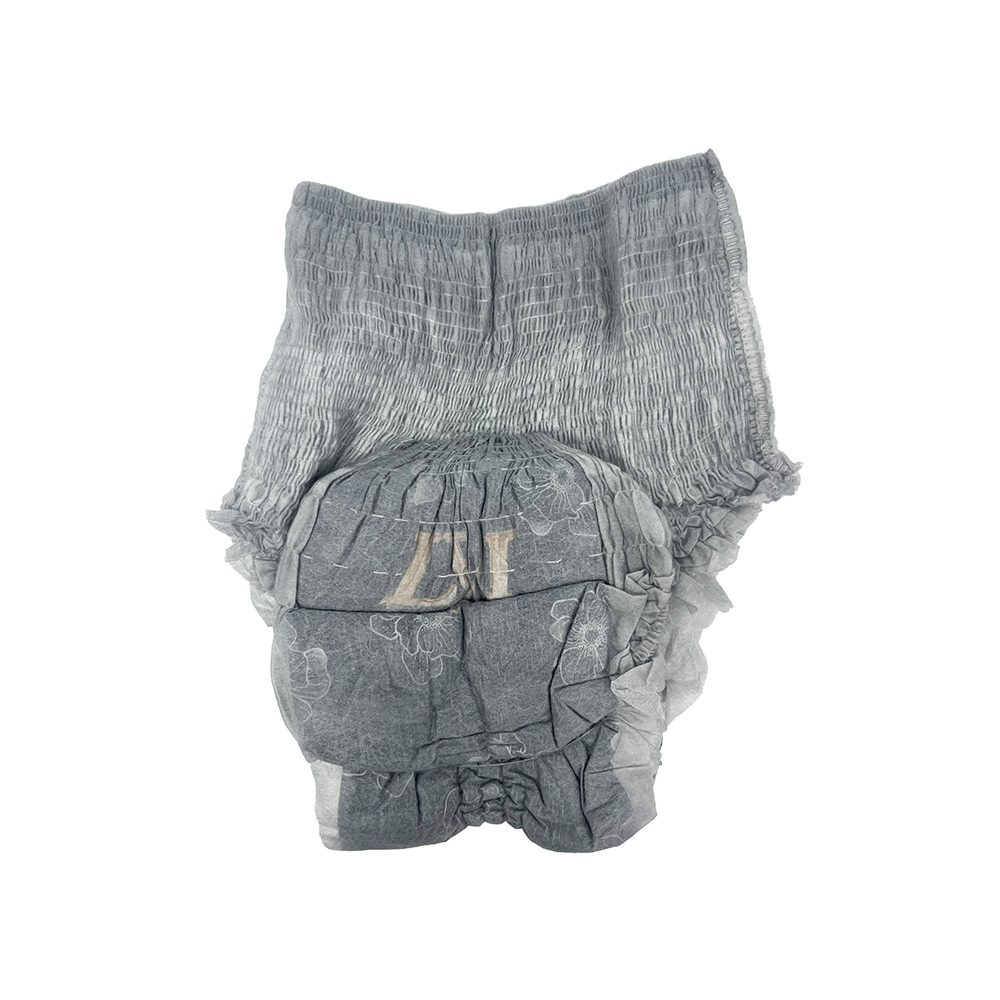
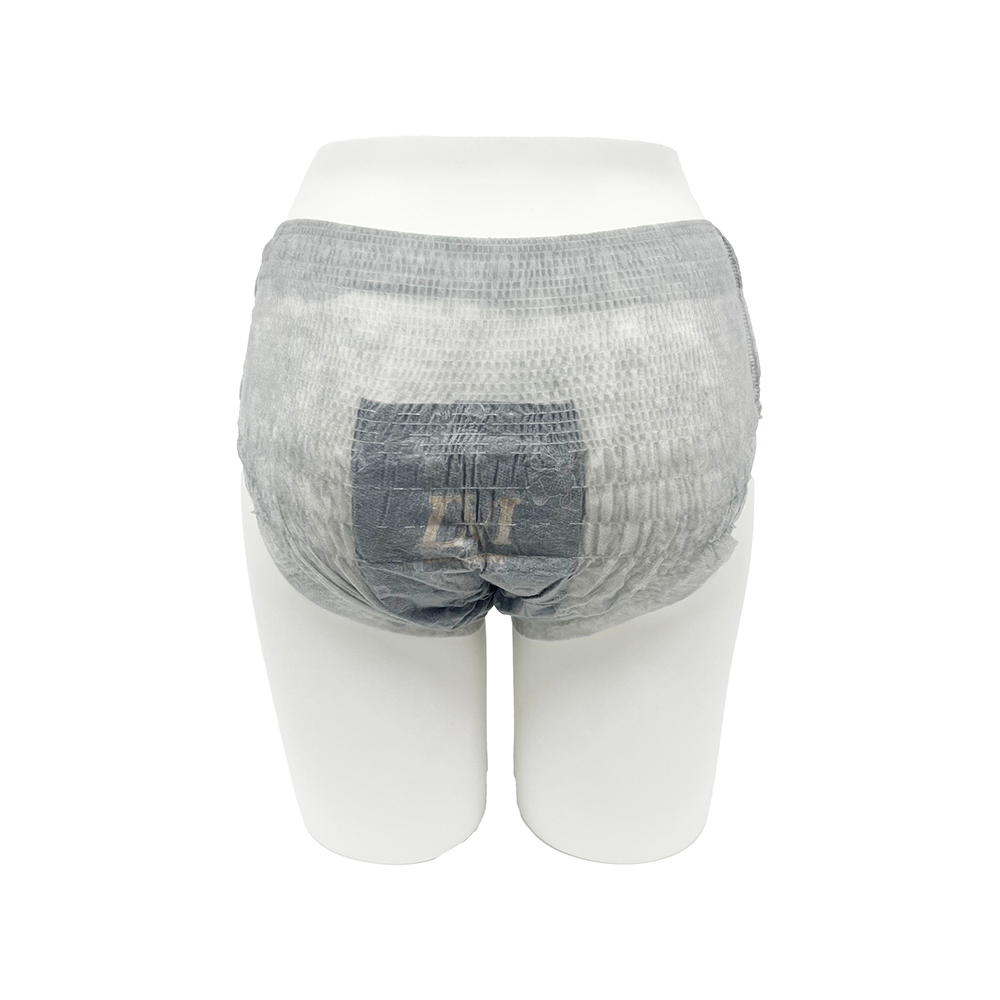
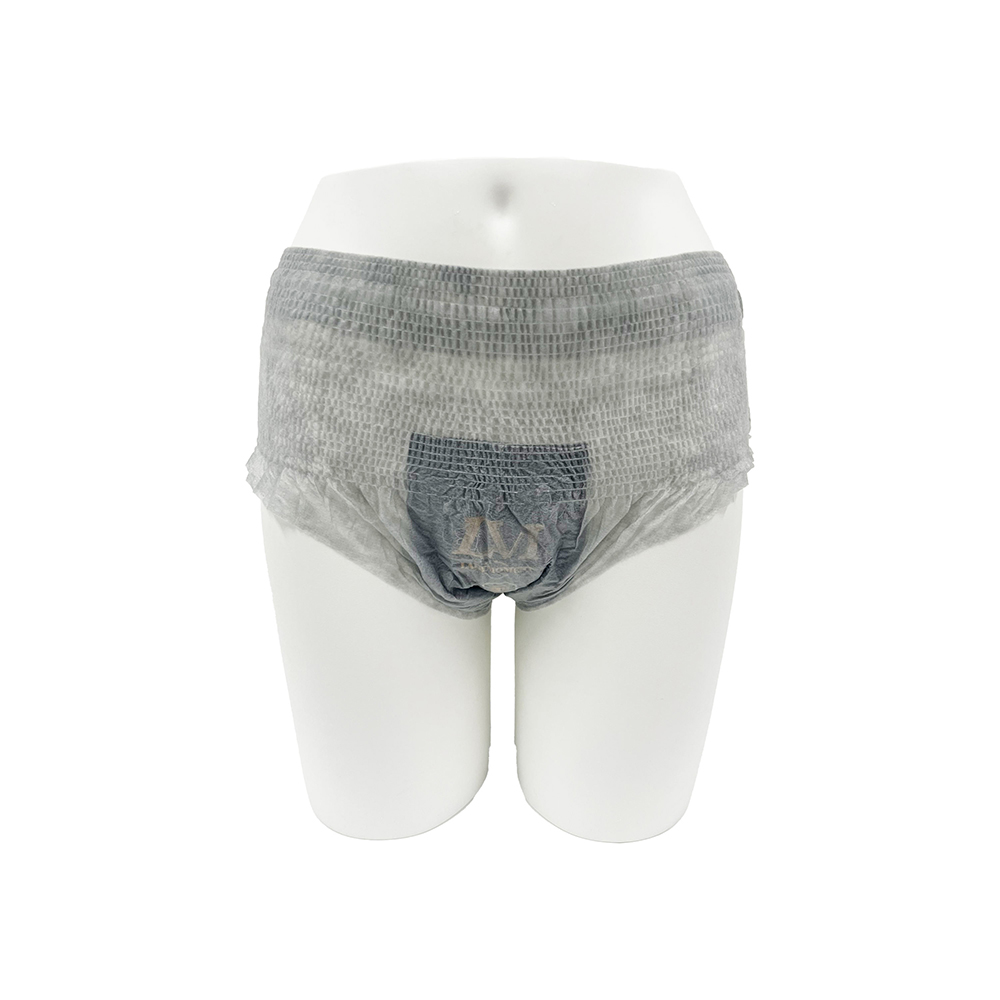
Tear-away side seams are bonded joints along each hip that connect the front and rear panels of a pull-on garment. They are designed to be pulled apart by hand after use. Retail and caregiver guidance describes the same routine: Carewell’s guide to taking off a pull-up has the wearer lie on their back, then the caregiver tears off the sides and discards the product.
The practical benefit is removal without sliding a soiled product down the legs or taking off clothing. Tearing does not replace skin cleansing or good hygiene routines, and anyone with skin or medical concerns should follow guidance from a healthcare professional.
The seam therefore has two jobs that pull in opposite directions:
During wear: it carries the tension of the waistband and the weight of a loaded core, and it survives sitting, walking and, for independent users, repeated pull-downs.
At removal: it opens with modest, predictable force from one side, including when the person tearing it has limited grip strength.
Why Seam Strength Is a Two-Sided Specification
A seam that is “strong” and a seam that is “easy to remove” are not opposites on one scale. They are two different performance windows, and the product only works if both are met.
Too strong a seam frustrates caregivers. Fingers slip, the nonwoven stretches before it separates, or the tear stops partway.
The problem is recognized in patent literature. A USPTO patent publication for easy-change protective underwear states that side seams are typically welded, bonded or adhered, so they are not adjustable. It adds that they may not be designed to survive repeated pulling up and down over the hips. That is the applicant’s framing of the problem, not independent test data. It does match what buyers hear in complaints.
User reports point the same way, though on thin evidence. A reviewer-led test of incontinence underwear for women records one tester finding that seams ripped when the underwear was pulled too hard. That is a single comment, not a failure rate.
What Determines Whether a Seam Holds and Still Tears Cleanly?
A seam is a small engineered structure, and several variables interact. The sections below separate them, because they are controlled differently at the factory.
Bond Pattern and Seam Geometry
A bond does not have to be uniform along its length. Unicharm’s patent EP2526913A1 for a pull-up disposable wearing article describes a seam made of discrete sealing spots with different areas by segment. The top segment near the waist opening has a smaller sealing area. The patent says this lets the side edge tear easily from the top when a used product is removed. The bottom segment, near the crotch, has a larger bond dimension so it is less likely to release unintentionally during wear. The spots are staggered in a zigzag, so a partial release in one area should not unzip the whole seam.
The patent also reports seam strength per inch for its own embodiment. The figures were roughly 10 to 25 N/inch in the top segment, 8 to 18 N/inch in the middle and 10 to 35 N/inch in the bottom. Treat these as an illustration of how seam strength can vary within one seam. They are not industry benchmarks or targets for another product, because materials, test method and garment design all differ.
For buyers, the useful takeaway is simple. A seam can start easily at the waist and still be reinforced where leg and hip movement load it. Ask the supplier how the bond is distributed, not just whether the seam is “tear-away.”
Waist Tension and Elastic Load
Seam stress depends on how much the waistband pulls on it. Stronger waist elastic loads the seams harder, including during application. The guide on what a full elastic waist adds to adult diaper fit stability lists tear-away side seams that do not rupture prematurely among the features of a secure-fit pull-up chassis. It also warns that excess elastic can tear side seams during application.
The same dependency appears in how front and rear waist elastic change adult diaper fit. That guide names side-seam stress as a risk for full 360° elastic waists and lists recovery after repeated pull-down and side-seam strength as items to verify.
Buyers should treat waist elastic and seam bonding as one system. Changing elastic tension late in development can quietly move a seam out of its intended window.
Material and Outer Cover
The Unicharm patent describes outer sheets of heat-sealable spunbond nonwoven with substantially no elastic stretch. That is one construction, not a universal rule. In general, how the nonwoven bonds and how it tears depends on its fibers and weight, and a softer or lighter cover may tear differently from a heavier one. Ask for the outer-cover material and confirm that seam performance was tested on the exact material in your specification, not on a different cover.
Process Consistency
A single approved sample proves little. Bond pressure, temperature or energy and line speed can all vary between runs. The same variation that makes a seam hard to tear in one lot can make it open early in another. This is why batch-to-batch testing matters more here than for most chassis features.
Is a Stronger Seam Always the Safer Choice?
No. A stronger seam reduces the risk of opening during wear, but only up to the point where the caregiver or wearer can still tear it reliably. Past that point, the added strength creates a different risk. A caregiver struggling with a stiff seam may pull harder, tear raggedly, or give up and slide the product down the legs, which defeats the purpose of the feature.
The right balance depends on who handles the product:
Independent, mobile users who toilet alone: they may pull the product down and up several times a day. Seam durability matters most, and a seam that opens during toileting is a real failure.
Caregiver-assisted users: removal speed, one-handed tearing and low effort matter more. The product may be pulled down rarely, so the seam can be set to open more readily.
Mixed use in care settings: the specification has to cover both, which makes testing across wearer types more important.
An illustrative scenario, not a customer case: an institutional buyer receives staff complaints that a pull-up is hard to tear, so the supplier softens the seam. Complaints then shift to seams opening when residents walk to the toilet. The root problem was never the seam strength alone. It was a window that was never defined for the actual wearer group.
Tear-Away Pull-Ups vs Other Formats: Which Fits Which User?
Tear-away seams are one design among several. This table is a qualitative comparison based on product design and caregiver guidance. It is not measured performance data.
Format
How it is removed
Fit adjustability
Best suited to
Main limitation
Pull-up with tear-away side seams
Tear each side, lift product away
Set at manufacture
Mobile or semi-mobile users; caregiver changes while standing or lying
Seam must hold in wear yet tear on demand
Pull-up without tear-away seams
Slide down the legs
Set at manufacture
Independent users with good dexterity who change alone
Soiled product travels down the legs; clothing must be moved
Tab brief
Open tabs, refasten if needed
Adjustable at the waist and hips
Bed-level changes, transfers, users who cannot stand safely
Less underwear-like; fit depends on caregiver technique
Pull-up with a secondary fastener or adjustable side portion
Varies by design
Partly adjustable
Users who need pull-on convenience with some adjustment
Described in patent literature; confirm commercial availability and cost
If a wearer cannot stand safely or needs bed-level changes, tabs may suit better. The roll-down guide makes a similar point in its FAQ. It suggests considering tab-style briefs when adjacent pull-up sizes keep rolling or the wearer needs frequent bed-level changes.
How Do Seams Affect Fit and Discretion Under Clothing?
A seam adds material at the hip. A thicker or stiffer seam line can print under fitted clothing, and a wide bonded area can feel less like underwear. The guide on how pull-up fit affects discreetness under clothing notes that tear-away seams on an incontinence underwear range make caregiver removal easier but place a seam line on each hip. It advises confirming how flat that seam sits.
That leads to a real trade-off. Larger bond areas improve security but can add stiffness and visibility, while smaller bond areas look flatter but give less margin against opening under stress. Neither choice is correct in general. It depends on the wearer’s clothing and activity.
Seam performance also interacts with movement. Stationary bench tests rarely reproduce hip rotation, squatting or repeated sit-to-stand cycles. Movement leak testing for active pull-up users is the layer where a seam that opens slightly, or lets the waist gap, would show up.
How Should Buyers Test Tear-Away Seams Before Approving a Sample?
No published standard for pull-up tear-away seam force was identified in the research for this article. Buyers therefore have to define the protocol and agree on it with the supplier. A workable plan combines bench checks and user trials.
Bench checks:
Seam strength measured the same way across several production lots, not one golden sample.
Tear-initiation force: how much effort starts the tear at the waist edge.
Tear behavior: whether the tear runs cleanly to the leg opening or stalls, shreds or leaves loose fragments.
Seam condition after repeated stretch and pull-down cycles. The cycle count and pass/fail limits should be agreed in writing, because they depend on your wearer group.
Seam condition after storage in conditions that match your supply chain.
User trials:
Caregiver tear trials, including staff with smaller hands or reduced grip, with the wearer lying and standing.
Independent-user trials with several pull-downs for toileting.
Wear and movement checks at set intervals for opening, waist gap or seam creep, including a loaded condition.
A discretion check in the garments your customers actually wear.
This list does not set thresholds. Thresholds depend on product class, wearer group and your quality standards.
What Should Buyers Specify Before Requesting a Quote?
Seam performance is only specified if you write it down. The following details help a manufacturer propose a suitable seam and avoid rework after sampling:
Wearer profile: independent, assisted or mixed use, mobility level, and whether users toilet alone.
Seam priority: whether durability against opening or ease of tearing matters more, and what you consider a failure.
Waistband and elastic design: waist construction and the intended tension, since these load the seam.
Outer-cover material and print: whether a printed waistband or outer cover is required, and whether the print affects seam behavior.
Size range and fit data: waist, hip and rise ranges by size.
Absorbency level and wear period: a loaded core pulls on the seam differently from a dry one.
Disposal features: whether you need a disposal tape or similar feature.
Test requests: multi-lot seam data, a caregiver tear trial, pull-down cycle results and movement trial evidence.
Target market and compliance: the countries where you will sell.
Quantity, MOQ and delivery schedule.
The manufacturer’s incontinence underwear range describes a 360° elastic waistband with tear-away side seams. It also states that waist styles, absorbency levels, colors and packaging formats can be customized for retail and institutional channels. The page does not state MOQ, lead time or which seam options are available. Request those details in writing, along with the seam test data above, before you commit to a sample round.
Frequently Asked Questions
What are tear-away side seams on adult pull-ups?
They are bonded seams along each hip that hold the front and rear panels together during wear and are meant to be pulled apart by hand after use. They let a caregiver open the product without sliding it down the legs or removing clothing.
Are tear-away seams the same as tab fasteners?
No. Tear-away seams open once, and the product is then discarded. Tabs can usually be opened and refastened so a caregiver can adjust fit. Tabs suit bed-level changes, while tear-away pull-ups suit mobile or semi-mobile users.
Can tear-away seams open during normal wear?
They can if the seam is too weak, the product is too small, or the waist elastic loads the seam heavily. Repeated pull-downs can also stress them. Ask suppliers for multi-lot seam data and request a movement and pull-down trial.
How strong should a pull-up side seam be?
No published standard for pull-up seam force was identified. Seam strength figures in patents describe specific designs and test methods, so they are not benchmarks. Define a window with your supplier based on wearer group, material and test method.
Why is a tear-away seam hard to tear sometimes?
Causes include an overly strong or uniform bond, a stretchy or heavier outer cover, lot-to-lot variation or limited grip strength. Caregiver tear trials across staff with different hand strength help show whether the seam needs adjustment.
Do tear-away seams make pull-ups less discreet?
They can add a seam line at the hip, depending on bond area, stiffness and fabric. Compare samples in the garments your customers wear, both standing and seated, and check how flat the seam sits.
What should I include in an RFQ for pull-ups with tear-away seams?
Include the wearer profile, whether durability or easy tearing matters more, waistband design, outer-cover material, size and fit data, absorbency level, test requests such as multi-lot seam data, target market, MOQ and delivery schedule.