Dynamic Core Integrity Tests for Adult Diapers During Movement
A dynamic core integrity test checks whether the absorbent core of an adult diaper stays intact when the product is moved, not only when it sits flat on a bench. The difference matters because a core can post a strong capacity figure and still crack, rope, or slump once a wearer sits, turns, or walks in a wet product. For procurement, quality, and product development teams, the practical question is which movement, which wetting sequence, and which pack condition a supplier used before claiming a stable core. This guide explains how dynamic core integrity tests work, how they differ from capacity and leakage tests, how to read the results, and what to put in a specification and RFQ so supplier data can be compared fairly.
What Is a Dynamic Core Integrity Test?
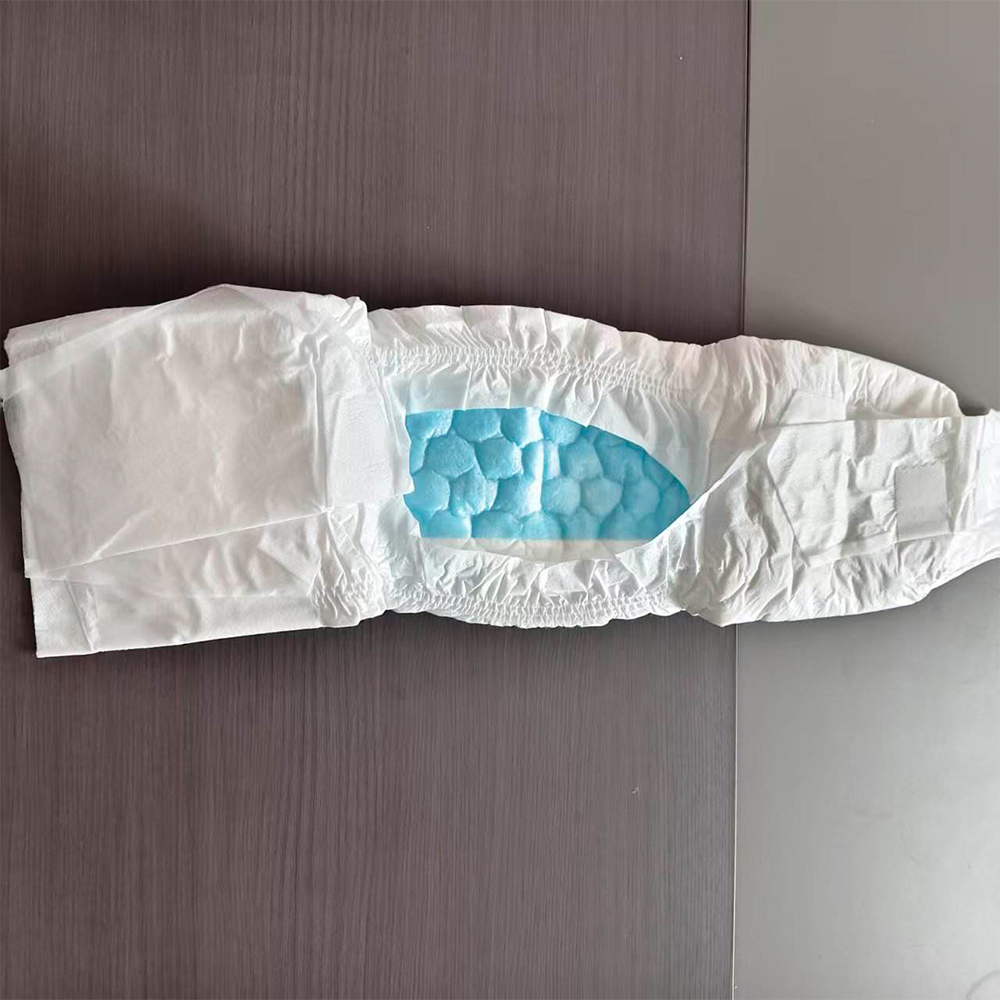
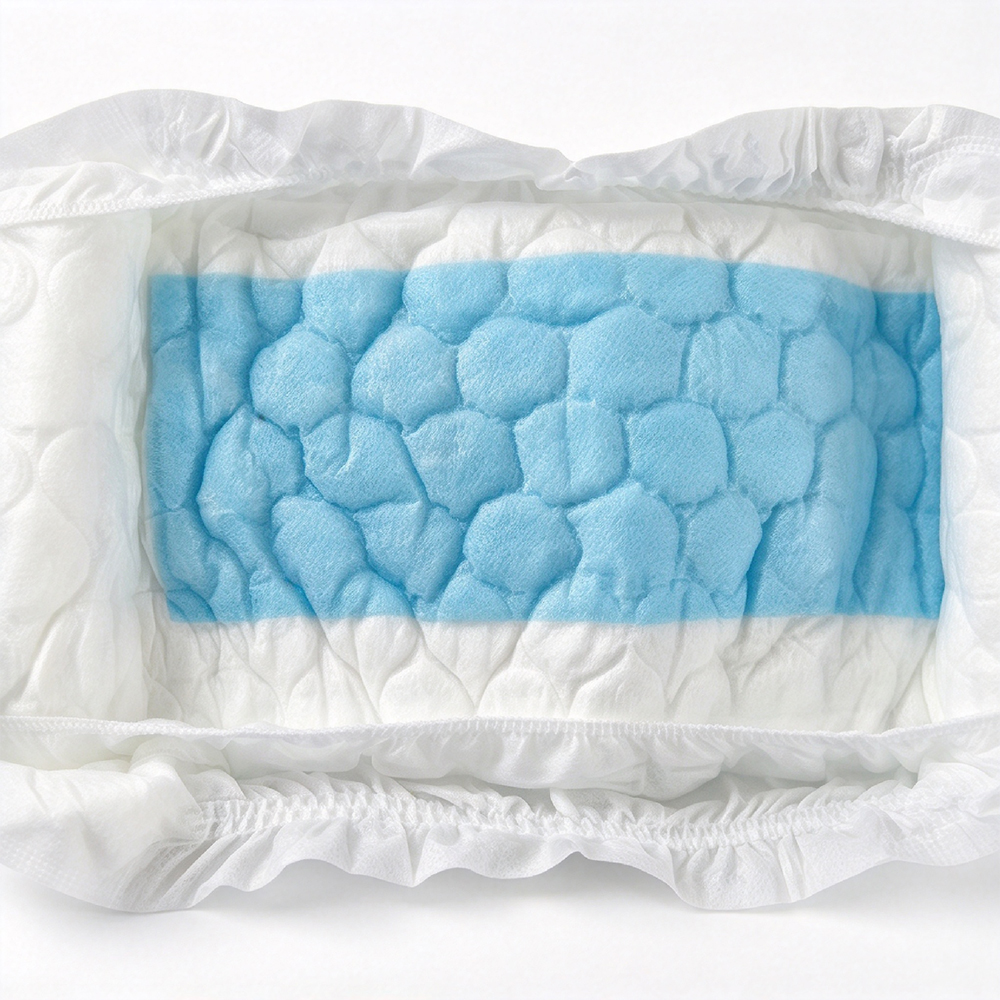
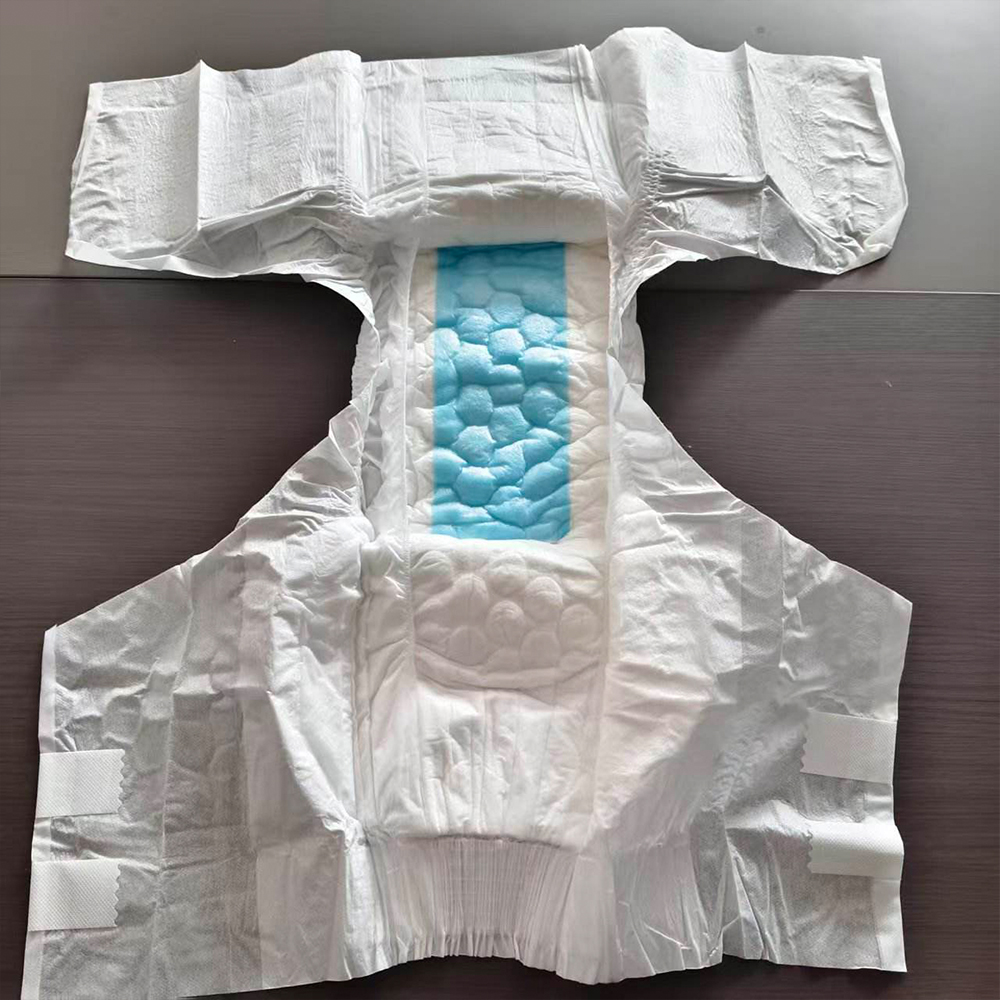
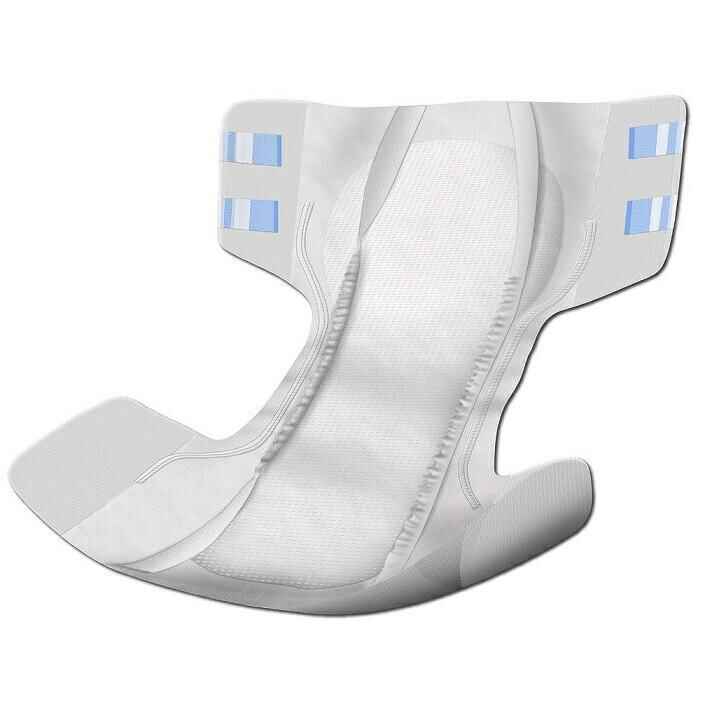
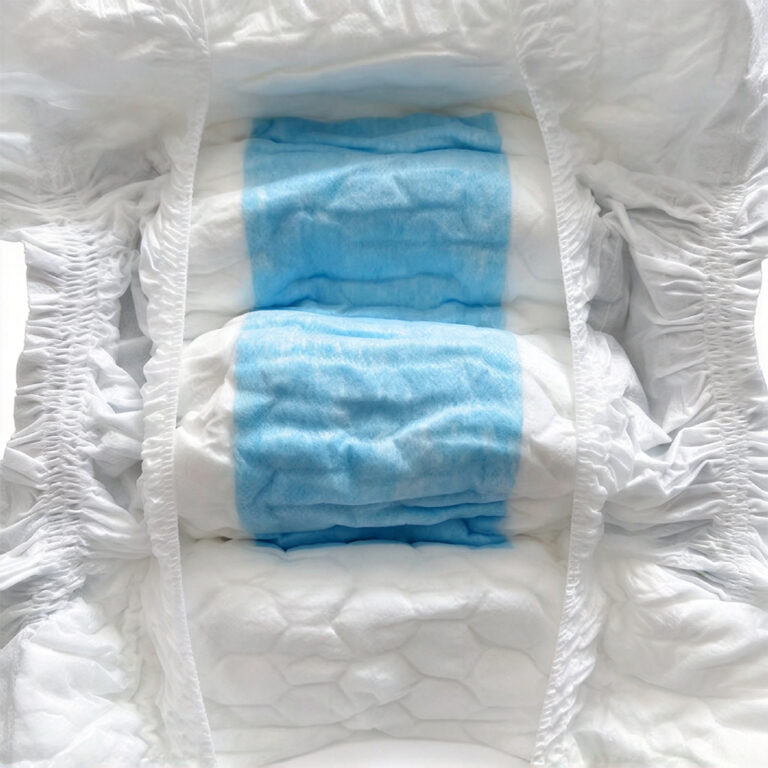
A dynamic core integrity test applies controlled movement to a finished adult diaper, before wetting, after wetting, or both. It then inspects the core for cracks, gaps, SAP clumping, bunching, and slumping. The aim is to learn whether the fluff-and-superabsorbent-polymer (SAP) matrix holds its structure under the stresses of use.
There is no single method to point to. A 2015 expert-opinion article in Nonwovens Industry states that no single, industry-standard lab test measures core integrity or the stability of fluff and SAP distribution in the core. No newer published standard was identified in the sources reviewed for this guide. Because the article is old, buyers should confirm the current position with their testing lab. In practice, the buyer or the testing lab defines the protocol. That is why two reports labelled “core integrity” can be impossible to compare.
The best-documented structure is the approach of adhesive supplier Bostik. Its Conditioned Core Integrity Test works in these steps:
It defines the insult point.
It preconditions the dry diaper with movement that simulates a wearer.
It wets the insult point with saline and waits five minutes for absorption.
It repeats the movement simulation until a core crack appears.
Bostik’s reasoning is that many simpler methods force a wet core and ignore the abuse a diaper receives before it is wetted. That logic holds for a buyer too, because handling, packing, and early wear all happen before the first void.
Why Capacity and Leakage Tests Do Not Cover Core Integrity
Capacity, absorption-before-leakage, and leakage tests each answer a different question. None of them reports whether the core stayed together. The table below shows where a dynamic core integrity test fits.
Test or check
What it mainly tells you
What it can miss
Role in a supplier file
ISO 11948-1 (Rothwell) capacity
Maximum absorption capacity under controlled conditions
Core cracking, bunching, motion leaks
Screening cores and materials
ABL on an adult mannequin
Liquid absorbed before leakage in a simulated user position
Movement-driven failure, active users
Benchmarking heavy-care briefs
Single- and multi-insult acquisition and rewet
Intake speed and surface dryness over one or more doses
Whether the wet core holds its shape when moved
Batch release and design validation
Movement leak test
Where liquid exits during motion (cuffs, waist, front)
Internal core damage that has not yet caused a leak
Active-user and pull-up claims
Dynamic core integrity test
Whether the matrix cracks, ropes, slumps, or loses SAP position under movement
Fit, cuff, and waistband leaks
Core design approval and change control
The mannequin ABL method shows why scope matters. The scope statement for ISO 19331 (listed as prEN ISO 19331) describes a method designed mainly for care-dependent bedridden adults. It states that the method is not applicable to more active and mobile users. A supplier quoting ABL numbers for an active-user pull-up is therefore stretching the method beyond its stated purpose.
Movement leak testing is the closer relative. The guide to movement leak testing for incontinence pull-ups covers sit-to-stand, squat, and walking protocols that locate leak pathways at the cuffs and waistband. A dynamic core integrity test looks at a different layer of the problem. It opens the product and examines what the core did. The two tests complement each other, and a product can plausibly pass one and fail the other.
Which Movement Methods Are Used in Core Integrity Testing?
The methods described in that Nonwovens Industry article and in a Bostik white paper on core integrity fall into a few families. Most are qualitative stress tests. They rank samples against each other on one rig and do not predict how many hours a product will last on a wearer.
Method
How it works
What it shows well
Main limitation
Manual core shaking
After insult, the diaper is shaken by hand until cracking is seen
Fast, no equipment
Operator-dependent, hard to repeat
Machine core shaking
Same idea on a shaker
Better repeatability
Shaking is not the same motion as sitting or turning
Spin or tumble
After insult, the diaper is spun in a washer, dryer, or centrifuge-type device, sometimes with objects inside or outside
Severe abuse, comparison between designs
Intensity may exceed real use
Conditioned core integrity
Movement before wetting, then movement after wetting until a crack appears
Captures dry-state damage and wet-state failure
Protocol must be agreed; results depend on movement type
Wet peel / visual SAP and fluff retention
Core wrap is peeled back after insult to see how much SAP and fluff remains bonded
Adhesive and wrap bond strength when wet
Does not simulate body movement
Quantitative cracking analysis (for example, a Hardy Integrity Tester)
Instrument-based assessment of cracking
Numerical comparison
Instrument and method must be named in the report
Both sources come from the adhesive industry, so the list reflects that perspective rather than an independent survey. It is still a useful vocabulary for a buyer. It lets you ask a supplier exactly which of these methods was run.
How Should a Buyer Design a Dynamic Core Integrity Protocol?
A reproducible protocol fixes seven variables. Leaving any of them open lets results drift between labs and between batches.
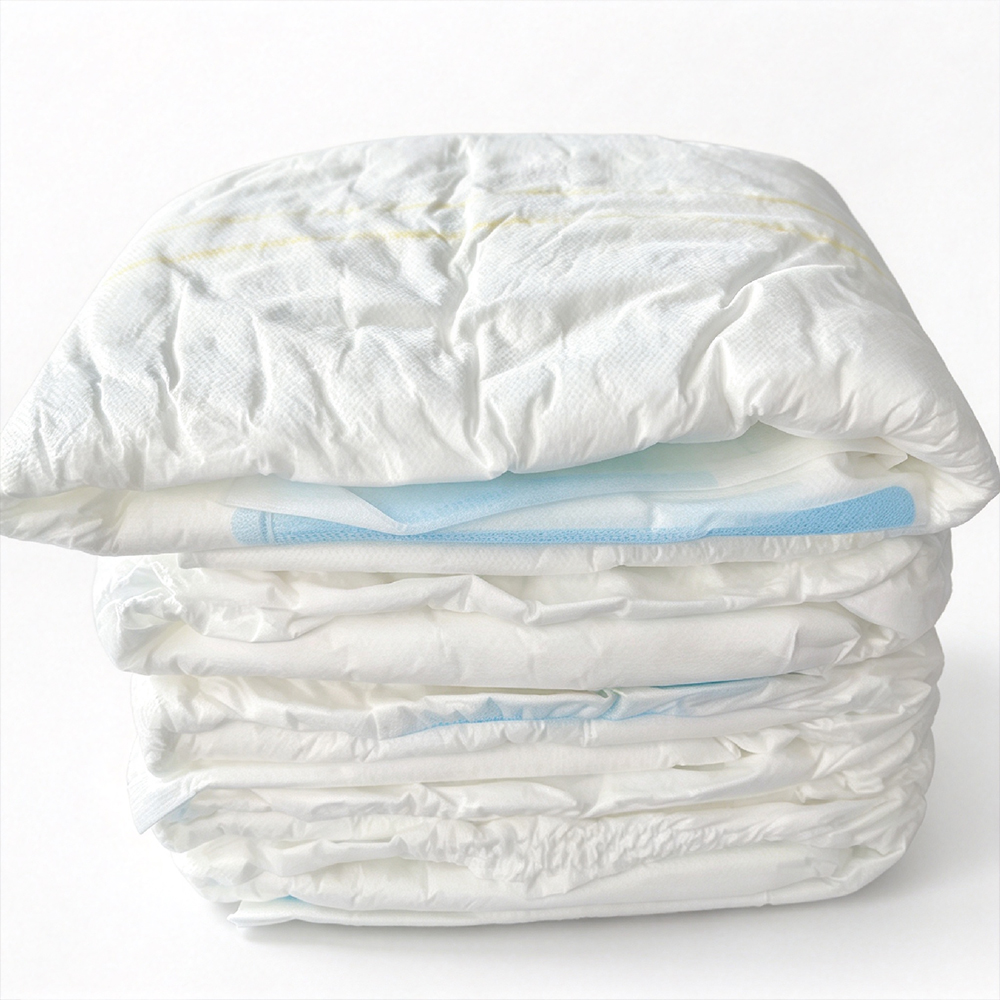
Pack condition of the sample. Test fresh-from-line units. Also test units taken from a compressed, stored bag in the intended pack size. The US patent US 5,833,678 lists packing force among the believed contributors to core breakage and notes that breakage tends to occur along fold lines created for packaging. The patent is old and was written around disposable diapers in general, so use it for mechanisms, not for adult-diaper limits.
Dry preconditioning. Apply movement to the dry product first, as Bostik’s method does. Define the motion type and cycle count.
Insult point and dose. Fix where the saline lands and how much is applied, using 0.9% saline. The loading zone matters because fluid delivered to one narrow area swells and loads that area while the rest of the core stays underused. The article on acquisition layers, fast intake versus fluid distribution explains why the layer above the core changes where the wet mass forms.
Wait time. Bostik’s method uses five minutes before post-wetting movement. Whatever interval is chosen, keep it identical across suppliers.
Post-wetting movement. Choose a profile that reflects the user. Use sit-to-stand and walking for mobile wearers, side-to-side rolling and repositioning for bed-bound users, and sustained seated compression for wheelchair users. These profiles are suggestions for a buyer-defined protocol, not figures from a standard.
Number of doses. Dynamic tests become more informative when combined with repeated wetting, because a loaded core behaves differently from a dry one. The comparison of single-insult versus multi-insult testing lists the dose count, interval, and volume details that must be stated for results to be reproducible.
Readouts. Decide in advance what gets recorded, as set out below.
What should be measured after the movement?
After the movement step, cut the product open. Record the core condition with photographs and measurements. Useful readouts include:
Crack location, count, and length. A crack in the loading zone is a different problem from one at the rear fold.
Core width before and after. The patent above grades bunching by comparing the core width of a used diaper with an unused one, from slight matting to a hard, stiff core.
Liquid distribution past the fold line. The same patent expresses this as the weight of the rear portion divided by the weight of the whole wetted diaper, after cutting along the fold line.
SAP clustering and dry zones. Photograph the cut surface under consistent lighting.
Layer separation. The patent describes slumping as slippage or separation between the core and a chassis component.
Rewet and visible leakage. Measure these after movement, not only before it.
Results mean little without a reference. Run the same protocol on a reference product that the target user group already accepts, then judge candidates against it. The table below maps common observations to follow-up actions. It is a decision aid built from the failure mechanisms above, not a standard.
What you observe after movement
Possible meaning
What to ask or test next
Cracks at the packing fold line in compressed-bag samples but not in fresh samples
Packing compression or fold damage
Retest with the intended bag count and compression
Core ropes into a narrow band in the crotch
Wet matrix collapse, weak wrap or adhesive, or localized overload
Request wrap type, adhesive system, and repeated-dose results
Clean core wrap but SAP clustered near the insult point
Poor distribution or SAP migration
Check acquisition layer and core geometry; run multi-insult data
Large share of liquid at the front, little at the rear
Cracking at the crotch fold or poor spreading
Compare to reference; inspect fold-line damage
Core intact but stiff and board-like
Possible over-bonding
Check flexibility, wet fit, and swelling behavior
Core intact but side leak during movement
Leak likely at cuffs or waist, not the core
Add a movement leak test
Illustrative example (hypothetical, not a customer case): a supplier replaces a fluff-rich core with a thinner, SAP-heavy core to cut carton volume. Capacity and single-dose rewet are unchanged. After bag compression and a dry-preconditioned, wet-movement test, the new core shows a crack at the fold and a narrower wet core than the reference. The capacity figure would not have caught either result.
Is a Core That Never Cracks Always the Better Core?
Not necessarily. Crack resistance is one property of a core, and it can be bought at the expense of others. Adhesive and bonding hold the matrix together. A core bonded too heavily can feel stiff and may resist swelling and fluid wicking. A buyer who accepts “no cracks” as the only pass criterion can end up approving a rigid core that is uncomfortable or distributes fluid poorly.
Test severity needs the same qualification. A spin-until-crack rig is useful for ranking designs, but it can exceed anything a light pull-up user would produce. A gentle protocol can flatter a product intended for a wheelchair user who compresses the core for hours. The test has to match the product tier and user. This is the same scope logic behind the ISO 19331 limits discussed earlier.
The defensible approach is to treat crack resistance, wet comfort, fluid distribution, and fit as trade-offs. Set acceptance limits from a validated reference sample and the target user group, not from a generic number.
How Do Lab Results Connect to Production Control?
A core that passes dynamic testing in an approved sample can drift in production if SAP dose, adhesive add-on, or pulp quality changes. Total unit weight can hide this, because extra pulp can offset missing SAP. The guide to in-process quality checks on an adult diaper production line explains why SAP dose should be verified separately from total weight. It also explains why adhesive bonding needs aged-sample testing, since cameras do not see bond quality.
A practical split of effort:
Design approval: run the full dynamic protocol on every size, with preconditioning, repeated dosing, and compressed-bag samples.
Change control: repeat the protocol whenever SAP grade, fluff source, adhesive, core wrap, or pack compression changes.
Batch audits: run a shorter, fixed version on production samples. Keep photographs and raw data by lot.
What Should You Specify Before Requesting a Quote?
Dynamic testing typically adds cost and lead time to sampling, so define it in the RFQ rather than after samples arrive. Include:
Product format and size range: brief, pull-up, or pad, and every size to be tested.
Target user and mobility: mobile, assisted, bed-bound, or wheelchair use, and day or night wear.
Protocol reference: the named method or a written protocol. It should cover motion type, cycle count, insult point, dose volume, wait time, and number of doses.
Sample condition: fresh, compressed and stored, and aged if shelf life matters, in the planned pack size and bag count.
Sample plan: units per size, and whether samples come from production lots or hand-built prototypes.
Readouts and reporting: photographs, core width change, crack records, and raw data, not only a pass or fail statement.
Reference product and acceptance rule: the benchmark and how a pass is defined.
Change control: retesting triggers for material or process changes.
Treat any report that omits the motion type, dose count, wait time, or pack condition as incomplete. A report that says only “core integrity: pass” is a claim, not evidence.
Frequently Asked Questions
What is a dynamic core integrity test for adult diapers?
It is a test in which a diaper is moved, often both dry and after wetting with saline, and then inspected for core cracks, gaps, SAP clumping, bunching, or slumping. It checks whether the absorbent core holds together under movement.
Is there an industry standard for core integrity testing?
A 2015 Nonwovens Industry article says no single industry-standard method exists, and no newer standard was identified in the sources reviewed. Buyers should define and document the protocol in the specification and confirm current practice with the lab.
How is a core integrity test different from an ABL test?
ABL measures how much liquid a product absorbs on a mannequin before it leaks. ISO 19331 targets care-dependent bedridden users and is not applicable to active, mobile users. A core integrity test inspects the core structure after movement.
Should core integrity samples be tested after packing?
Yes. A US patent on core integrity notes that breakage tends to occur along fold lines created for packaging and lists packing force as a contributor. Test samples from a compressed, stored bag in the intended pack size, not only fresh units.
Can a diaper pass capacity tests and still fail a movement test?
Yes. Capacity tests measure how much liquid a product can hold under controlled conditions, not whether the wet core holds its shape. A core can hold liquid and still crack, rope, or slump when moved.
What should a supplier’s dynamic test report include?
It should state the motion type and cycle count, insult point, dose volume and count, wait time, pack condition, sizes and sample numbers, and the readouts recorded, with photographs. Without these conditions, results cannot be compared across suppliers or batches.