How High-Absorbency Adult Diapers Prevent Clumping and Core Breakage
The Hidden Failing Inside Cheap Grownup Baby Diapers
Cores break first.
And when a grown-up diaper core breaks, the failing is hardly ever significant at the beginning: it begins as a small ridge between the legs, a swelling near the front strike zone, a drooping damp mass after the very first space, or a slim empty network where absorptive product has moved far from the location it is needed most. Why do so several buyers still evaluate high absorbency grown-up baby diapers by thickness alone?
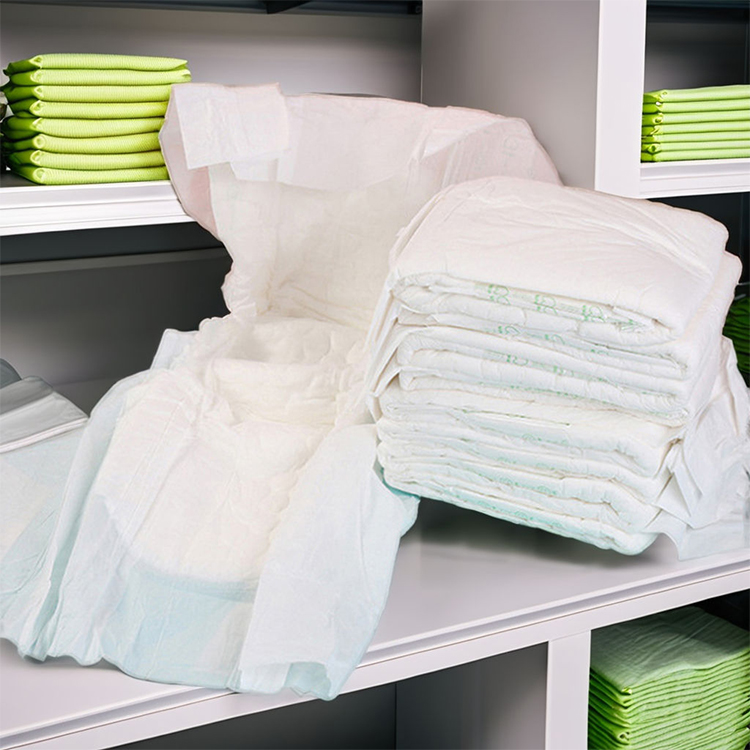
I have actually seen this blunder in purchase conversations extra times than I want to admit. A customer presses the diaper, sees mass, and thinks toughness. Yet mass is not design. It is commonly simply expensive-looking fluff.
The hard fact: clumping and core damage are not random crashes. They are style failings. They typically originate from bad SAP distribution, weak fluff pulp stability, negative core covering, insufficient bonding, over-compression in packaging, or a product format that can not survive sitting, turning, walking, side resting, and caretaker adjustments.
That is why a serious purchaser should begin with high absorbency adult diapers developed around core stability, not simply a loud “maximum absorbency” claim.
The FDA’s device meaning matters here. Under 21 CFR § 876.5920, a protective garment for incontinence is called a tool constructed from absorptive cushioning and a fluid obstacle meant to safeguard an incontinent person’s garment from excreta. That language appears, but the implication is not: the core is the gadget’s functioning engine.
If the engine shifts, rounds up, or splits, the product has currently fallen short.
What Clumping Truly Indicates in an Adult Diaper Absorbent Core
Clumping is not simply “damp extra padding.” It is the activity and focus of absorbing products right into uneven masses after liquid consumption, compression, body movement, or packaging tension.
In a standard grown-up baby diaper absorptive core, the main players are fluff pulp and SAP. Fluff pulp gives the core structure, capillary pathways, and temporary liquid handling. SAP, generally salt polyacrylate-based superabsorbent polymer, locks liquid right into gel. In straightforward terms, fluff pulp moves and spreads. SAP shops.
The problem starts when those products stop working together.
A badly balanced SAP absorptive core can create gel blocks. Too much SAP in one area can slow down consumption due to the fact that swollen fragments crowd the fluid paths. Inadequate SAP can leave the fluff pulp overloaded, wet, and vulnerable to collapse. Weak pulp can divide under body stress. Poor wrapping can allow material migrate. Over-compressed product packaging can create tough areas before the product is even opened up.
I do not rely on any type of vendor that says, “We included more SAP, so the baby diaper is much better.” Extra SAP can help. It can additionally destroy the product if the acquisition layer, fluff matrix, and core channels are not developed to manage fast liquid entrance.
This is where anti-clumping adult baby diapers separate themselves from economical cushioned briefs. They do not merely take in. They take care of fluid instructions, material stability, swelling pressure, and wet-core form.
Table of Contents
The Design Stack: How High Absorbency Grownup Baby Diapers Stay Intact
A high-performing core acts like a controlled system. Not a sponge. Not a cushion. A system.
1. SAP Distribution Has to Be Also, Not Outstanding on a Spec Sheet
The fastest method to develop clumps is to unload SAP unevenly right into the absorbing core. When fluid hits a high-SAP pocket, the polymer swells right into gel, blocks nearby pores, and compels the following wave of fluid sideways. That creates a damp swelling, a completely dry spot, and a leak complaint.
In grown-up baby diapers for hefty urinary incontinence, this is unforgiving. Hefty spaces are fast. Over night usage is long. Seated stress is consistent. A customer in a mobility device can compress the exact same area for hours.
A much better SAP absorbent core uses controlled fragment circulation throughout the strike area, center network, back zone, and sometimes prolonged front insurance coverage for male individuals. It needs to also maintain room for fluid movement after swelling. I care a lot more regarding SAP placement than SAP percent.
Fluff pulp adult baby diapers depend on fiber strength and formation quality. The pulp is not filler. It is the skeletal system that aids maintain SAP fragments separated, holds short-lived liquid, and decreases sudden merging.
Yet right here is the ugly component: low-grade fluff can squash, shear, and separate after compression. The user takes a seat, the core tightens, and the product lots right into a rope-like mass in between the legs. When that takes place, the baby diaper may still have absorbent material, yet the material is no more where the body needs it.
3. Acquisition Layers Should Win the First 10 Seconds
A baby diaper can have excellent total ability and still leakage badly. I have no persistence for capacity cases that ignore consumption speed.
The first 10 seconds after a hefty void make a decision whether fluid gets in the core or runs toward the leg opening. The purchase distribution layer, often called ADL, has to draw liquid down and spread it prior to SAP swelling blocks flow. This is specifically important in adult baby diapers with tabs made use of for bedbound customers, due to the fact that body angle and pressure transform the course fluid takes.
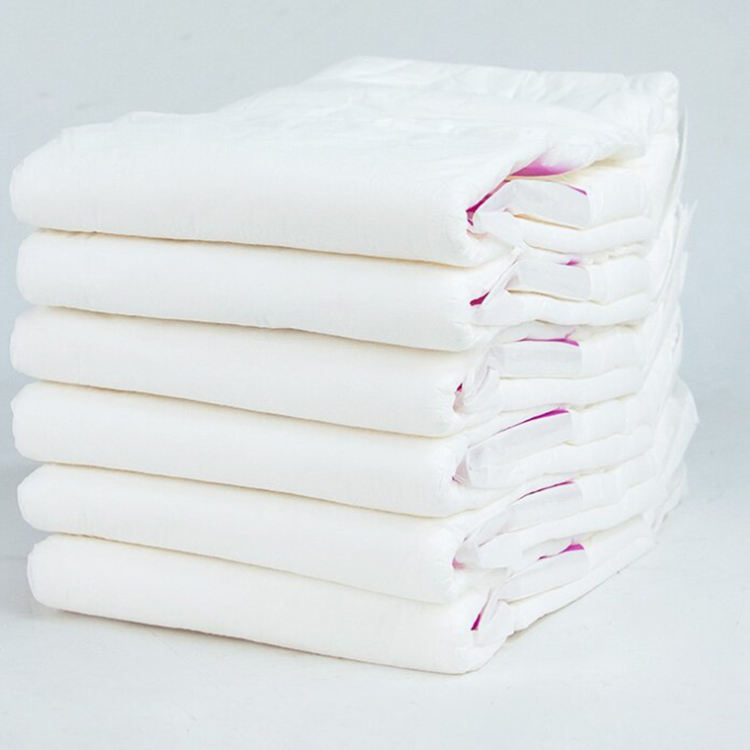
For caregiver-assisted treatment, grown-up baby diapers with tabs make good sense since they allow open transforming, refastening, examination, and tighter control around the midsection and legs. However also a great tab-style quick falls short if the consumption layer can not take care of a rise.
4. Core Covering and Bonding Stop Material Migration
Core damage often appears like “the diaper broke down within.” Generally, the absorptive material has actually shifted because the cover, cells, nonwoven layer, adhesive pattern, or embossing did not hold the core together during wear.
A steady core requires sufficient bonding to stand up to cracking however not so much that it becomes stiff. This is a slim line. Too little structure triggers clumping. Too much structure makes the diaper board-like and awkward. An item that feels terrific for 30 seconds in a showroom can come to be a tough folded block after four hours of genuine use.
The most effective grown-up baby diapers that do not clump normally share four characteristics: regulated SAP positioning, resilient fluff pulp, fast procurement, and a core cover that keeps the wet mass level under pressure.
Clumping vs Core Breakage: The Customer’s Field Guide
The majority of customers use the wrong language when they grumble. They state “dripping.” The provider responds with “extra absorbency.” After that both sides miss out on the actual failure.
Right here is the cleaner breakdown.
Failing Type
What It Appears like
Likely Origin
What to Ask the Vendor
SAP clumping
Gel-like swellings in one location after moistening
Irregular SAP distribution, poor fluff/SAP equilibrium, weak fluid spread
Can you show SAP circulation control and post-wet core stability screening?
Core breakage
Split, cracked, or empty networks inside the diaper
Exactly how is the core wrapped, adhered, and examined after compression?
Gel blocking
Surface area dampness or side leakages in spite of high capability
SAP swelling also swiftly and blocking consumption paths
What procurement layer is made use of, and exactly how fast does 0.9% saline pass through?
Compression rewet
Skin really feels wet after resting or resting
Poor SAP lock-up, weak retention under tons, overloaded fluff
Do you evaluate rewet after stress, not just overall absorbency?
Sagging wet core
Hefty drooping center area
Weak core honesty, bad chassis assistance, unbalanced absorbent mass
Exactly how does the product carry out after strolling, sitting, and side resting?
This table is where private-label customers ought to quit acting all grown-up diapers are asset goods. They are not. A weak core develops into refunds, complaints, skin direct exposure, and broken repeat orders.
Why Heavy Urinary Incontinence Makes Core Failure Worse
Hefty incontinence does not politely await the item to be prepared. It strikes fast, repetitively, and typically under poor conditions: sleep, immobility, mental deterioration care, post-surgery recuperation, excessive weight, Parkinson illness, stroke recuperation, or restricted caregiver staffing.
The CDC/NCHS report Occurrence of Urinary Incontinence Amongst Older Americans utilized several nationwide information systems, consisting of NHANES, residential treatment information, home health and wellness and hospice information, and more than 2.4 million nursing home residents in the CMS Long Term Treatment Minimum Data Establish. That is not a tiny niche. That is a treatment framework trouble.
NCBI’s StatPearls evaluation on urinary incontinence records that approximately 24% to 45% of ladies experience urinary incontinence, with day-to-day urinary incontinence in older females over 60 reported around 9% to 39%. For older guys, it reports about 11% to 34%, with everyday incident in 2% to 11%.
Now bring that back to item style.
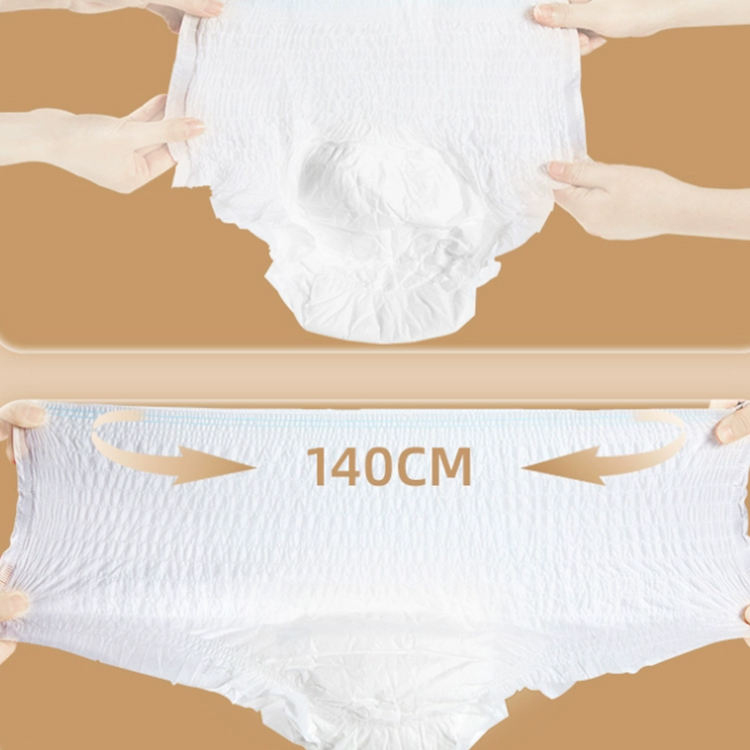
If the customer has light drips, a thin pull-up may be enough. If the customer has actually duplicated complete gaps or overnight leakage, the core needs to endure volume, time, pressure, and activity. That is why buyers should compare formats truthfully: incontinence underwear for mobile light-to-moderate customers, tab-style briefs for heavy or assisted treatment, and booster pads for grown-up baby diapers when longer put on time is inevitable.
Yet boosters are not magic either. A booster pad can add absorbency just if the base short still fits and the fluid can go through correctly. If the original grown-up baby diaper currently has bad leg fit or a broken core, adding bulk may make the leak worse.
The Sector’s Uneasy Secret: “A Lot More SAP” Is Usually Careless Design
I will certainly say the quiet component directly: some distributors use high SAP language as a faster way because it appears technical to customers who do not examine the core.
Yes, SAP matters. Sodium polyacrylate-based SAP is the workhorse of contemporary non reusable health. The repeating system is frequently represented as C3H3NaO2, and its work is to take in and maintain liquid with swelling. But the genuine test is not whether SAP exists. Certainly it exists. The question is whether it is dispersed, stabilized, and safeguarded from ending up being a gel-blocked lump.
Reuters reported that the grown-up diaper, non reusable undergarments, and absorptive pad market had actually gotten to concerning $9 billion and was growing quick, driven by aging populaces and persistent stigma. That development draws in severe producers. It also brings in careless ones.
The careless ones market density. The much better ones sell efficiency information.
When I evaluate grown-up diaper specs, I wish to see screening language around complete absorbency, procurement speed, rewet, retention under load, core honesty after compression, SAP circulation, damp density, and fit security. I also desire real samples checked after storehouse storage space, not just fresh samples from the assembly line.
For even more context on leak auto mechanics, the associated guide on typical reasons for grown-up diaper leakage is worth connecting from this article because it sustains the very same debate: leakages are frequently mechanical prior to they are absorbent.
Exactly How to Check Anti-Clumping Grownup Diapers Before Acquiring in Bulk
Do not trust the completely dry hand-feel. Test the damp product.
Right here is the basic field procedure I would utilize prior to positioning a huge OEM, ODM, institutional, or supplier order.
Run a 0.9% Saline Intake Examination
Use 0.9% saline because it better mimics pee than plain water. Pour in controlled dosages, such as 100 ml, 200 ml, and 300 ml, depending upon the item size and target usage. Watch whether the liquid vanishes quickly or rests on the topsheet.
A slow-moving pool is a warning.
Cut the Diaper Open After Wetting
This sounds crude. Do it anyway.
After moistening and waiting, reduce the short open and examine the adult baby diaper absorbing core. Seek SAP piles, completely dry islands, broken channels, and fell down fluff. If the core appears like a wet landslide, the individual will certainly feel that failing prior to your spreadsheet does.
Press It Like a Real Body Would Certainly
Put stress on the wet product. An individual sits. A user turns. A caretaker fastens tabs. A bedbound individual side-sleeps. If the wet core divides under pressure, the item is not prepared for heavy incontinence.
Test After Product Packaging Compression
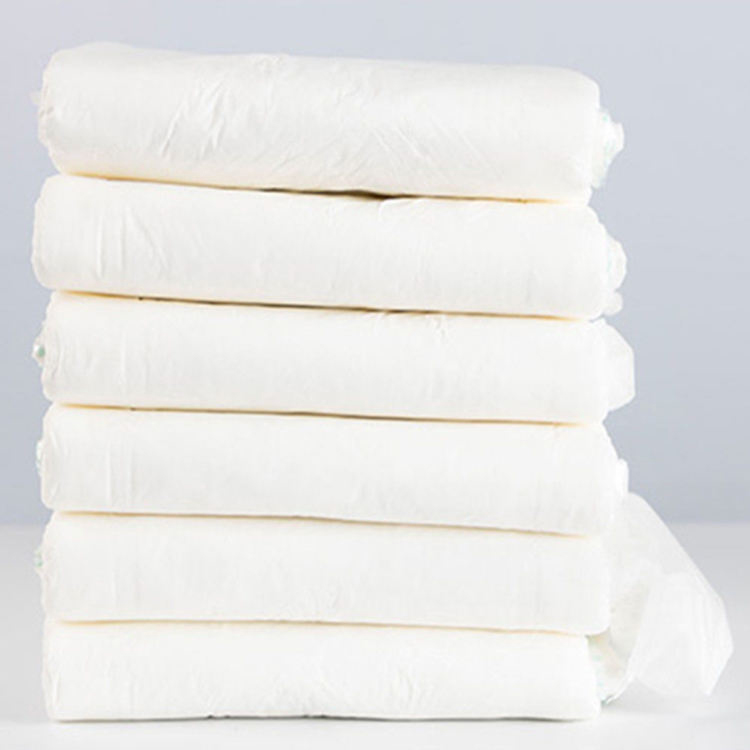
This step is skipped too often. Diapers are compressed for delivery, warehousing, and shelf effectiveness. That pressure can harm weak cores prior to usage. Open up a bag after storage, unfold the item, and examine whether the core recoups uniformly or stays creased and tight.
Contrast Against Usage Instance, Not Ego
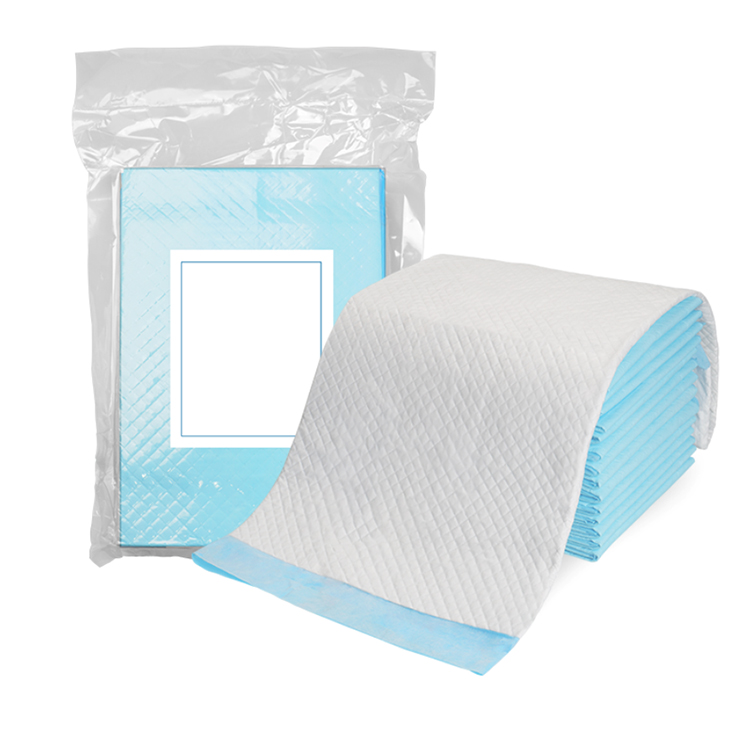
For independent customers, pull-up style may be a lot more acceptable. For heavy overnight or caregiver-assisted treatment, briefs with tabs usually use far better change. For bed defense, underpads are not an embarrassment; they are a second line of defense. The article on how leakage guards, leg cuffs, and midsection style lower side leak fits normally below because side leakage usually reveals core troubles that absorbency asserts conceal.
What Strong Core Design Looks Like in a Better Adult Baby Diaper
A better high absorbency adult baby diaper does not need to look like a bed mattress. As a matter of fact, several of the worst products look thick because the maker is compensating for poor framework.
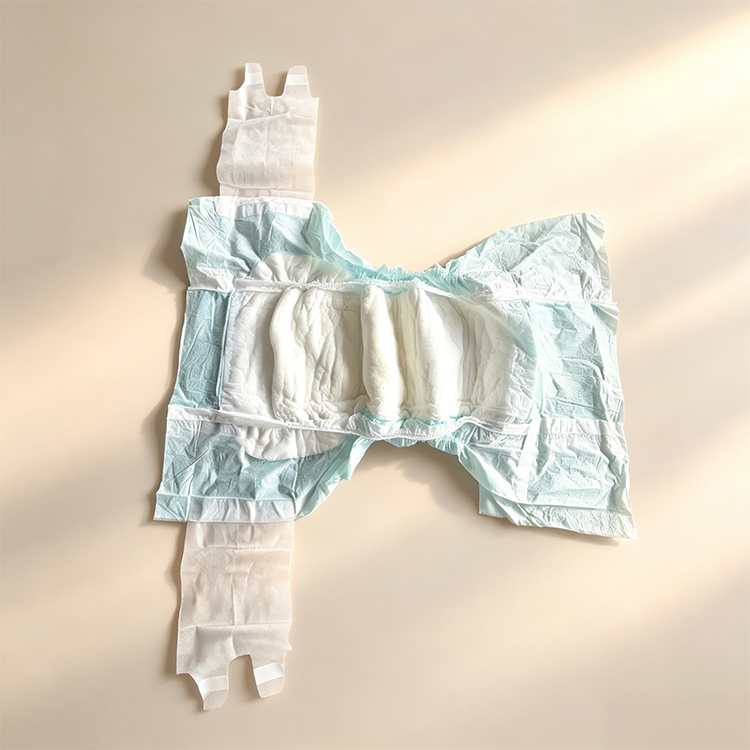
A secure grown-up diaper core need to really feel even when completely dry, open without difficult folds, take in quickly at the strike zone, spread liquid lengthwise, resist damp bunching, and stay flat after resting. The leg cuffs must stay upright. The backsheet must not trap extreme warmth. The moisture indicator ought to help caregivers avoid unnecessary checks. The tabs need to refasten without tearing the framework.
And the core should not become oatmeal.
That is my blunt test. If the core seems like oatmeal after one heavy wetting, it is not a severe heavy-incontinence product.
Purchasers ought to likewise read the website’s material-focused support post, Just How Material Changes Impact Grownup Baby Diaper Efficiency, because little modifications in topsheet, SAP, fluff pulp, backsheet, glue, or tabs can quietly transform the entire user experience.
Frequently asked questions
Exactly how do high-absorbency grown-up diapers stop core damage?
High-absorbency grown-up diapers prevent core breakage by incorporating stable fluff pulp, equally dispersed SAP, secure core wrapping, controlled bonding, and quick acquisition layers that maintain fluid moving via the absorptive network without allowing damp product split, lot, or move under body pressure. In method, that indicates the diaper has to be evaluated damp, pressed, and worn in reasonable settings, not judged just by dry density.
What triggers grown-up baby diaper clumping after moistening?
Grown-up diaper clumping after moistening is brought on by uneven SAP swelling, weak fluff pulp structure, inadequate core bonding, excessive product packaging compression, sluggish fluid circulation, or heavy stress from resting and relaxing that pushes absorbing product right into thick damp masses. Once clumping begins, the core loses form, creates awkward ridges, and may leave various other locations under-protected.
Are SAP absorbent core diapers far better than fluff-only baby diapers?
SAP absorbent core baby diapers are normally better for hefty incontinence because SAP secures extra liquid right into gel than fluff pulp alone, however performance depends upon the SAP-to-fluff equilibrium, procurement speed, particle distribution, and retention under load. A severely created SAP core can still leakage, clump, or gel-block if fluid can stagnate via it fast sufficient.
What are the most effective grown-up diapers that do not glob?
The best adult diapers that do not glob are items with even absorbent-core formation, top notch fluff pulp, managed SAP positioning, strong yet flexible core covering, low rewet, quick intake layers, and steady fit around the legs and waist. Purchasers need to request wet-core security tests and compare examples after sitting, walking, side resting, and packaging compression.
Can booster pads prevent core breakage in grown-up diapers?
Booster pads do not stop core damage inside the base grown-up diaper, however they can lower overload when they are flow-through pads utilized correctly with a well-fitting brief that still has stable cuffs and enough core integrity. If the initial diaper already globs, sags, or voids at the legs, including a booster may increase mass and get worse leakage.
Final Thoughts: Stop Acquiring Grownup Diapers Like They Are Bags of Extra padding
High absorbency adult baby diapers protect against clumping and core breakage through engineering, not wishful thinking. SAP has to be placed appropriately. Fluff pulp needs to hold structure. The procurement layer has to relocate liquid quick. The core wrap has to endure wet pressure. The entire product needs to fit the body in motion.
So here is the action I would take next: examine your current grown-up diaper samples by reducing them open after moistening, inspecting core circulation, screening rewet under stress, and comparing efficiency across standing, seated, side-sleeping, and caregiver-assisted use. Then construct your purchasing choice around core security, not dry density.