Choosing Underpads & Cleansing Products (Unisex Support): what actually works in care settings
If you supply a nursing home, home-care service, hospital ward, or your own private-label store, you’ve seen this movie: one leak turns into a bed reset, extra linen, skin flare-ups, and a stressed night shift. It’s not “just a mess.” It’s workflow pain.
My argument is simple: treat Underpads + cleansing products as one unisex support system, not random accessories. When you spec them like a system, you cut leak incidents, protect skin, and keep staff from doing the same job twice. LOVINHUG talks about this combo as practical support gear, not fancy add-ons.
Quick buyer map: pain → spec keywords → what to stock
Buyer pain
What usually breaks
Spec keywords (use in RFQ / tender)
What to stock
Evidence source (no external links)
Bed/chair gets soaked
Strike-through, poor liquid spread
waterproof backing, quilted top, fast distribution, absorbency tiers
Adult-Diaper wipes positioning + common skin-care protocols
Brand growth (B2B)
Slow sampling, shaky compliance docs
OEM/ODM, ISO & FDA, flexible MOQ, bulk delivery
A factory partner that can scale
Adult-Diaper SEO & company positioning
1) Underpads isn’t optional, it’s the second line of defense
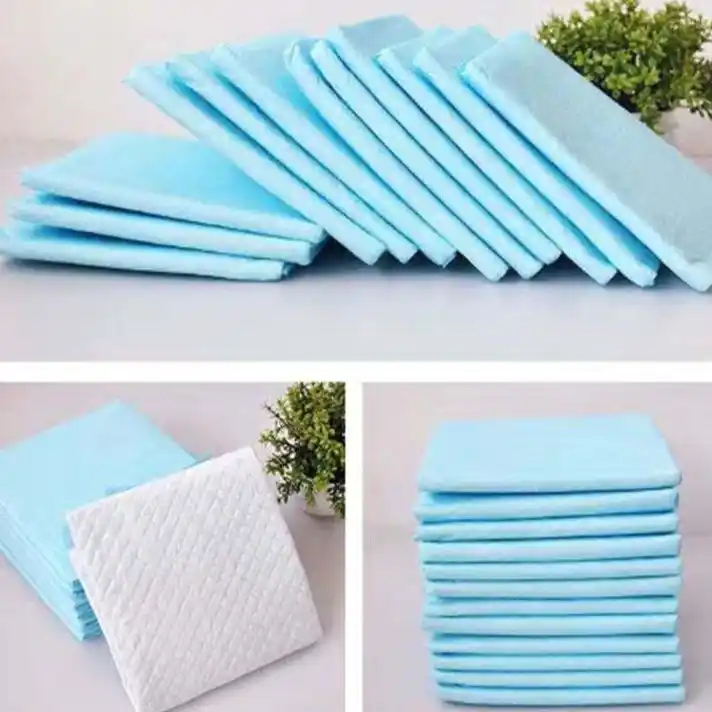
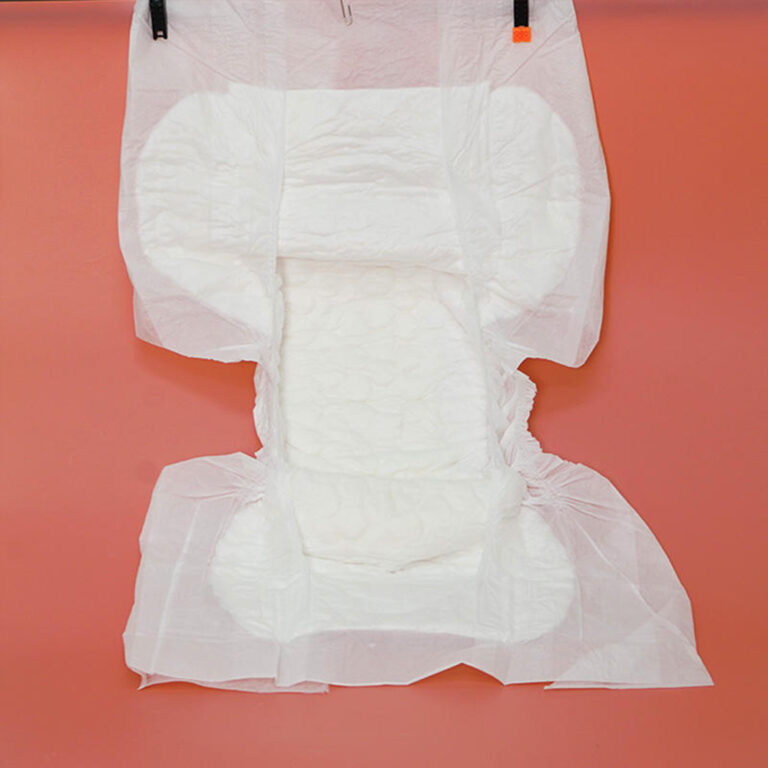
Underpads protect the surface under the person. That’s the job. When a brief leaks during a change, an underpad can turn a disaster into a quick swap. Less linen. Less time. Less grumpy staff.
Scene you’ll recognize: wheelchair transfer + cough + sudden leak. Without a pad, you’re wiping the chair, the floor, and maybe the patient’s clothes too. With a pad, you contain it and move on.
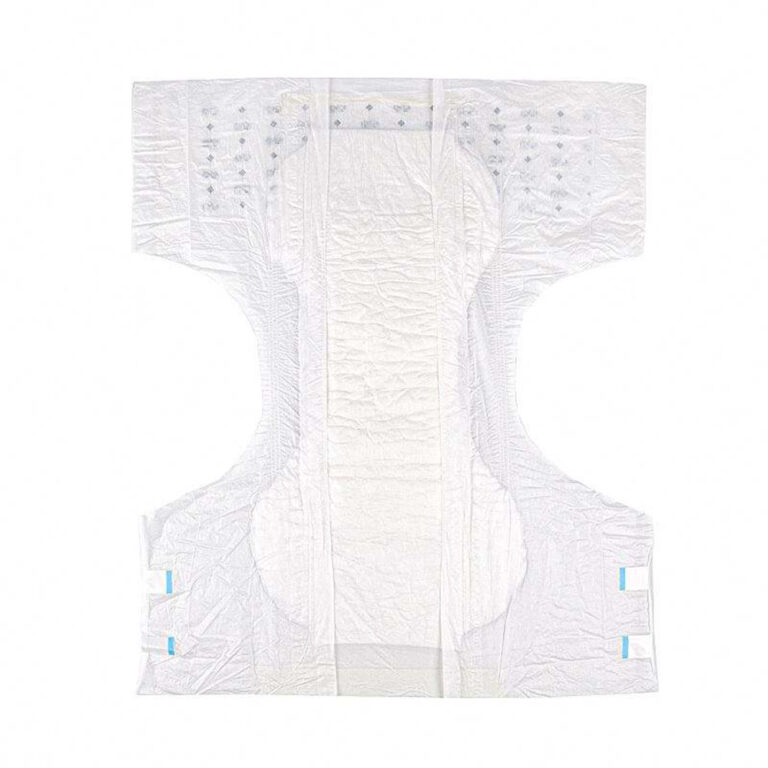
For OEM/ODM buyers building a full line, underpads usually sit beside diapers and wipes in the catalog for a reason.
2) Choose Underpads by “where it sits” first, then “how much it holds”
Don’t start with absorbency. Start with placement.
Bed pad: needs stable coverage and a backing that blocks seepage.
Chair / wheelchair pad: needs better anti-slip feel and the right size so it doesn’t bunch up.
Exam table pad: quick setup, clean removal, no fuss.
When you match the pad to the surface, you reduce “pad drift” and edge leakage. That saves time in real shifts, not in brochures.
3) Construction details decide if staff keeps redoing the job
This is where buyers win or lose.
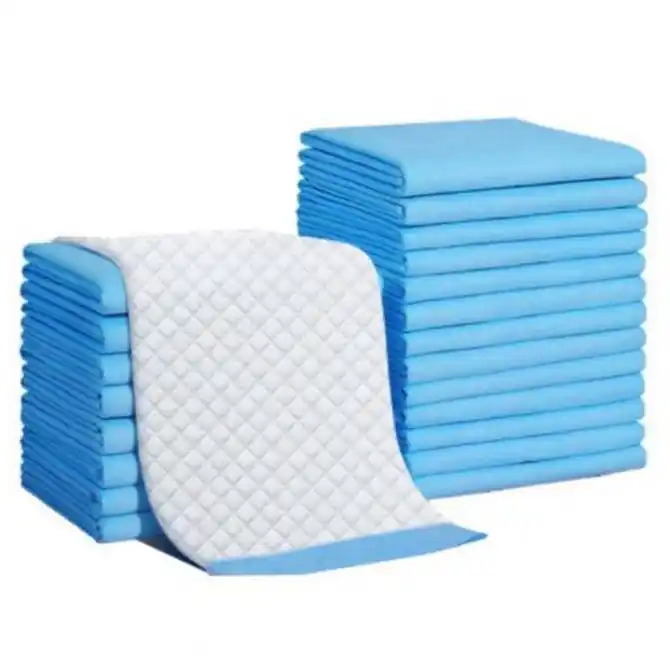
Underpads construction keywords
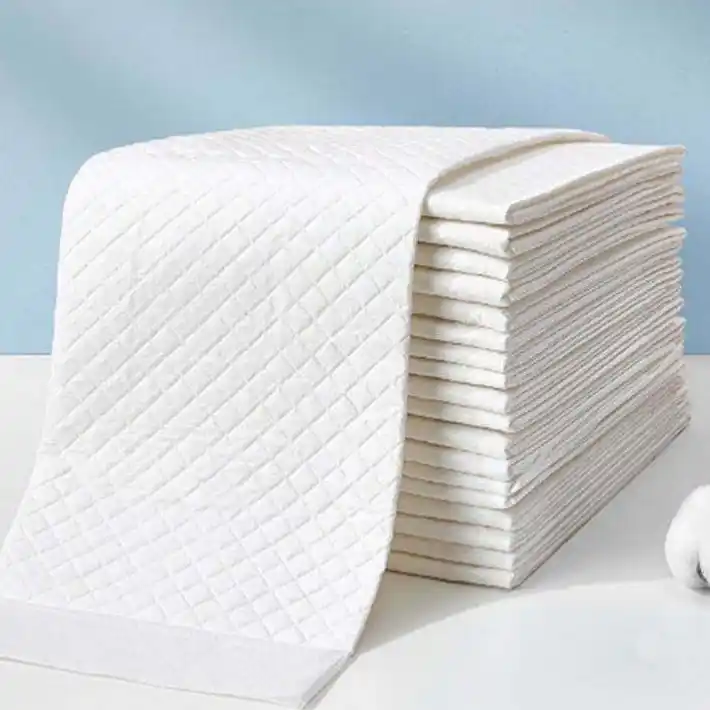
Soft top layer (less friction)
Quilted / embossed surface (spreads liquid instead of pooling)
Absorbent core (locks fluid)
Waterproof backing (blocks strike-through)
If any one of these is weak, you get rewet. Then staff changes it early “just to be safe,” and your consumption goes wild.
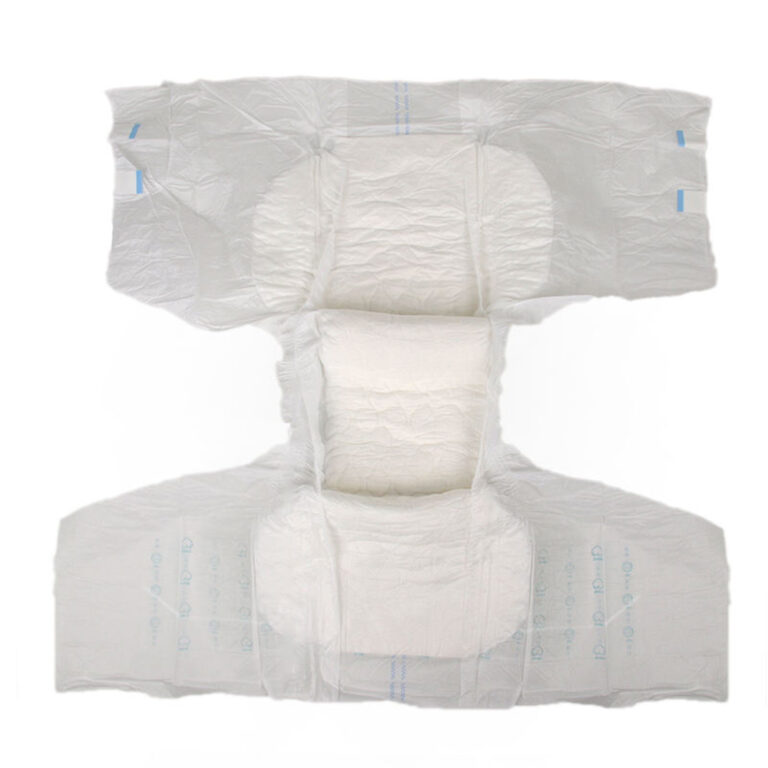
4) Booster Pads work best with flow-through channels, not a waterproof backsheet
This is a classic mistake: people stack a waterproof layer inside a diaper and think it adds protection. It can do the opposite.
A booster should help absorb fast, then pass excess into the main diaper. If it blocks flow, you get side leaks and wet skin. Not great.
Night scene: resident sleeps deep, hates being woke up. A thin booster inside the main brief can extend wear time and reduce disruptions. That’s a win for comfort and staffing.
6) No-rinse cleansing and barrier thinking beats soap-and-water in many facilities
Soap-and-water sounds “proper,” but it’s slow and it adds towel friction. In real wards, that friction becomes redness. Also, people rush. They don’t dry fully. Then moisture sits under the product. Boom—skin trouble.
No-rinse wipes and cleanser routines often win because they’re fast and consistent. Not magic. Just practical.
(Yeah, it ain’t glamorous. But it works more often than the “ideal” method nobody has time to do.)
7) Incontinence-Associated Dermatitis (IAD) is the keyword you should actually use
If you want credibility with clinical buyers, say the right term: Incontinence-Associated Dermatitis (IAD).
Then explain it like a human:
moisture stays on skin
irritants sit there
friction adds damage
skin breaks down
Underpads help by keeping surfaces drier. Wipes help by cleaning without harsh rubbing. Better fit reduces leak paths.
If you also sell pads and underwear, this matters a lot:
8) Odor control isn’t fragrance, it’s moisture control + materials + timing
If families complain about smell, it’s usually not because the room needs perfume. It’s because wetness sits too long, or rewet happens, or cleanup is incomplete.
Odor control keywords buyers understand
“rewet reduction”
“fast lock-in”
“dry surface feel”
“change rhythm”
LOVINHUG frames odor control as a care outcome issue, not just a marketing line. That’s the right angle.
9) Night care overload: reduce checks without gambling on skin
Night shift hates two things: waking residents for nothing, and finding a wet bed too late.
A smart setup is boring:
Underpad on the bed (surface protection)
Booster inside the brief (capacity support)
Wipes ready at point-of-use (fast cleanup)
This combo reduces “unplanned full resets.” Staff will call it “less running around.” That’s the real KPI.
10) OEM/ODM buyers: procurement and inventory need clear keywords, not fluffy promises
If you’re a distributor, importer, nursing chain, or an ecom private label, you don’t just need products. You need a supply plan that doesn’t fall apart.
Use buyer language that matches how facilities purchase:
“SKU rationalization” (cut confusion, keep tiers)
“point-of-use stocking” (near the bed, not across the hall)
“incident reduction” (leaks, bed resets, skin events)
“compliance packet” (ISO/FDA docs ready)
Adult-Diaper positions itself as Professional Adult Diapers Manufacturer (OEM/ODM) with ISO & FDA claims, flexible MOQ, and fast delivery windows—that’s the kind of wording B2B buyers look for when they shortlist factories.
If you’re building a full line, these pages matter: