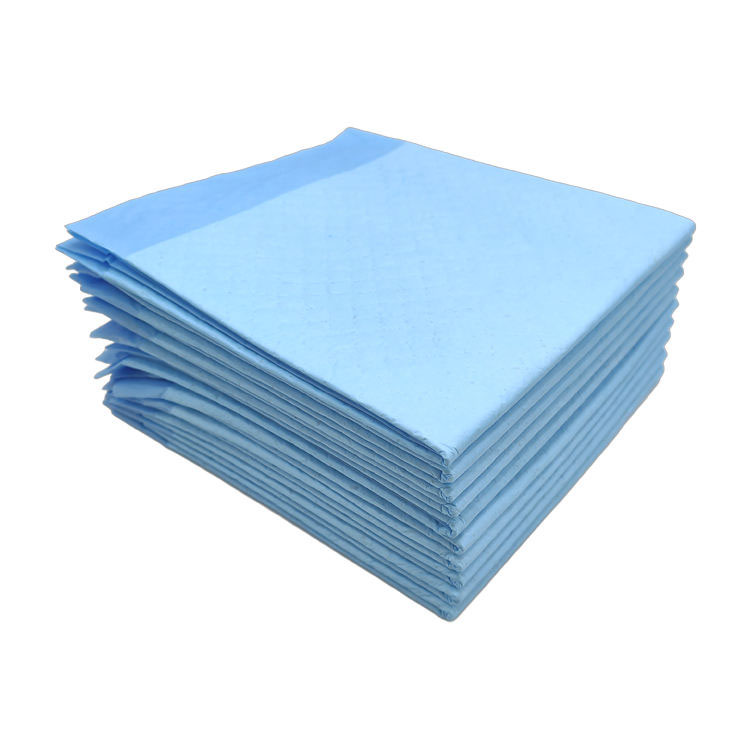
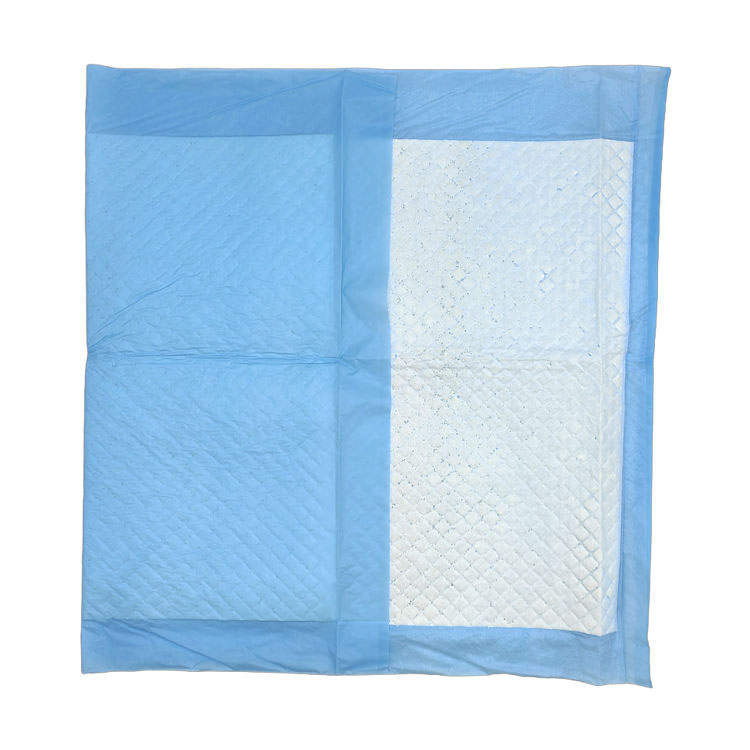
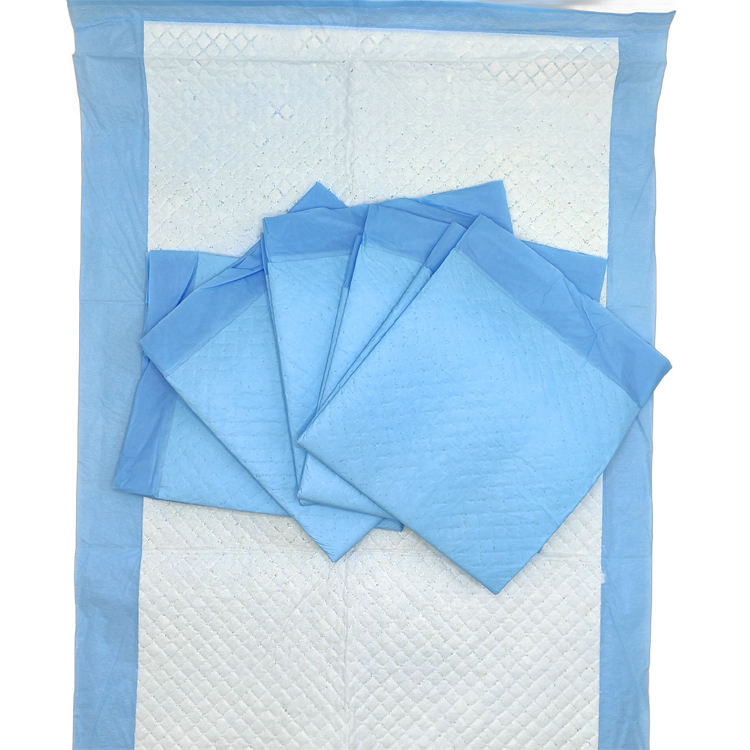
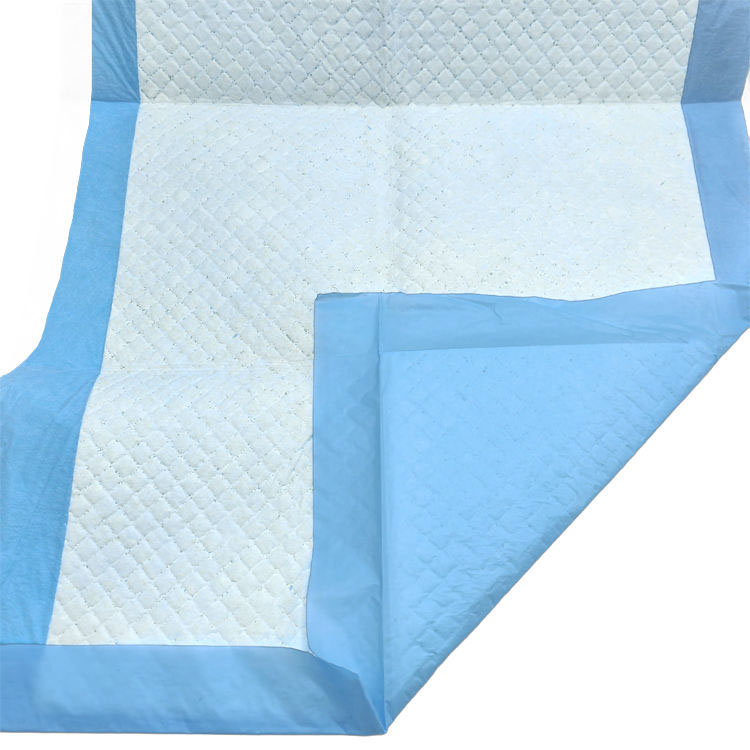
Buyers get fooled. I have watched procurement teams argue for an hour about absorbency grams and then sign off on a vague backsheet line, even though the backsheet is the part that decides whether the pad feels sweaty, sounds cheap, stays put on a chair, survives repeated washing, and passes a compliance review without drama. Why do smart teams keep treating the leak barrier like filler text?
Table of Contents
Most buyers start with the wrong question
Start here. The wrong question is, “Which backsheet is cheapest per unit?” The right one is, “Which backsheet still works after eight hours of lying, two turns, one lateral transfer, a damp room, fragile skin, and an annoyed caregiver who will blame the pad before blaming the care routine?” That is the real test.
On Adult Diaper’s underpads hub, the structure is already stated plainly: soft topsheet, absorbent core, waterproof backing, then fit the build to the care setting. Their disposable underpads for adults page gets more specific and lists PE or cloth-like backsheets for disposable pads, while the reusable underpads for beds and chairs product route points buyers toward waterproof reusable constructions. If I were training a junior buyer, I would make them read the underpad OEM spec guide before they touched an RFQ, because it treats backing, use case, and pack logic as real specification lines rather than brochure fluff.
And here is the hard truth. If your resident sits for long periods, if your user has fragile skin, or if your channel is retail and home care rather than high-speed institutional turnover, the cheapest waterproof film is often the most expensive choice once complaints, returns, linen rewashes, and skin issues start showing up. Is saving a few cents still “smart buying” when the complaint rate eats the margin?
What each underpad backsheet material actually does
Names matter. “Waterproof” is not a material, and buyers who accept that word by itself are practically inviting substitutions, because PE film, cloth-like PE laminate, PVC, PU, and TPU can all be sold as waterproof while behaving very differently in noise, feel, microclimate, grip, and wash durability. So what are you really buying?
A 2023 review of waterproof-breathable membranes makes the basic physics simple: good barrier materials block liquid water yet allow water vapor transfer, which helps shape the microclimate next to the body. That principle is exactly why breathable outer layers sell better in wear products and why the same logic matters for underpads used under a person for long dwell periods, especially in bed and chair care. Review of Waterproof Breathable Membranes
Backsheet material
Typical construction
Breathability
Hand-feel and noise
Slip / surface behavior
Where I would use it
Where I would avoid it
PE film
Polyethylene film only
Low
Plastic feel, louder
Can shift more on fabric surfaces
High-volume disposable institutional pads, fast-change routines, tender business
Long-dwell home care, premium retail, skin-sensitive users
Cloth-like PE laminate
PE film laminated with nonwoven outer layer
Medium
Softer, quieter, less “hospital plastic” feel
Usually better perceived comfort
Premium disposable lines, home care, pharmacy, e-commerce
Ultra-low-cost tenders where every cent is squeezed
Premium reusable underpads, long-dwell users, retail/home care
Basic institutional price wars
My rule is blunt. If the product is disposable and price-led, plain PE film still has a place; if the product is disposable but user comfort matters, cloth-like laminate usually wins; if the product is reusable, PVC is the rough-duty budget answer and PU or TPU is the answer you pick when you expect the user to stay on the pad, not just touch it and move on. Anything else is mostly sales theater.
The skin argument is not marketing fluff
Skin pays first. A 2024 feasibility trial protocol on incontinence-associated dermatitis said the quiet part out loud: IAD is caused by prolonged and repeated exposure of skin to urine or feces, and when it is not prevented or treated, it can lead to secondary infections, higher pressure-ulcer risk, morbidity, pain, and more dependence on carers. That is why “breathable underpad backsheet” is not just a nice phrase for SEO; it is a procurement variable tied to skin burden.
The usage burden is not small. A 2024 multicentre nursing-home study found that 76.5% of older adults in the sample had some type of urinary loss, and only 46% received behavioural interventions designed to prevent or actively manage urinary incontinence. In plain English, product choice is not a side issue; it becomes part of the care system because the care system is often incomplete.
And this is where I get opinionated. People love pretending that skincare products alone will rescue a bad materials decision, but a sweaty, non-breathable pad under a bedbound or chair-bound adult is not a neutral platform, and a 2023 ICU review plus five applied case studies concluded that personalized prevention and care measures can improve outcomes for older patients with IAD. The product is not the whole answer, but it is absolutely part of the answer.
The compliance trap buyers notice too late
Chemistry matters. I do not think enough buyers ask what is in a “miracle breathable film,” which is strange, because regulators and plaintiffs’ lawyers have already made materials transparency a cost issue rather than an academic issue. Would you rather ask those questions now or after the first audit email lands?
Reuters reported in July 2024 that the EPA’s PFAS reporting rule, published on October 11, 2023 and effective November 13, 2023, reaches manufacturers and importers of PFAS for commercial uses, including articles containing PFAS, with potential civil fines of up to $48,512 per day for noncompliance. That does not mean every underpad backsheet has a PFAS problem. It means the old “don’t ask, don’t document” habit is getting more expensive.
This is why I like linking buyers to evidence pages instead of soft promises. Adult Diaper’s adult diaper test reports and certifications page references ISO 13485-aligned documentation, EN 13799:2019 absorption verification, and REACH/SVHC declaration support, while the OEM/ODM services page frames incoming-material inspection and repeat-order consistency as part of the workflow. That is not the same as proof for every SKU, obviously, but it is the right direction for a buyer who wants supplier paperwork to match supplier talk.
How I would choose underpad backsheet materials by channel
Context decides. The same backsheet that works for a fast-turn hospital exam-table pad can be the wrong choice for an overnight home-care bed pad, because the real fight is not only leakage, it is heat, feel, friction, surface stability, noise, washing method, and how much user tolerance the channel actually has. So how would I buy?
For low-cost disposable institutional pads
Use PE film. I would choose a poly backsheet underpad built on straightforward polyethylene film when the job is simple barrier performance, high throughput, and aggressive cost control, especially for tenders, short dwell windows, and facilities that change pads fast rather than asking one pad to feel nice for hours. Just do not oversell it as premium.
For premium disposable home-care or pharmacy lines
Use cloth-like laminate. I think the disposable underpads for adults route on the site points to the right upgrade path when it mentions cloth-like options, because the softer outer touch, lower noise, and better perceived comfort matter in home bedrooms and retail settings where the buyer is judging the product with hands and ears, not just with a procurement matrix. That user notices everything.
For reusable programs under real long-dwell use
Use PU or TPU first, PVC second. Adult Diaper’s reusable pages show waterproof reusable builds, and the washable version surfaced in site results lists PVC, PU, or TPU backing options for reusable underpads, which is exactly the range I would expect in market. My take is simple: PU and TPU are the better answer for premium reusable lines, while vinyl backing underpad products still make sense when price and toughness beat elegance.
For wheelchairs and chair pads
Stop chasing thickness. I would rather have a correctly grippy, dimensionally stable backsheet with decent absorbency than a thick pad that slides, bunches, or curls at the corners, because slippage is one of those failures that buyers underweight until the first caregiver says the pad “won’t stay where we put it.” That complaint comes fast.
The short list I would put in every RFQ
Write this down. Most supplier disputes begin because buyers describe the backsheet with a marketing adjective instead of a build definition, then act surprised when the samples look “close enough” but perform differently in use, on laundry, or under a hot sleeper. Why leave room for guessing?
I would lock these lines into every RFQ:
Material name: PE film, cloth-like PE laminate, PVC, PU, or TPU
Disposable or reusable program
Target setting: hospital, nursing home, home care, wheelchair, chair, exam table
Dwell time: short change cycle, daytime, overnight, long sit
Skin sensitivity target: standard or fragile-skin program
That is not overengineering. That is basic adult business.
FAQs
What is the best backsheet material for underpads?
The best underpad backsheet material is the one that matches dwell time, skin sensitivity, change frequency, wash needs, and price target: cloth-like breathable laminate for premium disposable care, plain PE film for value institutional turnover, and PU or TPU waterproof backing for reusable pads that need comfort and laundry durability.
If I had to reduce it to one buying rule, it would be this: buy PE when turnover is fast and budgets are hard, buy cloth-like when comfort and user acceptance matter, and buy PU or TPU when the pad will be washed and used again. “Best” without context is lazy buying.
Are breathable underpad backsheets worth the extra cost?
A breathable underpad backsheet is a waterproof outer layer engineered to block liquid strike-through while allowing water vapor to escape, and it usually earns its extra cost when the user lies or sits on the pad for long periods, has fragile skin, or rejects noisy plastic-feel products.
I would not pay extra for breathability on every SKU. I would pay for it where heat build-up, sweating, friction, and user comfort actually affect outcomes, which usually means overnight, long-sit, home-care, pharmacy, and premium retail programs.
What is a poly backsheet underpad?
A poly backsheet underpad is a disposable pad that uses polyethylene, usually PE film alone or PE laminated to nonwoven fabric, as the leak barrier; it is low cost, reliable against strike-through, easy to convert at scale, and widely used in hospitals, nursing homes, clinics, and tender-driven supply programs.
The split inside that category matters more than most buyers admit. Plain PE film is the budget tool. PE laminated to a cloth-like outer layer is the softer, quieter, more retail-friendly version. Same polymer family. Very different user impression.
Is a vinyl backing underpad still worth buying?
A vinyl backing underpad is a reusable pad that uses PVC as the waterproof barrier, giving strong liquid blocking and rugged durability at a low price, but it usually feels stiffer, breathes worse, and raises more buyer questions around chemicals, odor, and long-wear comfort than PU or TPU.
So yes, vinyl still has a place. I would keep it in low-price reusable programs, rough-duty chair pads, and channels where buyers care more about durability and price than softness. I would not position it as the smart premium choice in 2026.
How should buyers write the backsheet line in an OEM spec?
A proper underpad backsheet specification is a written build definition that names the material family, construction type, use setting, comfort target, and compliance expectations so the factory cannot substitute a cheaper barrier and still claim the product is functionally the same.
That is why the site’s underpad OEM spec guide is a useful internal link in this article. It pushes buyers toward measurable build language, which is exactly what reduces “sample was good, bulk was different” fights.
Your Next Step
Do the audit. Take your current underpad range and mark every SKU against three things at once: user dwell time, complaint history, and actual backsheet construction, because most catalogs look diversified while hiding the fact that several SKUs are basically the same pad with different pack counts and different storytelling. That is where margin leaks.
That is how I would sell it. Not as “waterproof protection,” because everybody says that, but as a materials decision that changes comfort, skin risk, compliance exposure, and complaint rates before the first container even lands.