Daytime, Overnight, and Heavy-Care Adult Diapers: What’s the Difference?
The Hard Truth: “Adult Diapers” Is Too Broad to Be Useful
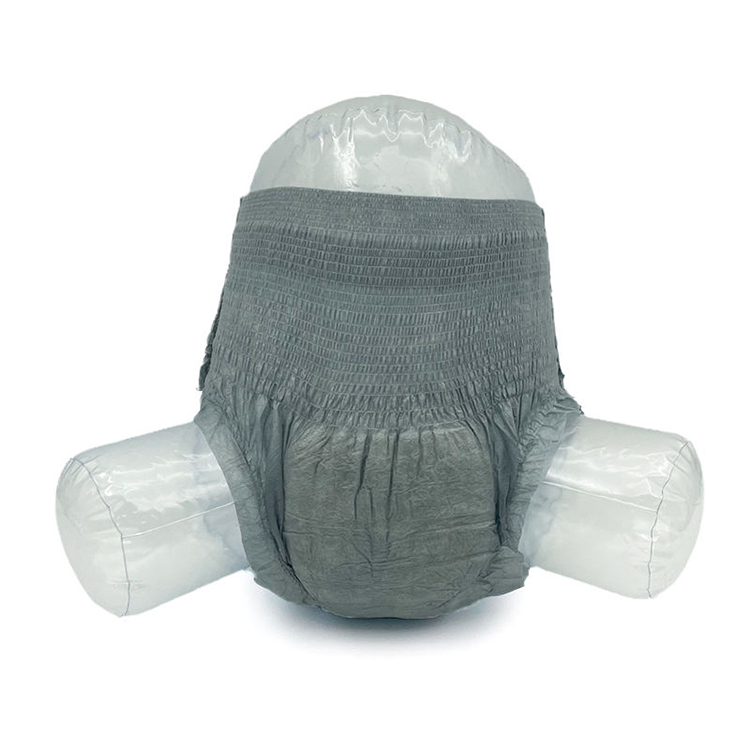
Adult diapers are disposable absorbent garments designed for adults managing urinary or bowel incontinence, but the category only becomes useful when you separate products by wear time, mobility, leakage severity, caregiver involvement, and skin-risk profile. A daytime pull-up, an overnight brief, and a heavy-care tab-style diaper are not interchangeable products.
Here’s the problem.
Most buyers still talk about adult diapers as if the only question is “How much can it absorb?” That is lazy buying, and in my view, it is one of the fastest ways to create returns, complaints, skin irritation, and embarrassing leakage incidents.
The real question is sharper: What job is this diaper being asked to do?
A daytime adult diaper is usually built for mobility, discretion, and shorter wear. An overnight adult diaper is built for longer lying-down use, higher urine volume, and back/side leakage control. A heavy-care adult diaper is built for people with severe incontinence, limited mobility, caregiver changes, bowel leakage risk, or institutional care needs.
And yes, this matters commercially. The CDC/NCHS report on incontinence among older Americans used data from NHANES, residential care facilities, home health, hospice, and nursing home records; its dataset included more than 2.4 million nursing home residents in the MDS sample, which tells us this is not a niche “comfort product” category—it is a mass care infrastructure category.
Table of Contents
Daytime Adult Diapers: Built for Movement, Not Marathon Wear
Daytime adult diapers are designed for active or semi-active users who need moderate absorbency, lower bulk, and a more discreet fit during normal daytime routines.
That sounds simple. But the details are where brands get burned.
Daytime products usually compete on thinness, softness, noise control, breathable backsheet materials, and fast acquisition speed. In plain language: the user wants to walk, sit, shop, work, travel, or attend appointments without feeling like they are wearing medical equipment.
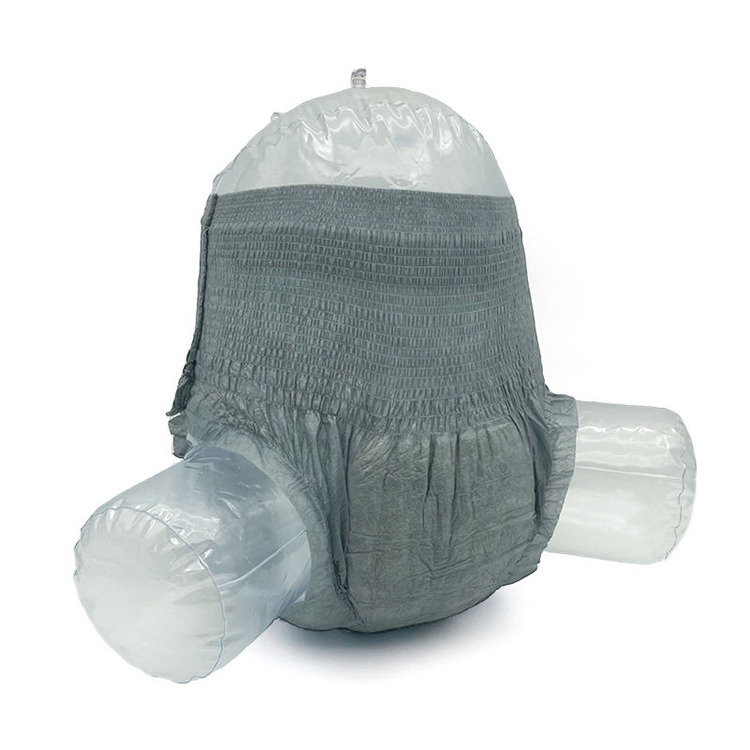
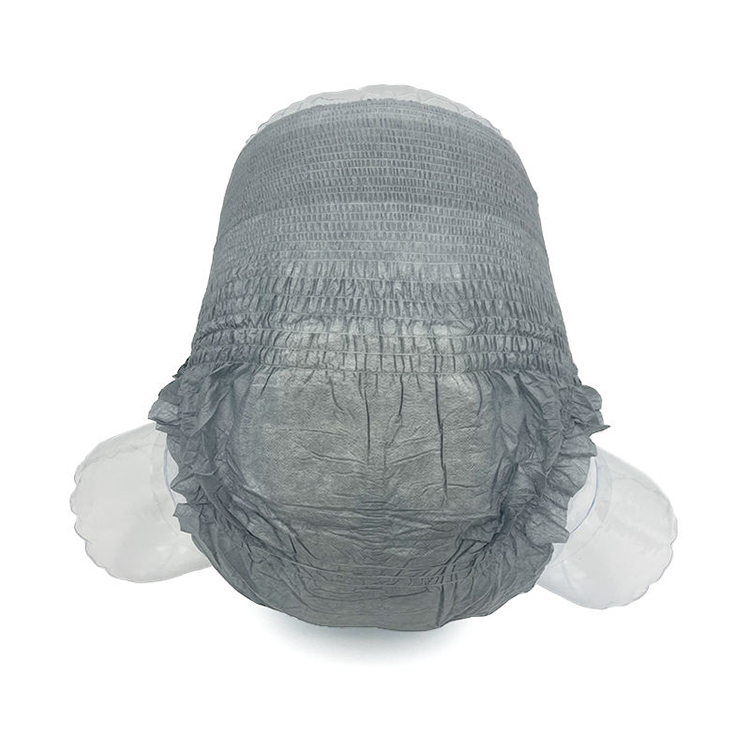
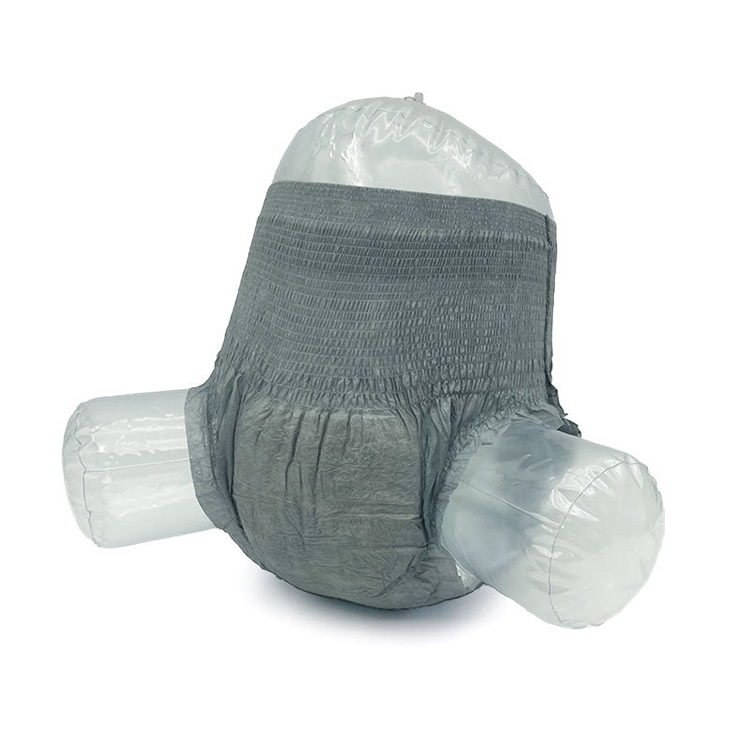
This is where incontinence underwear for active adults often makes more sense than a bulky brief. Pull-up underwear gives a more familiar wearing experience, especially for users who can stand, walk, and change independently. It looks less clinical. It also supports retail positioning better because customers are often self-purchasing, not being changed by a caregiver.
But there is a catch.
Daytime pull-ups are often oversold. If a buyer expects them to handle repeated full voids, bowel leakage, overnight use, or a wheelchair user leaning back for hours, they are asking the wrong product to do the wrong job. That is not a product failure. That is a category mistake.
What Daytime Adult Diapers Usually Prioritize
Feature
Daytime Adult Diapers
Why It Matters
Wear time
Short to medium daytime use
Reduces bulk and heat buildup
Absorbency
Light to moderate, sometimes moderate-heavy
Better for controlled bladder leaks
Fit style
Pull-up underwear or slim brief
Supports independence and discretion
Leakage protection
Moderate leg cuffs and absorbent core
Enough for daytime movement, not always enough for lying down
Best user profile
Mobile adults, self-changing users, retail buyers
Lower stigma, easier repeat purchase
Main risk
Under-protection if used overnight
Complaints usually show up as side leaks or saturation
I have seen buyers chase “ultra-thin” daytime adult diapers because the shelf pack looks elegant. Then the product fails in home-care use because the user is not mildly incontinent; they are moderate-to-heavy with limited mobility. Thin is not strategy. Thin is just thin.
Overnight Adult Diapers: The Leak Happens When Gravity Changes
Overnight adult diapers are high-absorbency products designed for longer wear while the user is lying down, with stronger attention to back leakage, side leakage, wetness distribution, and skin dryness.
Night use is brutal.
During the day, gravity pulls liquid down into the lower absorbent zone. At night, the user turns, lies on one side, stays on their back, or remains in one position for six to eight hours. Liquid does not politely stay where the marketing diagram says it will stay. It migrates.
So an overnight diaper needs more than “extra SAP.” It needs a core that can acquire fluid quickly, distribute it away from the skin, and keep working when body pressure compresses the pad. It also needs leak guards that still stand when the wearer moves in bed.
This is where adult diapers for moderate to heavy incontinence become more relevant than light daytime underwear. For buyers building an assortment, the overnight SKU should not be a slightly thicker daytime product. It should be engineered as a different use case.
And here is my strong opinion: if an overnight adult diaper does not have a clear claim around leg cuffs, back coverage, absorbent-core structure, and wetness indication, I would treat the absorbency claim as incomplete.
Why trust a number when the design story is missing?
Overnight Diapers Need a Different Failure Test
Most leakage complaints are not written like laboratory reports. Customers say things like “it leaked,” “the bed was wet,” or “not good for night.” But behind those complaints, the failure mode is usually one of five things:
The product reached capacity before morning.
Liquid pooled instead of spreading.
The leg cuff collapsed.
The waistband/backsheet allowed rear leakage.
The size was wrong, especially around thighs and hips.
For heavy night cases, booster pads for overnight or heavy output can help, but only if they are flow-through booster pads designed to pass excess fluid into the primary diaper. A non-flow-through insert can create the opposite result: it blocks absorption and causes leaks around the edge.
Heavy-Care Adult Diapers: This Is Care Work, Not Just Absorbency
Heavy-care adult diapers are high-absorbency briefs for severe urinary incontinence, bowel leakage, limited mobility, bedridden users, wheelchair users, long-term care settings, and caregiver-assisted changes.
This is the category where marketers should stop being cute.
A heavy-care diaper is not just “overnight plus.” It is a care tool. It has to work when the user cannot easily change themselves, when caregivers need fast checks, when stool containment may matter, when skin is fragile, and when one failed product can mean laundry, odor, infection risk, and family distress.
The U.S. regulatory definition is also worth knowing. Under 21 CFR § 876.5920, a protective garment for incontinence is defined as a device with absorbent padding and a fluid barrier intended to protect an incontinent patient’s garment from excreta; the rule also states that this generic type does not include infant diapers.
That wording is dry. But it matters.
It means adult incontinence products sit in a medical-adjacent world where claims, materials, testing, documentation, and intended use cannot be treated like ordinary lifestyle copy. The European Commission’s MDCG guidance page also reminds manufacturers that MDR/IVDR guidance documents are used to support practical application of medical-device rules, even though the guidance itself is not legally binding.
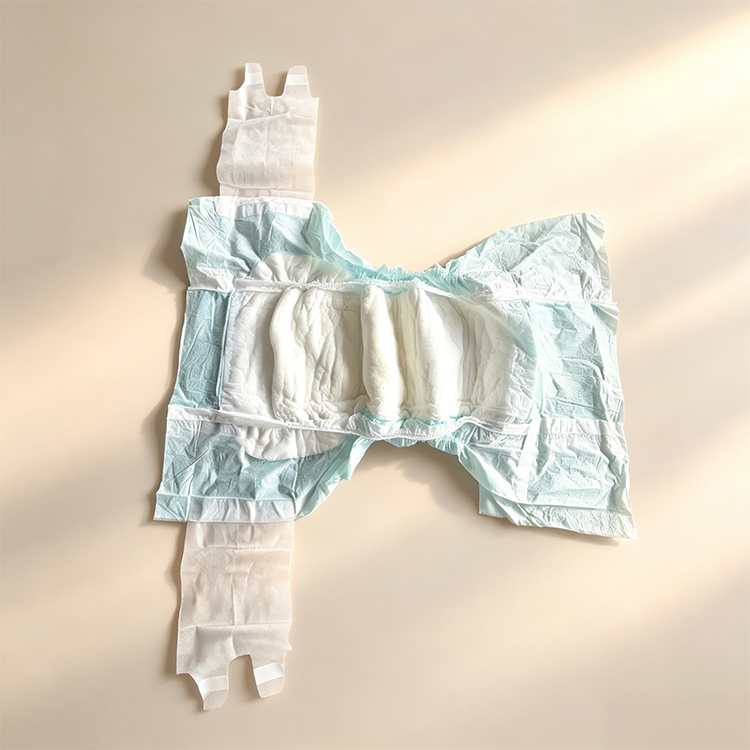
For heavy-care SKUs, adult diapers with tabs are usually the more practical format. Tabs allow changes while the user is standing, seated, or lying down. They let caregivers inspect and refasten. They also support a tighter custom fit around the waist and thighs.
Pull-ups look nicer. Tabs work harder.
The Comparison Nobody Should Skip
Category
Daytime Adult Diapers
Overnight Adult Diapers
Heavy-Care Adult Diapers
Primary use
Daily movement, errands, work, travel
Long sleep periods and lying-down use
Severe incontinence, caregiver care, long-term care
Typical format
Pull-up underwear or slim brief
High-absorbency pull-up or tab brief
Tab-style brief, high-capacity brief
Absorbency need
Light to moderate; sometimes moderate-heavy
Heavy to overnight
Heavy, super, overnight, or extended-care
Mobility profile
Active or semi-active users
Mobile or assisted users during sleep
Limited mobility, bedridden, wheelchair, institutional care
Nursing homes, hospitals, distributors, DME, home care
Common buyer mistake
Choosing too little absorbency
Treating “thicker” as enough
Ignoring caregiver workflow and skin risk
The Skin Issue Buyers Pretend Is Someone Else’s Problem
Skin damage is where cheap adult diapers become expensive.
Incontinence-associated dermatitis, or IAD, is irritation and inflammation caused by repeated exposure to urine, stool, moisture, friction, and cleansing routines. It is not just a red patch. It can become painful, persistent, and costly to manage.
A cross-sectional study on IAD in Australian acute care found that absorbent disposable briefs were the most common incontinence aid used among affected patients, reported at 80% in the sample described in the study abstract. That does not mean briefs cause IAD. It means absorbent product choice lives directly inside the skin-care conversation. See the PubMed-indexed study on incontinence-associated dermatitis in acute care.
The product must keep skin drier. The care routine must remove urine and stool gently. The change schedule must match output. And wipes matter more than some procurement teams admit.
For heavy-care users, pairing absorbent briefs with adult body wipes for incontinence care is not an upsell gimmick; it is basic system thinking. A diaper handles containment. A wipe handles cleaning. Barrier products handle protection. Ignore one part and the system weakens.
Retail Buyers Care About Shame. Care Institutions Care About Labor.
This is the insider split.
Retail adult diapers are often sold to people who still want independence, privacy, and dignity. Institutional adult diapers are sold into workflows: caregiver time, change frequency, laundry burden, storage space, case counts, palletization, documentation, and complaint reduction.
That difference changes the product brief.
A retail daytime product should feel quiet, soft, thin, and non-medical. A care-home heavy brief should be easy to apply, easy to inspect, consistent across lots, and forgiving when caregivers are tired or understaffed.
Japan gives us a useful market case study. Reuters reported in July 2024 that Daio Paper’s adult diaper revenue was already double its baby diaper revenue, while Japan’s adult diaper market was projected to grow 16% to ¥98.9 billion by 2027 as the baby diaper market was projected to shrink 8% to ¥84.6 billion.
That is not just demographic trivia. It is a warning.
Adult diapers are moving from a hidden aisle to a strategic category. Aging populations, lower birth rates, home-care growth, and higher expectations around dignity are pushing manufacturers to treat adult incontinence products with the same seriousness baby diapers received for decades.
What I Would Ask Before Approving an Adult Diaper SKU
Before approving daytime, overnight, or heavy-care adult diapers, I would ask blunt questions. Not pretty ones. Useful ones.
What is the intended wear time: 3 hours, 6 hours, 8 hours, or overnight? What is the target user: mobile, assisted, bedridden, wheelchair, male, female, unisex, bariatric? Is the product for urine only, bowel leakage, or both? Does the product use SAP, fluff pulp, acquisition-distribution layers, standing leak guards, wetness indicators, breathable film, cloth-like nonwoven, or odor-control materials? What testing supports the claim?
And for private-label buyers, I would ask one more: can the supplier keep the same absorbency, fit, packaging, carton marks, and QC standard on repeat orders?
For brands sourcing at scale, an OEM/ODM adult diaper program should not start with artwork. It should start with use case, absorbency tier, size matrix, material stack, test method, packing format, and channel risk.
Pretty packaging can sell the first order. Performance sells the reorder.
FAQs
What is the difference between daytime and overnight adult diapers?
Daytime adult diapers are made for shorter wear, mobility, discretion, and moderate leakage protection, while overnight adult diapers are made for longer lying-down use, heavier absorbency, and stronger side or rear leakage control. The biggest difference is not just thickness; it is how the diaper performs under time, pressure, and body position.
Daytime products usually favor thinner cores, quieter materials, and underwear-like fit. Overnight products need more absorbent capacity, better liquid distribution, stronger leg cuffs, and fuller back coverage because the user may remain in one position for hours.
Are heavy-care adult diapers the same as overnight adult diapers?
Heavy-care adult diapers are not the same as overnight adult diapers because heavy-care products are designed for severe incontinence, caregiver-assisted changes, limited mobility, bowel leakage risk, and long-term care workflows. Overnight diapers focus mainly on long sleep periods, while heavy-care diapers must handle broader clinical and caregiving demands.
The overlap is real, though. Many heavy-care products can be used overnight, and many overnight products use heavy absorbency. But if the user is bedridden, wheelchair-dependent, fecal incontinent, or difficult to change, a tab-style heavy-care brief is often the safer format.
Which adult diapers are best for heavy incontinence?
The best adult diapers for heavy incontinence are high-absorbency tab-style briefs with strong refastenable tabs, tall leak guards, full front-to-back coverage, fast acquisition layers, and a core designed for repeated voids. For severe night leakage, a compatible flow-through booster pad may improve performance when used correctly.
Avoid choosing only by “maximum absorbency” wording. Check fit, waist range, leg opening seal, wetness indicator, breathable backsheet, odor control, and whether the product is designed for urine, bowel leakage, or both.
Are pull-up adult diapers good for overnight use?
Pull-up adult diapers can work overnight for some mobile users with moderate leakage, but they are often less reliable than tab-style briefs for heavy output, bedridden users, or people who move heavily in bed. Overnight performance depends on absorbency capacity, leg cuff strength, back coverage, and correct sizing.
Pull-ups are easier for independent users because they feel like underwear. But when caregivers need to change someone in bed, pull-ups become inconvenient. In that setting, tab-style briefs usually save time and reduce fit errors.
How do I choose between adult diapers with tabs and incontinence underwear?
Adult diapers with tabs are better for caregiver changes, heavy incontinence, limited mobility, and bedridden users, while incontinence underwear is better for active adults who can stand, walk, and change independently. The right choice depends more on mobility and care routine than on age or gender.
Use pull-ups when dignity, discretion, and independence are the priority. Use tabs when fit control, inspection, severe leakage protection, and caregiver workflow matter more. For many care programs, both formats belong in the same assortment.
Final Thoughts: Choose the Product by the Job, Not the Label
The adult diaper market is full of soft language: comfort, confidence, dignity, protection. Fine. Those words matter.
But performance is harsher.
Daytime adult diapers must move well. Overnight adult diapers must survive time, pressure, and gravity. Heavy-care adult diapers must support real caregiving, not just absorb liquid in a lab demo.
So before you buy, source, or private-label adult diapers, map the use case first: daytime mobility, overnight protection, or heavy-care support. Then match the format, absorbency, sizing, leakage barriers, skin-care routine, and packaging to that job.
Ready to build a smarter adult diaper range? Start by separating your assortment into daytime, overnight, and heavy-care tiers—then request samples, test them against real user scenarios, and compare leakage, fit, skin dryness, and caregiver feedback before committing to bulk production.