2XL and 3XL Adult Diapers: Sourcing Opportunities in Bariatric Care
The Market Is Bigger Than Most Buyers Admit
Sizes lie badly.
I have seen distributors approve a “3XL” adult diaper sample after checking only the waist number on the spec sheet, then act surprised when the brief fails in bed turns, wheelchair transfers, and overnight wear because the real problem was not waist circumference; it was rise, tab landing, thigh geometry, back coverage, and absorbent-core placement.
So why are buyers still sourcing bariatric adult diapers like they are ordinary XL briefs with wider wings?
Here is the uncomfortable truth: bariatric adult diapers are not just larger adult diapers. They are a different procurement category. The user has a different body shape, the caregiver has a different handling problem, and the product carries a higher failure cost when leakage, skin maceration, or tab blowout happens.
The demand signal is not imaginary. The CDC/NCHS September 2024 Data Brief reported U.S. adult obesity prevalence at 40.3% during August 2021–August 2023, with severe obesity at 9.4%; among adults aged 40–59, obesity reached 46.4%.For buyers of 2XL adult diapers and 3XL adult diapers, that is not a lifestyle statistic. It is SKU planning data.
And the global category is already moving. Reuters reported in July 2024 that Japan’s adult diaper market is projected to grow 16% to ¥98.9 billion by 2027, while the baby diaper market is expected to shrink 8% to ¥84.6 billion. Adult care is not a side aisle anymore. It is where capacity, branding, and technical product design are going.
Table of Contents
The Sourcing Opportunity: Stop Selling “Large,” Start Selling Fit Confidence
Most suppliers can make a big diaper.
Few can make a trustworthy bariatric incontinence brief.
That is where margin hides. A cheap plus size adult diaper can look acceptable on a flat table, but the real test starts when the wearer sits, twists, sleeps on one side, or needs a caregiver to fasten the brief while lying down. This is why I would rather evaluate adult diapers with tabs as a care-handling product first and a commodity absorbent product second.
For bariatric care, tabs matter because many users need assisted changing. Pull-up underwear may work for mobile users, but for hospitals, nursing homes, bed care, and home-care agencies, open-style briefs are often easier to apply, inspect, adjust, and remove.
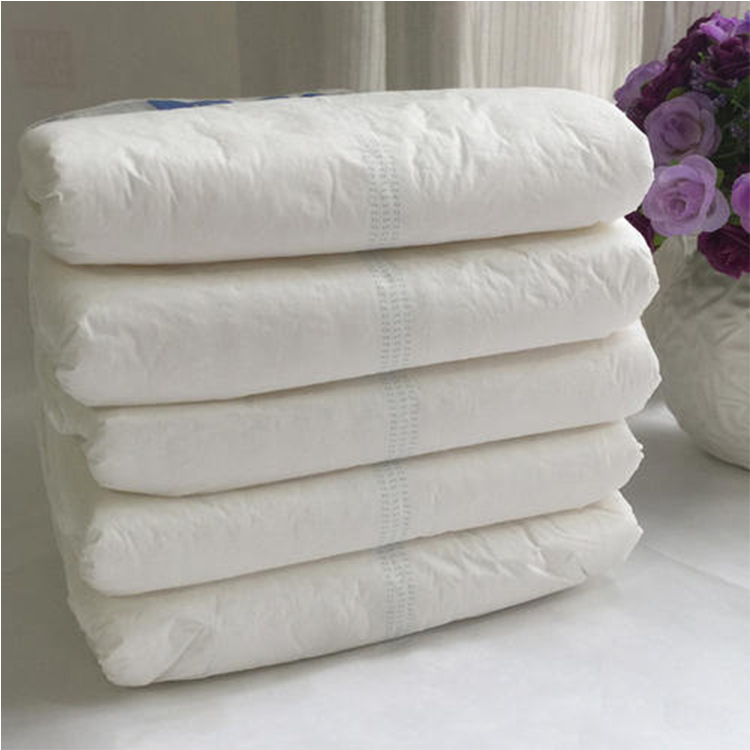
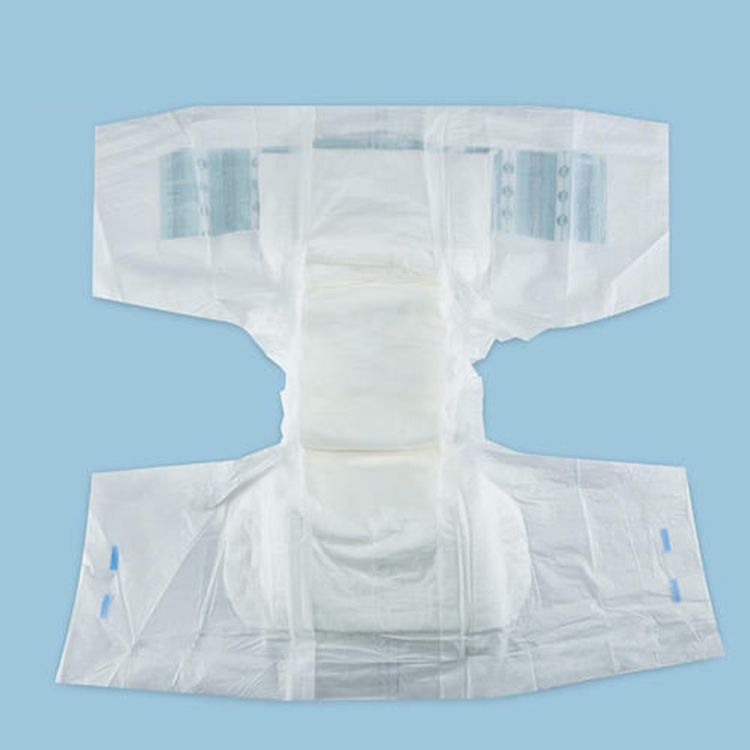
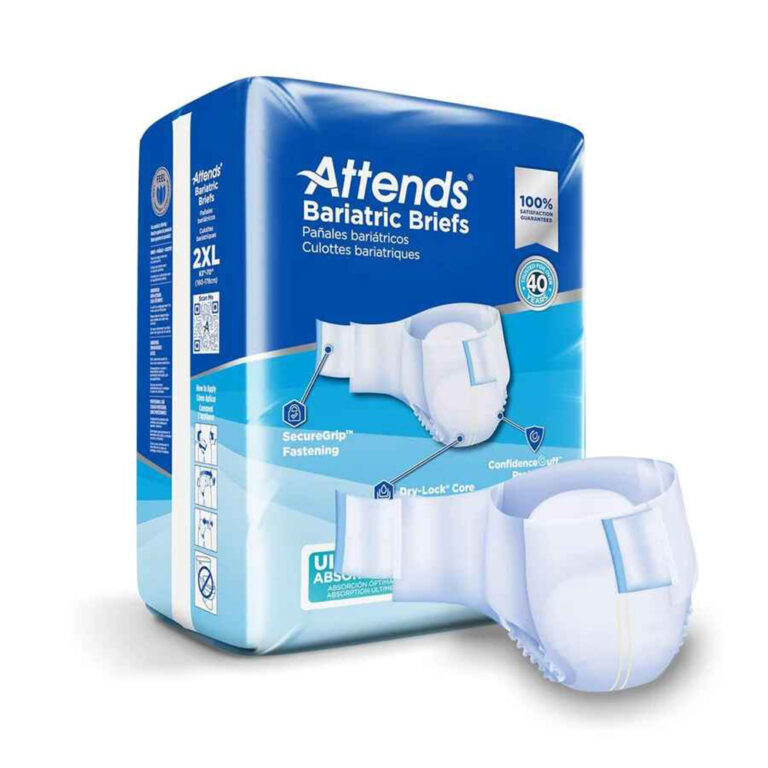
That is also why the 2XL and 3XL split matters. The site’s 2XL adult diapers with tabs page positions the product for larger users with heavy absorbency, tall leak guards, and refastenable tabs. Its 3XL adult diapers with tabs page pushes further into very large waists, bed changing, wheelchair use, and full back coverage.
That separation is smart. Not fancy. Smart.
The Specification Sheet I Would Demand Before Placing a Wholesale Order
If a supplier sends me only “waist size, absorbency, bag count, carton size,” I assume the product was designed by spreadsheet, not by use case.
A serious bariatric adult diapers sourcing file should include waist range, hip range, front-to-back rise, tab landing-zone width, refastening tolerance, leg-cuff height, backsheet material, topsheet softness, SAP/fluff ratio, wetness indicator option, odor-control option, carton compression limits, and real-world fitting notes.
Superabsorbent polymer, usually sodium polyacrylate with the repeating unit (C₃H₃NaO₂)n, is not magic dust. Add too much without core control and you get swelling, stiffness, poor channeling, and pressure points. Add too little and the product leaks before the caregiver’s shift ends. The hard part is balance.
Sourcing Variable
What Lazy Buyers Ask
What I Would Ask Instead
Why It Matters in Bariatric Care
Size range
“Does it fit 2XL/3XL?”
“What are the waist, hip, rise, and tab-overlap tolerances?”
Waist-only charts miss belly-forward and seated body shapes.
Absorbency
“How many ml?”
“What is usable capacity during sitting and side-lying?”
Lab capacity does not equal overnight performance.
Tabs
“Are they refastenable?”
“How many refastening cycles before peel strength drops?”
Caregivers inspect and adjust briefs repeatedly.
Leak guards
“Does it have cuffs?”
“What is the standing cuff height and thigh seal angle?”
Large thighs create gaps that standard cuffs do not solve.
Backsheet
“Cloth-like or PE?”
“What is the breathability/noise/strength tradeoff?”
Bariatric users often face heat, moisture, and skin-fold stress.
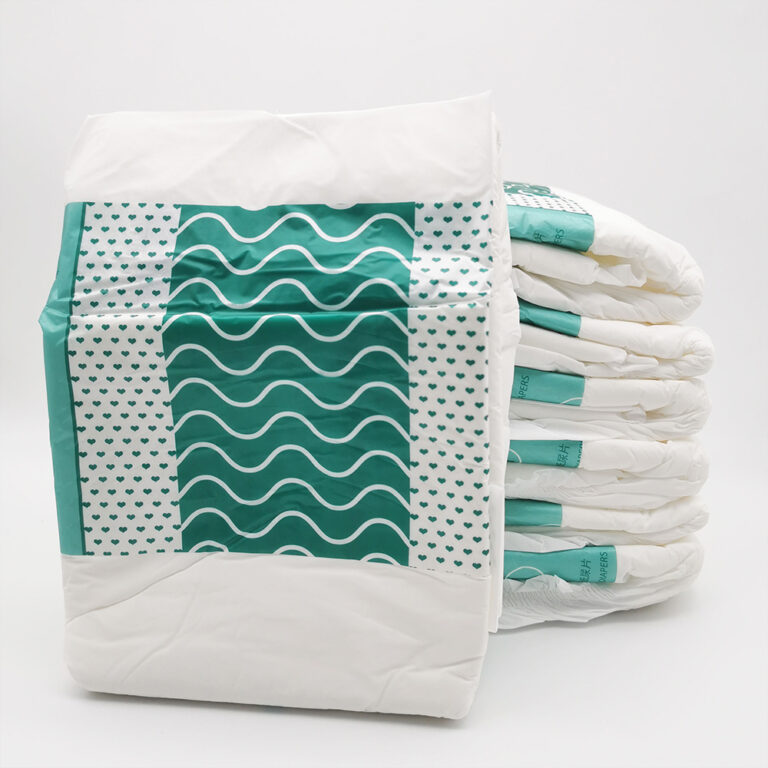
Packaging
“How many per bag?”
“Can carton compression damage cuffs or tab zones?”
Over-compressed briefs can arrive deformed and leak-prone.
The Regulatory Clue Buyers Ignore
Adult diapers sit closer to medical supply than many private-label brands want to admit.
The FDA database lists “protective garments for incontinence” under product code EYQ, device class 1, regulation number 876.5920, with adult diaper and disposable underwear listed among proprietary names. That does not mean every product needs dramatic regulatory theatre. But it does mean buyers should treat labeling, intended use, quality control, and complaints like they matter.
Because they do.
AHRQ also states that more than 2.5 million people in the United States develop pressure ulcers each year, with pain, infection risk, and increased health care use attached to those injuries. (医疗研究与质量局) In bariatric care, poor fit, trapped moisture, friction, and hard elastic edges are not minor comfort complaints. They can become nursing problems.
This is where a sourcing team needs to connect product design with care reality. A 3XL adult diaper that leaks onto a bed is not just a failed diaper. It can trigger linen changes, caregiver time, odor complaints, skin checks, family frustration, and reorder loss.
Where the Money Actually Is
The cheap race is crowded.
The better opportunity is in controlled specialization: 2XL adult diapers for heavy daytime protection, 3XL adult diapers for bed care and wheelchair users, bariatric incontinence briefs with stronger tabs, plus size adult diapers with better rise mapping, and adult diapers wholesale programs built for institutional repeat orders.
I would build the offer in layers.
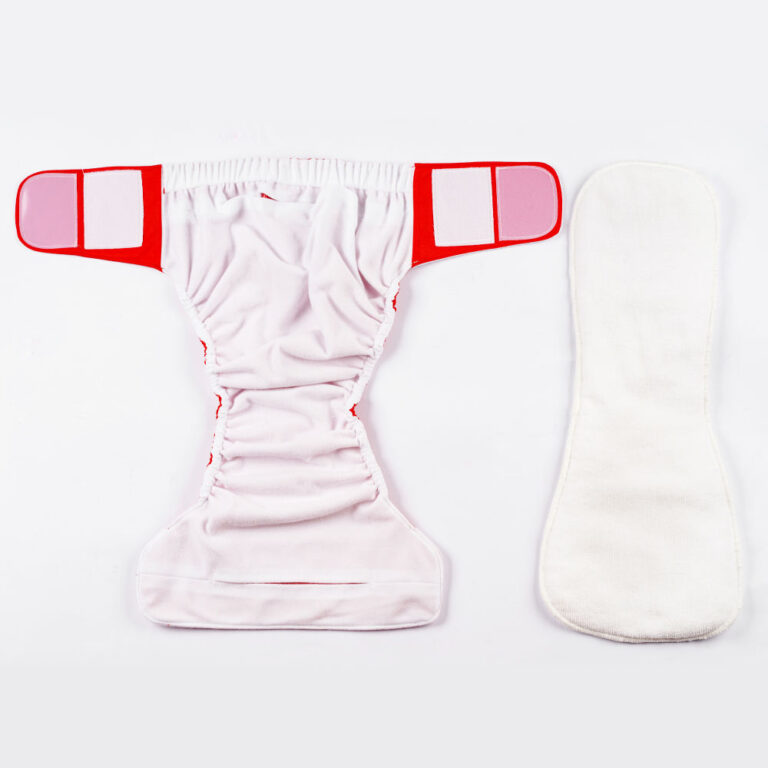
First, sell the core brief. Then sell the care system. For overnight or high-output users, pair the brief with booster pads for adult diapers only after confirming the outer diaper has enough space and leak-guard height to handle the added insert. For hospitals, nursing homes, and family-care bundles, add disposable underpads for adults because beds, wheelchairs, and exam tables are part of the real protection environment.
This is not upselling fluff. It is failure prevention.
For private label, I would push the supplier through a spec-first process using OEM/ODM adult diaper manufacturing services rather than buying a generic oversized SKU and hoping packaging can save it. Packaging never saves a bad fit. Never.
My Blunt Buyer Checklist for 2XL and 3XL Adult Diapers
Fit Testing
Test the product on standing, seated, side-lying, and bed-turn scenarios. Measure natural waist, belly waist, hip/seat, thigh, and rise. Do not trust pants size. Pants size is retail fiction.
Absorbency Testing
Ask for total capacity, retention under pressure, acquisition speed, and rewet results. A brief that absorbs quickly but gives moisture back to the skin is a skin-care liability.
Tab and Landing-Zone Testing
Fasten, unfasten, refasten, sit, stand, twist, and repeat. Weak tabs are one of the most expensive cheap decisions in bariatric adult diapers.
Caregiver Handling
If the product cannot be applied while the user is lying down, it is not ready for serious bariatric care channels. That is why open-style briefs often beat pull-ups in institutional use.
Documentation
Get size charts, material options, absorbency levels, packaging artwork control, carton specs, batch traceability, and defect-handling procedures before price negotiation. Price is not the first conversation. It is the fifth.
FAQs
What are bariatric adult diapers?
Bariatric adult diapers are high-absorbency disposable incontinence briefs designed for plus-size adults who need larger waist coverage, stronger tabs, wider chassis structure, higher leak guards, and more secure fit performance than standard adult diapers can provide during sitting, bed care, wheelchair use, and overnight wear.
In sourcing terms, they should be treated as a separate product architecture, not just an XL diaper resized upward. The best bariatric diapers for adults solve fit, skin comfort, leakage, and caregiver handling at the same time.
What is the difference between 2XL adult diapers and 3XL adult diapers?
The difference between 2XL adult diapers and 3XL adult diapers should be more than a wider waist range; a proper 3XL brief usually needs greater rise, longer landing zones, stronger elastics, improved back coverage, and adjusted leg-cuff geometry for very large bodies.
If the supplier cannot explain what changes from 2XL to 3XL besides the printed size label, I would be skeptical. In bariatric care, scaling the pattern poorly creates leaks, tab stress, and uncomfortable pressure points.
How do I source bariatric adult diapers for wholesale or private label?
To source bariatric adult diapers for wholesale or private label, start with user scenario, size architecture, absorbency target, caregiver workflow, packaging channel, and quality documentation before asking for the lowest carton price from an OEM/ODM factory or trading supplier.
Ask for 2XL and 3XL samples separately. Then test them under sitting, lying, refastening, and overnight conditions. A supplier that resists structured testing is telling you something.
Are adult diapers considered medical devices?
Adult diapers can be regulated as medical devices when intended for managing incontinence, and FDA records classify protective garments for incontinence as Class I devices under product code EYQ and regulation number 876.5920, which makes quality control, labeling, and intended-use claims important for serious sellers.
This does not mean every importer needs to panic. It means adult diapers wholesale buyers should stop treating bariatric care supplies like disposable lifestyle goods with cute packaging and no technical responsibility.
What features matter most in bariatric incontinence briefs?
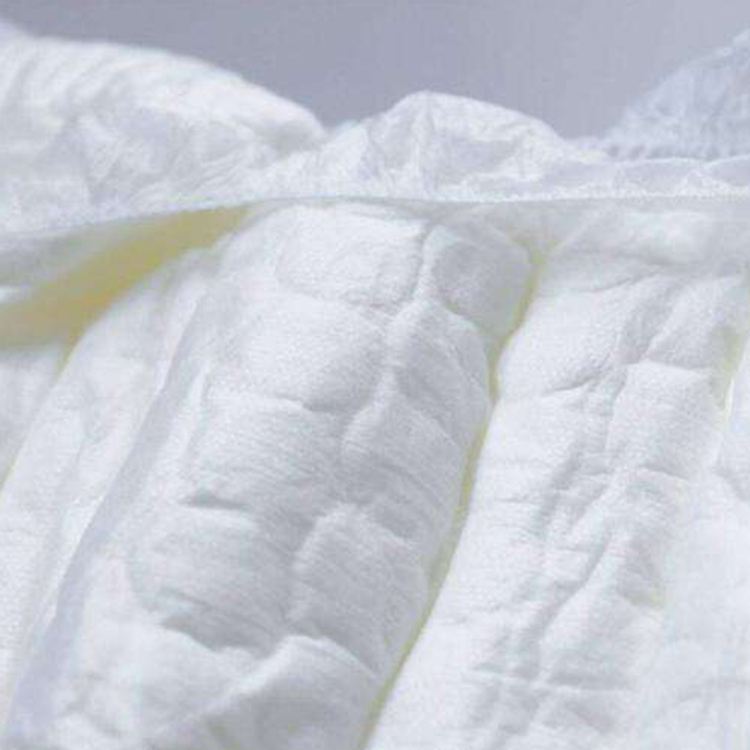
The most important features in bariatric incontinence briefs are secure tab strength, high leak guards, full back coverage, breathable yet durable backsheet material, fast acquisition layers, low rewet, proper rise, and a size chart that includes waist, hip, and fit guidance for seated or bed-bound users.
Absorbency alone is overrated. I would rather buy a balanced brief with reliable fit than a swollen, overstuffed pad that leaks around the legs because the chassis was poorly engineered.
Your Next Steps: Source Like the Failure Cost Is Yours
Do not start with price.
Start with a 2XL/3XL fit map, define the care scenario, request samples for both sizes, run seated and bed-turn tests, then compare tab strength, cuff seal, back coverage, and skin-contact dryness before negotiating carton cost.
If you are building a bariatric care range, source the brief, booster, underpad, and packaging system together. Ask for OEM/ODM documentation early. Demand real measurements. And if a supplier tells you “same as normal adult diaper, only bigger,” walk away.