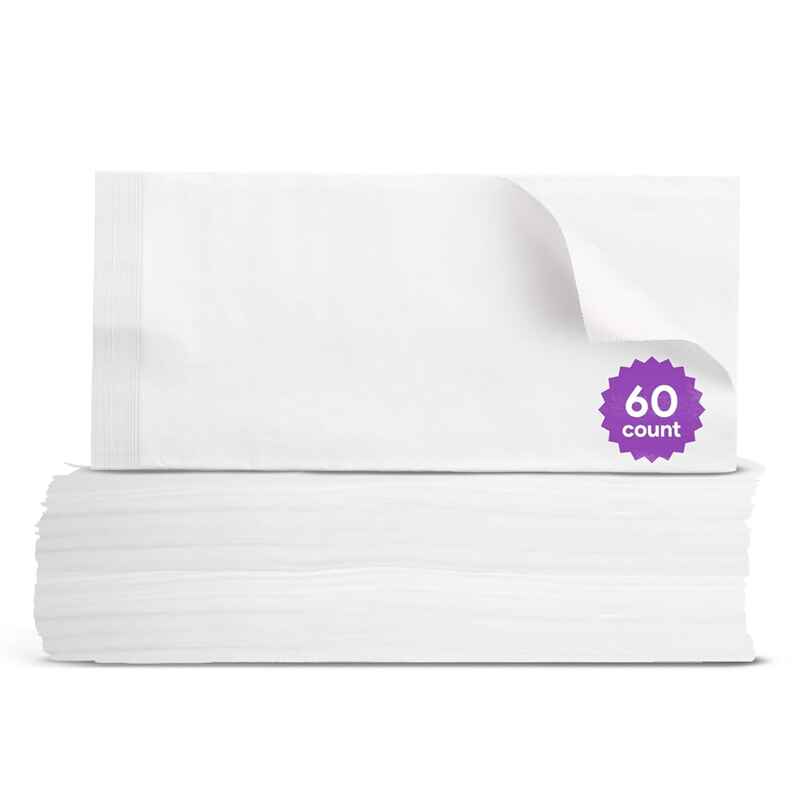
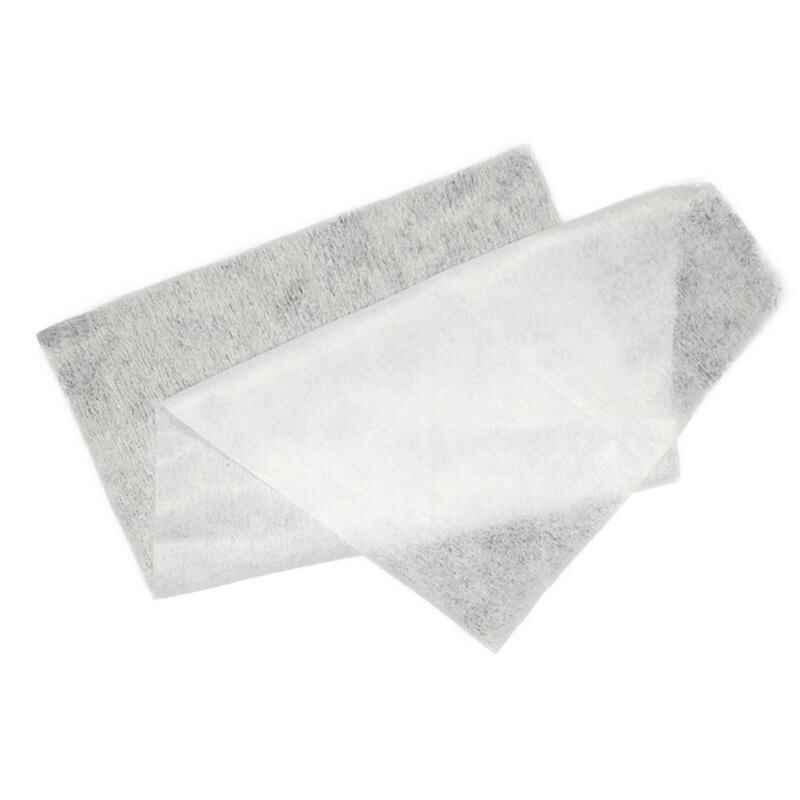
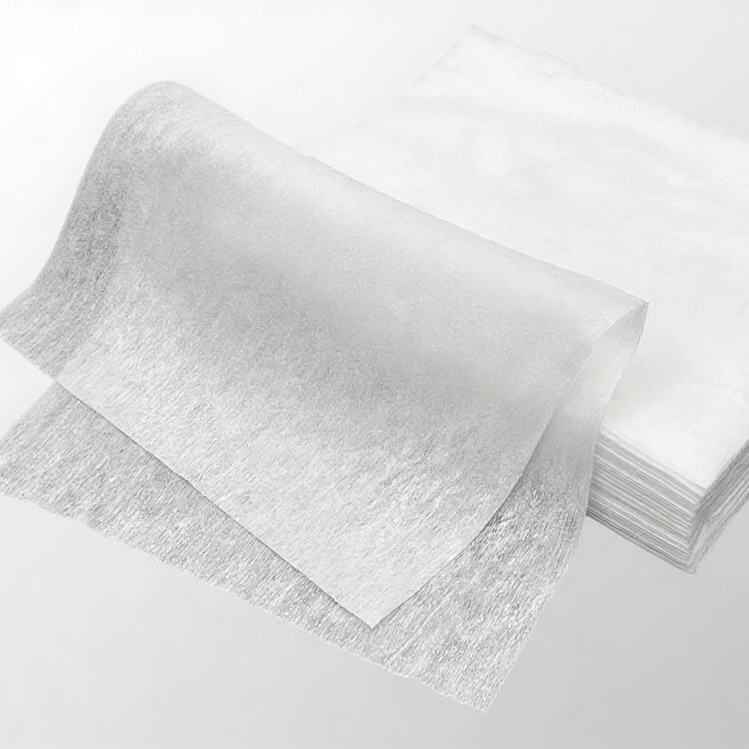
Adult Wipes OEM Customization: Fragrance, Fabric, and Pack Options
Most Adult Wipes OEM briefs fail before the first sample is made.
Harsh truth.
The buyer sends a logo, asks for “soft, big, nice smell, good price,” and expects a custom adult wipes manufacturer to turn that foggy sentence into a product that works in nursing homes, pharmacies, e-commerce bundles, and export markets without triggering irritation complaints or labeling trouble. What could possibly go wrong?
I’ve seen the same pattern in adult wet wipes OEM discussions: the brand owner talks about fragrance first, packaging second, price third, and fabric last. That order is backwards. Fabric decides the hand feel. Lotion load decides glide. Fragrance decides complaint risk. Pack format decides whether the wipe is still wet on day 90.
And the market is not forgiving. The World Health Organization says that by 2030, 1 in 6 people globally will be aged 60 or older, while urinary incontinence is listed among common geriatric syndromes. Translation: adult care demand is rising, but buyers are getting more technical. They should.
People searching “Adult Wipes OEM” are not browsing for a household pack of wipes. They are usually importers, distributors, pharmacy-chain buyers, senior-care product brands, tender suppliers, or e-commerce sellers trying to source a private label product with controlled formula, fabric, count, artwork, and carton specs.
This is commercial intent with a transactional edge.
The user wants to know three things: who can manufacture the product, what can be customized, and what will go wrong if the wrong option is chosen. That is why the title “Adult Wipes OEM Customization: Fragrance, Fabric, and Pack Options” is stronger than a generic “adult wet wipes supplier” headline. It speaks to the decision table inside the buyer’s head.
But here is my unpopular opinion: “customization” is often oversold.
A factory can customize fragrance, nonwoven adult wipes fabric, sheet size, GSM, embossing, lotion, pack count, lid style, carton layout, barcode placement, multilingual label, and outer case markings. Fine. But the serious question is not “Can you customize it?” The question is: “Can you customize it without creating a slow-moving SKU that leaks, dries out, irritates skin, or fails compliance review?”
That is the difference between adult wipes customization and adult wipes theater.
Table of Contents
Fragrance: The Pretty Problem Nobody Wants to Own
Fragrance sells.
Skin complains.
Adult wipes are used on fragile skin, often during incontinence care, post-surgery recovery, bedside cleansing, travel hygiene, or full-body freshening when bathing is not practical. That means fragrance is not a decoration. It is a risk variable.
The FDA’s disposable wipes guidance states that wipes intended for cleansing or moisturizing skin are generally regulated as cosmetics, depending on intended use. It also warns that “unscented” may still contain masking fragrance, while “fragrance-free” and “unscented” are not governed by a special FDA definition, although cosmetic labeling must still be truthful and not misleading.
That small detail matters more than most buyers admit.
If your pack says “fragrance-free,” your formula should not quietly include a masking fragrance. If your pack says “unscented,” be ready to explain what that means. If your sales page says “hypoallergenic,” be ready for your supplier to show ingredient discipline, not just a comforting adjective.
For Adult Wipes OEM projects, I would split fragrance strategy into four practical lanes:
Fragrance Option
Best Use Case
Commercial Advantage
Hidden Risk
Fragrance-free
Hospitals, care homes, sensitive skin, premium elder care
Needs formula consistency and truthful ingredient claims
Masking scent
Odor control positioning
Can hide raw material odor
Dangerous if marketed loosely as fragrance-free
I prefer fragrance-free for institutional adult care wipes. Not because it sounds fancy. Because urine, feces, sweat, fragile skin, caregiver speed, and repeated wiping are already enough variables. Adding a perfume profile just to please a buyer in a showroom is lazy product thinking.
For softer consumer positioning, the pH-balanced alcohol-free adult body wipes category can support aloe, chamomile, or vitamin E formulas. But keep the formula brief tight: INCI names, preservative system, target pH, odor profile, wipe wetness, and compatibility with the chosen substrate.
Fabric Is the Product, Not the Background
Bad substrate ruins good lotion.
Every buyer says they want soft wipes. Almost none of them define softness properly. Is it surface smoothness? Drape? Thickness? Wet tensile strength? Low lint? Glide under pressure? Resistance to tearing during perineal cleaning?
Adult wipes need to survive friction.
A baby wipe can be small and cute. An adult wipe often needs to be larger, stronger, wetter, and more forgiving because caregivers may use it for peri-care, bed baths, wheelchair hygiene, or overnight cleanup. That means nonwoven adult wipes fabric selection drives the whole user experience.
Common substrate choices include viscose/polyester spunlace, viscose/polypropylene blends, bamboo fiber blends, flushable cellulose-based materials, and higher-GSM shower-style nonwovens. Typical private label ranges often sit around 45–80 GSM, with large sheet sizes such as 20×30 cm, 22×28 cm, 25×30 cm, or oversized body-wipe formats. The wrong GSM can feel cheap. The wrong blend can drag. The wrong embossing can trap lotion unevenly.
And yes, buyers still ask for the cheapest option.
That is how you get a wipe that folds into a sad rope during use.
In OEM manufacturing, boring specs are what protect margins.
Packaging Options: Where Cheap Decisions Become Expensive Complaints
A wipe pack is not just packaging. It is a moisture-control system.
Soft packs with resealable labels are cheap and flexible. Flip-top lids improve one-handed use and moisture retention. Canisters work well in care stations. Flow packs suit travel, trial kits, hospitality, and medical-adjacent sampling. Jumbo tubs make sense for care facilities but can scare off retail buyers because shelf space is not charity.
For adult wipes packaging options, the format should match the use moment:
Pack Format
Typical Count
Best Channel
Why Buyers Choose It
What Can Go Wrong
Resealable soft pack
40–100 wipes
E-commerce, pharmacy, home care
Lower cost, easy carton packing
Label loses adhesion, wipes dry out
Flip-top soft pack
60–100 wipes
Retail, care homes, premium private label
Better moisture retention, easier use
Higher cost, lid bonding issues
Canister/tub
80–200 wipes
Nursing homes, clinics, institutional supply
Stable dispensing, visible value
Bulky freight, plastic-use scrutiny
Travel sachet
5–20 wipes
Senior kits, travel, sampling
Trial-friendly, compact
Higher unit packaging cost
Individual flow pack
1 wipe
Medical kits, travel, hospitality
Hygiene perception, controlled dosing
Expensive per wipe, more packaging waste
Here is the hard rule: pick packaging after you define user behavior.
A caregiver pulling wipes at 2 a.m. with gloves on does not care that your label artwork is elegant. They care whether one wipe comes out, not five. A pharmacy shopper cares whether the pack screams “medical embarrassment” or quietly signals dignity. A distributor cares whether cartons stack cleanly, barcodes scan, and pallet dimensions avoid dead freight.
If you are building a broader private label line, connect the wipes SKU to the full adult incontinence products catalog. Wipes rarely sell alone in B2B. They sell beside briefs, pull-ups, underpads, booster pads, and care bundles.
Compliance, Flushability, and the Lie That Keeps Coming Back
“Flushable” is where many wet wipes brands get reckless.
The UK government’s 2025 announcement on plastic wet wipes legislation says England will ban the supply and sale of wet wipes containing plastic after an 18-month transition, with the ban expected in Spring 2027. The same announcement says wet wipes contribute to 94% of sewer blockages in UK Water Industry Research findings and cost water companies around £200 million per year to fix.
Read that again.
Even if your product is technically “flushable,” the consumer behavior risk is ugly. And if your product is not truly flushable, do not flirt with the claim. Use “Do Not Flush” labeling. Use disposal icons. Use clear back-of-pack instructions.
The EDANA and INDA industry discussion around GD4 flushability guidelines also points to strict pass/fail criteria for marketing a wipe as flushable. For an Adult Wipes OEM buyer, this means one thing: never approve “flushable” wording because a sales rep casually said the material disperses.
Ask for test method. Ask for report date. Ask for pass/fail criteria. Ask whether the test applies to the final finished wipe with the actual lotion and substrate, not a generic raw material sample.
This is not legal paranoia. It is basic survival.
The Buyer’s Specification Sheet: What I Would Demand From a Factory
Your supplier brief should be boring, specific, and slightly annoying. That is how you protect your brand.
For private label adult wipes, I would demand the following before paying for bulk production:
Spec Area
Minimum Requirement
Why It Matters
Formula
Full ingredient list, target pH, fragrance status, preservative system
Reduces irritation and labeling risk
Fabric
Material blend, GSM, sheet size, embossing, wet tensile strength
Controls feel, strength, and usage rate
Pack
Count, lid type, label seal, film thickness, carton quantity
Protects moisture and logistics cost
Stability
Aging test, leakage test, microbial limits, pack seal test
Prevents warehouse surprises
Compliance
Market-specific label review, claim check, disposal language
Keeps claims defensible
MOQ & Lead Time
Sample timeline, bulk lead time, carton MOQ, artwork cutoff
Prevents launch delay and cash traps
The supplier should be able to discuss sample timing, production timing, private label artwork, multilingual packaging, and export documentation. The LOVINHUG OEM/ODM services page states sample timing of 7–15 days and typical bulk timing of 15–30 days for its adult incontinence product programs, which is the kind of operational detail buyers should compare across factories before making a commitment.
And ask about batch traceability.
Always.
If a factory cannot trace a complaint back to lot code, production date, raw material batch, and packaging shift, you are not buying a supply chain. You are gambling with printed film.
The Adult Wipes OEM Margin Trap
The cheapest wipe usually costs more later.
Buyers love shaving 0.2 cents from a sheet. They hate when the customer uses three sheets instead of one. They love reducing GSM. They hate bad reviews mentioning tearing. They love cheaper resealable labels. They hate dried-out half-packs and refund claims.
Adult wipes are usage-rate products. That means the true cost is not only cost per wipe. It is cost per clean.
A stronger 65 GSM wipe that handles one cleanup may beat a cheap 45 GSM wipe that forces double usage. A better lid may raise pack cost but reduce dry-out complaints. A fragrance-free version may look less “retail sexy” but win institutional repeat orders because it lowers irritation risk.
This is where buyers need discipline. Not vibes. Not factory flattery. Not “same as famous brand” nonsense.
Ask your custom adult wipes manufacturer for two or three sample tiers:
Premium: 70–80 GSM, large body-wipe size, richer lotion feel, stronger pack seal, clinical-style claims control
Then test them with real users or caregivers. Not just your purchasing manager.
FAQs
What is Adult Wipes OEM?
Adult Wipes OEM is a manufacturing model where a factory produces adult cleansing wipes under a buyer’s private label, using agreed specifications for formula, fragrance, fabric, sheet size, pack count, artwork, carton layout, and compliance language. The buyer owns the brand position while the factory controls production execution.
In plain English, it lets you launch private label adult wipes without building your own wet wipes factory. But it only works if your brief is specific. “Soft and cheap” is not a specification. It is an invitation to quality drift.
How do I choose the best fragrance for private label adult wipes?
The best fragrance for private label adult wipes is usually fragrance-free for sensitive, institutional, and incontinence-care use, while lightly scented formulas may work for retail hygiene, travel, or daily freshening products. The choice should depend on skin sensitivity, market expectations, label claims, and complaint tolerance.
For elderly care, I would start fragrance-free. For pharmacy or e-commerce body wipes, a mild fresh scent can work, but the claim language must be clean. “Unscented” and “fragrance-free” are not interchangeable in the real world.
What fabric is best for nonwoven adult wipes?
The best fabric for nonwoven adult wipes is usually a soft spunlace nonwoven with enough GSM, wet strength, and surface smoothness to clean adult skin without tearing or dragging. Common options include viscose/polyester blends, viscose/polypropylene blends, bamboo blends, and cellulose-based materials for specific claim strategies.
For mainstream adult care, 55–65 GSM often gives a practical balance of cost, softness, and strength. For premium shower-style body wipes, I would push higher. Thin wipes may look good in a spreadsheet and fail in a caregiver’s hand.
What pack options are available for adult wipes customization?
Adult wipes customization can include resealable soft packs, flip-top lid packs, canisters, travel sachets, individual flow packs, refill pouches, jumbo tubs, and custom carton configurations. The right format depends on whether the product is sold through care homes, pharmacies, e-commerce, hospitals, travel kits, or institutional supply channels.
Do not choose packaging by appearance alone. Moisture retention, one-handed dispensing, lid bonding, film thickness, barcode position, carton loading, and pallet efficiency all affect the final product experience.
Can adult wet wipes be labeled flushable?
Adult wet wipes should only be labeled flushable when the finished product passes recognized flushability testing and the claim is legally supportable in the target market. Most adult wipes should carry clear disposal guidance such as “Do Not Flush,” especially when made with stronger nonwoven substrates designed for adult cleansing.
This is where brands get into trouble. Stronger wipes are often better for cleaning but worse for sewer dispersibility. If you want a flushable claim, demand final-product testing, not a casual material promise.
Your Next Steps: Build the Spec Before You Ask for Price
Do not ask a factory, “How much for adult wipes?”
Ask this instead: “Quote three Adult Wipes OEM versions: fragrance-free 60 GSM spunlace flip-top pack, aloe/chamomile 65 GSM retail pack, and premium 75 GSM body wipe with large sheet size, full ingredient list, pH target, pack dimensions, MOQ, sample timing, bulk lead time, carton specs, and disposal label recommendation.”