How Adult Wipes Sell Differently in Pharmacy and Care Channels
The Same Wipe Does Not Sell the Same Way
Shelf space lies.
I have seen buyers treat Adult Wipes like a soft add-on SKU, something to tuck beside briefs and underpads, when the harder commercial truth is that wipes expose the entire selling logic of the channel: shame, labor, skin risk, packaging discipline, and whether the buyer is a person, a pharmacist, a daughter, a nurse, or a procurement manager with a complaint file open. Why would one message work for all of them?
It won’t.
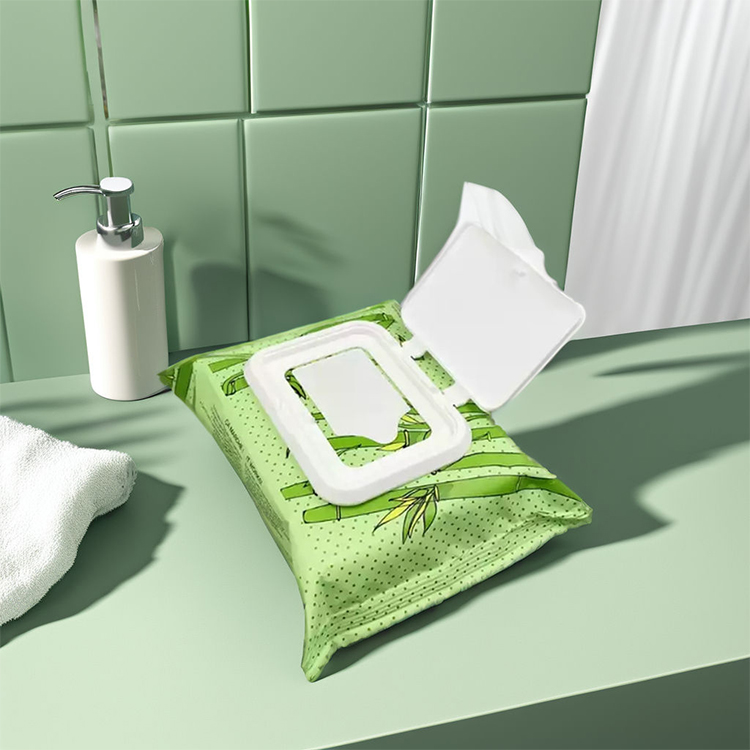
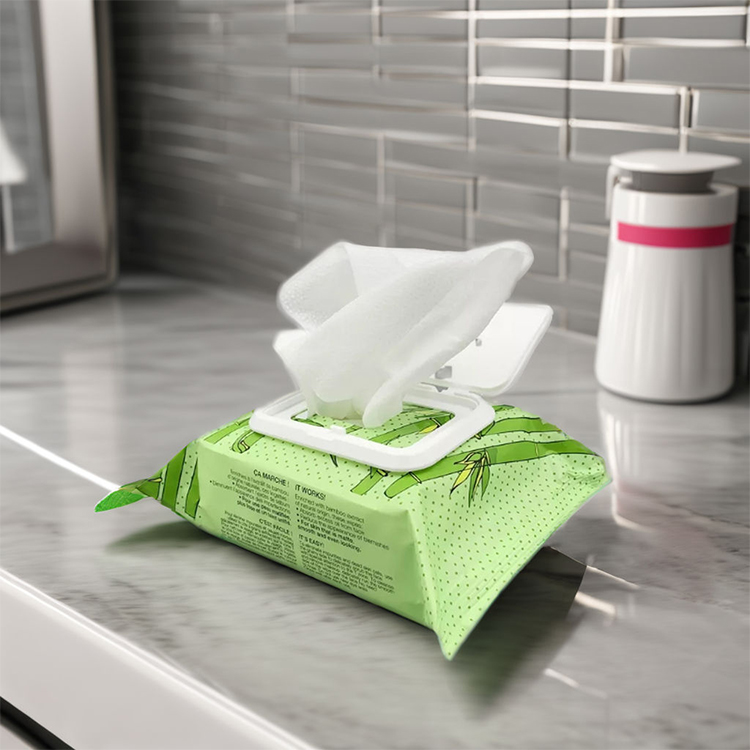
Adult wipes for incontinence are not just wet sheets in a plastic pack. In pharmacy, they are permission. In care channels, they are process control. That difference is where brands either build margin or bleed it quietly.
And yes, I know this sounds blunt. But the adult hygiene category rewards blunt operators. The people who win are not the ones saying “soft, gentle, fresh” for the hundredth time. They are the ones who know whether the wipe is being bought at 8:40 p.m. by an embarrassed shopper or ordered by a facility that tracks redness, odor complaints, leakage events, and staff time.
Pharmacy Adult Wipes Sell Privacy Before Performance
Pharmacy adult wipes are sold to people who want the problem solved without making the problem public. The buyer may be an older adult managing light leakage, a spouse shopping for someone else, a post-surgery patient, or an adult child who does not yet know the language of incontinence care.
That buyer does not want a lecture.
They want a pack that looks normal in a basket. They want “large size,” “alcohol-free,” “pH-balanced,” “fragrance-free,” “no-rinse,” and “for sensitive skin” without feeling dragged into a medical aisle they are not emotionally ready to enter. This is where personal hygiene wipes for adults need retail clarity, not institutional jargon.
The proof is sitting in the wider adult incontinence market. In July 2024, Reuters reported that Japanese manufacturers were shifting more resources into adult diaper lines as the country aged; Daio Paper said adult diaper revenue was already double baby diaper revenue, and Fuji Keizai estimated Japan’s adult diaper market would grow 16% to ¥98.9 billion by 2027. That is not a niche whisper. That is demographic force.
But here is the catch: pharmacy buyers still behave like humans, not spreadsheets.
They compare pack size. They scan the front label. They hate embarrassment. They look for words that reduce risk without sounding clinical. “Adult wipes for incontinence” may work for SEO, but on a shelf, “cleansing wipes for sensitive skin” can feel less exposing. I would use both, just not in the same visual hierarchy.
Table of Contents
Care Channels Buy Workflow, Not Comfort Poetry
Care channels are different animals. Nursing homes, hospitals, rehabilitation centers, home-care agencies, and distributors serving assisted-care routines do not buy wipes because the pack looks calming.
They buy fewer problems.
The Hartford Institute for Geriatric Nursing reports that urinary incontinence affects an estimated 25% to 45% of older adults worldwide, about 43% of noninstitutionalized U.S. older adults, and about 70% of U.S. nursing home residents. That matters because in care settings, adult wipes are tied directly to repeated cleansing, skin condition, staff workload, and absorbent product matching.
Caregiver wipes for adults are judged after the third change of the shift, not the first impression.
Strong sheet, large size, no-rinse, skin-risk reduction, case supply
The same formula may need two different front panels
Pack logic
40, 60, or 80-count retail packs; easy shelf display
Bulk packs, case packs, stable closures, clear carton labeling
Care buyers punish weak packaging faster
Price logic
Price per pack and perceived comfort
Cost per change, wipe count per task, complaint reduction
Cheap wipes get expensive when staff need three per cleanup
Risk issue
Embarrassment, scent preference, privacy
Skin irritation, residue, dry-out, torn sheets, supply gaps
Care channels have less patience for vague claims
Best internal basket
Wipes plus pull-ups and pads
Wipes plus tab briefs, underpads, barrier routines
Build the basket by user condition, not by category page
Claims Are Where Amateur Brands Get Exposed
The wipe market has a claim problem.
The FDA’s disposable wipes guidance says cleansing wipes may be made from polyester, polypropylene, cotton, wood pulp, or rayon fibers, and may contain water, cleansing agents, moisturizers, and preservatives to prevent bacterial and mold growth. The same FDA page also warns that “unscented” may still involve masking fragrance, while “fragrance-free” should not contain added fragrance ingredients.
That distinction is not wordplay. It is money.
In pharmacy, “unscented” may pass because the shopper is moving fast. In care channels, I would demand exact fragrance language, full ingredient disclosure, alcohol status, sheet size, target pH range, preservative system, and compatibility testing with zinc oxide or dimethicone barrier products. If a supplier cannot answer, I would not scale the order.
The FTC’s 2015 Nice-Pak settlement forced the company to substantiate flushability claims and warned that real-world sewer and septic conditions matter. I would treat that case as a warning label for every private-label adult wipe buyer. If you say “flushable,” your testing had better be stronger than your marketing deck.
My opinion? Most adult wipes should not lead with flushable unless the brand has serious technical proof. “Dispose in trash” is boring. Boring keeps brands out of trouble.
What Pharmacy Buyers Actually Need to See
Pharmacy adult wipes should be built for fast comprehension. The front panel has maybe three seconds to work.
Use plain signals: “Adult Cleansing Wipes,” “Large & Soft,” “Alcohol-Free,” “Fragrance-Free,” “For Incontinence and Daily Hygiene.” Make the pack look discreet enough to carry, but not so vague that search engines and shoppers miss the use case.
I would avoid over-medical design unless the product sits in a pharmacy professional recommendation program. The self-directed buyer does not want to feel institutionalized. They want control.
The product page should still carry SEO density: adult wipes, incontinence cleansing wipes, elderly hygiene wipes, personal hygiene wipes for adults, wet wipes for adults sensitive skin, and adult wipes for incontinence. But the visible retail story should be calmer.
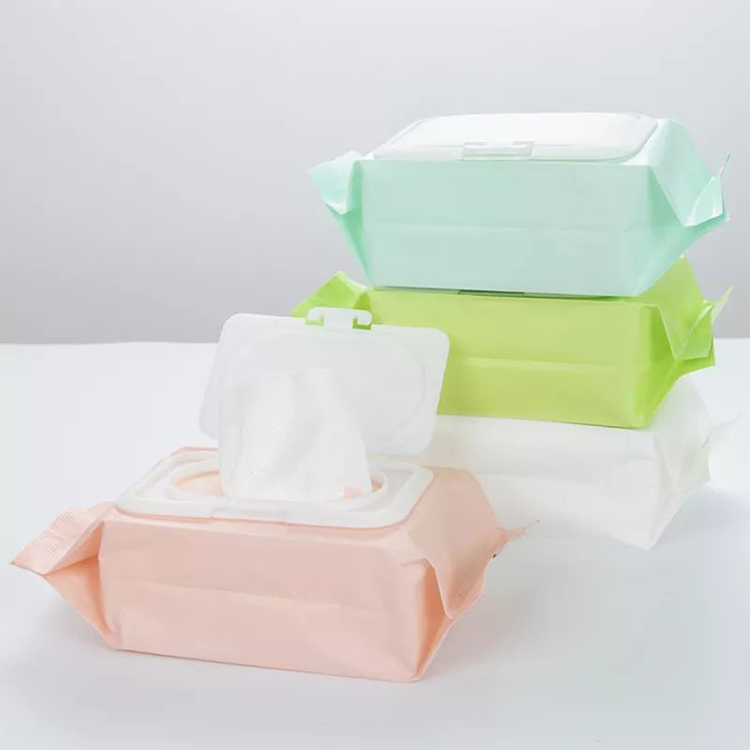
That is why the Adult Wipes product category should speak to both the pharmacy shopper and the distributor: large size, soft hand-feel, alcohol-free formula, pH-balanced positioning, bulk or retail pack options, and OEM/ODM support. Search engines need specificity. Humans need dignity.
What Care Channel Buyers Actually Test
Care buyers test what pharmacy shoppers often cannot see.
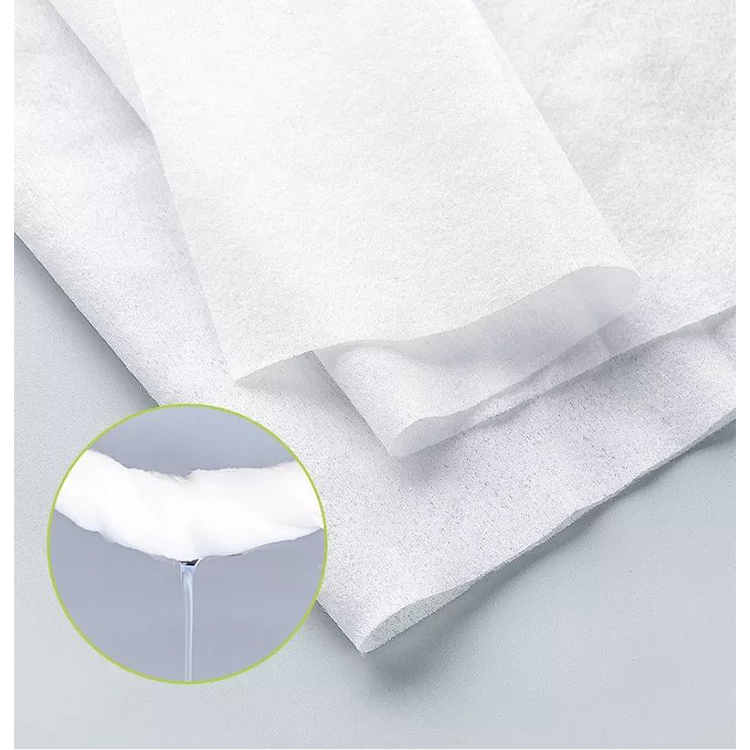
They test wet strength. They test wipe count per bowel cleanup. They test whether the pack closure survives repeated opening with gloves. They test whether staff complain. They test whether the wipe leaves tacky residue. They test whether redness increases after 7 to 14 days. They test whether the wipe works with the rest of the continence routine.
Small failures multiply.
The CDC/NCHS report on incontinence among older Americans estimated the U.S. cost of bladder incontinence among adults at $19.5 billion in 2000, with most routine-care costs tied to absorbent pads, protection, and laundry. That is old data, yes, but the commercial lesson has aged well: incontinence care is not one product. It is a system of supplies, labor, cleanup, and prevention.
So if you are selling care channel hygiene products, stop presenting wipes as an accessory. Present them as part of the care protocol.
Pair incontinence cleansing wipes with briefs for heavy assisted users. Pair elderly hygiene wipes with underpads for bed-level cleanup. Pair lighter personal hygiene wipes for adults with pull-up underwear for mobile users. And if you are building a private-label program, lock the formula, packaging, carton specs, and documentation through an OEM/ODM adult incontinence manufacturing program before the sales team starts promising miracles.
The Hard Truth About Adult Wipes Positioning
Here is my blunt rule: pharmacy sells confidence, care sells control.
A pharmacy buyer may tolerate a slightly smaller sheet if the pack looks discreet and the claim is easy to understand. A care facility will not. A pharmacy shopper may choose a mild scent because it feels fresh. A care buyer may reject scent because one resident’s sensitivity can become a staff report, a family complaint, or a reorder failure.
Both channels can sell Adult Wipes profitably. But not with the same message.
If I were building this category, I would split the line like this:
Pharmacy-facing adult wipes
Use retail-friendly packs, soft colors, simple claim language, discreet naming, and consumer SEO terms like pharmacy adult wipes, personal hygiene wipes for adults, adult wipes for incontinence, and wet wipes for adults sensitive skin.
Care-channel adult wipes
Use case-pack logic, spec sheets, material transparency, larger sheet sizes, stronger closures, fragrance-free default formulas, no-rinse positioning, and proof around repeated use with caregiver wipes for adults, elderly hygiene wipes, incontinence cleansing wipes, tab briefs, underpads, and care routines.
Distributor-facing adult wipes
Use margin language, MOQ clarity, sample timelines, carton dimensions, pallet loading, SKU tiering, multilingual packaging, and batch-to-batch consistency. Distributors do not want poetry. They want fewer returns.
FAQs
What are Adult Wipes?
Adult wipes are pre-moistened cleansing sheets designed for adult hygiene, incontinence cleanup, bed-level care, travel, and assisted washing, usually larger and stronger than baby wipes, with formulas that may include water, mild surfactants, preservatives, moisturizers, aloe, chamomile, or barrier-compatible ingredients. They are used by independent adults, caregivers, hospitals, nursing homes, and home-care teams.
The best adult wipes are not only soft. They also stay wet, resist tearing, close properly after repeated use, and match the skin-risk profile of the user.
Why do adult wipes sell differently in pharmacy and care channels?
Adult wipes sell differently in pharmacy and care channels because pharmacy shoppers usually buy privacy, convenience, and reassurance, while care-channel buyers purchase repeatable hygiene performance, staff efficiency, skin-risk reduction, pack durability, and compatibility with broader incontinence systems. One channel is emotional and retail-driven; the other is procedural and evidence-driven.
That is why pharmacy adult wipes need simple shelf language, while caregiver wipes for adults need spec sheets, testing logic, and case-supply reliability.
Are pharmacy adult wipes the same as caregiver wipes for adults?
Pharmacy adult wipes and caregiver wipes for adults may use similar materials, but they are not sold by the same logic because pharmacy packs prioritize discretion, self-use, and quick claims, while caregiver formats prioritize larger sheets, stronger wet strength, bulk supply, closure durability, and repeated cleansing performance. The formula can overlap, but the buyer expectation changes.
A retail pack can survive on comfort language. A care-channel pack has to survive a shift.
Should adult wipes for incontinence be flushable?
Adult wipes for incontinence should not be marketed as flushable unless the brand has strong evidence that the wipe disperses safely under real sewer, septic, and plumbing conditions, because regulators have challenged weak flushability claims and buyers increasingly understand the risk. When proof is thin, trash-disposal language is safer.
I would rather sell a non-flushable wipe honestly than sell a “flushable” claim that becomes a legal or plumbing problem later.
What specifications matter most for care channel hygiene products?
The most important specifications for care channel hygiene products are sheet size, wet strength, liquid load, alcohol status, fragrance status, pH positioning, preservative system, closure durability, residue level, compatibility with barrier creams, carton packing, batch consistency, and performance after repeated opening. These details decide whether wipes reduce work or create complaints.
For care buyers, “soft” is not enough. Soft must survive real use.
Your Next Steps
Stop selling one wipe to two worlds.
If your target is pharmacy, rewrite the pack and product page around discretion, sensitive skin, alcohol-free cleansing, and simple adult hygiene language. If your target is nursing homes, hospitals, distributors, or home-care programs, build the spec around caregiver workflow, fragrance-free risk control, wet strength, case packing, and compatibility with briefs, pull-ups, pads, and underpads.
Start with the Adult Wipes range, map the wipe to the right absorbent products, then use the OEM/ODM service path to lock formula, packaging, documentation, and repeat-order consistency before you scale. That is the difference between listing Adult Wipes and actually selling them.