How to Build a Men’s Incontinence Line That Actually Fits the Category
Most brands cheat. They call a recolored unisex assortment a men’s line, even when the page architecture, absorbency mapping, and pack logic say something else, and that mismatch is exactly where weak rankings, confused buyers, and dead stock begin. Why pretend otherwise?
I’ll be blunt: on your current site, the men’s incontinence products hub says the category covers male guard pads, incontinence underwear, and taped diapers, but the visible grid leans on XL/2XL/3XL tab briefs, adult wipes, and ABDL before it shows a true male guard or a clear male pull-up path. Worse, the men’s incontinence underwear page currently mixes in a women’s disposable underwear SKU. That is not a small taxonomy issue. That is Google, buyers, and distributors being told three different stories at once.
Demand is real. The U.S. is getting older, the need base is widening, and men do not enter this category with the same psychology as a hospital procurement team, which means your assortment has to bridge embarrassment, denial, and real leakage physics instead of assuming people jump straight to briefs. The U.S. Census Bureau’s June 2024 aging analysis said the 65+ population rose 9.4% from 2020 to 2023 to about 59.2 million, while a 2024 NHANES-based study on overactive bladder in U.S. men put prevalence at 14.5% in 2015–2020, with men aged 40–59 reaching 13.5%. Add the post-prostate pipeline: a 2024 nationwide outcomes study reported urinary incontinence at one year in 13% of men after robot-assisted radical prostatectomy versus 6% after radiotherapy. That is not fringe demand. That is recurring, layered demand.
So here is my hard truth. A real men’s line is not “pads plus one pull-up plus one diaper.” It is a ladder.
The category has to catch the buyer before he admits he belongs in the category. That means your entry product cannot be a bulky pull-up, your mid-tier cannot be vague, and your heavy tier cannot stop at standard sizes if you want fewer returns and better repeat behavior. This is where I would route the internal structure: category intent through the men’s incontinence products hub, format intent through incontinence pads and incontinence underwear for men, decision intent through incontinence underwear vs briefs SKU strategy and movement leak testing for pull-ups, then supplier-intent through OEM/ODM services. That is a semantic ladder Google can read and a buying ladder humans can use.
I would not launch eight “hero” SKUs on day one. I would launch five disciplined tiers and make the trade-up obvious.
Wider front chassis, faster acquisition layer, better side barriers
Wet feel, bunching, side seepage
3
Men’s incontinence underwear day
Active users, office, social use
Quiet cloth-like backsheet, snug leg elastics, neutral colorways
Waist stretch-out, leak on sit-down
4
Men’s incontinence underwear overnight
Heavy urgency, long wear windows
Higher cuff walls, better rewet control, larger absorbent mass up front
“Works standing, leaks sleeping” reviews
5
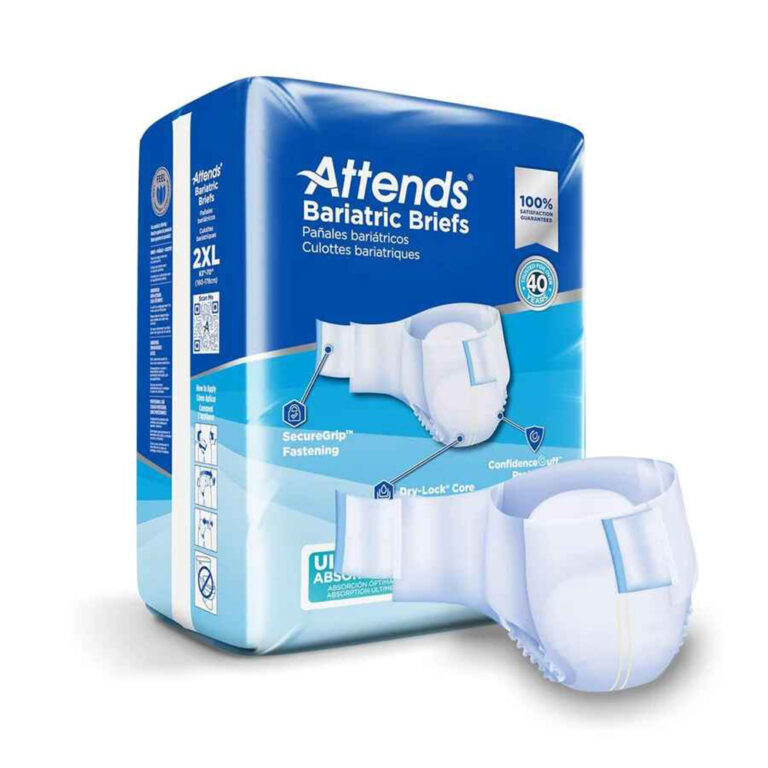
Tab briefs XL–3XL + booster + underpad
Heavy leaks, limited mobility, caregiver use
Refastenable tabs, tall guards, back coverage, extended sizing
False size range, tab pop, bed leaks
This is where most teams lose discipline. They skip Tier 1 because guards look “small,” they under-build Tier 2 because pads feel boring, and then they expect pull-ups to solve everything from drips to overnight flooding. That is lazy line planning. And expensive.
Movement matters. A pull-up that survives a standing absorbency demo and fails during rotation, squats, and sit-to-stand is not a good product; it is a good sample. Your own movement leak testing for pull-ups makes that point well: capacity numbers do not equal real-world performance under motion. I would use that page aggressively inside this article because it helps you rank for education while quietly justifying why men’s incontinence underwear needs its own spec discipline.
Sizes matter too. Men are overrepresented at the awkward ends of fit: bigger waists, thicker thighs, more abdominal pressure, more seated leakage. That is why I would link heavy-tier language to the site’s 2XL/3XL content, because size-range planning for 2XL/3XL correctly argues that larger sizes are not just bigger waist numbers; they change tab overlap, rise, leg-cuff geometry, and back coverage. I agree. I’ve seen too many brands treat 3XL like an afterthought and then act shocked when the review section becomes a crime scene.
And let’s talk channel math. Medicare matters, but not the way lazy marketers wish it did. According to Medicare’s own coverage page, Original Medicare does not cover incontinence supplies or adult diapers, and users pay 100% for non-covered items, though some Medicare Advantage plans may offer extras. That pushes huge chunks of this category into private-pay behavior: online reorders, caregiver purchasing, pharmacy trial packs, and price-sensitive repeat buying. So your pack counts need to reflect that reality. I’d think in 14/28/56-count guards, 12/24-count pads, 10/18-count day pull-ups, and 8/14-count overnight briefs, with the heavier caregiver SKU sold for reliability before style.
Compliance is not glamour. But it is where weak lines get exposed.
In the U.S., 21 CFR § 876.5920 defines a protective garment for incontinence as absorbent padding plus a fluid barrier intended to protect garments from excreta, and FDA’s device classification database lists it under product code EYQ in Gastroenterology/Urology. Then the chemistry file lands on your desk: PFAS questions, topsheet questions, odor-control questions, vendor declarations. Minnesota’s PFAS statute, passed in 2023, already set January 1, 2025 restrictions for named categories and a broader January 1, 2032 rule against products with intentionally added PFAS unless deemed currently unavoidable. If your sourcing team cannot answer what is in the core, backsheet, and treatments, you are not building a category line. You are renting one.
My view is simple. Men do not buy “medical dignity.” They buy fewer accidents, less smell, less noise, less visible bulk, and less anxiety. So the copy should stop performing masculinity and start performing usefulness. Neutral black, charcoal, or white? Fine. “Shield,” “guard,” “overnight,” “active,” “maximum”? Fine. But blue camouflage or chest-beating language? Please don’t. It screams insecurity, not category fit.
The supplier piece should support that discipline, not smother it. Your OEM/ODM services page already claims 18 production lines, sample windows of 7–15 days, bulk in 15–30 days, and flexible MOQ planning. Good. Use that page at the end of the journey, after the buyer has understood the ladder, because procurement people hate being pitched before the SKU logic makes sense.
The internal linking play, specifically for this article, is straightforward. Link early to the category hub. Link mid-article to pads, male underwear, pull-ups-vs-briefs, and movement testing. Link later to size planning and OEM. Do not bury those links in a footer graveyard. Put them where the reader’s question actually changes. That is how you turn informational intent into commercial confidence without sounding desperate.
FAQs
What makes men’s incontinence products different from unisex products?
Men’s incontinence products are absorbent guards, pads, pull-ups, and tab briefs designed around male void patterns, especially front-loaded absorption, seated leakage risk, tighter thigh fit, odor sensitivity, and privacy-driven purchasing behavior, rather than simply changing packaging colors on a standard unisex chassis. That is the real dividing line: anatomy plus buying behavior, not blue ink.
Which SKUs should a men’s incontinence line launch with first?
A men’s incontinence line should launch with a five-step ladder made up of light guards, moderate day/night pads, daytime pull-ups, overnight pull-ups, and heavy tab briefs in extended sizes, because each step catches a different stage of denial, severity, mobility, and channel-specific purchase behavior. If you skip the bridge SKUs, you force men to trade up too abruptly and you lose them.
Are men’s incontinence products covered by Medicare?
Men’s incontinence products such as pads, pull-ups, and adult diapers are generally not covered by Original Medicare, which means most buyers face out-of-pocket spending unless a specific Medicare Advantage plan offers supplemental coverage beyond standard Medicare benefits. That is why pack architecture and reorder economics matter so much in this category.
How do you choose between men’s incontinence underwear and tab briefs?
Men’s incontinence underwear is best for active, self-managing users who want discretion and easy pull-on wear, while tab briefs are better for heavier leakage, overnight use, limited mobility, caregiver changes, and extended-size fit problems that need more adjustment and back coverage. The mistake is treating them as substitutes; they are different jobs with different failure modes.
If I were fixing this category on adult-diaper.com today, I would start by cleaning the male taxonomy, tightening the ladder, and making this article the bridge between search intent and product architecture. Then I’d route readers from this H1 into the men’s incontinence products hub, the male pull-up underwear page, the pads category, and finally the OEM/ODM services page. That is how a line starts fitting the category instead of merely existing inside it.