Material Declarations for Adult Diapers: Buyer FAQ on Skin-Contact Components
The ingredient story is usually weaker than the packaging
Three words only.
I have watched too many buyers approve an adult diaper ingredient list that says “soft nonwoven, SAP core, breathable film,” even though those phrases hide the actual polymer mix, the finishes, the adhesive system, and the add-ons that can make a quiet, skin-tolerable brief turn into a sweaty, scratchy complaint machine after one bad production run. Why do people still sign POs like that?
Here is the hard truth I wish the industry said out loud: “adult diaper materials” is not a soft branding topic. It is a skin-contact, compliance, and returns topic. The NIDDK research overview notes that urinary incontinence is reported by about 54% of adult women and roughly 15% of adult men in national public-health surveys, while the 2024 Urologic Diseases in America report says the claims-based prevalence among people 65+ was about 6% to 8% annually from 2012 to 2021, which means this is not some tiny fringe category where sloppy material declarations can be shrugged off. It is large, old, under-discussed, and expensive.
And yes, I get opinionated.
The site’s own adult diapers page already says the right commercial things — soft topsheet, high-capacity absorbent core, leak-guard cuffs, breathable backsheet — but performance language is not a substitute for a real declaration, and any buyer who confuses those two is basically paying in advance for future complaints. Isn’t that the oldest trick in this business?
Table of Contents
Adult diaper ingredients: what actually touches skin
The short answer buyers need first
Names matter.
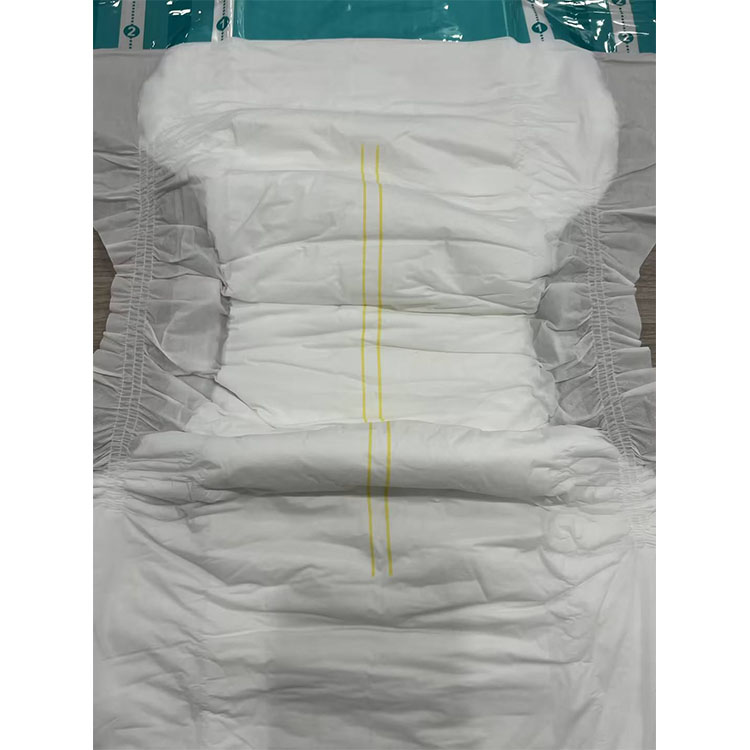
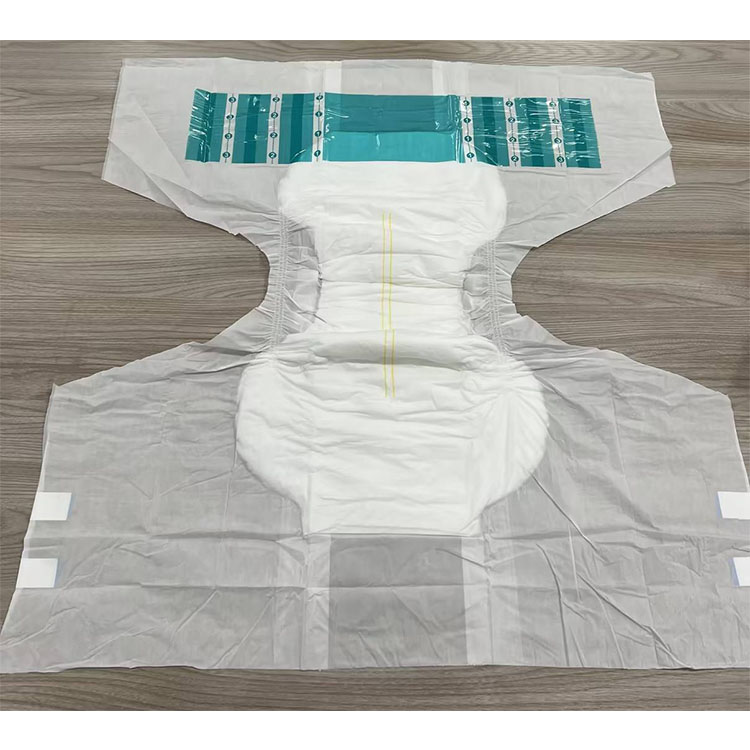
According to EDANA’s adult incontinence absorbent hygiene product nomenclature, the usual structure includes a top sheet, optional acquisition/distribution layer, core wrap, absorbent core, containment flaps, waistband, backsheet, fastening system, elastics, adhesives, and sometimes inks, lotion, or fragrance; the industry’s favorite lie is pretending that only the topsheet deserves scrutiny, when side materials and finishes can matter just as much in real wear. Who benefits from that vagueness?
The fast-dry vs soft-feel topsheet guide on your site gets one thing exactly right: “fast-dry” is a performance claim, not a material. In practice, topsheets in this category are often built from hydrophilic PP nonwoven, PE/PP film structures, or mixed synthetic fiber systems, and the difference between “soft” and “good” is whether the layer still behaves under heat, pressure, rewet, and repeated movement. That distinction is where most adult diaper ingredient list pages fall apart.
The NIH-hosted review Skin Health Connected to the Use of Absorbent Hygiene Products made the point years ago and it still stands: skin damage in these products is not just about liquid exposure, but about microclimate, mechanical interaction, and contact with product materials, while allergic contact dermatitis can still happen from small reactive chemicals in the diaper environment. So when a supplier talks only about absorbency, I assume they are dodging the harder conversation. Why wouldn’t I?
The component table I would actually use in procurement
Component
What it usually is
What can go wrong
What I would demand in the material declaration
Topsheet
PP nonwoven, PE/PP film, mixed synthetic or cellulosic fibers
The topsheet gets the blame, but the side system often does the damage
Short sentence here.
I think buyers obsess over the surface because it is easy to touch in a sample room, while the uglier problems happen at the cuff, elastic, fastening, and backsheet level, where repeated hip movement, groin friction, occlusion, and heat build-up make a technically absorbent diaper feel awful in real life, especially for older users with weaker barrier function and long dwell times. Isn’t that exactly how bad SKUs survive sampling but fail in the field?
The 2010 NIH-hosted case study Improving diaper design to address incontinence associated dermatitis is still one of the more useful pieces of evidence in this space because it was not hand-wavy: the optimized brief kept surface pH at 4.6 versus 7.1 for the standard design, used side panels with air permeability above 1200 l/m²/s, and saw pre-existing IAD lesions resolve in 8 of 12 patients after the switch. That is the kind of component-level thinking I respect.
And here is the part marketers hate.
EDANA’s component guide states that lotions may be added and, in the EU context, should be indicated on pack with an INCI list, while some products are fragranced and, if so, that should also be indicated on pack; a separate PubMed-indexed study on sensitizing fragrances in absorbent hygiene products found eight allergenic fragrances and reported that five products contained at least one allergen above 10 μg/g. So no, I do not treat “hypoallergenic” as a serious claim unless the supplier tells me exactly what was added, exactly what was removed, and exactly which SKU the paperwork covers. Why should any professional buyer do otherwise?
Why material declarations are turning into a legal issue
Paperwork bites.
New York’s S2279C diaper-labeling law is the clearest warning shot I have seen in this space: it requires a plain and conspicuous ingredient list in order of predominance, gives manufacturers no later than twelve months after the effective date for compliance, and allows civil penalties up to $1,000 per package or box. The statute defines diapers broadly enough to include disposable or reusable absorbent products, which is exactly why adult-care buyers should stop pretending ingredient transparency is someone else’s problem. Did you think the paperwork squeeze would stay in baby only forever?
The PFAS side is even messier.
The EPA’s TSCA Section 8(a)(7) PFAS reporting page says most manufacturers now have until October 13, 2026 to submit required data, while small businesses importing PFAS solely in articles have until April 13, 2027; whether your adult diaper SKU uses PFAS is a separate question, but any buyer still refusing to ask about films, coatings, finishes, and upstream statements is operating like it is 2016, not 2026. Why invite a supplier surprise that can later turn into a legal, retail, or customs headache?
Your own adult diaper test reports and certifications page is useful because it already frames the right buyer behavior: ask for ISO 13485-aligned quality evidence where relevant, REACH/SVHC declaration support, upstream material statements where available, and version-controlled documents for repeat orders. I would go further. I would not approve a line extension, “sensitive skin” claim, or premium retail launch unless the supplier can tie those documents to the exact topsheet, exact backsheet, exact adhesive family, and exact fragrance/lotion status of the production SKU. Isn’t that just adult procurement?
What I would ask for before signing the PO
I keep it simple.
If a supplier wants me to believe their adult diaper ingredients are fit for sensitive-skin users, I want a component declaration, REACH/SVHC statement, fragrance and lotion disclosure, topsheet and backsheet specification, absorbency and rewet test data, and a version number tied to the exact item code — not a generic brochure, not a “same as last time” email, and definitely not a sales deck full of soft-focus nonsense. How else are you supposed to check adult diaper ingredients in a way that survives an audit or a complaint?
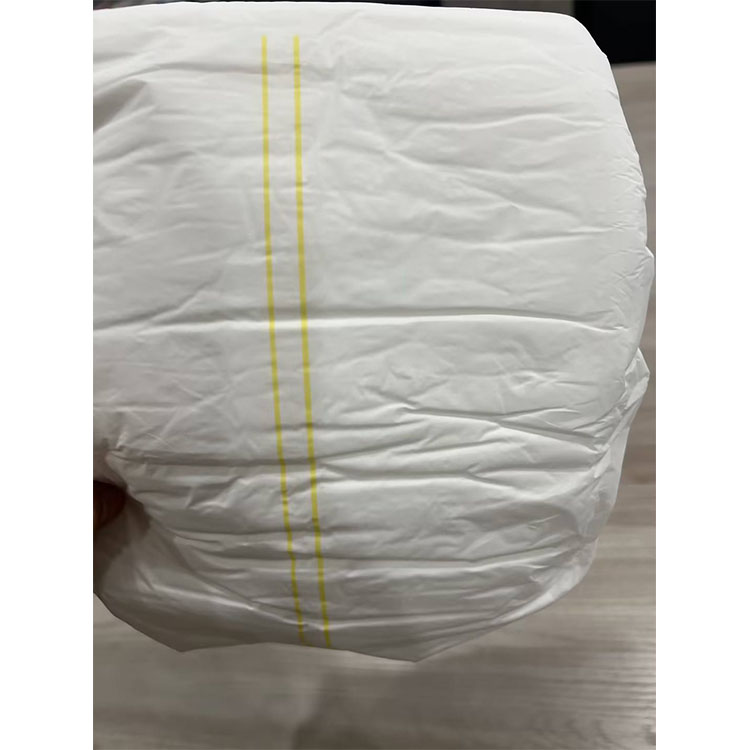
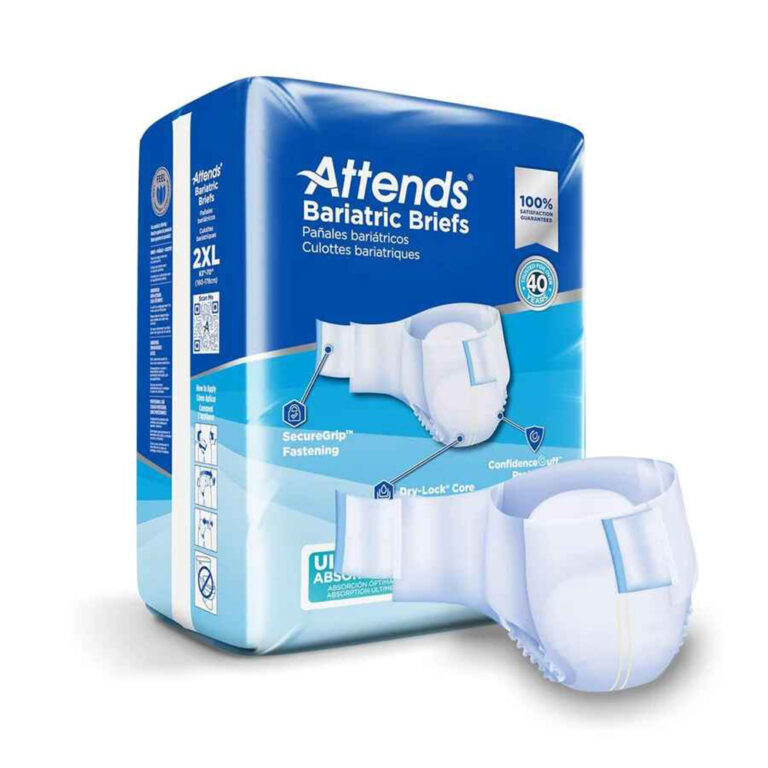
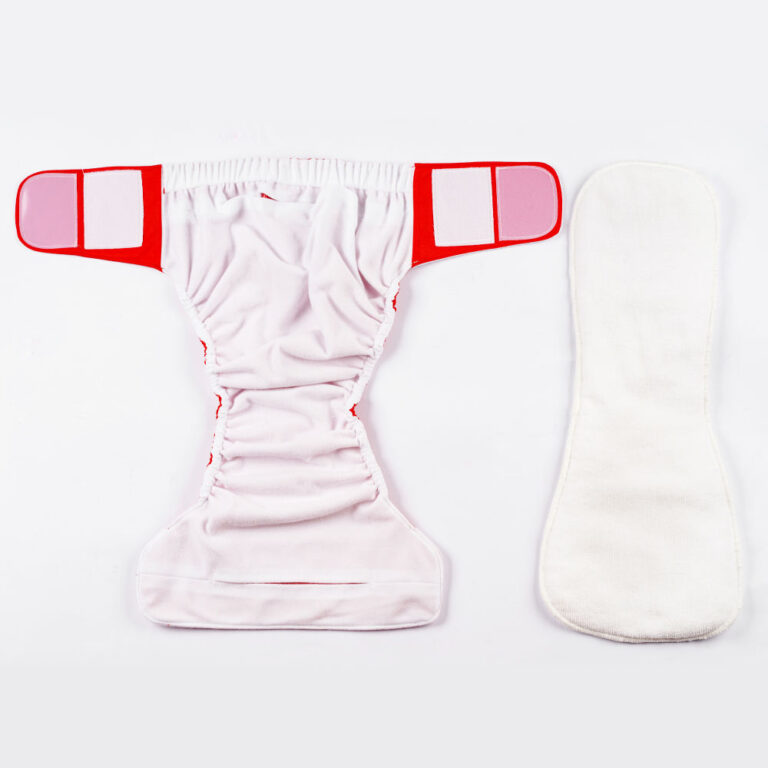
Adult diapers are multi-layer absorbent products built from a skin-contact topsheet, an optional acquisition/distribution layer, a core wrap, an absorbent core made from fluff pulp and superabsorbent polymer, leak-barrier cuffs, elastics, a waterproof backsheet, fastening components, and sometimes lotions, fragrance, inks, or wetness-indicator chemistry. I would never accept “soft nonwoven + SAP” as a complete answer because it tells you almost nothing about the real build.
How do I check an adult diaper ingredient list properly?
Checking adult diaper ingredients means asking the supplier for a component-level declaration that names each layer, polymer family, additive, and any skin-contact finish, then matching that file against packaging claims, test reports, REACH/SVHC statements, and the exact SKU you are buying rather than a generic platform sheet. If the paperwork cannot follow the SKU, I assume the claim cannot either.
Are hypoallergenic adult diapers really hypoallergenic?
Hypoallergenic adult diapers are products marketed to reduce irritation risk by limiting known sensitizers such as fragrance, lotions, dyes, or harsh finishes, but the term has no fixed regulatory magic unless the supplier can show what was removed, what remains, and how the finished product was tested. My rule is blunt: if the declaration is vague, the claim is weak.
Which skin-contact components matter most in adult diapers?
The skin-contact components that matter most in adult diapers are the topsheet surface, any applied lotion or fragrance, cuff nonwovens and elastics rubbing the groin, fastening adhesives or landing-zone materials near the hip, and the backsheet’s breathability because those features shape moisture, friction, heat, and irritation. Buyers who check only absorbency are checking the easy half of the problem.
What are the best adult diapers for sensitive skin?
The best adult diapers for sensitive skin are usually the ones with a clearly identified soft or fast-dry topsheet, a low-rewet core, a breathable backsheet, no added fragrance unless declared, and a transparent paperwork trail that matches the actual SKU, because sensitive-skin claims without documentation are just packaging theater. I trust boring paperwork more than premium wording every time.
Your next move
Do this now.
If you want this article to convert skeptical B2B buyers instead of attracting fluff traffic, anchor the page around “adult diaper ingredients” but make the real offer sharper: show readers how to move from vague marketing language to a usable declaration file, then funnel them into your adult diaper test reports and certifications, your adult diaper product page, and your documentation explainer on what importers should ask for first. Why settle for traffic that reads and leaves when you can attract buyers who are already halfway to an RFQ?