Disposable vs Washable Underpads: A Buyer’s Perspective
Most buyers flinch.
I see the same mistake in tenders, distributor catalogs, and import quotes: people compare disposable underpads and washable underpads as if the only variable is unit price, when the real bill is written by labor minutes, rewet, laundry discipline, skin tolerance, backsheet chemistry, and the ugly cost of one soaked mattress or chair. Why do smart teams keep buying by piece count?
Call them underpads, bed pads, or chux pads if you want. The category is familiar. The buying mistake is familiar too.
Urinary incontinence is not some niche corner case that only affects a tiny slice of demand. The National Institute of Diabetes and Digestive and Kidney Diseases says about 54% of women age 20 and older report urinary incontinence in the past 12 months, and about 15% of men do; a 2024 multicentre nursing-home study found prevalence at 76.5% in its sample, with a mean age of 85.2 years, and only 46% of residents receiving behavioral interventions to prevent or manage it. That means product choice is not a side issue. In a lot of settings, it becomes part of the care system because the care system itself is incomplete.
Here is my blunt view. If your team is asking only, “Which underpad is cheaper?” you are asking a child’s question in an adult procurement meeting. The better question is, “Which pad fails less expensively in my workflow?”
Table of Contents
Where disposable underpads earn their keep
Speed matters.
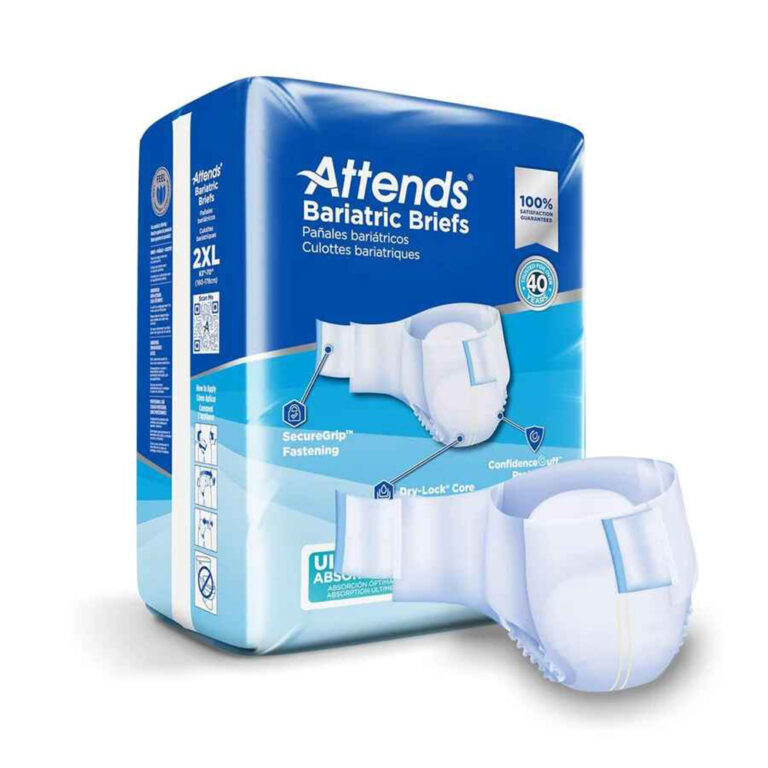
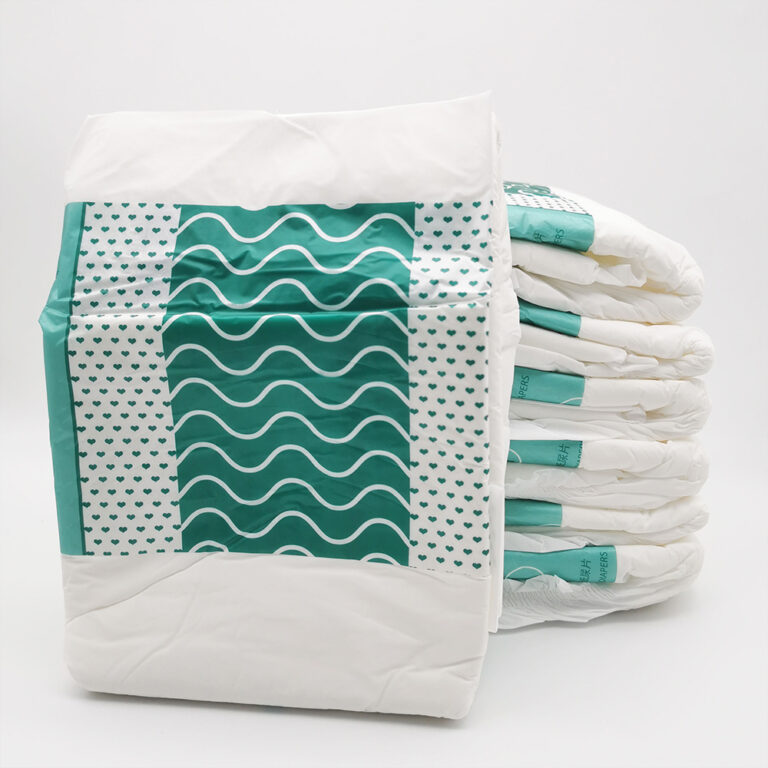
Disposable underpads are the right answer more often than reusable fans like to admit, especially in hospitals, admissions, wound-care turnover, bedside cleanup, home-care visits without dependable laundry, and any setting where a caregiver needs to change the smallest thing fast instead of stripping the whole bed. That is why the site separates disposable underpads for adults from washable options instead of pretending one build serves every channel.
But “disposable” is not automatically “good.” The hard performance issue is not the brochure word absorbency. It is intake speed and retention. The site’s intake speed vs retention comparison says what many buyers learn too late: pads fail when fluid does not go in fast enough, or comes back up under pressure, creating edge leaks, wet-back, and more linen changes. Isn’t that the complaint trail everybody claims they want to avoid?
And material choice inside disposable underpads still matters. The adult-diaper.com product and materials pages point buyers toward PE film and cloth-like PE laminate backsheets for disposable programs, which is exactly where the quality split lives: plain polyethylene for cost-led turnover, cloth-like laminate for quieter hand-feel and better home-care acceptance. Anyone selling both as if they are basically the same is selling laziness.
Where washable underpads actually win
Comfort changes everything.
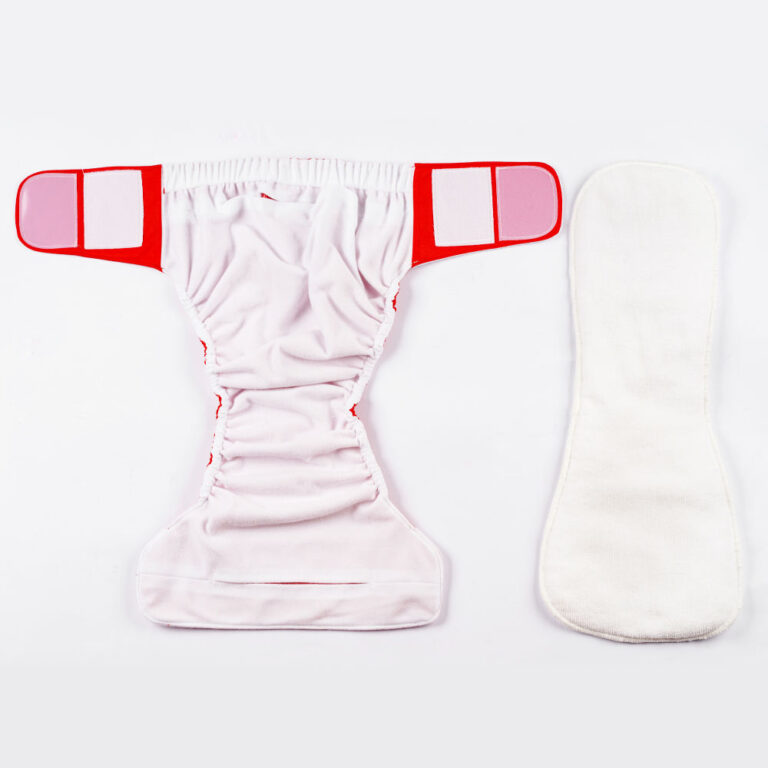
Washable underpads win when the user spends real time on the surface and the laundry loop is real, not imaginary. I mean home care with stable routines, chairs and wheelchairs used all day, long overnight dwell, pharmacy or retail programs where noise and touch matter, and facilities that can wash, dry, inspect, and return pads without turning them into damp fabric liabilities.
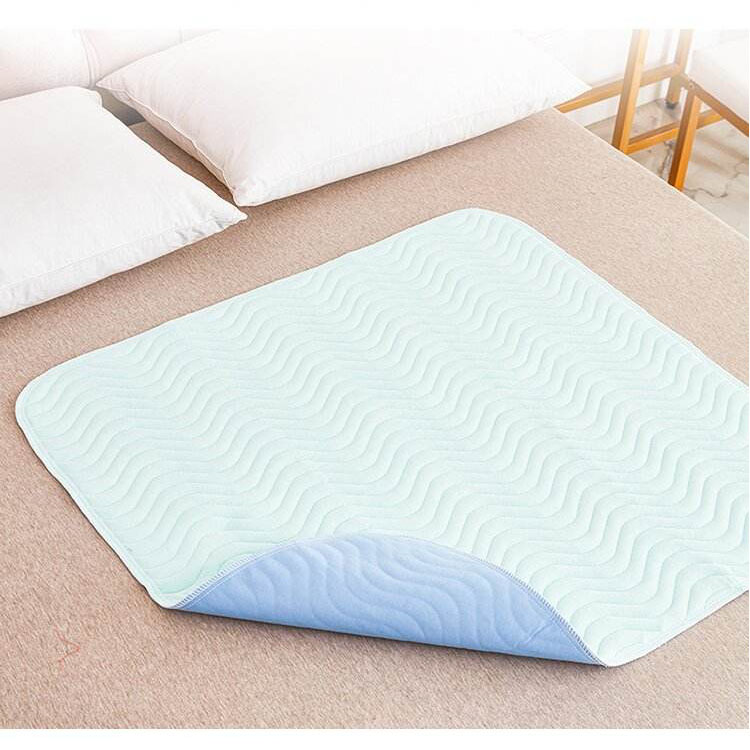
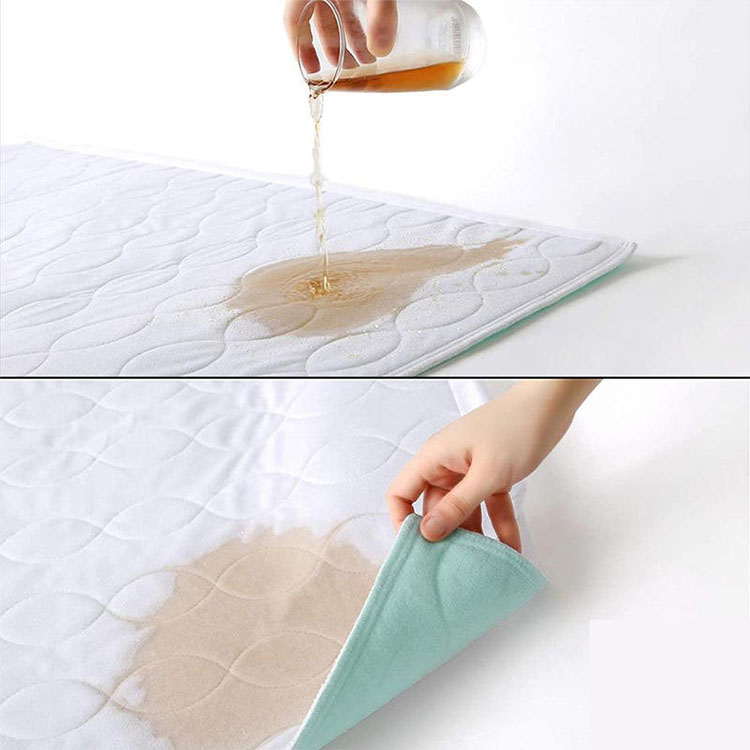
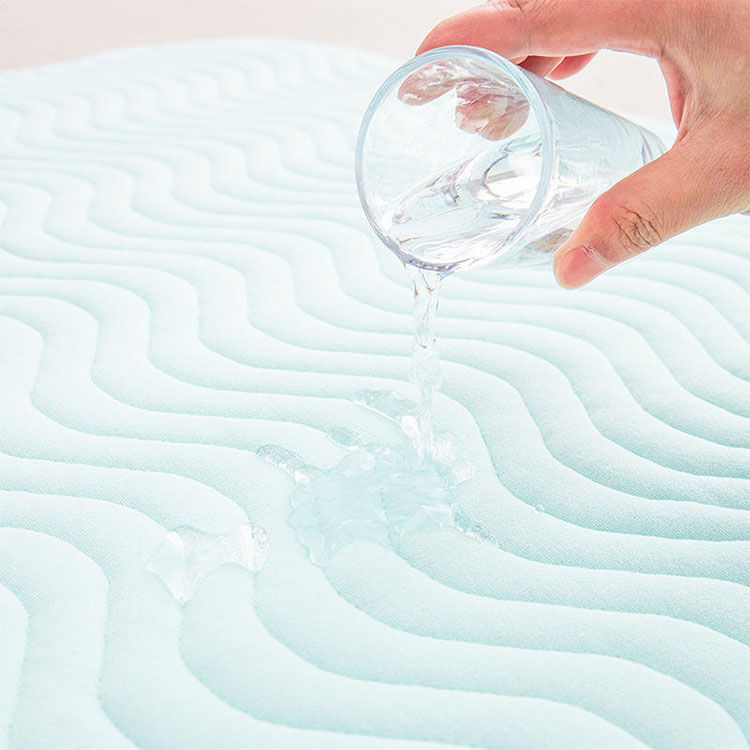
The site’s washable product pages and materials guide point straight at the real decision point: reusable builds usually live or die by the waterproof layer, not the marketing adjectives, with PVC, PU, and TPU all behaving differently in feel, breathability, heat, wash durability, and perceived quality. If a supplier says only “waterproof backing,” I assume they are hiding the interesting part.
The sustainability case is no longer soft talk. A 2026 ICU life-cycle and cost analysis in Melbourne found that switching from single-use under pads and bed protectors to reusable linen cut total carbon emissions 50%, from 7,206 kg CO2e to 3,605 kg CO2e, and avoided about 2.2 tonnes of landfill waste, though overall costs still rose 3% or about $1,005. That is the adult answer: greener, yes; automatically cheaper, no. A separate 2023 life-cycle assessment of reusable and disposable incontinence underpads also concluded that reusable underpads can reduce environmental burdens when laundering and repeat-use cycles are counted properly.
So here is my unpopular opinion. If you buy washable underpads without a laundry discipline that can survive weekends, absenteeism, and sloppy drying, you are not buying savings. You are buying odor, mildew, replacement churn, and angry calls.
The buyer’s table nobody puts in the sales deck
Buying factor
Disposable underpads
Washable underpads
My verdict
Change speed
Fastest
Slower once soiled items must be sorted and laundered
Disposable wins
Comfort on long dwell
Usually weaker with plain PE film
Usually better with PU or TPU builds
Washable wins
Storage and grab-and-go use
Easier
Harder because par levels matter
Disposable wins
Waste output
High
Lower over repeated cycles
Washable wins
Upfront unit cost
Lower
Higher
Disposable wins
Cost over time
Can climb fast with high usage
Can improve if wash cycles are controlled
Depends on discipline
Best fit
Hospitals, turnover care, travel, short-stay use
Home care, chairs, long sits, repeat-use programs
Hybrid beats purity
The best underpads for incontinence are usually not one SKU. They are a two-lane strategy: a disposable lane for speed and contamination-heavy moments, and a washable lane for comfort and repeated daily use. Buyers who force one answer onto both jobs usually end up paying twice.
The chemistry question buyers keep dodging
Chemistry matters now.
In 2026, any serious buyer should care about more than absorbency grams and carton counts. Polyethylene (PE), polyurethane (PU), thermoplastic polyurethane (TPU), and polyvinyl chloride (PVC) do not behave the same, do not feel the same, and do not create the same compliance questions. The site’s underpad backsheet materials guide gets this right by treating backsheet choice as a buying variable, not decoration.
And yes, the compliance angle is real. A July 2024 Reuters report on EPA’s PFAS reporting rule said the rule was published on October 11, 2023, became effective on November 13, 2023, and can expose noncompliant manufacturers or importers to civil fines of up to $48,512 per day; the Federal Register notice confirms the final rule and its timeline. Does that mean every underpad has a PFAS problem? No. Does it mean “don’t ask what film we used” is a stupid sourcing habit now? Absolutely.
My verdict after watching too many buyers learn this the hard way
Here it is.
If I were buying for a hospital ward, I would lead with disposable underpads and demand proof on strike-through time, wet-back, and backsheet consistency. If I were buying for long-dwell home care, wheelchair seating, or premium retail, I would push washable underpads with PU or TPU-backed comfort builds first and keep disposable stock as backup. If I were building a broad private-label line, I would not choose sides at all. I would build a hybrid assortment and cross-sell it with the logic in how to pair briefs with underpads to reduce linen changes.
The market loves fake simplicity. I do not. Disposable versus washable is not a morality play. It is a workflow decision.
FAQs
What is the difference between disposable and washable underpads?
Disposable underpads are single-use absorbent bed pads built for fast changes and contamination-sensitive, high-turnover care, while washable underpads are reusable textile pads with absorbent layers and waterproof backing designed for repeated laundering, lower waste, and longer-dwell comfort when the laundry process is reliable. I would buy disposables for speed and washables for comfort, but only when the handling system is disciplined enough to support them.
Are washable underpads cheaper than disposable underpads?
Washable underpads are cheaper over time only when the buyer controls laundering, replacement rates, drying quality, and labor, because the unit can be reused many times, but the savings disappear fast when pads are lost, underwashed, returned damp, or used in chaotic high-turnover care environments. The 2026 ICU study is the wake-up call: emissions dropped sharply, but total cost still rose 3%, so anybody promising automatic savings is selling fantasy.
What are the best underpads for incontinence at home?
The best underpads for incontinence at home are pads matched to dwell time, skin sensitivity, furniture type, and laundry access, which usually means a washable PU or TPU-backed bed pad for predictable daily use and a disposable backup pad for travel, overnight spikes, or caregiver relief. I would avoid plain cheap plastic-feel product for long bed time unless comfort truly does not matter, which is rarer than buyers admit.
How do buyers choose underpads?
Buyers choose underpads by matching user profile, change frequency, fluid load, surface type, backsheet material, and workflow, then verifying strike-through speed, rewet control, absorbency claims, and compliance documents before discussing price, because a cheap pad that leaks or overheats becomes an expensive problem very quickly. Start with use case, then test performance, then negotiate cost; doing that backward is how bad SKUs sneak into good catalogs.
Are chux pads and underpads the same thing?
Chux pads and underpads usually refer to the same broad product category of absorbent protective bed or chair pads used for urine and fluid management, although buyers and caregivers may use “chux” more casually while suppliers, tenders, and catalogs often use “underpads” or “bed pads.” I do not care which term a supplier uses; I care whether the spec sheet names the backsheet, absorbent structure, and actual performance test.
Your Next Steps
Do this next.
Do not approve one hero SKU and hope for the best. Ask for a three-sample matrix instead: one value disposable PE-backed underpad, one quieter cloth-like disposable underpad, and one washable PU or TPU-backed model. Then test four things in the real world: first-pour intake, rewet after pressure, slippage on fabric, and post-laundry feel. That is how to choose underpads like a buyer, not like a brochure reader.