Why Heavy Incontinence Users Need High-Absorbency Adult Diapers
The Uncomfortable Truth: Light Protection Fails Heavy Users Fast
Leaks punish users.
And when I look at how adult incontinence products are sold, I see the same ugly pattern: brands talk about “comfort” and “discretion” while heavy incontinence users are quietly dealing with wet beds, skin irritation, panic changes, laundry overload, caregiver fatigue, and the silent fear of leaving the house. So why are we still pretending a light pad can do the job of a true high-capacity brief?
Heavy incontinence is not a small inconvenience. According to the CDC’s National Center for Health Statistics report on older Americans, the research pool included NHANES interviews, residential care data, home health and hospice data, and more than 2.4 million nursing home residents in the CMS Long Term Care Minimum Data Set. That is not fringe demand. That is a large care problem hiding in plain sight.
I’ll be blunt: if a user has heavy urinary incontinence, bowel leakage, overnight flooding, dementia-related toileting failure, limited mobility, or caregiver-assisted changes, “regular absorbency” is often a false economy. It looks cheaper on the invoice. Then it charges you back through extra changes, soaked bedding, odor complaints, rushed caregiving, and poor user dignity.
The worst mistake in this category is confusing bulk with performance.
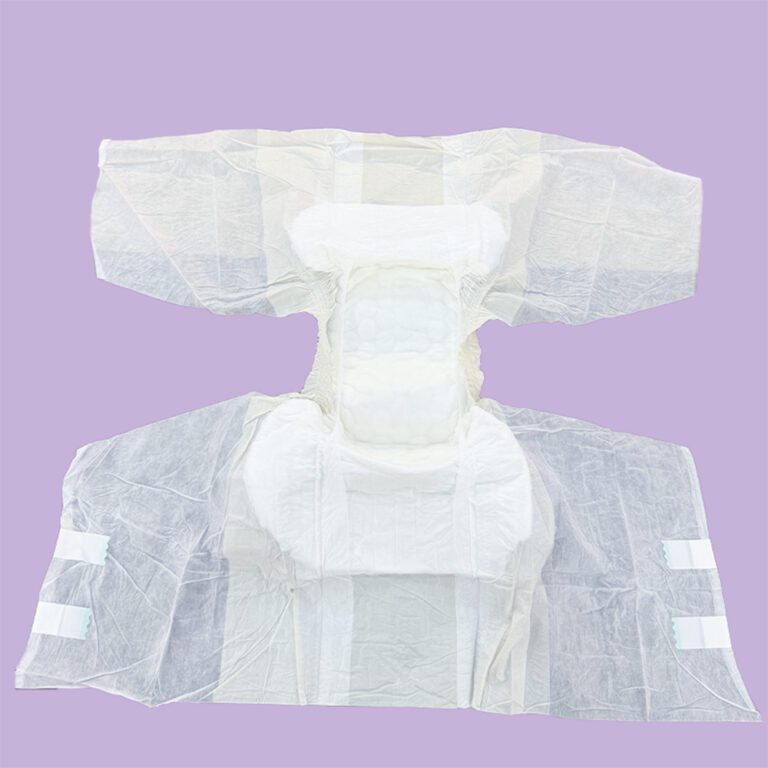
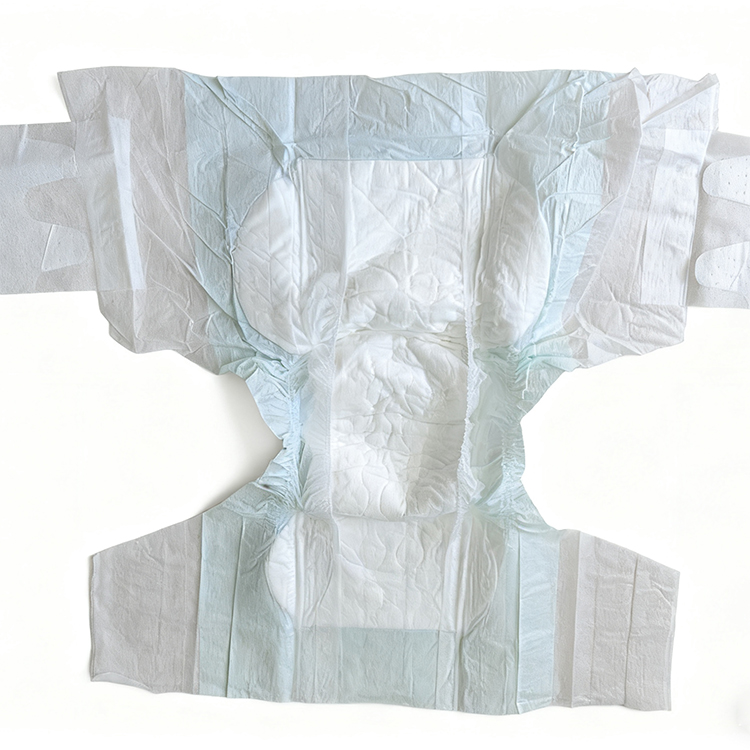
A maximum absorbency adult diaper is not better simply because it feels thick in the hand. The real question is whether the product can take in liquid fast, distribute it away from the strike zone, lock it inside the core, resist rewet under body pressure, and keep the leg openings sealed while the user sits, sleeps, turns, coughs, or transfers from bed to wheelchair.
That sounds technical because it is technical. The FDA’s eCFR definition of a “protective garment for incontinence” describes it as a device made of absorbent padding and a fluid barrier intended to protect an incontinent patient’s garment from excreta; it also clarifies that infant diapers are not included in that device category.
That matters. Adult diapers are not baby diapers scaled up. Adult users weigh more, move differently, sit longer, sleep in different positions, have different urine volume patterns, and may need care routines tied to diabetes, stroke, Parkinson disease, spinal cord injury, dementia, prostate surgery, postpartum recovery, or long-term immobility.
The absorbent core usually depends on fluff pulp plus SAP, commonly sodium polyacrylate, a superabsorbent polymer that traps fluid inside a gel structure. But SAP alone is not magic. If the topsheet is slow, the acquisition layer is weak, or the leg cuffs collapse, even a heavy-looking diaper can leak in minutes.
The Real Reason Heavy Users Need High-Absorbency Adult Diapers
Heavy incontinence users need high absorbency adult diapers because the failure event is bigger, faster, and more punishing than light bladder leakage. A small leak can be inconvenient. A heavy leak can become a bedding change, a wound-care risk, a public accident, or a caregiver workflow breakdown.
StatPearls, published through NCBI Bookshelf, defines urinary incontinence as involuntary leakage and notes that prevalence is often underestimated because many people do not report symptoms to healthcare providers. It also describes heavy clinical burdens in nursing facilities and long-term care, with prevalence rising sharply in those settings.
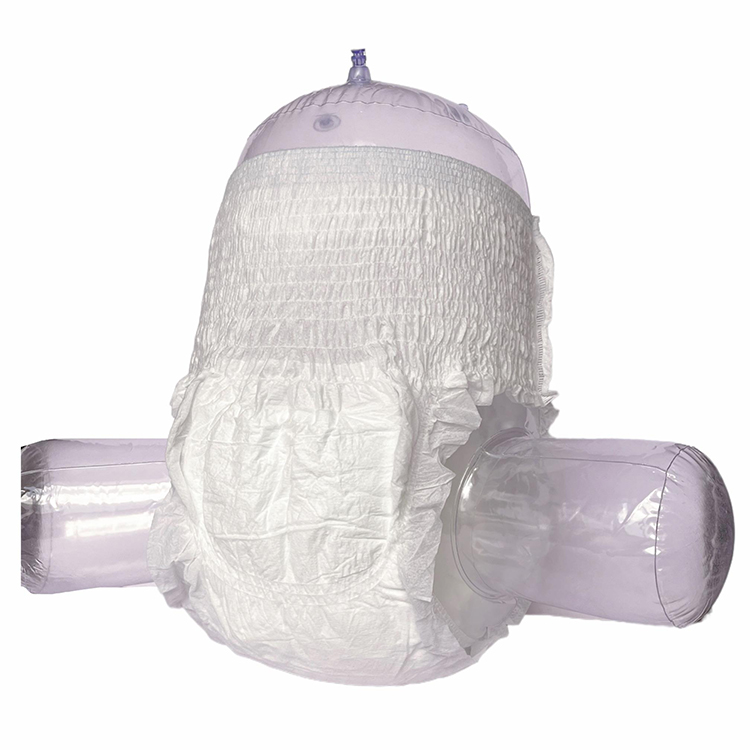
Here is the part most marketing pages skip: the same person may need different products at different times. A mobile user may wear incontinence underwear during errands. But the same user may need adult diapers with tabs at night, after surgery, during illness, or when a caregiver is changing them in bed.
Heavy Leakage Demands Higher Total Capacity
Heavy leakage does not arrive politely.
A user may have one large void while standing up from a chair. Another may leak repeatedly through the night. A third may have mixed urinary and bowel incontinence. In each case, light pads and thin pull-ups can reach saturation too early.
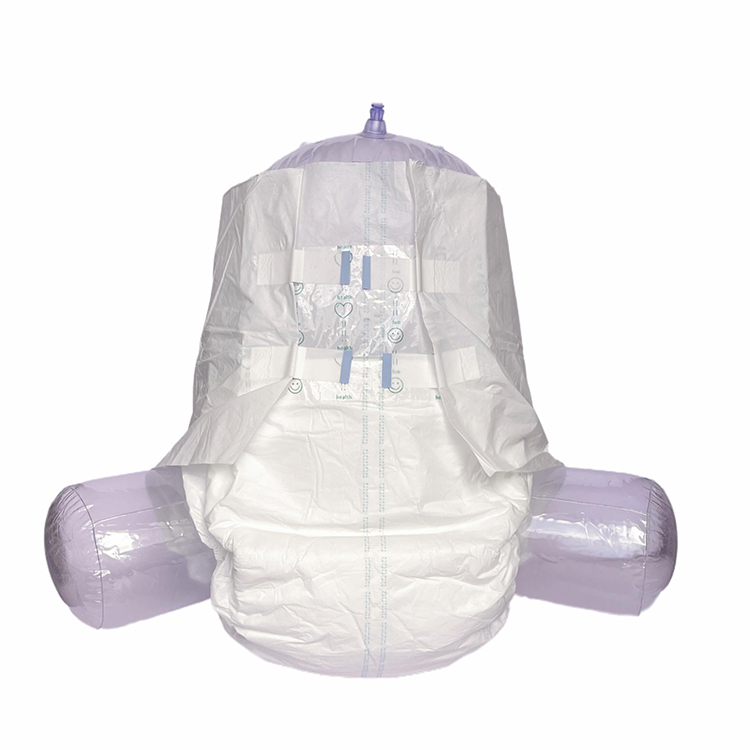
Capacity matters most when changes are delayed by sleep, mobility limits, staffing shortages, travel, or cognitive impairment. That is why adult diapers with tabs are often a better choice for bedridden users, larger-size users, and caregiver-assisted routines. Tabs allow the product to open flat, adjust around the body, and be changed without forcing the user to stand.
Heavy Leakage Needs Faster Intake, Not Just Storage
A diaper can “hold” a lot in a lab and still fail in the real world.
Consumer Reports tested 19 adult pull-up diapers and tab-style briefs, looking at absorption, dryness, and real-world use; its testing method used saline solution and checked how well products kept moisture away from the skin after liquid exposure. That kind of test is closer to reality than a lazy package claim that only says “maximum absorbency.”
Here is the hard truth: a heavy incontinence product must win the first 10 seconds. If liquid pools on the topsheet before entering the core, it will run toward the leg opening. Then the user blames themselves. The caregiver blames the fit. The buyer blames the brand. Often, the real failure was intake speed.
Heavy Leakage Needs Rewet Control Under Pressure
Heavy users sit on the wet core. They roll onto it. They transfer from bed to wheelchair. They sleep on their side.
That pressure can squeeze moisture back toward the skin if the core is poorly built. Rewet is not a cosmetic issue. It affects comfort, odor, skin exposure, and perceived cleanliness. For heavy users, the diaper must not only absorb; it must hold fluid under compression.
This is where many “best adult diapers for heavy incontinence” lists become shallow. They rank products by brand popularity or price. I care more about core integrity, cuff design, refastenable tapes, backsheet breathability, wetness indicator visibility, and whether the product still feels dry after hours of use.
Pull-Ups, Briefs, Booster Pads: Stop Treating Them as the Same Product
Not all adult incontinence products are interchangeable. In fact, using the wrong format is one of the fastest ways to create leaks.
User Situation
Better Product Direction
Why It Works
Common Mistake
Heavy overnight urinary leakage
Overnight adult diapers or tab-style briefs
Higher capacity, better coverage, easier changes
Using daytime pull-ups overnight
Bedridden or caregiver-assisted user
Adult diapers with tabs
Opens flat and adjusts while lying down
Forcing pull-ups over hips in bed
Active user with moderate leaks
Incontinence underwear
Discreet, underwear-like fit
Overbuying bulky briefs for mobility users
Heavy leakage plus long wear time
Brief plus booster pad
Adds absorbency when the base product fits well
Using booster pads without checking flow-through design
Skin exposed to urine or stool
Adult wipes plus scheduled changes
Cleans residue and supports hygiene
Treating wipes as optional after bowel leakage
Repeated side leaks
Better fit, taller cuffs, stronger leg elastics
Stops side-channel escape
Buying a larger size instead of a better fit
If the base brief fits well but the user still needs more capacity, booster pads for adult diapers can make sense. But they must be designed for flow-through use. A random pad with a waterproof backing can block the diaper underneath and create a leak trap.
And if leakage has already become a pattern, read the engineering angle before buying more cases. The issue may be sizing, cuff collapse, intake speed, rewet, or the wrong format altogether. This guide on adult diaper leakage causes fits that problem better than another vague “top 10” list.
The Industry’s Dirty Secret: Stigma Costs Money
Stigma is expensive.
Reuters reported in 2019 that the adult diaper, disposable underwear, and absorbent pad market had grown to $9 billion and had doubled over the prior decade, while manufacturers believed embarrassment kept many adults from buying the right products.
That tracks with what I see in the category: people underbuy protection because they hate the word “diaper.” Retailers soften the language. Families delay the conversation. Users try to manage heavy leakage with light pads because the emotional leap feels smaller.
But biology does not care about branding language.
Reuters also reported in July 2024 that Japanese diaper makers were shifting more resources toward adult diapers as birth rates fall and the population ages; Daio Paper said adult diaper revenue was already double baby diaper revenue, and Japan’s adult diaper market was projected to grow 16% to ¥98.9 billion by 2027.
This is the market telling the truth before polite society does: adult incontinence products are no longer a back-shelf category. They are aging infrastructure.
What Buyers Should Demand From Incontinence Briefs for Heavy Leakage
I would not buy heavy urinary incontinence products from a supplier who cannot answer basic performance questions.
“Very absorbent” is not enough. “Overnight” is not enough. “Soft and breathable” is not enough. Those are brochure words. A serious buyer should ask for the boring details because the boring details decide whether the user wakes up dry.
Ask About Core Design
The core should have enough SAP and fluff pulp to handle heavy output, but the distribution matters. A badly distributed core creates one swollen wet zone while other areas stay underused.
Ask about:
SAP distribution
Core length and width
Acquisition layer design
Wetness lock-in
Rewet performance
Odor-control system
Channel embossing
Front and rear coverage
Ask About Fit and Closure
For heavy incontinence, a weak fit can destroy a strong core. This is where adult diapers with tabs often beat pull-ups for heavy-care settings.
Ask about:
Refastenable tape strength
Waist elastic recovery
Standing leak guard height
Leg cuff tension
Sizing by waist and hip
Bariatric or plus-size fit range
Side-sleeping coverage
Wetness indicator placement
Ask About Skin Contact
Skin is where bad buying decisions show up.
Heavy absorbency should not mean trapping heat and moisture against the user for hours. Breathable backsheets, soft topsheets, fast intake, and low rewet all matter. After bowel leakage, adult wipes for incontinence care are not a nice add-on; they are part of the hygiene system.
Medical care still matters. Overflow urinary incontinence can signal retention and can become physically dangerous, so product management should never replace proper clinical evaluation when symptoms change suddenly, pain appears, or urine output seems abnormal. NCBI Bookshelf specifically notes that overflow urinary incontinence can lead to renal failure and permanent bladder damage.
The Procurement View: Cheap Diapers Can Be the Most Expensive Option
Cheap products look good until the complaints arrive.
I have a strong opinion here: if a care facility, distributor, or private-label buyer chooses the lowest-cost brief without measuring leakage frequency, change count, skin complaints, and caregiver time, they are not saving money. They are moving cost from the purchase order into operations.
A low-cost diaper that needs six changes may lose to a better brief that needs four. A thinner pull-up that leaks at 3 a.m. may cost more than an overnight adult diaper that survives until morning. A weak tab that tears during repositioning may waste the whole product before the core ever reaches capacity.
For OEM or private-label programs, the smarter path is controlled specification: target absorbency, core structure, fit range, packaging count, QC records, batch consistency, and complaint tracking. That is why a direct adult diapers OEM supplier should be judged on repeat-order stability, not just sample-room softness.
FAQs
Why do heavy incontinence users need high-absorbency adult diapers?
Heavy incontinence users need high-absorbency adult diapers because frequent or full-volume bladder or bowel leakage can overwhelm light pads, create side leaks, wet clothing and bedding, and increase moisture exposure against the skin during sleep, travel, immobility, caregiver-assisted care, or daily routines. The right brief gives more total capacity, faster intake, stronger containment, and lower rewet risk.
In plain terms, the user needs a product that can handle real failure conditions, not showroom claims. Heavy leakage is not only about volume. It is about speed, pressure, body position, and time between changes.
Are overnight adult diapers different from daytime adult diapers?
Overnight adult diapers are absorbent briefs built for longer wear time, higher fluid loads, side-sleeping pressure, and reduced change frequency, so they usually need stronger cores, taller leak guards, better rewet control, and a fit that stays sealed while the user turns or lies down. Daytime products may prioritize discretion, thinness, and mobility.
For heavy users, overnight protection should be tested under the conditions that actually happen at night: back sleeping, side sleeping, delayed changes, compression, and repeated voids. A daytime pull-up with an “overnight” label is not automatically enough.
What are the best adult diapers for heavy incontinence?
The best adult diapers for heavy incontinence are tab-style or high-capacity brief products that combine fast intake, low rewet, secure leg cuffs, correct sizing, breathable materials, and realistic caregiver workflow rather than relying only on a large absorbency claim printed on the package. Fit and product format matter as much as absorbency.
I would start by separating users into mobile, semi-mobile, and bed-care groups. Mobile users may prefer pull-ups. Bed-care and heavy overnight users usually need tab-style briefs. Then test samples before committing to bulk.
Do adult diapers with tabs work better for heavy leakage?
Adult diapers with tabs often work better for heavy leakage when the user is bedridden, plus-size, caregiver-assisted, or unable to pull underwear-style products on and off, because tabs allow open changing, tighter fit adjustment, and easier checks without fully undressing the user. They are especially useful for overnight and institutional care.
That does not mean pull-ups are inferior. They are simply built for a different job. Pull-ups are often better for active users who can self-toilet and need a more underwear-like product.
Can booster pads make adult diapers more absorbent?
Booster pads can make adult diapers more absorbent when they are flow-through inserts designed to pass liquid into the main brief after the booster reaches capacity, adding protection for overnight use, travel, heavy leakage, or long change intervals. They should not block the diaper core or create extra bulk that opens leg gaps.
This is where buyers need discipline. A booster pad helps only if the base diaper fits properly. If the original product leaks because of poor sizing or collapsed cuffs, adding a booster may make the fit worse.
Why do high absorbency adult diapers still leak sometimes?
High absorbency adult diapers still leak when the product has poor fit, slow intake speed, weak leg cuffs, high rewet, wrong sizing, wrong format, or too much compression during sitting, turning, or side sleeping, even if the absorbent core has a high theoretical capacity. Leakage is usually a system failure, not one isolated defect.
The first step is to map the leak. Front leak, rear leak, side leak, overflow leak, and pressure rewet all point to different causes. Do not solve every leak by buying a larger size.
Your Next Steps: Choose Protection Based on Failure Risk, Not Pride
If heavy incontinence is part of daily life, stop buying products based on embarrassment, thinness, or the cheapest case price. Start with the user’s real risk: full voids, overnight wear, bowel leakage, mobility, body shape, caregiver support, skin condition, and change frequency.
For heavy leakage, test high absorbency adult diapers, adult diapers with tabs, and booster-pad combinations before scaling up. Track leaks for seven days. Note time of day, body position, product size, change interval, and skin condition. Then choose the product that reduces total failure events, not the one with the loudest package claim.
Ready to build a safer heavy-incontinence product plan? Review the full adult diapers range or request OEM/ODM support from a supplier that can discuss absorbency, fit, leakage control, packaging, and repeat-order quality like adults.