Why Long-Haul Travel Is Creating Demand for Discreet Adult Pull-Ups
Adult pull-ups are no longer bought only for hospitals, nursing homes, or home care. A growing group of mobile adults is using them as practical backup protection during flights, rail journeys, coach transfers, cruises, and airport delays.
That distinction matters.
These travelers are not necessarily looking for the thickest product on the shelf. They want protection that stays hidden under trousers, does not rustle when they walk down an aircraft aisle, and does not sag after several hours of sitting.
Cabins are unforgiving.
A traveler may remain seated under hip and thigh pressure for eight, ten, or fourteen hours while dealing with turbulence, drink-service carts, sleeping passengers, immigration queues, missed connections, and lavatories that can be inaccessible precisely when they are needed most.
Why would anyone trust a static absorbency number to survive all of that?
The demand signal is real. According to IATA’s full-year 2025 passenger data, global passenger demand rose 5.3% during 2025, international demand increased 7.1%, and the international passenger load factor reached a record 83.5%. More people are flying, and aircraft are staying heavily occupied. That means longer queues, fewer empty seats, and less freedom to manage a private health issue quietly.
At the same time, bladder leakage is far from rare. The National Institute of Diabetes and Digestive and Kidney Diseases reports that about 54% of adult women and approximately 15% of adult men surveyed experienced urinary incontinence during the previous 12 months. Many never discuss it openly. They still travel.
That gap between public silence and private need is where discreet adult pull-ups are gaining ground.
Long-Haul Travel Turns a Small Risk Into a Major Planning Problem
A mild bladder-control issue may be manageable at home, where a toilet is nearby and a change of clothing is available. Put the same person in seat 37A during turbulence, with two sleeping passengers between them and the aisle, and the calculation changes.
Travel magnifies uncertainty.
Restroom access cannot be assumed
The most revealing evidence comes from aviation regulation, not diaper marketing.
In its 2023 final rule on accessible lavatories, the U.S. Department of Transportation noted that the share of flights between 1,500 and 3,000 miles operated by single-aisle aircraft increased from under 40% in 1991 to 86% in 2021. These journeys can last four hours or longer.
The same rule reported that 56% of respondents in a disability-travel survey considered inaccessible lavatories sufficient reason to avoid flying unless absolutely necessary. DOT also acknowledged that some passengers resort to dehydration, withholding bodily functions, catheters, or adult diapers because they cannot safely use an onboard toilet.
This is not a theoretical inconvenience. It is documented behavior caused by a physical access problem.
And it will not disappear quickly. Long-range single-aisle aircraft are expanding the number of thin, intercontinental routes. In May 2025, Reuters reported on Wizz Air’s 239-seat Airbus A321XLR, an aircraft designed to take narrow-body economics onto longer routes. More route choice is welcome, but a narrow cabin does not automatically produce easier lavatory access.
Sitting changes product performance
Most absorbency claims are measured under controlled conditions. Travelers do not live under controlled conditions.
They sit on the wet core. They lean toward one hip. They cross their legs. They sleep at an angle. They stand suddenly when the seatbelt sign switches off. Each movement changes fluid distribution and places pressure on the absorbent material.
A pull-up that holds a large volume in a laboratory can still release moisture back toward the topsheet under compression. This is called rewet. It can also send pooled liquid sideways toward a weak leg cuff.
The site’s analysis of movement leak testing for pull-ups makes the problem plain: walking, squatting, sitting, and repeated posture changes test the waistband and leg seal in ways that maximum-capacity figures do not.
I would distrust any “best adult pull-ups for long flights” claim that does not discuss seated pressure, movement, rewet, and fit drift.
Delays extend the wear window
A ten-hour flight is rarely only ten hours.
Add the trip to the airport, check-in, security, boarding, taxi time, immigration, baggage collection, and a connecting train. The actual journey may last 15 to 20 hours.
That does not mean one pull-up should be worn for the entire trip. It means the traveler needs a product and change plan capable of surviving uncertain intervals without panic.
The hard truth is that “12-hour protection” printed on a bag is not a personal guarantee. Output volume, medication, fluid intake, body shape, movement, core design, and fit all affect real wear time.
Discretion Is an Engineering Specification, Not a Marketing Word
Many brands describe their products as discreet because the packaging uses soft colors and avoids the word “diaper.”
That is not discretion.
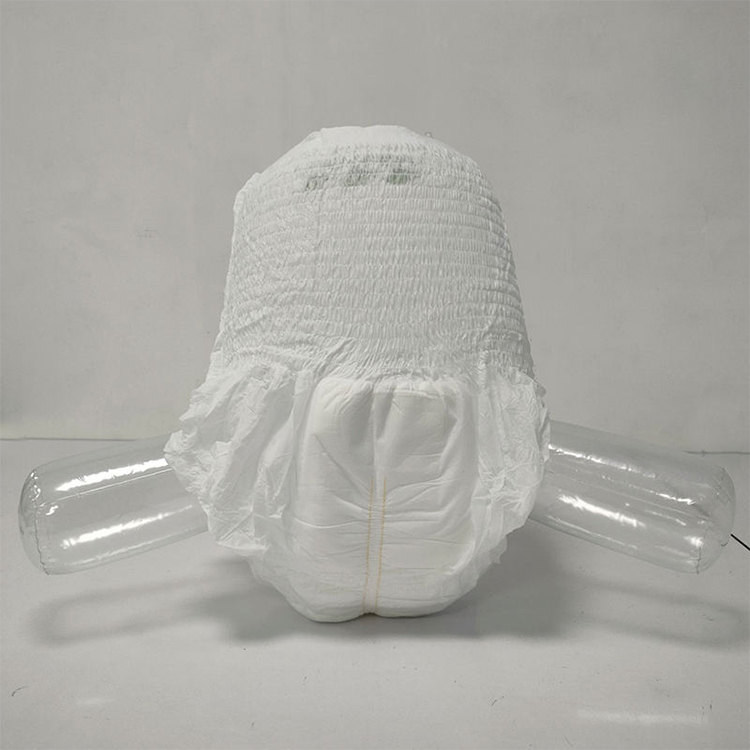
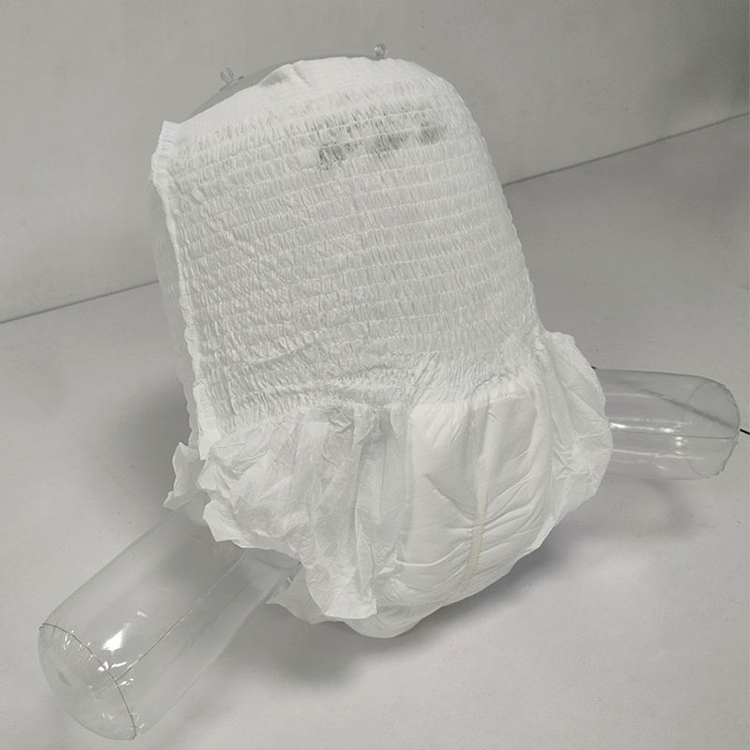
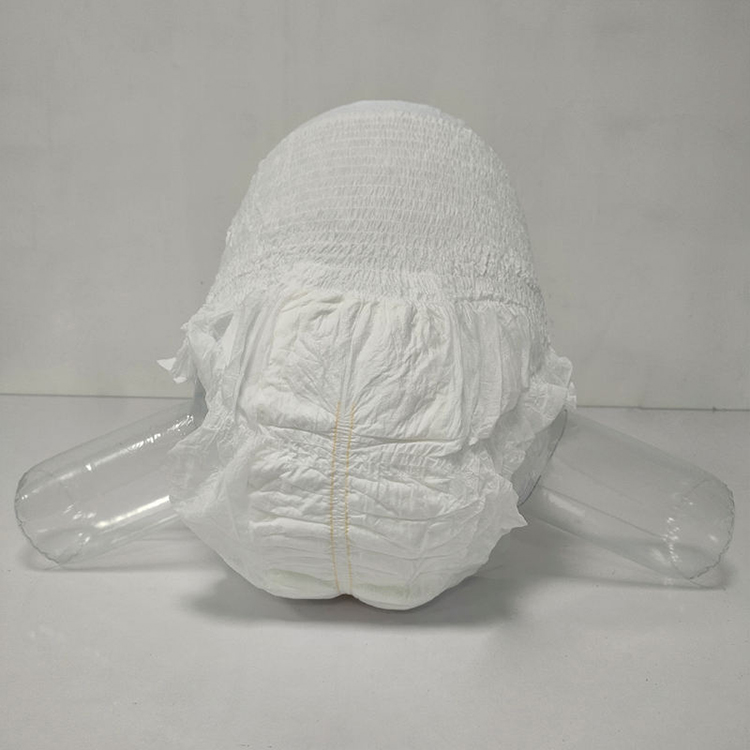
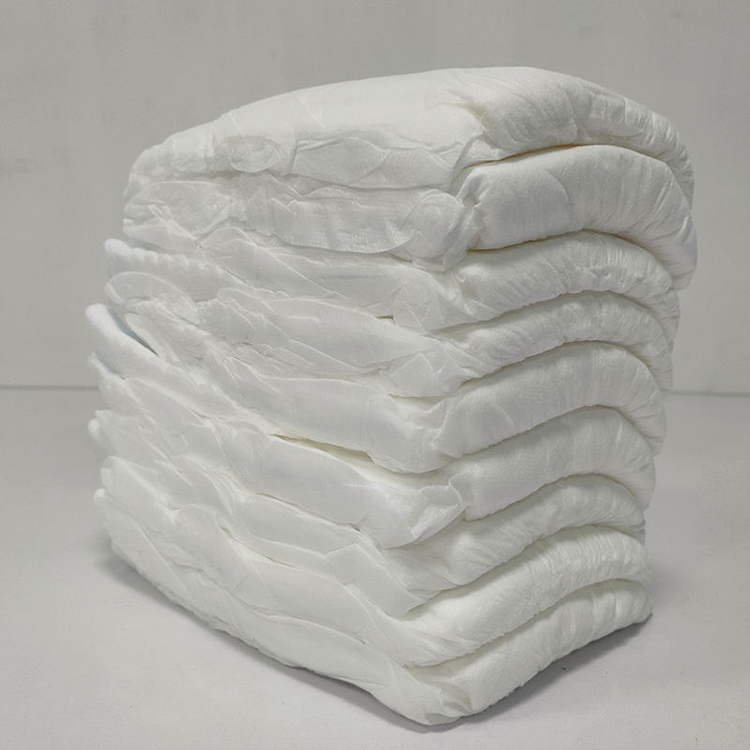
Discretion has to be built into the product. A serious incontinence underwear range should be evaluated by its dry thickness, wet bulk, waistband profile, sound, odor control, leg-line visibility, and stability under movement—not merely by how tasteful the bag looks.
A thin core must still absorb quickly
Most disposable adult incontinence underwear combines fluff pulp with superabsorbent polymer, commonly sodium polyacrylate, represented as (C₃H₃NaO₂)ₙ.
Adding more polymer may increase theoretical retention, but it can also produce gel blocking if the core does not distribute liquid properly. Fluid then pools near the intake point instead of spreading through the available absorbent area.
The result is absurd but common: a pull-up with unused dry material at the back and a leak at the front leg opening.
A travel-ready core needs:
Fast acquisition during sudden leakage
Even front-to-back fluid distribution
Low rewet under seated pressure
Controlled swelling after absorption
Enough dry flexibility to follow the body
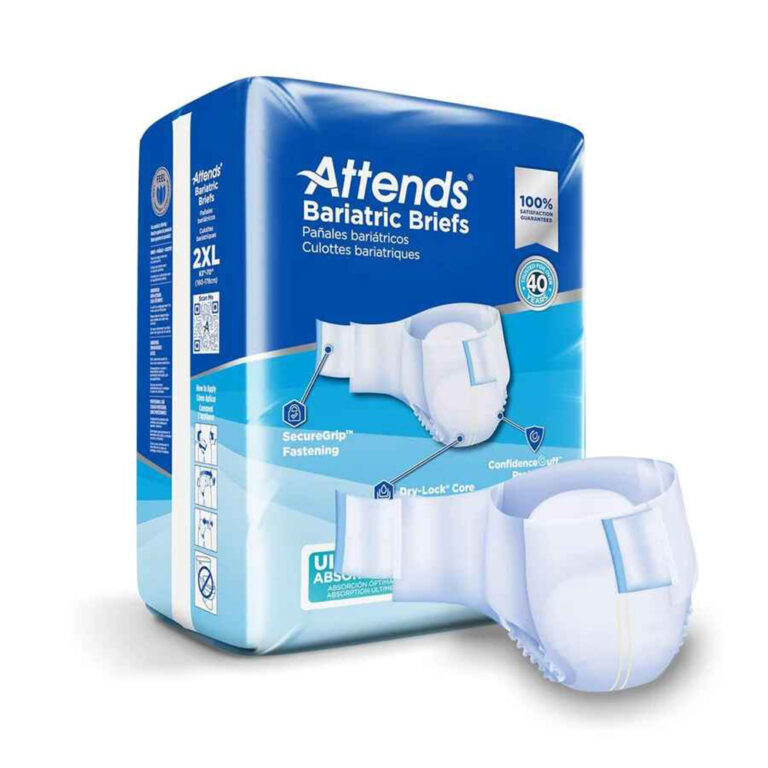
The site’s bladder control underwear for adults reflects this design logic through a fast-absorbing core, snug leg cuffs, a stretchy waistband, and a quiet cloth-like cover intended to remain discreet beneath clothing.
Quiet materials matter more than brands admit
Rustling is not a minor complaint when the wearer is walking through a silent premium cabin or changing in a small airport restroom.
A loud polyethylene-style backsheet can expose the product even when it remains visually hidden. Softer cloth-like laminates tend to reduce sound and feel less medical, although manufacturers still need to validate barrier performance and seam strength.
I consider sound testing an overlooked part of travel-product development. Brands test absorption in grams, yet rarely record what happens when the wearer walks, bends, or removes the product in a tiled restroom.
Users notice.
Fit controls both leakage and visibility
Oversizing adult pull-ups “for comfort” is one of the worst pieces of informal advice in the category.
A loose waist can roll or sag. Loose leg openings create direct escape paths. Excess material gathers beneath fitted clothing and makes the product more visible, not less.
A size that is too small creates a different set of problems: pressure marks, distorted cuffs, restricted core expansion, and side seams that may tear during changes.
Waist measurement alone is not enough. Hip circumference, thigh shape, rise, abdominal profile, and seated posture also affect fit. The site’s guide to the common causes of adult diaper leakage explains why mechanical failures—fit, cuffs, intake speed, and compression—often appear before the absorbent core is genuinely full.
What the Best Adult Pull-Ups for Long Flights Must Prove
Travelers do not need more adjectives. They need evidence that a product can remain stable through the actual stresses of a journey.
Long-Haul Travel Stress
Weak Product Response
Better Travel-Ready Specification
Question Buyers Should Ask
Eight or more hours of sitting
Moisture returns to the surface
Low rewet after pressure testing
How is rewet measured after seated compression?
Turbulence and delayed toilet access
Surface pooling and side leakage
Fast acquisition layer with stable inner cuffs
How quickly does the second or third fluid insult enter the core?
Walking through terminals
Waist rolling, sagging, or core drift
Full elastic waist with movement-tested recovery
Has the pull-up been tested during repeated sit-to-stand cycles?
Slim trousers or uniforms
Visible bulk and leg lines
Controlled dry thickness and low-profile seams
What is the dry and wet caliper of the product?
Overnight flights
Rear saturation or side-sleep leakage
Extended absorbent coverage and stable cuff geometry
Where is absorbency concentrated: front, center, or full length?
Warm cabins and long connections
Heat, sweat, friction, discomfort
Breathable cloth-like backing and soft leg elastics
What breathability and skin-contact materials are documented?
Airport restroom changes
Difficult removal and noisy disposal
Tear-away sides, compact folding, quiet materials
Can the product be removed without taking off shoes and trousers?
Close seating and shared spaces
Odor anxiety
Verified odor-control system and secure containment
Is odor control based on material treatment or only fragrance?
This table exposes the weakness in most retail comparisons. They rank products by absorbency label—moderate, maximum, ultimate—while ignoring the mechanics that decide whether protection survives real movement.
Why Demand Is Expanding Beyond Traditional Care Buyers
The old customer profile was too narrow: elderly, immobile, and receiving assistance.
The travel customer may be independently mobile and professionally active. The person may be managing urgency, recovering from a procedure, living with a mobility limitation, dealing with unpredictable restroom access, or simply refusing to gamble on a tight international connection.
The product is insurance.
And insurance sells differently from institutional care supplies. The buyer searches privately, reads reviews closely, worries about package discretion, and wants to know whether the pull-up will show under clothing.
This is why adult pull-ups for travel should not be merchandised like generic heavy-care briefs. The buyer’s emotional priorities are different:
Avoid a visible accident
Avoid asking strangers for help
Avoid restricting normal hydration
Avoid carrying bulky products
Avoid odor, noise, and obvious outlines
Preserve control during delays
For brands and distributors, my inference is straightforward: travel is becoming a distinct use case rather than a throwaway line in a general product description. Passenger growth, high load factors, narrow-body long-haul operations, and documented lavatory-access problems all support that conclusion.
A travel-oriented range can also include compact disposal bags and individually packed pH-balanced adult body wipes. That is not decorative bundling. It addresses the reality that changing during a connection may happen in a cramped restroom with no shower and limited cleanup options.
Still, manufacturers should resist the temptation to promise that users can wear one product indefinitely. Good travel design supports safer changing. It does not eliminate the need to change.
FAQs
Why are adult pull-ups useful for long-haul travel?
Adult pull-ups for travel are disposable absorbent underwear designed to manage urinary leakage while preserving mobility, privacy, and independent changing, making them useful on long-haul journeys where queues, turbulence, tight cabins, transfers, sleep, and delayed restroom access can turn a manageable bladder-control issue into a stressful public incident.
They work best as planned protection for people already managing bladder leakage or access limitations. They should not be treated as a reason to avoid normal hydration or ignore new urinary symptoms.
What are the best adult pull-ups for long flights?
The best adult pull-ups for long flights are slim, quiet protective underwear with fast fluid acquisition, low rewet under seated pressure, stable leg cuffs, a full elastic waistband, breathable cloth-like backing, odor-control options, and tested capacity matched to the traveler’s leakage pattern rather than the longest advertised wear time.
Fit should be tested while sitting and walking, not only while standing in front of a mirror. Pack at least one spare beyond the number you expect to use.
Are adult pull-ups discreet under clothing?
Adult pull-ups can be discreet under clothing when the dry and wet core remains low-profile, the waistband lies flat, the backsheet does not rustle, the leg elastics avoid visible lines, and the size follows both waist and hip measurements instead of relying on an overly broad small-medium-large label.
Dark, slightly relaxed travel clothing can reduce visible outlines. Oversizing usually creates more sagging and bulk, so it is not a reliable discretion strategy.
How do you choose adult pull-ups for long-haul travel?
To choose adult pull-ups for long-haul travel, start with waist and hip measurements, usual leakage volume, mobility, expected seated time, connection length, access to an accessible lavatory, clothing fit, skin sensitivity, and a realistic change plan that includes spare products, wipes, disposal bags, and backup clothing.
Test the product at home before departure. Sit, walk, climb stairs, and wear it under the clothing planned for the trip. A flight is a terrible place to discover that the waistband rolls.
Can one adult pull-up be worn for an entire 12-hour flight?
A traveler should not assume one adult pull-up will remain safe or comfortable throughout a 12-hour flight because wear time depends on output, capacity, rewet, skin condition, seated pressure, fit, and restroom access; the safer approach is to check the product and change it as soon as reasonably practical.
Advertising terms such as “overnight” or “maximum” are not universal performance standards. Build the change schedule around the individual, not the largest number printed on the package.
Your Next Step: Specify a Travel-Ready Pull-Up, Not a Generic One
For retailers, importers, private-label brands, and travel-health suppliers, the opportunity is not simply to put an airplane graphic on an existing pack.
Build the specification around the journey.
Require data for acquisition speed, repeated fluid loading, rewet under compression, waistband recovery, leg-cuff stability, dry and wet thickness, side-seam removal, material noise, odor control, and fit grading. Then test the product during sitting, walking, bending, and repeated pull-down cycles.
And be honest about its limits.
A credible travel pull-up should protect dignity without pretending that one absorbency figure answers every question. Brands ready to develop that type of product can use the site’s adult pull-up OEM/ODM services to define absorbency levels, sizes, materials, packaging formats, and validation requirements before committing to a bulk order.
The market does not need another “maximum protection” bag.