Why Underpads Are a Strong Add-On Item for Urinary Incontinence Brands
The Unsexy SKU That Silently Has the Reorder
Leakages offer systems.
When a brand name treats incontinence underpads as a low-prestige device, it generally misses out on the deeper industrial reality that caregivers acquire surface security, clean-up rate, psychological peace of mind, and reorder assurance in the very same basket as briefs or pull-ups. Why let another distributor capture that repeat sale?
Here is my blunt view: underpads are not “added.” They are damage control.
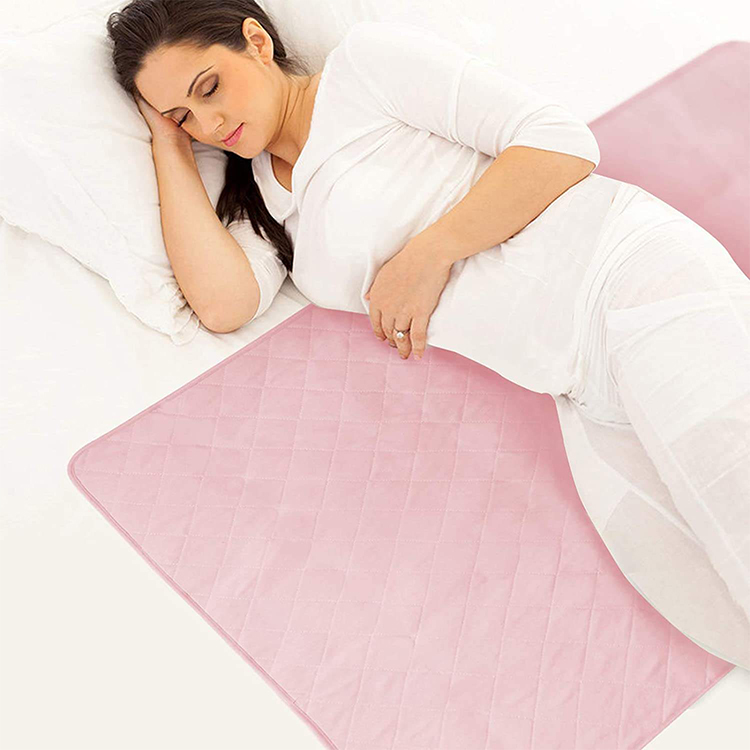
A non reusable brief safeguards the body. A non reusable underpad shields the room. That difference matters in home treatment, healthcare facilities, nursing homes, hospice, rehabilitation centers, postpartum care, and long-lasting treatment procurement. It matters because a damp mattress is not a small problem. It is laundry, odor, skin exposure, household temper, team time, and often a reimbursement request that never turns up nicely in the item P&L.
The market pressure is not academic either. The that ageing and health and wellness truth sheet reports that by 2030, 1 in 6 individuals around the world will be aged 60 or older, rising from 1 billion individuals in 2020 to 1.4 billion, and getting to 2.1 billion by 2050. That is not simply a health care figure. It is an absorbent-products demand curve.
And the buyer is currently educated to assume in bundles. Adult briefs, pull-ups, booster pads, wipes, handwear covers, disposal bags, cushion guards, and bed pads for urinary incontinence all reside in the same treatment event. If your brand markets just the body-worn product, you are leaving the cleaning economic situation to another person.
Table of Contents
Why Adult Incontinence Bed Pads Fit the Real Care Operations
A lot of brand names discuss absorbency like it exists in a laboratory.
Caregivers do not.
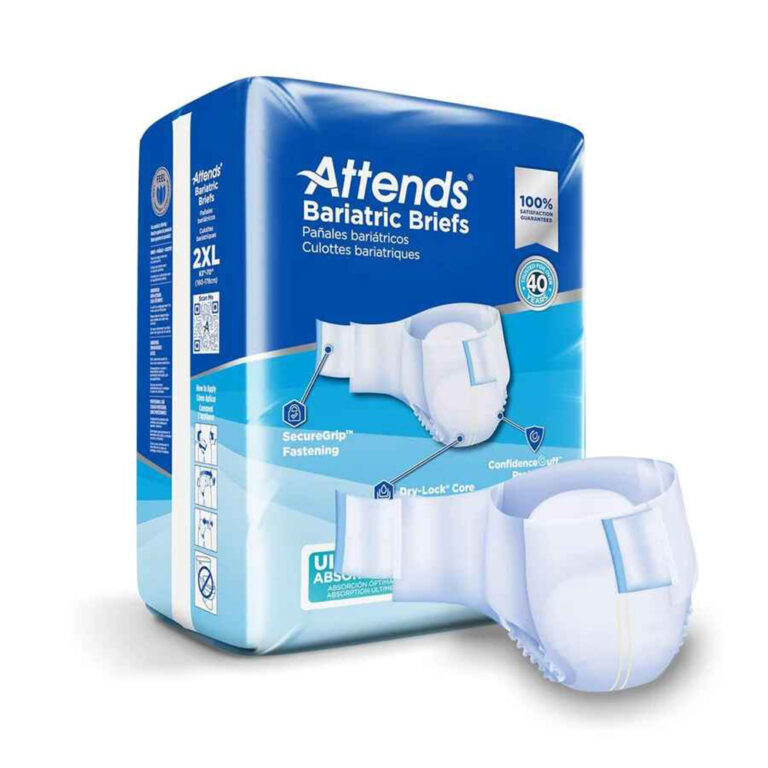
They handle turning, training, wiping, smell, damp sheets, inadequate lighting, minimal team, and families who notice every little thing. This is why a solid underpad line fits naturally close to adult diapers with tabs, especially for bedridden individuals, helped modifications, over night treatment, and bowel-management regimens.
The CDC/NCHS report on older Americans located that amongst noninstitutionalized people aged 65 and over, 50.9% reported urinary system leak and/or unintentional digestive tract leakage, with 43.8% reporting urinary leakage and 17.3% coverage unintended bowel leak. The example base consisted of NHANES meetings, residential care centers, home wellness and hospice treatment, and assisted living home information, so this is not a tiny specific niche hiding in a corner.
But right here is the unsightly part.
A lot of brands still sell underpads like asset paper. “Soft.” “Absorbent.” “Leakproof.” Penalty. Everybody states that. The far better inquiry is whether the pad makes its area in the treatment routine.
An actual underpad program should respond to these acquiring inquiries:
Purchaser Inquiry
What It Means Commercially
Item Feature That In Fact Matters
Will it shield the mattress?
Lowers substitute cases, complaints, and washing lots
Absorption, rewet, leak, health examination records
This is where disposable underpads for adults end up being greater than a classification web page. The variety already covers beds, chairs, exam tables, disposable and reusable choices, different absorbency levels, and OEM/ODM pack flexibility, which is precisely just how a specialist buyer assumes when developing an incontinence product add-on system.
The Margin Story Nobody Suches As Claiming Aloud
Underpads are not extravagant.
But neither are repeat margins, and no one in circulation grumbles when a low-drama SKU keeps relocating every month.
I would certainly say that underpads are one of the cleanest attachments in adult incontinence due to the fact that they are simple to discuss, simple to bundle, and psychologically simple to warrant. A caretaker may dispute whether the user needs pull-ups or tab-style briefs. They rarely require a lengthy thoughtful argument regarding shielding a cushion.
That is the hard fact. Underpads decrease choice friction.
Reuters reported that the adult diaper, disposable undergarments, and absorptive pad market had actually folded the previous decade and reached around $9 billion, with development tied to aging populaces and the preconception around weak bladders. The same record noted that just about half of greater than 400 million adults most likely impacted by weak bladders were acquiring the right products. That space is where better education and learning and far better product style can win.
And Japan offers the market a very public case study. Oji Holdings said it would stop making kids’s nappies domestically and elevate manufacturing of grown-up diapers due to the fact that need had actually changed with maturing demographics; grown-up baby diaper sales had actually exceeded child nappies in Japan for well over a years, according to The Guardian’s coverage on Oji Holdings.
So what does that mean for underpads?
It means the future purchaser is not simply getting “diapers.” The future buyer is acquiring a treatment system. Brand names that sell just briefs are solving just half the mess.
Disposable Underpads, Chux Pads, and Reusable Underpads: The Profile Reasoning
Not every customer ought to purchase the same pad.
That seems noticeable, yet too many brand names construct underpad arrays as if one blue 60 × 90 cm pad can fix every use instance from light chair protection to hefty overnight bed leak. It can not. And the market understands it.
A severe underpad line need to typically consist of:
Disposable Underpads for High-Volume Care
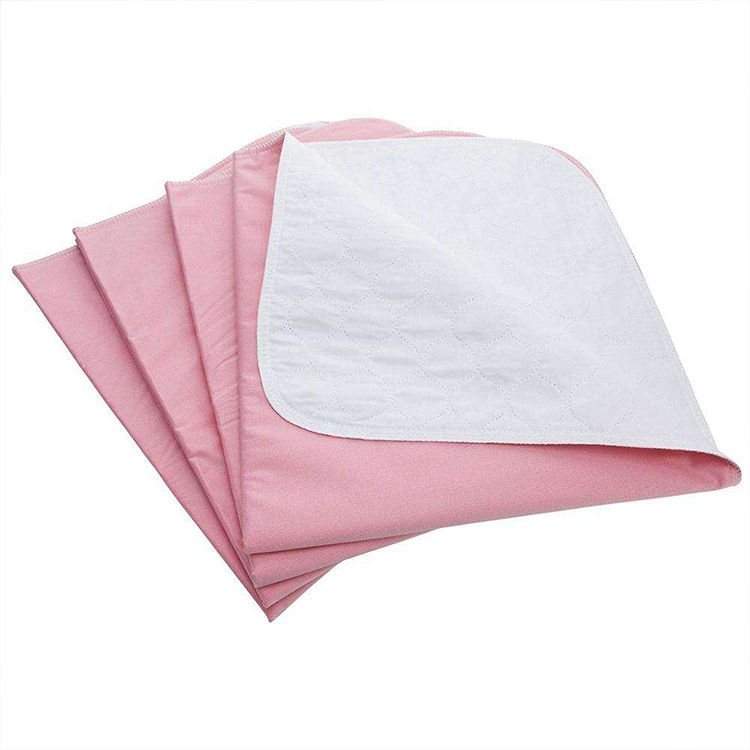
Non reusable underpads, frequently called Chux pads, are the workhorse SKU for healthcare facilities, nursing homes, hospice, facilities, and home-care regimens where contamination threat, labor time, and ease matter more than clean cycles. The overview on what disposable underpads are utilized for properly frameworks them as surface protection for beds, chairs, mobility devices, test tables, body fluids, injury water drainage, and care-related spills.
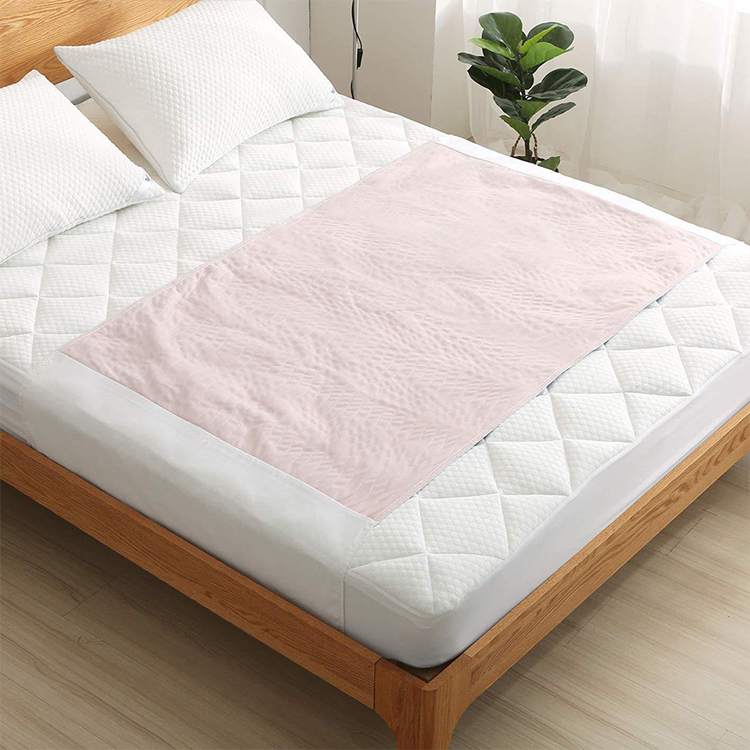
Adult Urinary Incontinence Bed Pads for Overnight Security
Over night individuals need surface security due to the fact that briefs can shift, cuffs can fail, and high-volume episodes can bewilder a body-worn product. I do not care exactly how certain the specification sheet sounds; actual bodies relocate, caregivers miss timing, and beds take the punishment.
Multiple-use Underpads for Cost-Control Purchasers
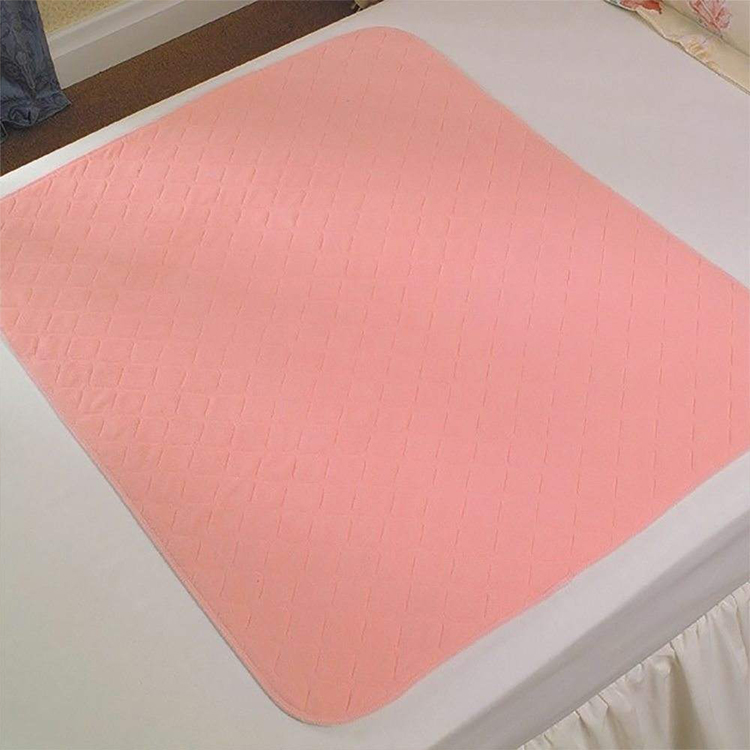
Reusable underpads fit some home-care and institutional purchasers who can handle laundering, track pad loss, and approve the functional trade-off. They are not instantly less costly. They are less costly only when clean logistics, labor, drying, infection-control guidelines, and replacement rates are truthfully counted.
Booster Pads and Underpads as a Paired Market
For heavy leak, brands must not compel purchasers to select between “more absorbing short” and “surface area defense.” A smarter provide pairs booster pads and urinary incontinence pads with underpads, especially for over night, travel, and assisted-care regimens.
Adult Wipes as the Cleanup Completion
A leak occasion is not ended up when the pad is discarded. Skin cleansing still has to occur. This is why adult wipes belong near underpads in both ecommerce retailing and supplier catalogs.
Regulation Is Boring Till It Blocks Your Delivery
Right here is where weak brand names obtain exposed.
They treat urinary incontinence underpads like a straightforward health commodity, then act surprised when customers ask for enrollment proof, test reports, labeling details, issue handling, product safety statements, or market-specific paperwork.
In the United States, the eCFR defines a “safety garment for incontinence” as a device consisting of absorptive cushioning and a fluid obstacle meant to protect an incontinent individual’s garment from excreta; it classifies the gadget as Class I under 21 CFR 876.5920. That is lawful language, not marketing fluff.
The FDA tool listing data source also shows “draw-sheet for unwell beds,” “incontinence pad,” and “incontinence sheets” under the protective garment for incontinence category, Item Code EYQ, Tool Class 1, Regulation Number 876.5920. If you are offering worldwide, those information matter since a buyer might not ask on the initial email, but they will certainly ask before serious onboarding.
Europe adds another layer. A 2023 Frontiers risk-assessment paper on grown-up urinary system incontinence items states that grown-up urinary incontinence items are controlled as Class I medical gadgets in the EU, with safety analysis, technological documentation, and post-market monitoring assumptions under MDR.
This is why I would connect any underpad sales web page to check records and qualifications for worldwide buyers, not as decoration, but as a conversion tool. Specialist customers do not just get absorbency. They purchase danger decrease.
Why Medicare, Medicaid, and Private Pay Forming the Add-On Opportunity
The compensation angle is uncomfortable, yet it drives behavior.
Medicare.gov states simply that Initial Medicare does not cover incontinence supplies or grown-up diapers, and users pay 100% for non-covered items and services, although some Medicare Benefit strategies may supply additional advantages. That implies several family members are getting of pocket, comparing pack dimensions, watching per-piece cost, and trying to avoid noticeable failings at home.
So the add-on sale needs to feel rational.
Do not place underpads as “one more thing to get.” Placement them as defense versus a bigger loss: a wet bed mattress, added laundry, odor, caregiver exhaustion, and humiliation when family members or team walk right into a room at the incorrect minute.
That is why private-label programs ought to construct underpads into the starter package:
Pull-ups or tab-style briefs for body-worn leak
Booster pads for added absorbency
Disposable underpads for surface area defense
Adult wipes for cleansing
Disposal bags or handwear covers where the network sustains them
This is likewise where an adult diapers OEM supplier and ODM manufacturing facility can do more than produce a single SKU. The stronger play is array engineering: absorbency rates, sizes, backsheet options, packaging matters, sample packs, retail packages, and supplier situation loads.
The Product Specifications That Different Genuine Underpads From Inexpensive Blue Sheets
Inexpensive pads can look penalty in an item image.
Then fluid hits.
The first failing is normally not complete absorbency; it is consumption speed. If liquid rests on the surface area as well long, it discovers a side, a crease, a nadir, or a caretaker’s sleeve. The 2nd failing is rewet. A pad may “hold” liquid yet still leave the surface damp under body stress. The 3rd failing is backing weakness. If the waterproof layer tears, slides, or feels noisy and plastic-heavy, individuals notice.
For private-label brands, I would certainly develop the underpad brief around measurable efficiency instead of vague adjectives:
Spec Area
Weak Copy
More Powerful Buyer-Facing Insurance Claim
Core
“High absorbency”
Fluff/SAP core developed for fast intake and fluid retention
Surface area
“Soft top”
Non-woven topsheet for skin-contact comfort during bed or chair usage
Support
“Leakproof”
Water-proof PE or cloth-like backsheet to secure beds and furnishings
Sizing
“Plus size”
Use-case dimensions for chairs, beds, wheelchairs, and overnight treatment
Proof
“Premium high quality”
Absorption, rewet, leakage, health, and batch uniformity information offered
And indeed, I would prevent over-promising. Underpads do not stop stress injuries by themselves. They do not change rearranging, skin checks, medical judgment, nutrition, or moisture management methods. Stating or else slouches and risky.
FAQs
What are incontinence underpads?
Urinary incontinence underpads are absorbent surface-protection pads positioned on beds, chairs, mobility devices, or test tables to catch urine, light body liquids, and leak while shielding furnishings, bed linens, and care surface areas from contamination, odor, and wetness damages during adult urinary incontinence treatment.
They are additionally called disposable underpads, Chux pads, bed pads for urinary incontinence, adult urinary incontinence bed pads, waterproof underpads, medical underpads, or absorbing bed pads. The name modifications by buyer type. Health centers frequently utilize medical language. Home caregivers usually search by trouble: wet bed, pee pad, or chair guard.
Why should incontinence brands offer underpads?
Urinary incontinence brand names need to offer underpads because they enhance basket dimension, protect customers from surface-level leak problems, assistance caretaker operations, and develop a natural add-on close to briefs, pull-ups, booster pads, and adult wipes in both home-care and institutional acquiring regimens.
The business factor is simple: body-worn products fail in some cases, also excellent ones. Users move. Briefs change. Over night volume spikes. Caretakers miss modifications. Underpads offer the brand a 2nd layer of defense and a second reorder path.
Are disposable underpads the like Chux pads?
Disposable underpads and Chux pads normally refer to the exact same item category: single-use absorbent pads with a soft topsheet, absorptive core, and water-proof backing designed to shield beds, chairs, mobility devices, and treatment surface areas from pee leak and various other light liquids.
” Chux” is still common in healthcare and home-care language, specifically in The United States and Canada. For SEO, both terms matter. For specialist sourcing, “non reusable underpads” is typically cleaner since it explains the category without relying upon a nickname.
Are reusable underpads much better than non reusable underpads?
Multiple-use underpads are much better when laundering systems, replacement tracking, and long-lasting price control are well managed, while non reusable underpads are better when infection control, fast clean-up, caregiver time, traveling, or high-volume institutional use makes single-use benefit much more functional.
I would not frame this as an ethical competition. It is a workflow option. Recyclable pads can decrease waste in some settings, however they include washing, drying, storage, and loss-control concerns. Disposable pads set you back even more per use but conserve time when speed and contamination control matter.
What makes the very best underpads for incontinence?
The most effective underpads for urinary incontinence combine fast consumption, low rewet, strong water resistant support, comfortable skin-contact material, appropriate dimension insurance coverage, steady placement, honest absorbency claims, and available examination documentation so customers can contrast efficiency as opposed to relying upon vague “premium” language.
For adult incontinence brand names, the best underpad is not always the thickest. It is the pad that fits the care scenario. A chair pad, bed pad, wheelchair pad, and overnight pad must not all be evaluated by one spec sheet line.
Final Ideas: Construct the Attachment Before Someone Else Does
Underpads are where practical brand names win.
If you sell adult diapers, pull-ups, or bladder control pads without incontinence underpads, you are providing your competitors a simple 2nd sale. Construct the system: briefs for the body, underpads for the bed, booster pads for capability, wipes for cleaning, and paperwork for significant purchasers.
Beginning with the customer’s mess, not your catalog.
After that produce the underpad line around genuine treatment usage: disposable underpads for high-turnover routines, adult incontinence bed pads for over night defense, multiple-use underpads for chosen cost-control networks, and clear OEM/ODM product packaging for representatives, pharmacies, care homes, and ecommerce personal tags.
Prepared to construct a more powerful incontinence item add-on variety? Evaluation your existing selection, recognize the missing out on surface-protection SKUs, and request samples, absorbency targets, product packaging alternatives, and conformity documents prior to your next reorder cycle.