Tuckable Underpads vs Standard Bed Pads for Night Care
A bed pad that slides out from under a sleeping adult at 3 a.m. protects nothing. For night care, absorbency is only part of the question. The pad also has to stay where it was placed, contain fluid out to its edges, and let a caregiver change it without remaking the whole bed. Tuckable underpads add side wings that fold under the mattress to anchor the pad. Standard bed pads are flat rectangles that rely on friction, a fitted sheet, or the user’s body weight. Each design solves a different problem and brings different trade-offs in skin contact, layer count, sizing, and freight cost. This guide compares the two for distributors, care-facility buyers, and private-label brands, and explains what to specify before requesting a quote.
What Is the Difference Between a Tuckable Underpad and a Standard Bed Pad?
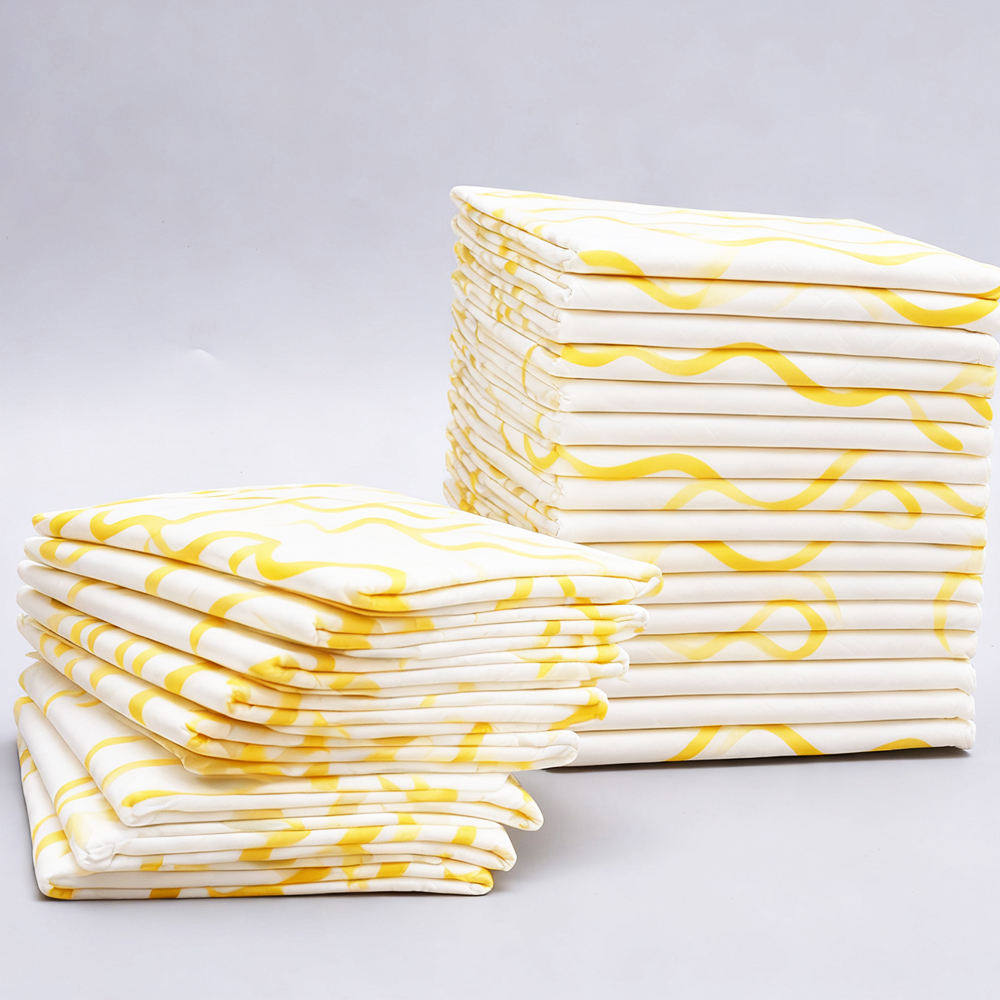
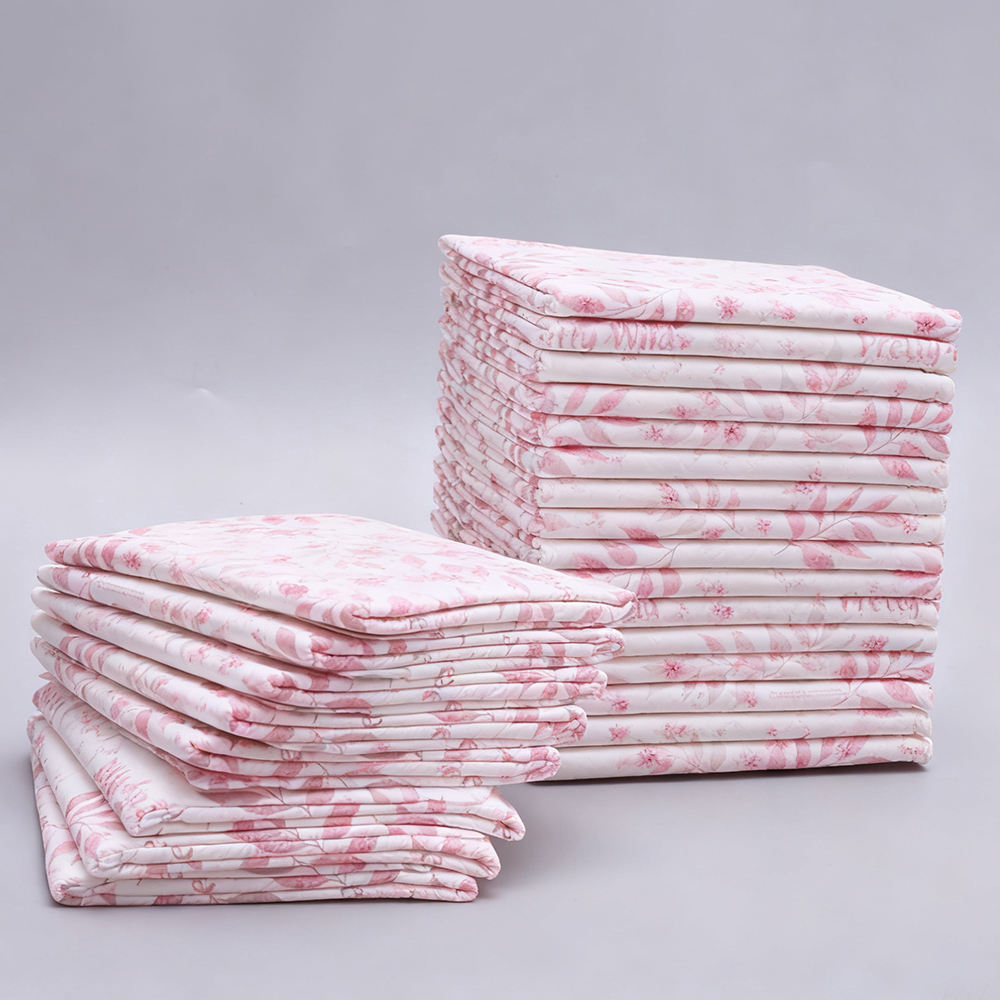
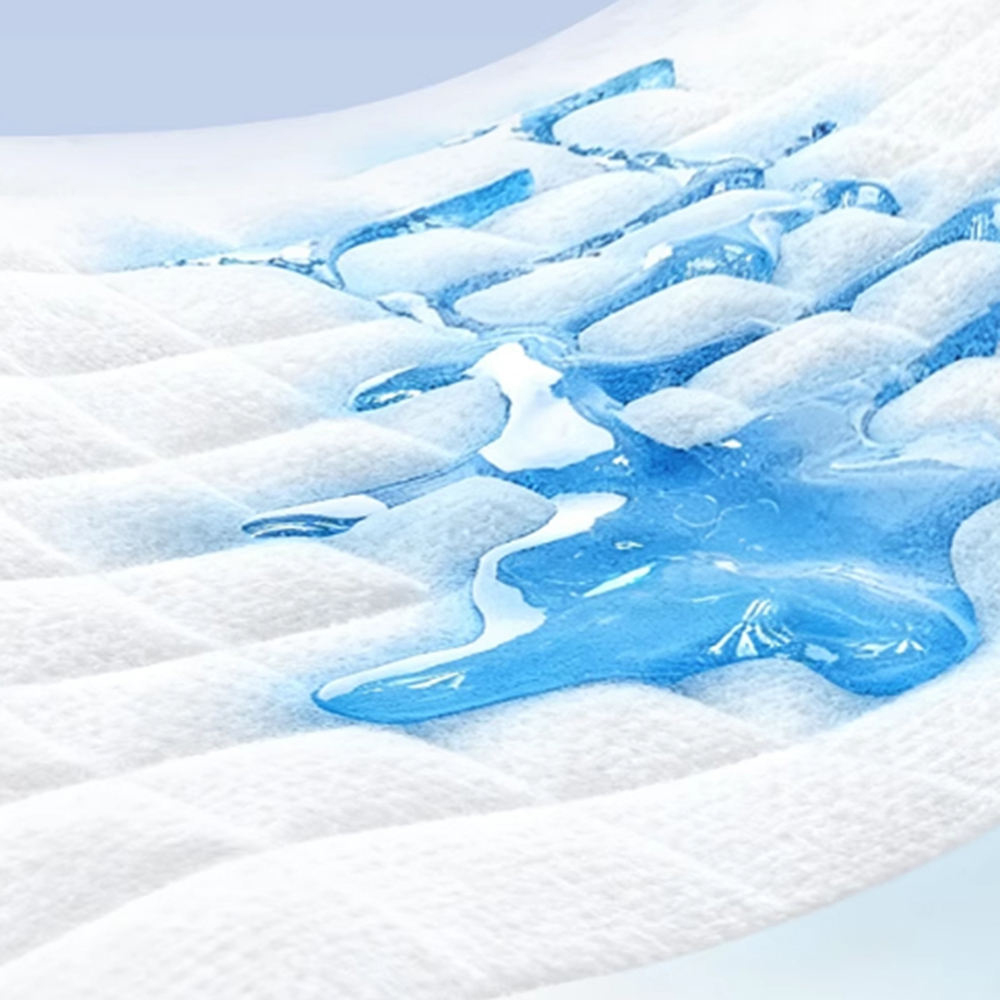
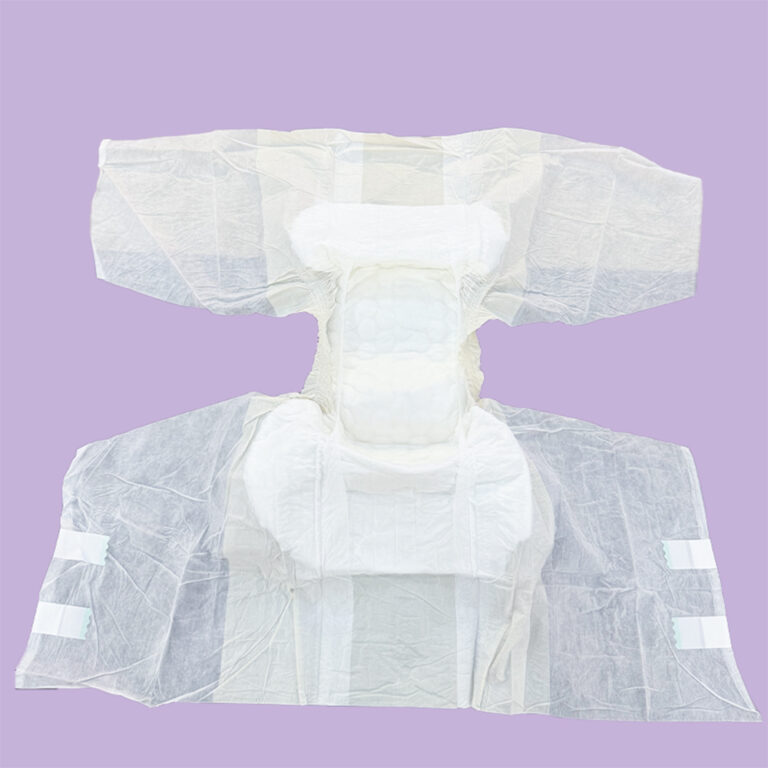
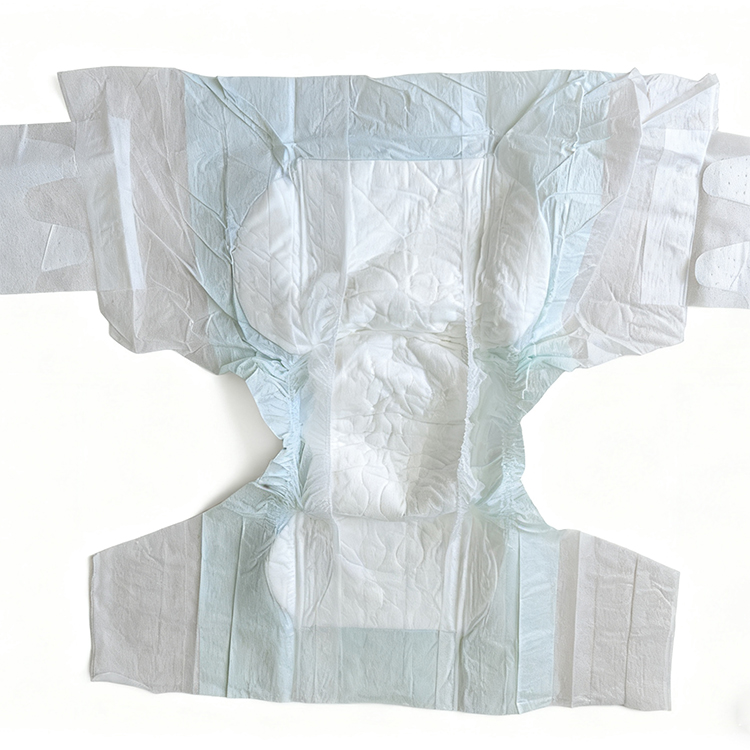
A tuckable underpad is a bed pad with extended side flaps, called wings, tails, or tuck-in sides, that fold under the mattress to hold the pad in position. A standard bed pad has the same layered construction (soft topsheet, absorbent core, waterproof backing) but no anchoring extension. It is simply laid on the bed, either on top of the bottom sheet or under it.
Terminology is not standardized. In retail listings the same feature appears as “tuck-in tails,” “tuck-in sides,” “wings,” or “flaps.” One U.S. retailer’s reusable overlay with 18-inch tuck-in tails lists the tails at 18 inches on each side. Another sells a disposable quilted underpad in 27 x 70 inches with tuck-in sides intended for twin-size beds. Both are retailer examples, not industry specifications, so a buyer should always define the feature by dimensions rather than by name.
Factor
Tuckable underpad
Standard bed pad
Position retention
Anchored under the mattress; resists migration when the user turns
Depends on friction, backsheet grip, and the fitted sheet
Bed coverage
Wide; wings cover the mattress top and sides
Limited to the pad footprint; can be repositioned to the hip or torso zone
Change workflow
Wings must be released before the pad is pulled out
Fastest to remove and replace; suits spot changes
Layers and tension at the surface
Adds material under the mattress edge and can pull tight across it
Fewer layers and no edge tension
Fit dependency
Needs the wing span to match mattress width and depth
Works across mixed bed sizes and chairs
Material and freight
More film, nonwoven, and packaging area per piece
Smaller and cheaper to ship per piece
Main risk
Wrong width, so wings do not reach or pull the pad off-centre
Slipping, bunching, and edge leaks overnight
Typical fit
Standard beds, restless sleepers, home care, single-caregiver night shifts
Mixed bed fleets, short-stay care, spot protection, backup under a brief
Why Do Bed Pads Fail at Night?
Night failures usually come from four causes, and tuck-in wings address only one of them.
Migration. A pad drifts as the user turns, and the hips end up on bare mattress. Wings reduce this directly.
Bunching. Fabric or film gathers into ridges under the body. Wings can reduce it if tension is even, or cause it if the pad is pulled too tight.
Edge leakage. Fluid runs past the edge of the absorbent core, especially when the user lies on their side. Wings do not fix this unless the core extends into the wings. In some designs the wings are backing and nonwoven extensions only, so a buyer should ask whether they contain absorbent material.
Wet-back and heat. A pad that releases fluid under pressure, or traps heat on a long dwell, harms skin even if it never leaks. Neither wings nor flat designs change this. Core quality and backsheet choice do.
Position and capacity are separate specifications. A tuckable pad with a weak core is still a weak pad, only a better-anchored one. Buyers who evaluate intake speed, retention, and rewet before comparing shapes avoid paying for wings to fix a problem that originates in the core. The disposable vs washable underpads buyer’s perspective article makes the same case for judging pads by intake speed, retention, labor, and total cost rather than unit price.
When Is a Tuckable Underpad the Better Night-Care Choice?
Tuckable designs earn their extra cost under these conditions:
The user moves a lot at night. Restless sleepers, users with spasticity or tremor, and people who turn frequently displace flat pads quickly.
Bed dimensions are consistent. A care home or home-care program with one or two mattress sizes can match wing span to the bed. Fit is the main variable that decides whether tucking works.
One caregiver handles the night. When a single person is changing a bed alone, a pad that stays centred reduces rechecks and full linen changes.
The pad is the primary protection. Where the user is not wearing a brief, or the brief is unreliable, the pad needs to protect a wider area, which suits a larger tuck-in format.
For disposable programs, the disposable underpads for adults page lists light, medium, heavy, and overnight absorbency levels and a choice between fluff-only and fluff-plus-SAP cores. Those are the variables to settle before adding a wing design to the specification.
When Is a Standard Bed Pad Still the Better Option?
The common assumption is that more coverage and more anchoring always mean better night protection. That holds only under certain conditions. A better rule is to use the fewest layers that keep the pad in position and contain the leak.
Pressure-redistributing surfaces.Wounds Canada’s support surface selection guidance says layers of linen should be minimized because they interfere with immersion and envelopment, meaning how far the person sinks into the surface and how well it conforms to the body. The guidance concerns linen layers in general. Applying it to tuck-in wings is our inference: wings that pull tight across a mattress edge add material and tension at the surface. For users at pressure-injury risk, a clinical lead should approve the pad format.
Mixed bed fleets. A facility with hospital beds, home-type beds, and recliners cannot match one wing span to every surface. A flat pad in two or three sizes is easier to stock.
Spot changes and short stays. In hospitals and admission wards, speed matters more than overnight anchoring. A standard pad can be pulled and replaced without releasing wings.
Skin outcomes depend on the core first. The NSW Clinical Excellence Commission’s IAD best practice principles include a structured skin care regimen and appropriate use of pads containing super absorbent polymer among prevention measures. Anchoring does not appear in that list. Wings keep the pad in place, but the core and the skin-contact layers determine whether skin stays dry.
Scenario
Likely better format
Reason
Home-care bed, restless sleeper, one mattress size
Tuckable
Reduces migration and rechecks
Nursing home with uniform beds, overnight rounds
Tuckable, if wing span is verified per bed
Fewer full linen changes
Hospital ward with turnover and mixed beds
Standard
Quick change, flexible placement
Pressure-redistributing or adjustable mattress
Standard, unless clinical staff approve wings
Fewer layers and no edge tension
Wheelchair or chair seating
Standard chair pad
Wings add no benefit on a seat
User wears a brief overnight
Standard as backup
The brief carries the primary load
What Construction Details Should Buyers Verify?
Wing construction. Ask whether the wings are backsheet-only, backsheet plus nonwoven, or include an absorbent layer. Ask how they are bonded or stitched to the main body. For reusable pads, wing seams and corners take the most stress when tucked under a mattress and then washed repeatedly. The washable underpad for beds and chairs page describes edge stitching intended to hold up through repeated wash and dry cycles, and lists PVC, PU, or TPU backing options. Confirm that wing seams get the same treatment.
Backsheet and grip. The backsheet affects noise, heat, and how the pad sits on the surface. The guide on how to choose underpad backsheet materials compares PE film, cloth-like laminate, PVC, PU, and TPU. For overnight use, a plain PE film may be noisier and shift more on fabric, while a cloth-like or PU/TPU option usually feels better on a long dwell. Tucking reduces movement but does not replace a suitable backsheet.
Disposable or reusable. The decision depends on laundry reliability, labor, and skin. A hybrid program, with disposable pads for fast changes and reusable ones for long-dwell nights, often fits better than choosing only one.
Topsheet and core. Soft nonwoven topsheets are standard. The core is where intake speed and retention are decided. Ask for strike-through and rewet results on the actual product, not a sample from a different build.
How Wide Should a Tuckable Underpad Be?
The wing span has to cover the mattress width plus both side drops, with enough extra to grip. A practical formula: pad width ≥ mattress width + 2 × (mattress depth + tuck allowance).
As an illustration only, a mattress 36 inches wide and 8 inches deep needs at least 52 inches before any tuck allowance, and the pad length must cover the body zone being protected. A pad that is too narrow will not tuck. One that is too wide leaves loose fabric that can bunch under the user.
Measure the mattress with its cover on and note adjustable-bed articulation, because wings that are tight when the bed is flat may pull as the head section rises. Retail listings show a range of sizes, but they are retailer choices rather than standards, so buyers should specify their own dimensions.
How Do Tuckable Underpads Affect Cost and Logistics?
Wings add material area. More film, nonwoven, and (in some builds) core go into each piece, and the finished pad is larger when folded. That means fewer pieces per carton and fewer cartons per container, so freight cost per piece rises. On one retailer’s reusable overlay page, the tuck-in versions are listed at a higher price than the flat versions at each size. Those are retail list prices, not manufacturing costs.
The unit price comparison is incomplete without total landed cost. A tuckable pad that cuts overnight linen changes may cost less per night than a cheaper flat pad that migrates. A flat pad used as spot protection may beat a tuckable pad that is partly wasted on a large bed. The result depends on the care model.
For private-label programs, a tuckable variant usually means different cutting and folding configurations and a different pack layout. Availability and MOQ for a given wing design have to be confirmed with the manufacturer. Do not assume that a flat pad’s MOQ or lead time carries over.
What Should Buyers Specify Before Requesting a Quote?
A complete RFQ for tuck-in underpads includes:
Format and program: tuckable or flat; disposable or reusable.
Dimensions: total width, body-zone length, wing length per side, and the mattress width and depth they must fit.
Wing construction: backsheet only, backsheet plus nonwoven, or absorbent wings.
Core: absorbency level, fluff-only or fluff plus SAP, and the target use (overnight, long-dwell, light incontinence).
Backsheet: named material family, noise and grip expectations.
Target setting: home care, nursing home, hospital, or retail.
Packaging: pieces per pack, carton dimensions, and folding method.
Documents and testing: the test reports you require and the method used.
Samples: a sample matrix covering flat, tuckable disposable, and tuckable reusable.
Before approving a sample, run a short, repeatable pilot on the actual mattress and cover: simulate several turns for migration, pour the target fluid volume for intake and edge containment, apply pressure for rewet, and check that wings release without tearing. These are internal checks, not standard test methods, so record the procedure for later comparison.
A tuckable underpad is a bed pad with extended side flaps that fold under the mattress to hold it in place. It has the same layers as a standard pad: soft top, absorbent core, and waterproof backing. The wings add position retention, not necessarily extra absorbency.
Are tuckable underpads better than standard bed pads for overnight use?
Not always. Tuckable pads suit restless sleepers and beds of consistent size because they resist migration. Standard pads suit mixed bed fleets, quick changes, and surfaces where extra layers or tension are a concern. The core’s absorbency and the backsheet matter in both designs.
Do tuck-in wings add absorbency?
Not necessarily. In some designs the wings are only backsheet or nonwoven extensions, and the absorbent core stays in the centre. Ask the supplier whether the wings contain an absorbent layer, and request test data on the finished pad.
Can tuckable underpads be used on hospital or adjustable beds?
Sometimes, but check the surface first. Pressure-redistributing and adjustable mattresses can be affected by extra layers and tension at the edge. Wounds Canada advises minimizing linen layers on support surfaces, so clinical staff should approve the format for at-risk users.
How wide should a tuckable underpad be?
Wide enough to span the mattress top and both side drops with a margin to grip. A working formula is mattress width plus twice the mattress depth plus a tuck allowance. Measure the actual mattress with its cover and any articulation in place.
Should I choose disposable or reusable tuckable underpads?
Choose by workflow. Disposable pads suit fast changes and settings without reliable laundry. Reusable pads suit long-dwell, home-care use when washing and drying are controlled. Many programs use both, with disposables as backup. Compare total cost, not unit price alone.