Clear Landing Zones vs Printed Landing Zones for ABDL Briefs
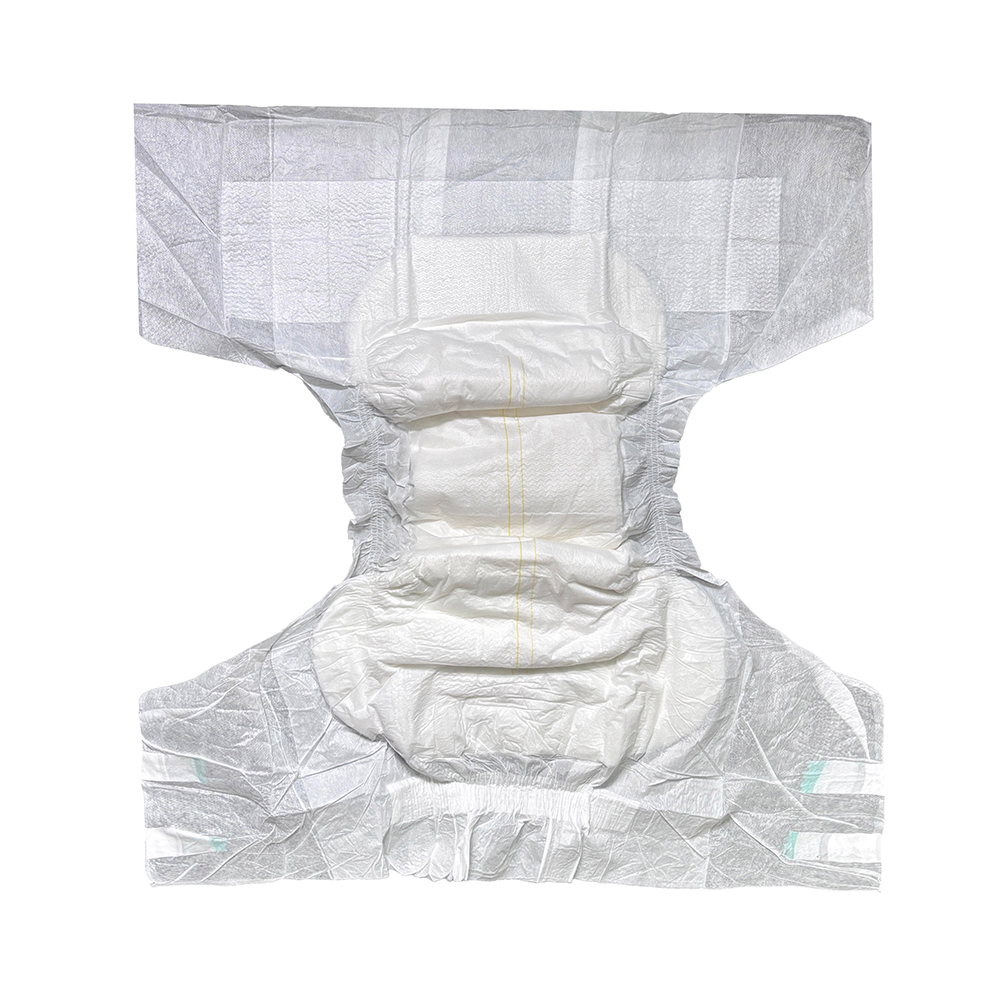
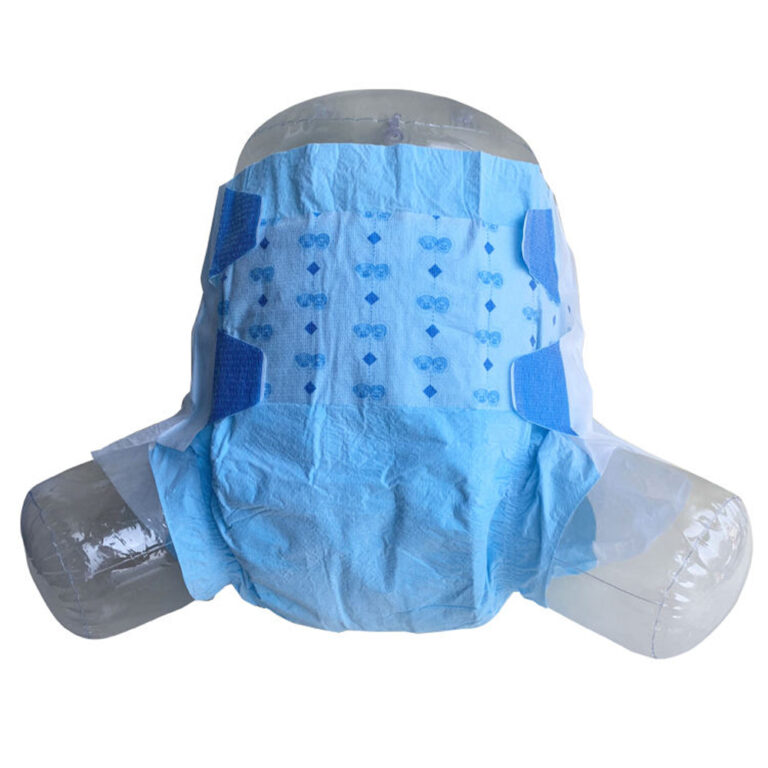
The landing zone is the front-panel area where the tapes of a tab-style brief fasten. On an ABDL brief it carries more weight than on a clinical product, because wearers open and reseal the tapes often. It is also one of the few surfaces designed to be seen. A clear landing zone keeps the build plain and lets one chassis serve several product lines. A printed landing zone adds artwork that can define a brand or character range, but it also adds a print layer to the surface the tapes grip. Neither choice is automatically better. This guide compares both on tape performance, fit, cost drivers and quality control, so sourcing teams can decide before writing a specification. The features that matter to this segment are covered in the supplier’s overview of ABDL market preferences.
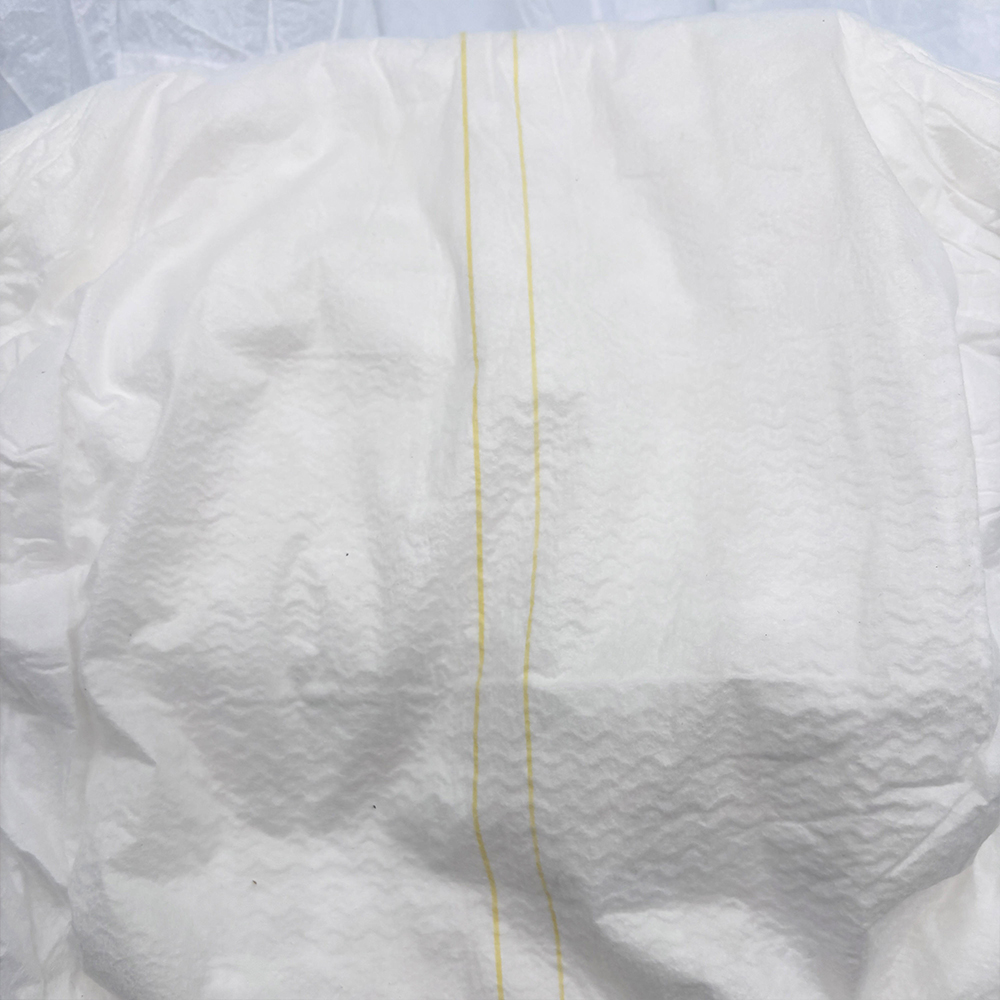
A note on terms: brands use “clear” inconsistently. In this article, a clear landing zone means a frontal tape area with no artwork of its own, whether the film is transparent or plain white. Confirm the exact material with your supplier.
What Is a Landing Zone on an ABDL Brief?
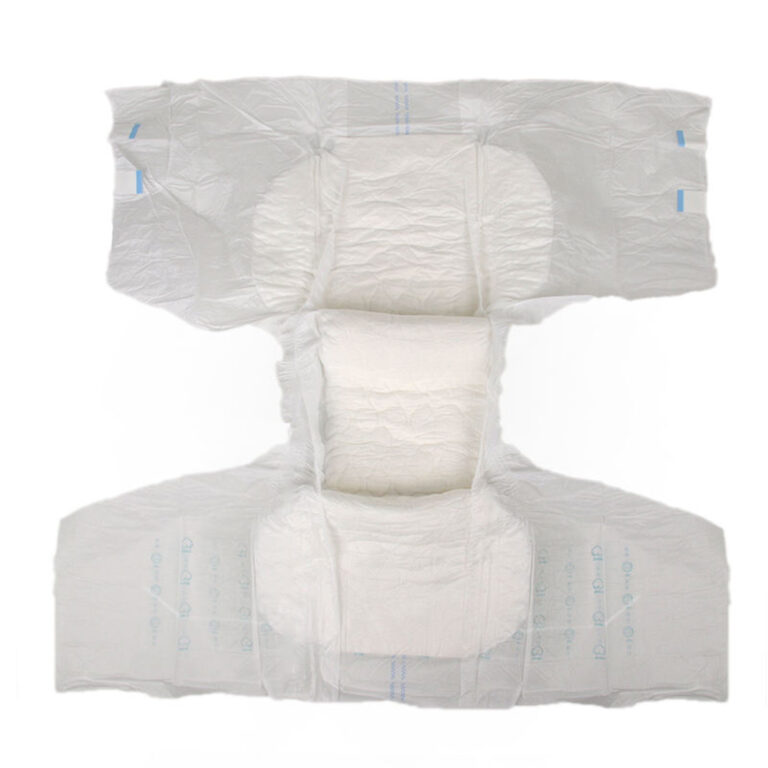
A landing zone, also called a frontal tape, is the receiving surface for the closure tabs. For adhesive tabs it is usually a film or printed tape area. For hook-and-loop tabs it is a loop nonwoven. Nitto’s frontal tape documentation describes mechanical frontal tapes for baby and adult diapers. Most are a loop material on a PE film carrier that can be unprinted or printed, and one type is a pure nonwoven with no PE layer.
The same page lists a grade with “clear visuality of frontal printings” and economy grades without printing. For a buyer, this means print is a component-level specification choice, and some constructions show artwork better than others.
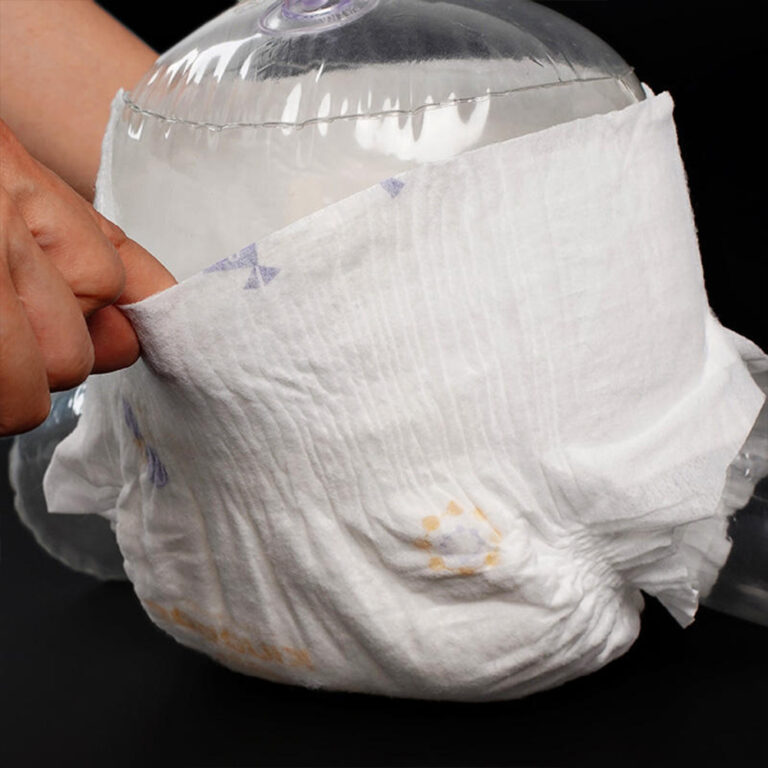
On the product side, the supplier’s thick printed ABDL brief page lists optional all-over prints, landing-zone prints or plain white as available finishes. Treat that as a starting menu, then confirm what applies to your size range and backsheet.
Clear vs Printed Landing Zones: Side-by-Side Comparison
A clear landing zone is the simpler build. A printed one is a branding and fit-guidance feature that needs extra controls. The table is qualitative and contains no measured values, because grip, cost and print durability depend on the film, ink, adhesive and supplier.
Decision factor
Clear (unprinted) landing zone
Printed landing zone
What to verify
Main purpose
Tape function only
Tape function plus brand or character identity
Whether print is central to your positioning
Tape grip
Plain film surface; easiest to benchmark
Must be tested on the printed version, not assumed equal
Peel and shear on the finished printed brief
Fit guidance
None built in
Artwork can act as a visual placement guide, per one independent review
Whether tapes cover or misalign the artwork
Component complexity
Fewer approvals
Artwork files, print registration and colour approval
Artwork specification and registration tolerance
SKU flexibility
One plain zone can serve several lines
Each design is a separate material and inventory item
MOQ per design and reorder lead time
Lot-to-lot risk
Low
Colour shift and registration drift are possible
Approved golden sample and acceptance limits
Feel and noise
Depends on film or loop type
Depends on film or loop type, plus any print coating
A common assumption is that landing-zone print is purely cosmetic, so it can be added or removed without touching performance. The opposite assumption, that plain is always safer, is also too simple.
The tape adhesive contacts the landing-zone surface on every fastening. If that surface carries ink, a coating or a varnish, the contact conditions can differ from plain film. The supplier’s hook-and-loop versus adhesive tab guide notes that adhesive performance depends on the film’s cleanliness and surface energy. That does not mean print weakens grip. It means a printed zone is a different surface from a clear one and needs its own test result.
The commercial evidence points the same way. In an independent review of the ABU PeekABU, the same diaper is also offered without print as the ABU Simple Ultra. The reviewer concluded that the character prints are the main selling point behind the high unit price. Print therefore works as a price and positioning lever. Brands also market lines named for the feature, such as Bambino’s landing zone print diapers. Both are single-brand observations, not market statistics.
The defensible position is to choose print for brand reasons, then validate it as a functional surface. If validation passes, print costs nothing in performance. If nobody tests it, the risk is simply unmeasured.
Five Factors That Decide Between Clear and Printed
1. Tape grip and refastening durability
ABDL wearers and caregivers reopen tapes repeatedly, so the zone must survive many cycles without tearing or losing grip. The result depends on the combination of tape adhesive, film, print and the backsheet underneath. Variables include adhesive type, film thickness, ink coverage in the contact area and storage conditions.
Verify with the supplier: peel and shear results on the finished brief, after a cycle count you define, on fresh and aged samples, for the printed and clear versions separately.
2. Print method, layer position and ink coverage
Where the print sits relative to the tape matters. Artwork on the exposed surface meets the adhesive directly. Artwork protected beneath another film layer does not. Full-coverage ink also differs from a light outline.
Ask which method your supplier uses, what share of the tape contact area is inked, and whether the adhesive was tested on the printed surface. Often the main artwork can sit outside the area where tapes most often land. That reduces risk without removing the print.
3. Zone size, placement and size range
Landing-zone dimensions should follow the size range, not the other way round. The supplier’s guide to size range planning for ABDL diapers, including 2XL and 3XL argues that larger sizes need more landing-zone length, because tabs need room to land without curling. It also argues that 2XL and 3XL should be treated as separate fit programs. Treat this as the supplier’s engineering position and ask for fit-trial evidence.
For printed zones there is a design consequence. Artwork that looks balanced at medium can be cropped or covered by tapes at 3XL. Request artwork proofs per size, with the tapes shown in their fastened positions.
4. Backsheet and surface feel
A plastic-feel backsheet usually pairs with a film landing zone. The PeekABU reviewer described the stiff, crinkly plastic landing zone as the main drawback of an otherwise comfortable diaper. Whether that matters depends on your customer. Some ABDL buyers want the plastic feel, and others want a quiet, cloth-like product.
With hook-and-loop tabs the zone is a loop material, and Nitto lists grades with a softer touch. Print visibility and hand-feel then become a trade-off between loop grades. Sample both before committing.
5. Visual consistency and quality control
Print adds failure modes that a clear zone does not have: faded colour after storage, placement drifting off centre, and colour changes between lots. The supplier’s factory guide to what defines a premium printed brief recommends a written rule that print placement and colour must match an approved golden sample, and that the sample is actually kept.
Add measurable limits to that rule: how far the artwork may sit from the centreline, how much colour variation is acceptable, and how defects are classified. Without limits, “match the sample” is open to interpretation.
Which Option Fits Which Product Strategy?
Situation
Better starting point
Reason
Condition
Collector or character-themed line
Printed
Print is part of the product’s value
Validate tape grip on the printed surface
Entry-price private label
Clear
Fewer components and approvals
Still test refastening
Several markets, one chassis
Clear, with printed variants later
One plain build can support different branding
Keep separate MOQ and inventory per design
Heavy sleepers or 2XL/3XL
Whichever passes fit and tape trials
Zone size and tape geometry matter more than print
Do not shrink the zone to fit artwork
Wearers who want a quiet, soft feel
Clear, or a soft loop grade
Film stiffness is a comfort factor
Confirm backsheet and zone feel together
Illustrative example (hypothetical, not a customer case): A brand plans a printed range and a plain range from the same chassis. The printed sample looks right. After repeated refastening, though, the artwork scuffs near the tape contact point and grip drops at the third refasten. The buyer does not need to drop print. The supplier can move the artwork away from the contact area, change the print layer position or reduce ink coverage, then retest. Print becomes a parameter to tune, not a yes-or-no decision.
How Should Buyers Test Landing Zone Performance?
Run the same tests on both versions so the comparison is fair:
Peel and shear on the finished brief, with the real tape, zone and backsheet.
Repeated open-and-close cycles, using a count that reflects real use.
Aged samples after your expected storage and transport conditions, including warm, humid routes.
A visual check for scuffed print, ink transfer to the tape adhesive and film tearing after the cycles.
A fit trial with tapes placed at the extremes of the zone, in the largest size you sell.
A colour and registration check against the golden sample, across at least two production lots.
Agree the test methods and acceptance ranges in writing. “Strong tapes” is not a specification without a method, a cycle count and a limit.
What Should Buyers Specify Before Requesting a Quote?
A complete RFQ lets the supplier quote the right construction at the first attempt. Include:
Closure system: adhesive tabs or hook-and-loop, since this determines the landing-zone material.
Landing-zone type: clear or printed, or ask for both to be quoted.
Artwork: vector files, placement per size, number of colours and approximate ink coverage.
Print position: whether you accept surface print or require protected print, if your supplier offers both.
Zone dimensions: length and width per size, especially XL and above.
Backsheet: plastic-feel, cloth-like or hybrid, and the feel you want.
Acceptance criteria: peel and shear targets, cycle count, aging conditions, and colour and registration limits.
Approval flow: pre-production sample, golden sample and written approval before mass production.
Change control: no change to film, ink, adhesive or loop material without retesting.
Order structure: quantity per design, MOQ per artwork, reorder lead time and packaging.
The supplier’s ABDL diaper range lists customized tape landing zones among the private-label options. That page does not publish MOQ, lead time or artwork limits, so confirm them in the quotation.
Frequently Asked Questions
What is a landing zone on an ABDL diaper?
A landing zone is the front-panel area the closure tapes attach to. It is usually a film or printed frontal tape for adhesive tabs, and a loop nonwoven for hook-and-loop tabs. Its material, size and bonding affect how well tapes hold and refasten.
Does a printed landing zone weaken tape grip?
Not necessarily, but it cannot be assumed equal to a clear zone. Ink coverage, coatings, print position and adhesive type can change the contact surface. Ask for peel and shear results on the finished printed brief, including after repeated refastening.
Is a clear landing zone cheaper than a printed one?
Usually a clear zone involves fewer components and approvals, but cost depends on film, tape and order structure. Printed zones add artwork, registration and colour control, plus separate inventory per design. Request line-item quotes for both versions.
Can I offer clear and printed versions on the same chassis?
Often yes, since the landing zone is a separate component. Each design still needs its own artwork approval, MOQ and inventory. Confirm that both versions pass the same tape tests, because a result on the plain zone does not transfer to the printed one.
Do hook-and-loop ABDL briefs use printed landing zones?
They can. Nitto lists loop frontal tapes on a PE film carrier that can be printed or unprinted, with grades that differ in print visibility and softness. Print clarity and hand-feel vary by loop type, so request samples of the specific construction.
How should landing-zone print be approved for production?
Approve a physical golden sample, then define acceptable limits for placement, colour variation and defects in writing. Check consecutive production lots against the sample. A photo or digital proof alone does not show how print behaves after refastening.