How to Balance Thickness, Absorbency, and Mobility in ABDL Diapers
Balancing thickness, absorbency, and mobility in ABDL diapers means treating them as three separate design targets rather than one. Thickness is what the wearer sees and feels. Absorbency is how much fluid the core can acquire and hold before it leaks. Mobility is whether the leg and waist seals stay in place when the wearer sits, rolls over, or walks. For brand owners, distributors, and sourcing teams, the common trap is assuming that added bulk improves the other two. It usually improves the first, does little for the second, and can damage the third. This guide explains how the three interact, how to set targets by use scenario, which tests to request from a manufacturer, and what to include in an RFQ. If you are new to the segment, start with this overview of what ABDL diapers are and how buyer preferences differ from standard briefs.
Why Do Thickness, Absorbency, and Mobility Pull in Different Directions?
A thick ABDL diaper can also be absorbent and mobile, but only when the whole chassis is engineered around the bulk. The three attributes are controlled by different parts of the product, so one change cannot improve all of them.
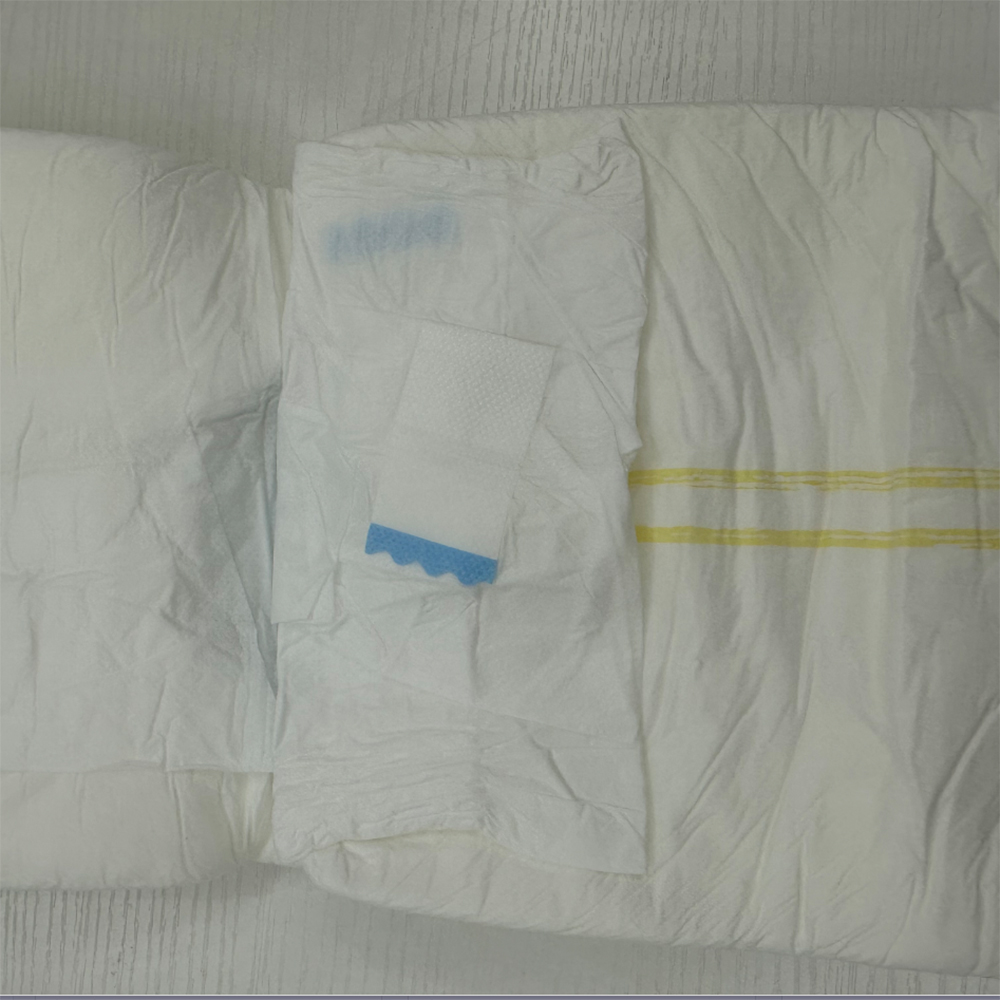
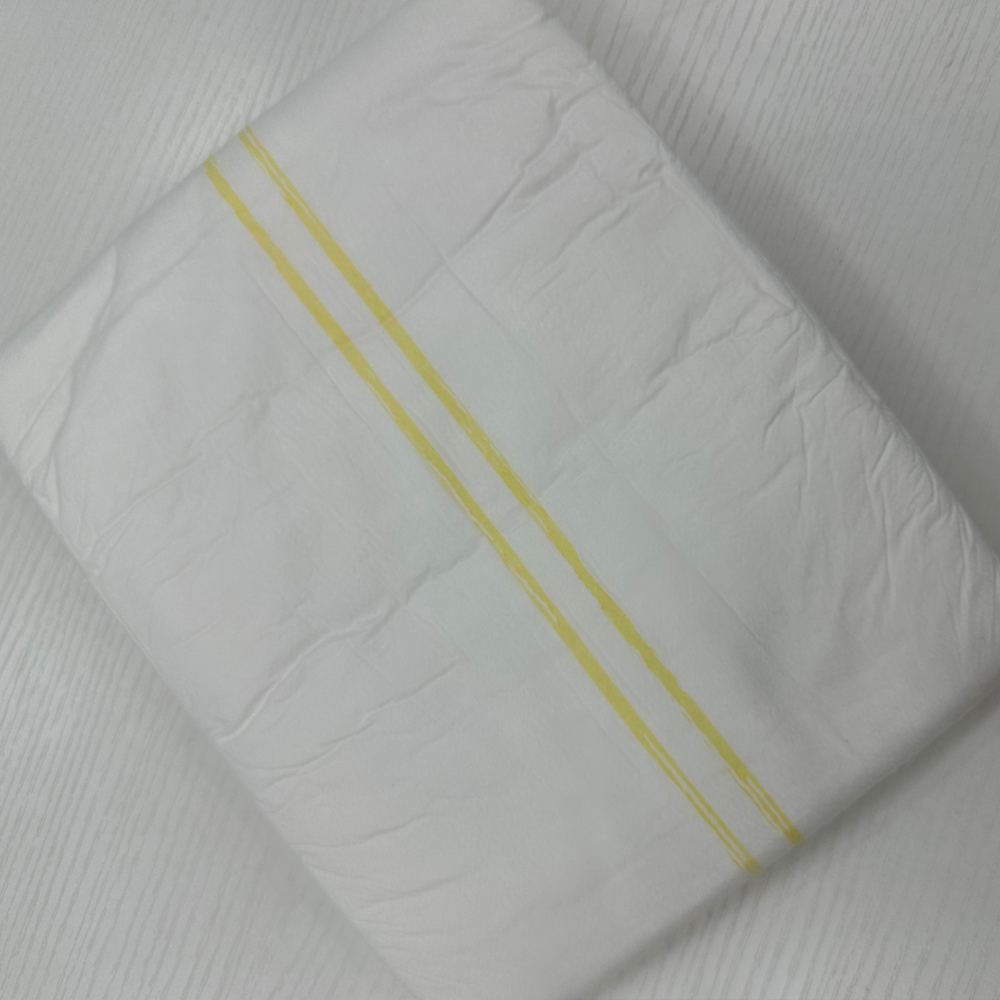
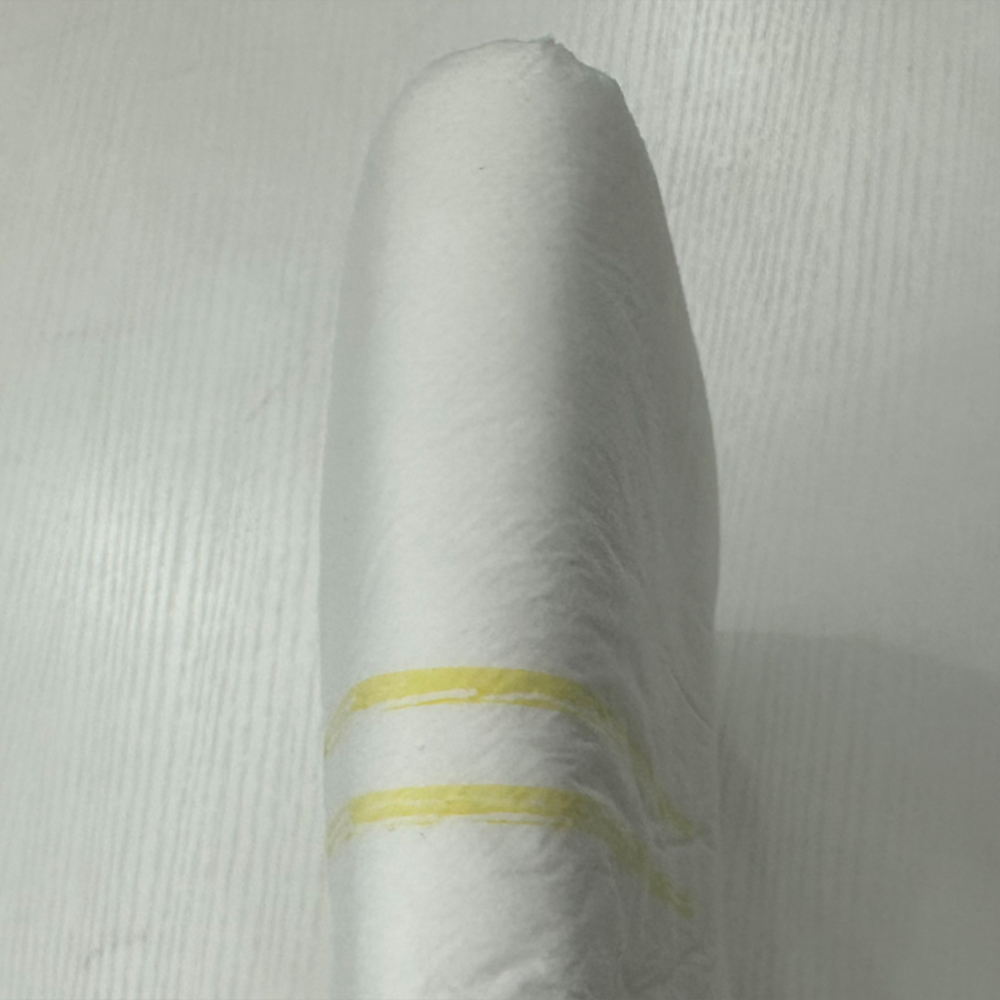
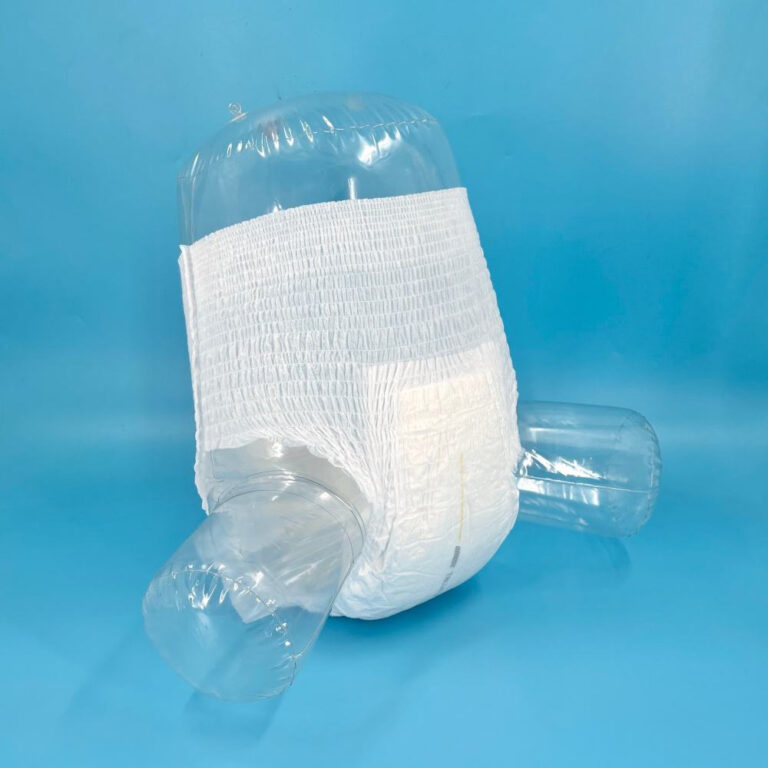
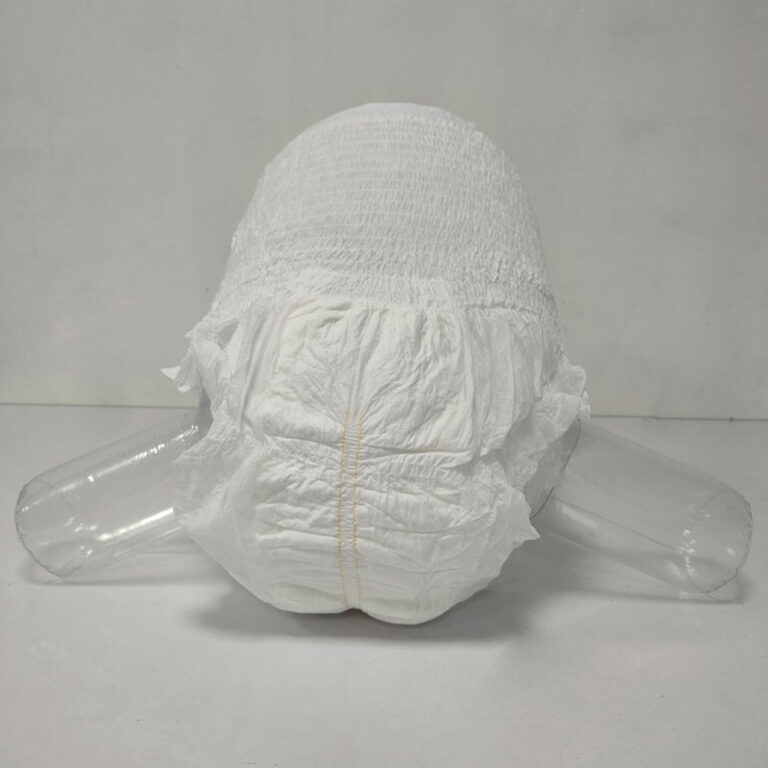
Thickness is the finished caliper and shape of the product: core mass, backsheet feel, outer cover, and print. Much of it is deliberate. For many ABDL customers the “diapered” silhouette is part of what they are buying, which is why a spec copied from a clinical brief often disappoints.
Absorbency depends on how much superabsorbent polymer (SAP) and fluff pulp the core contains. It also depends on how fast the topsheet and acquisition layers move fluid down, and on how well the core spreads that fluid instead of saturating one spot.
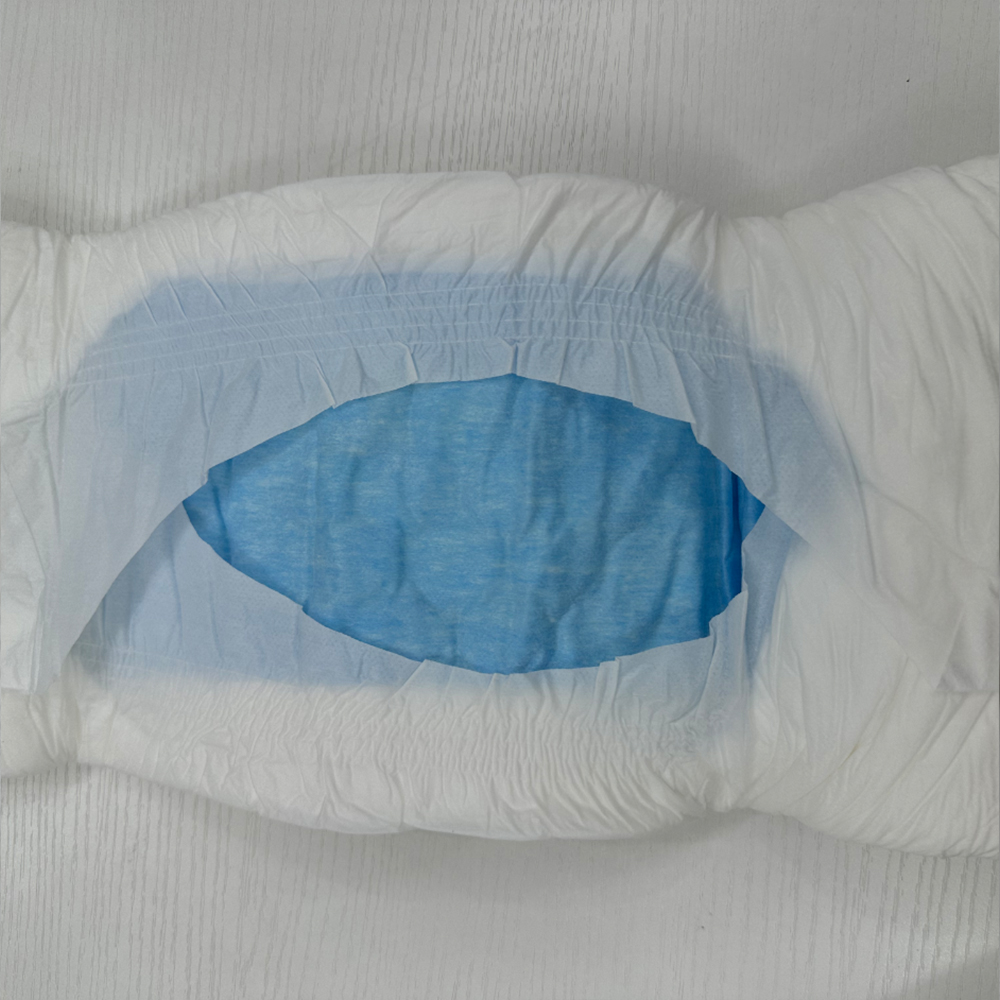
Mobility depends on geometry: crotch width, rise, leg cuff tension, waistband stretch, tape position, and how the core behaves once wet. A core that is stiff or very wide between the legs pushes the cuffs away from the thighs, and that gap is where leaks start.
Two products can have the same thickness and very different absorbency, because bulk can come from pulp while capacity per gram comes mostly from SAP. Two products can have the same capacity and very different mobility, because one holds its seal and the other does not. A single “thickness” number therefore tells a buyer very little.
Is a Thicker ABDL Diaper Actually Better?
Thicker is better only for delivering the preferred look and feel. It is not a reliable proxy for leak protection. This qualifies a common assumption. It does not reject thick products.
In medical supply, the point that bulk is not performance is well established. The article on why thicker adult diapers aren’t always better covers the fit, intake-speed, and cuff-design reasons. ABDL differs in one respect: thickness is a legitimate product attribute that customers ask for. Removing it to chase a better lab result can damage the product’s appeal.
The practical answer is to specify thickness as a target, then protect the other two attributes around it. That means asking the factory:
What is the core weight, and what are the pulp and SAP proportions?
How is fluid distributed, and does the core use channels, an acquisition-distribution layer, or a shaped crotch?
How wide is the crotch area when the product is worn, not when it lies flat?
Which parts of the added bulk are functional, and which are cosmetic?
A brand that cannot get clear answers is buying thickness it cannot defend when a complaint arrives.
How Should Absorbency Be Specified and Tested?
Specify absorbency with more than one number, because maximum capacity alone does not describe how a diaper leaks in use. A sensible request combines a capacity figure, a rewet and intake check, and a leak test that includes body position and movement.
Capacity still has value as a screening step. In a study where researchers compared ISO 11948-1 capacity with the clinical performance of 138 diapers and inserts, the method showed reasonable correlation with in-use leakage for heavy-incontinence pads, particularly when models also accounted for design features. The limit is that capacity does not capture everything the chassis does. An EDANA-group investigation of ISO 11948-1 notes that the method does not reflect benefits from features such as elasticated cuffs or engineered composite cores. That gap led to the absorption-before-leakage (ABL) method. The same paper reports that ABL had poorer repeatability and reproducibility, so neither method settles the question alone.
ABL also has a defined scope. EDANA’s description of the ABL test method says it was developed for briefs in sizes XS to XL, and for pads, used by bedridden patients with moderate to severe incontinence. EDANA also states that it is not suited to products for mobile people with light or medium incontinence. For an ABDL buyer, this has two implications:
An ABL figure on a spec sheet describes a bedridden use case, not a wearer who moves around.
Sizes 2XL and 3XL fall outside the size range EDANA lists, so a plus-size claim needs its own evidence.
A supplier test plan for a balanced product should therefore include:
Capacity on a stated reference method.
Acquisition speed and rewet after repeated insults, since slow intake sends liquid sideways.
Leak mapping by position: supine, side-lying, seated, and standing.
Movement cycles such as sit-to-stand and turning, followed by a check for waist roll and cuff folding.
Pull-up manufacturers face the same gap between lab capacity and motion. The guide to movement leak testing for incontinence underwear describes a motion-based approach that can be adapted to tab-style ABDL briefs.
What Does Extra Thickness Do to Mobility and Fit?
Extra thickness changes the fit in four main ways. It widens the crotch, stiffens the product when wet, loads the tapes harder, and traps more heat. Each effect can be managed, but none can be ignored.
Design lever
Effect on thickness and absorbency
Effect on mobility
What to verify with the supplier
More fluff pulp in the core
Adds visible bulk and some capacity
Wider, stiffer crotch; higher chance of leg gapping
Worn crotch width; core shape; wet stiffness
Higher SAP share
More capacity per gram
Can allow a slimmer core, but gel blocking can slow intake
Intake time on repeated insults; rewet
Standing leg guards and cuff elastics
Contain side flow
Too tight causes red marks; too loose leaks
Guard height; elastic tension on each size in the run
Full back coverage
Helps overnight and side-sleeper leaks
Adds material at the rear; affects rise
Back panel length; rise at each size
Plastic-feel backsheet
Delivers the crinkle and look some customers want
Often less breathable than cloth-like options
Backsheet construction; breathability data if available
Cloth-like backsheet
Quieter, softer, more discreet
Generally better for daily wear
Strength and print adhesion on the outer cover
Refastenable tapes and landing zone
No direct effect on capacity
Hold the fit through repositioning
Re-tape cycle test; landing-zone wear after repeated use
This table is a qualitative decision aid. It does not give performance values, which have to come from sample testing.
Plus sizes need their own fit program
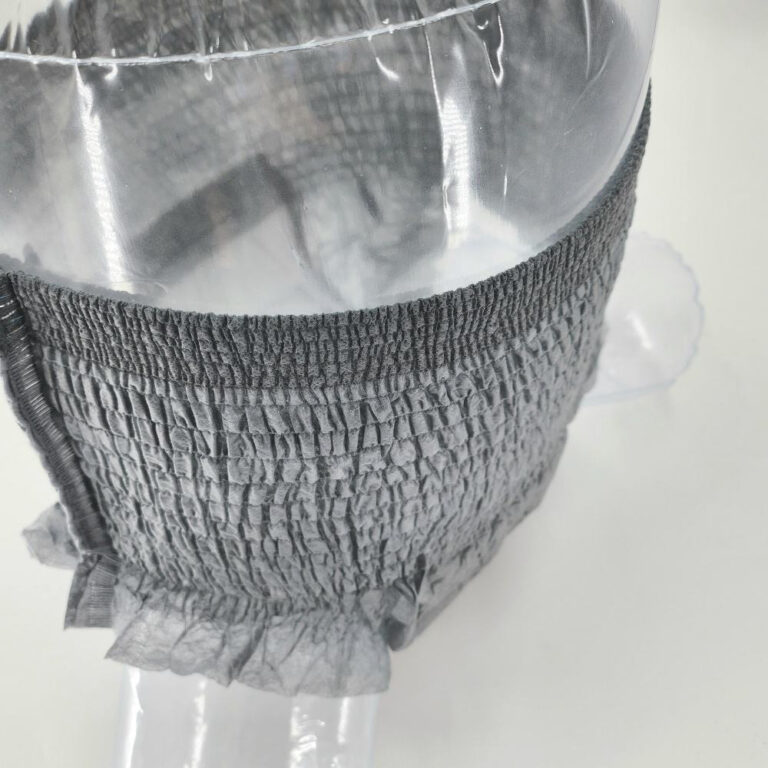
Plus sizes magnify every one of these effects. Thicker cores at 2XL and 3XL meet larger belly and thigh measurements, higher shear on the tapes, and a rise that must work for seated and side-lying positions. The article on size range planning for ABDL diapers including 2XL and 3XL treats these sizes as separate fit programs rather than a wider version of the same pattern. That is the safer approach when planning a range.
How Do Heat and Skin Comfort Affect the Balance?
Heat and moisture limit how much bulk is comfortable over long wear. Prolonged skin contact with urine is the mechanism behind incontinence-associated dermatitis. The 2026 Wounds International best practice document on incontinence-associated dermatitis describes IAD as arising from prolonged exposure to urine or faeces. It lists breathable, superabsorbent products designed for incontinence among the characteristics of an ideal product for prevention.
That guidance is clinical, and ABDL wear patterns vary, so it should not be turned into a medical claim. It does support a design principle: a thick core with a fast intake layer and a breathable cover is more defensible than a thick core with slow intake and a sealed film. Brands should avoid skin-health promises they have not tested, and should consider printing change-interval guidance on the pack.
How Should You Match Specs to Use Scenarios?
Set targets by how the product will be worn. One maximum-thickness SKU rarely serves every customer, and tiering a range by use is usually more reliable than stretching a single product across all needs.
Use scenario
Thickness priority
Absorbency priority
Mobility priority
Spec emphasis
Home and lounging use
High
Medium
Low to medium
Core feel, print, tape strength
Discreet daily wear
Low to medium
Medium
High
Cloth-like backsheet, narrow crotch, snug cuffs
Overnight use
Medium
High
Medium
Back coverage, tall leg guards, core distribution
Extended wear or travel
Medium
Medium to high
High
Breathability, tape durability, intake speed
Plus-size range
Medium to high
High
High
Redesigned chassis, rise, tab and landing-zone length
These priorities are relative rankings for planning, not measured thresholds.
Here is an illustrative example, not a real customer case. A brand launches one ultra-thick SKU for everyone. Customers who wear it at home are satisfied. Those who wear it under clothing complain about bulk and noise. Side sleepers report back leaks because the core was extended at the front. A three-tier range would have set a different priority for each group and made returns easier to diagnose.
Positioning matters as well. Products marketed for incontinence management rather than lifestyle use carry different expectations for claims, testing, and labeling. The comparison of ABDL diapers and medical-use adult diapers explains where the two categories diverge. Confirm destination-market requirements with a compliance adviser before choosing claims.
How Does Thickness Change Cost and Freight?
Thickness raises cost in two ways: material and logistics. A heavier core uses more pulp and SAP per unit. A bulkier product also takes more space, so fewer units fit in a carton and container. Freight cost per unit rises unless the product is compressed. Compression helps, but check that the core recovers its loft after opening, because a flat core undermines the thickness the customer is paying for. Prints, custom backsheets, and distinct tape systems add further cost and may affect MOQs. Ask for these as separate line items so that thickness changes can be priced in isolation.
What Should an ABDL Diaper RFQ Include?
An RFQ for a balanced ABDL diaper should define the use scenario, size run, and test method, not just a thickness and an absorbency level. Include:
Use scenario and target customer: this decides which of the three attributes takes priority.
Size run and body measurements: waist, belly waist, hip, and rise for each size, with 2XL and 3XL specified separately.
Thickness target: a reference sample, or a caliper figure with the measurement conditions, since caliper changes with pressure and compression.
Absorbency target and test method: a stated capacity method plus leak, rewet, and intake requirements.
Backsheet and cover: plastic-feel, cloth-like, or hybrid, and any breathability expectations.
Print plan: all-over, panel, or landing-zone prints, and colorfastness expectations.
Tape and fastening: re-tape expectations and landing-zone wear.
Packaging: bag count, carton design, and compression limits.
Destination market and claims: these determine labeling and what can be said on the pack.
For a reference on the style of product these specifications apply to, LOVINHUG’s thick printed ABDL briefs with OEM/ODM options page lists adjustable core thickness and absorbency, three backsheet options, optional wetness indicator and odor control, and sizes from M to 3XL or custom. Confirm directly with the factory which options apply to your project.
What Should You Verify Before Approving a Production Sample?
Approve a sample only after it has been tested in the positions and motions your customers will use. Before signing off:
Wear the sample in multiple positions and map where any leak exits: leg cuff, waist, front, or back.
Repeat insults and check rewet on the surface.
Open and re-tape the product several times and check the tape and landing zone.
Check fit after movement, including waist roll and cuff folding.
Compare against the reference sample for thickness and feel, not only the spec sheet.
Request a cut-open sample to confirm the core composition matches the quotation.
Document the results with photos so production lots can be compared against the approved sample.
The aim is to treat thickness as a managed design choice. When thickness, absorbency, and mobility are each specified, tested, and recorded, a complaint can be traced to a specific attribute instead of a general sense that the diaper “feels wrong.”
Frequently Asked Questions
Does a thicker ABDL diaper always absorb more?
No. Thickness can come from fluff pulp, while capacity per gram comes largely from SAP. Two diapers of equal thickness can differ in capacity. Ask for core weight, pulp and SAP proportions, and intake and rewet results.
Why do thick ABDL diapers leak even when they hold a lot?
Leaks often come from the leg cuffs, waist, or back rather than the core. A wide, stiff crotch can lift cuffs away from the thighs, and slow intake can push liquid sideways before the core absorbs it.
Can ABL test results be used for ABDL diapers?
Only with caution. EDANA states that ABL was developed for bedridden patients with moderate to severe incontinence, with a listed brief size range of XS to XL. It is not suited to mobile users with light or medium incontinence, and it does not list 2XL or 3XL.
Is a plastic-feel backsheet less comfortable than a cloth-like one?
It depends on construction and wear time. Plastic-feel covers are chosen for look and sound but are often less breathable. Cloth-like covers are quieter and usually suit daily wear. Ask the supplier for breathability data and test both in wear trials.
How should plus-size ABDL diapers differ from standard sizes?
They should be designed as separate fit programs. Larger sizes need adjusted rise, leg cuff angle, back coverage, core placement, and landing-zone length, because tape stress and body shape do not scale linearly with waist measurement.
What should I send a manufacturer to get an accurate quote?
Send the use scenario, size run with measurements, thickness reference, absorbency target and test method, backsheet type, print plan, tape expectations, packaging format, and destination market. These fields let the factory price and test the right combination.