How to Put On Adult Pull-Ups Without Twisting the Waistband
A twisted waistband is one of the quickest ways to ruin the fit of an adult pull-up. When the waist spirals, the elastic pulls unevenly, the absorbent core slides off-centre, and the leg openings can fold or gap. The wearer feels it as pinching or sagging. Caregivers often see it later as a side leak that looks like an absorbency problem but is really a placement problem.
Most twisting can be prevented with technique: confirm the front and back, open the garment fully, pull it up evenly from both sides, and check the fit before the wearer moves on. This guide covers self-dressing, helping someone who can stand, and assisted application in bed. It also explains what to do when a twist keeps coming back, and what care teams and buyers can specify to make correct application easier.
Why Does an Adult Pull-Up Twist at the Waistband?
An adult pull-up twists when its two sides travel up the body at different speeds or angles, or when it is put on rotated. The most common triggers are practical ones: the garment is turned slightly at the thighs, one hand pulls harder than the other, fabric is bunched at the hip, or trousers drag the waist sideways.
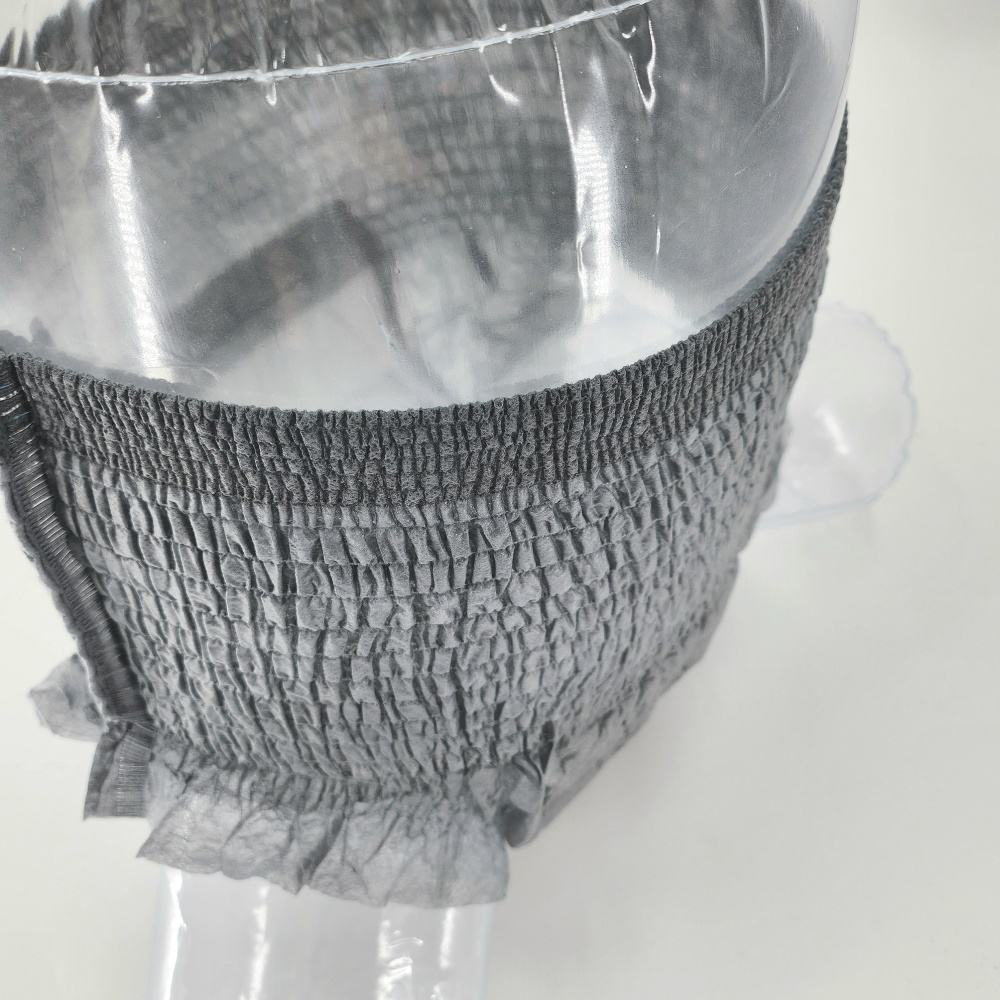
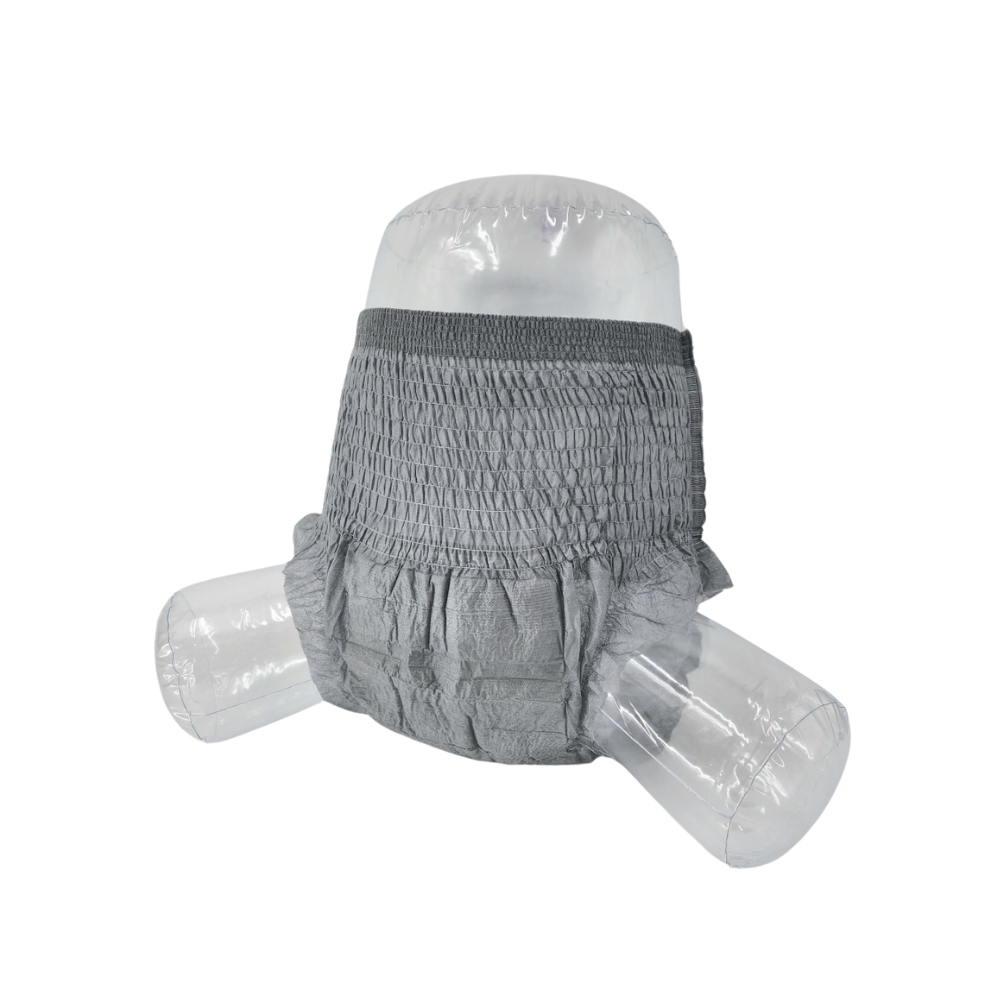
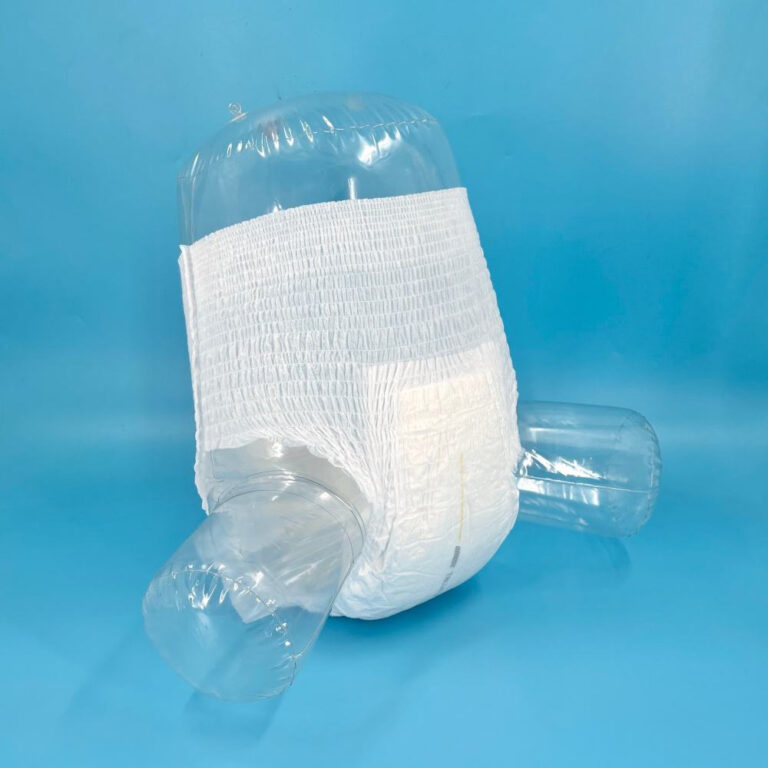
Construction explains why the problem shows up so clearly. The Bladder & Bowel UK consensus guidance on absorbent products describes pull-on products (protective underwear) as a single design that resembles regular underwear, with elastic linings around the waist and hips to give a close fit. That elastic runs all the way around the body. Unlike a tab brief, there is no fastening point to correct an uneven pull. Any twist gets locked into the tension ring.
The product itself also matters. A waistband that does not recover well after stretching is more likely to sag, roll, or shift during wear, which is why buyers look closely at the factors that determine elastic waistband performance in adult pull-ups, including stretch recovery and side-seam strength. Technique cannot fully compensate for a weak waist, but it removes the avoidable causes first.
What Should You Check Before Putting On a Pull-Up?
Check three things before application: the size, the product orientation, and the space where you will dress.
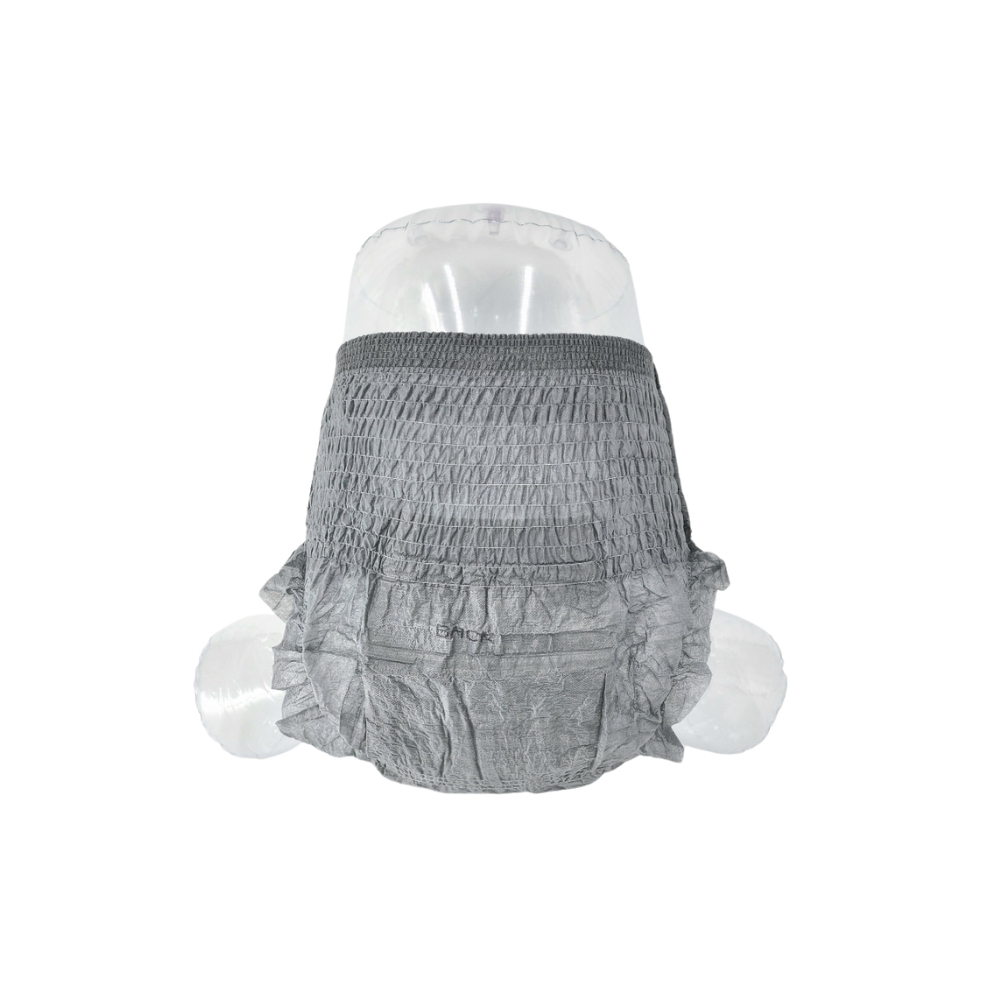
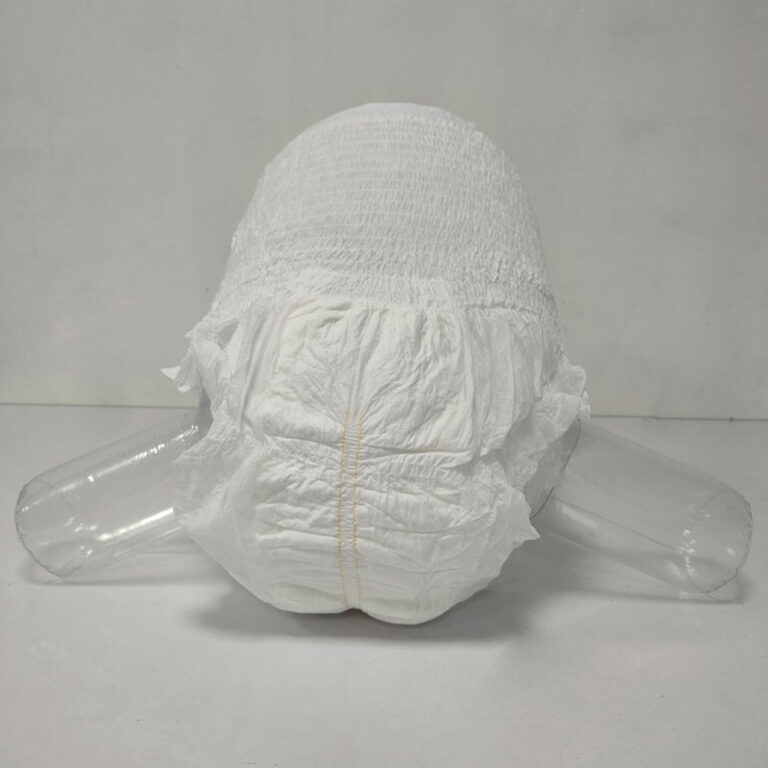
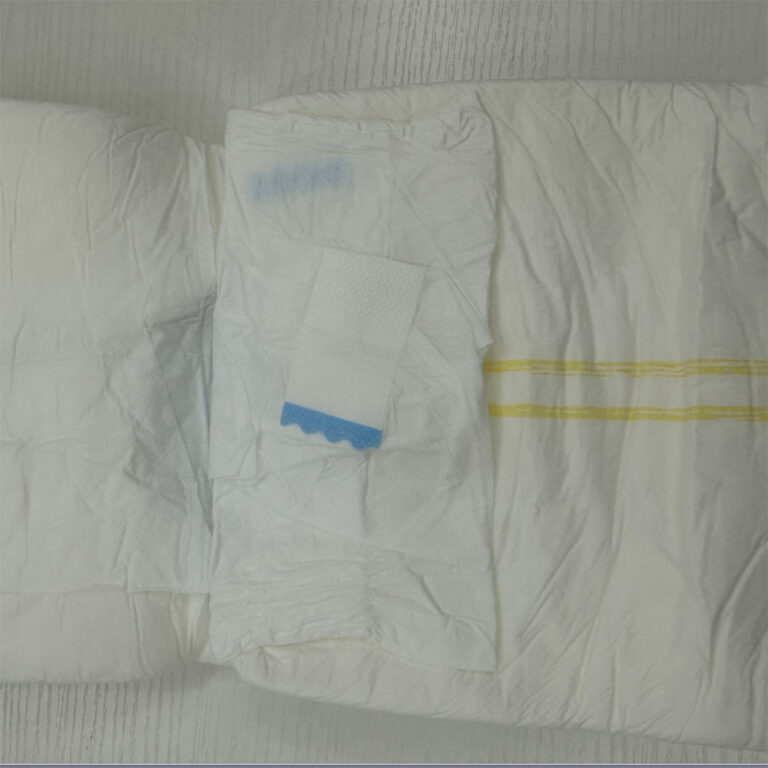
Front and back. Markings differ between brands. Carewell’s pull-up guide notes that the back often has coloured threads or a “back” label, while some brands mark the front instead. Read the package instructions rather than assuming.
Space and supplies. Choose a place with something stable to hold, such as a grab bar, a chair arm, or a bed rail. Wash your hands and have wipes, a trash bag, and gloves ready if you are assisting. For bed-level changes, put a clean towel or disposable underpad down first.
How to Put On an Adult Pull-Up Step by Step
These steps suit a wearer dressing independently, standing or seated. Caregivers can use the same sequence when guiding.
Open and pre-shape the waist. Hold the waistband with both hands and widen it all the way around. Do not over-stretch it. The aim is to remove creases and reset the elastic so it does not start out folded.
Confirm front and back. Find the markings and hold the garment so the front faces the front of the body.
Step in one leg at a time. Do this as you would with underwear. If balance is limited, sit on the edge of a chair or bed and hold a stable support.
Pull to mid-thigh and pause. Check that both leg openings sit at the same height and that the crotch panel is not rotated. A twist is far easier to fix at the thighs than at the waist.
Pull up with both hands at the same time. Grip the sides at hip level rather than the front centre. Do not tug one side higher to close a gap, because that usually opens a new gap elsewhere.
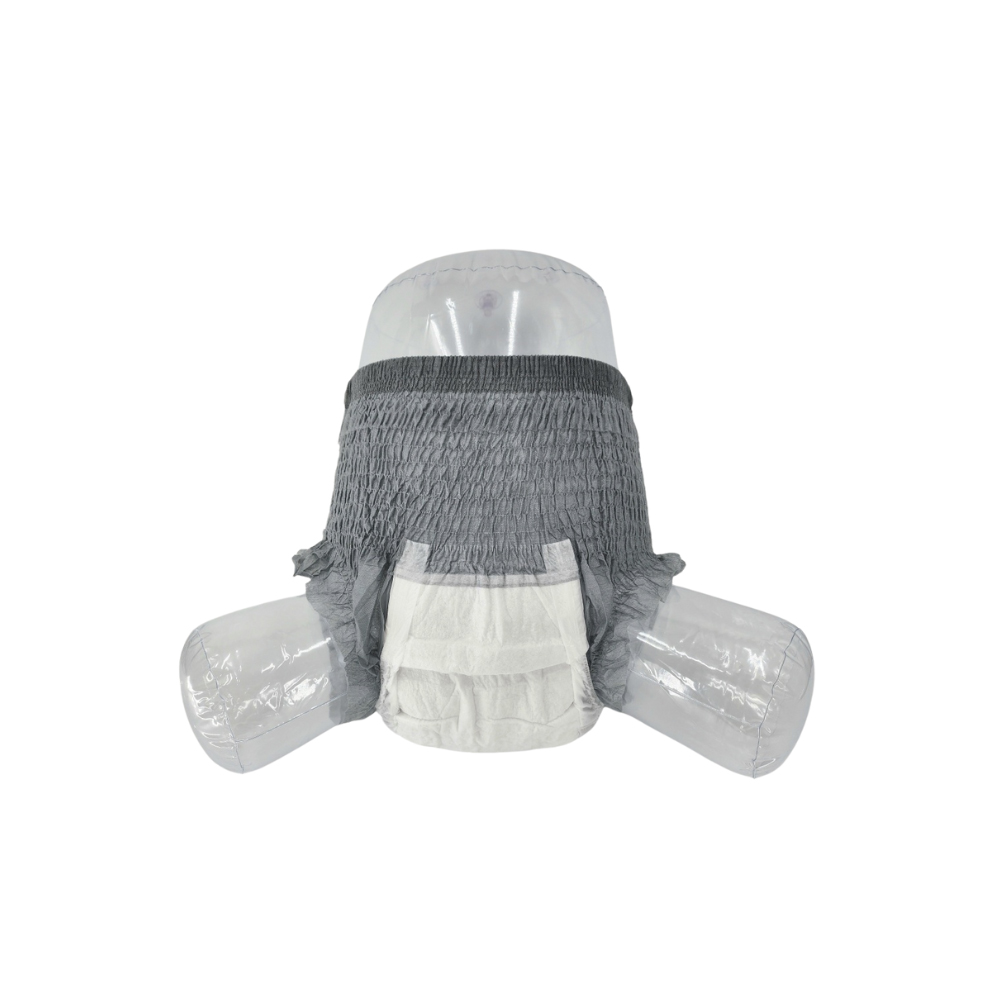
Seat the core. Lift gently so the absorbent area sits centred against the body and the back panel covers the buttocks.
Smooth the waistband. Run your thumbs around the inside edge from front to back on each side. The band should lie flat and level, with no rolled edge.
Check the leg openings. Run a finger around each one to confirm the outer cuff is not folded under and the inner leak guard stands upright. The guide to how leak guards, leg cuffs, and waist design reduce side leakage explains why a folded cuff or flattened guard opens a leak path at the side.
Dress carefully. Pull trousers up without dragging the waist. Tight shapewear or a very low waistband can push a pull-up down or sideways.
How Do You Put a Pull-Up on Someone Else?
Assisted application follows the same logic, but safety comes first. Falls during dressing are a real risk, so follow the wearer’s care plan and ask a nurse or occupational therapist about transfer technique if you are unsure. Respect privacy and explain each step as you go.
When the Person Can Stand Briefly
Seat the person on a chair or bed edge. Gather the leg opening like a sock, guide each foot through, and pull the garment to the knees. Then have the person stand while holding a rail, walker, or your forearm. Pull up from both sides at the same pace, then centre and smooth the waist. Have the person sit again to check that nothing has rolled.
When the Person Is in Bed
Lay a clean sheet or underpad first, as Carewell recommends. With the knees bent, thread both feet through and draw the pull-up to the thighs. Use the turning method in the care plan to bring the garment up one side at a time, keeping both sides at the same height. Return the person to their back, centre the core, and smooth the waistband.
If this feels like hard work every time, that is useful information. It may mean the format does not suit the wearer, which is covered below.
How Can You Fix a Twisted or Rolling Waistband?
Start by finding where the movement begins. The table summarises likely causes based on general fit guidance, not a diagnosis. Change one variable at a time.
What You See
Likely Cause
What to Try First
When to Reconsider the Product
Waistband spirals around the body
Garment was rotated at the thighs or pulled up unevenly
Lower it to mid-thigh, realign, and pull both sides together
Twisting repeats on every wear despite pre-shaping
Top edge rolls outward
Waist sits in a body crease, clothing presses on it, or the rise is too short
Check size chart against waist and hip measurements
A smaller size pinches at the legs
Leg openings fold or leak at the side
Cuff folded under or leak guard flattened
Run a finger around each opening and unfold
Legs alternate between gaps and pinching
Twist returns after sitting or walking
Size mismatch or waistband losing recovery
Recheck size and wear a different batch
Problem follows the product across several packs
The rolling and bunching patterns above follow the checklist in Because Market’s rolling and bunching guide, which also recommends sitting and standing once after application to recheck.
How Should You Check the Fit After Application?
Check the pull-up before the wearer leaves the dressing area, not after a leak.
Ask the wearer to stand, sit, and stand again. Look for a rolled edge or a shifted core.
Walk a few steps. Check whether the back sags or the waist climbs.
Look for deep or lasting red marks at the waist and legs after a period of wear. These point to a fit that is too tight.
Check for gaps at the thigh, especially when the wearer sits.
Independent users stress the product more than most people expect. Pulling it down and up for toileting, sitting, standing, and walking all work the waist and cuffs. The article on movement leak testing for pull-ups used by active wearers explains why static capacity numbers do not predict how a pull-up behaves in motion.
Fit also affects skin. The AHRQ implementation guide on catheter-associated infection prevention lists skin barrier creams, high-absorbency briefs or pads that wick moisture away from the skin, and scheduled voiding among potential incontinence-management measures in nursing-home settings. It is not a pull-up fitting guide, but it supports treating skin checks as part of every change. Seek clinical advice if redness, soreness, or breakdown appears.
Is Twisting a Technique Problem or a Product-Format Problem?
Good technique fixes most application errors, but it cannot make a pull-up suit a wearer it was not designed for.
A snug waist is not the same as a correct one. Pulling harder on a twisted garment usually shifts tension to another part of the body. If the twist returns despite correct size, even pull-up, and pre-shaping, look at the format.
Pull-ups work best for wearers who can stand, step in, and take part in changes. Tab-style briefs open flat and can be adjusted while the wearer is sitting or lying, which gives caregivers more control over waist and leg tension. The comparison of adult pull-ups versus tab-style briefs covers where each format fits. The trade-offs are real: pull-ups are usually more discreet and support independence, while tab briefs are often bulkier but easier to manage for bed-level or assisted care. Neither is universally better.
What Should Care Teams and Buyers Specify for Correct Application?
Facilities, home-care agencies, distributors, and private-label brands can reduce application errors before products reach the wearer.
Write a short donning guide. A one-page procedure with photos covering orientation, pre-shaping, even pull-up, and the post-application check helps new staff and family caregivers apply products consistently.
Trial adjacent sizes. Test two sizes on representative wearers before approving a case or tender, rather than relying on a chart alone.
Ask about orientation marking. Front and back should be easy to identify in poor light and at a glance. The disposable bladder control underwear in pull-up style page lists a printed waistband among its OEM/ODM options. Whether that can carry an orientation marker is a question to confirm with the supplier.
Request waistband evidence. Ask for stretch-recovery results across batches and sizes, not only a statement that the elastic is strong.
Include application instructions on the pack. Short diagrams reduce avoidable misuse.
Record the wearer profiles, size range, absorbency level, and care setting when requesting samples or a quotation, so the supplier can match the specification to real use.
Frequently Asked Questions
How do I know which side is the front of an adult pull-up?
Check the product’s own markings: a label, tag, printed graphic, or coloured threads on the waistband. Brands differ, and some mark the front rather than the back. Read the package instructions before the first use of a new product.
Why does my adult pull-up keep twisting?
Twisting usually comes from putting the garment on rotated, pulling one side faster than the other, or clothing dragging the waist. If it repeats after correct technique, check the size against waist, hip, and rise measurements, then consider a different product or format.
Can an adult pull-up be too tight or too loose?
Yes. A pull-up that is too tight can leave deep red marks and may roll or fold. One that is too loose can slide and gap at the legs. Measure waist and hips, then compare the numbers with that product’s size chart.
How do I put a pull-up on someone who is in bed?
Place a clean underpad, thread both feet through the leg openings, and draw the garment to the thighs. Use the care plan’s turning method to raise each side evenly, then centre the core and smooth the waistband.
Does a rolling waistband mean I need a bigger size?
Not necessarily. Rolling can come from a size that is too small, but also from a short rise, a body crease, or tight clothing. Check measurements and clothing first, then compare two adjacent sizes during normal movement.
When should I consider tab-style briefs instead of pull-ups?
Consider tab-style briefs when the wearer cannot stand safely, needs frequent bed-level changes, has heavier leakage, or when pull-ups keep twisting or sagging despite correct size and technique. A clinician or continence adviser can help match the product to the wearer.