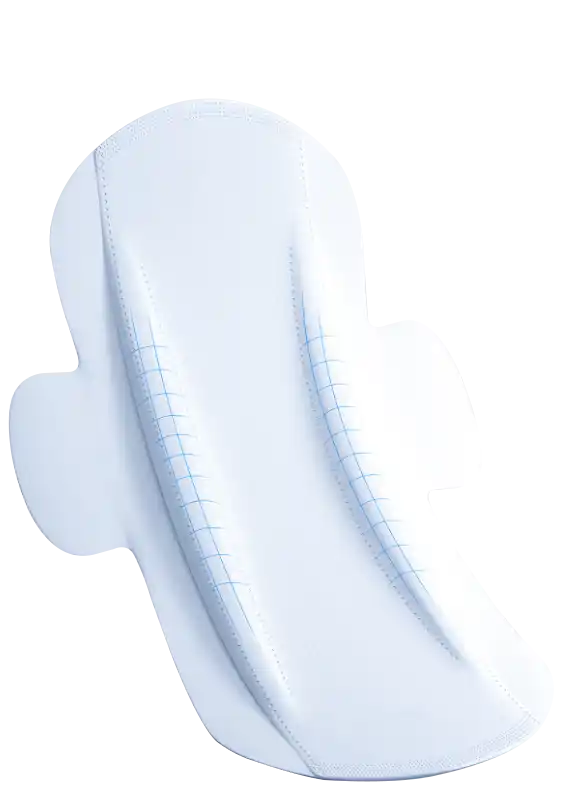
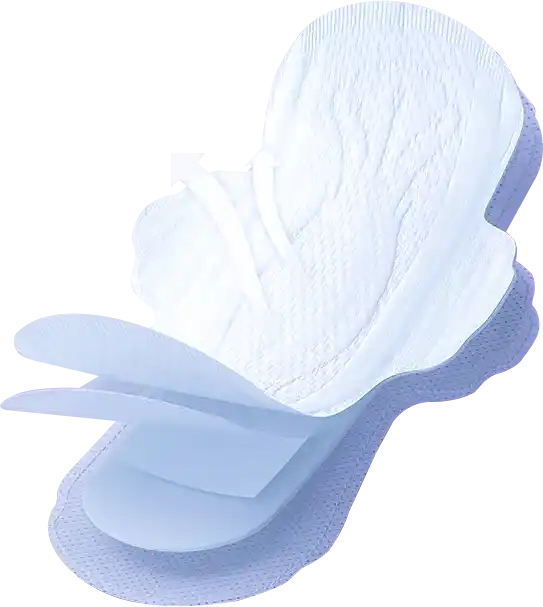
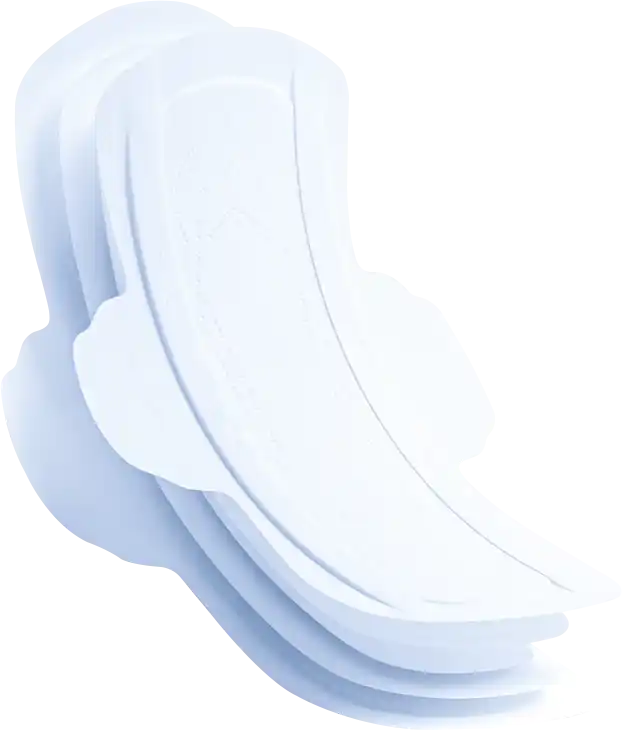
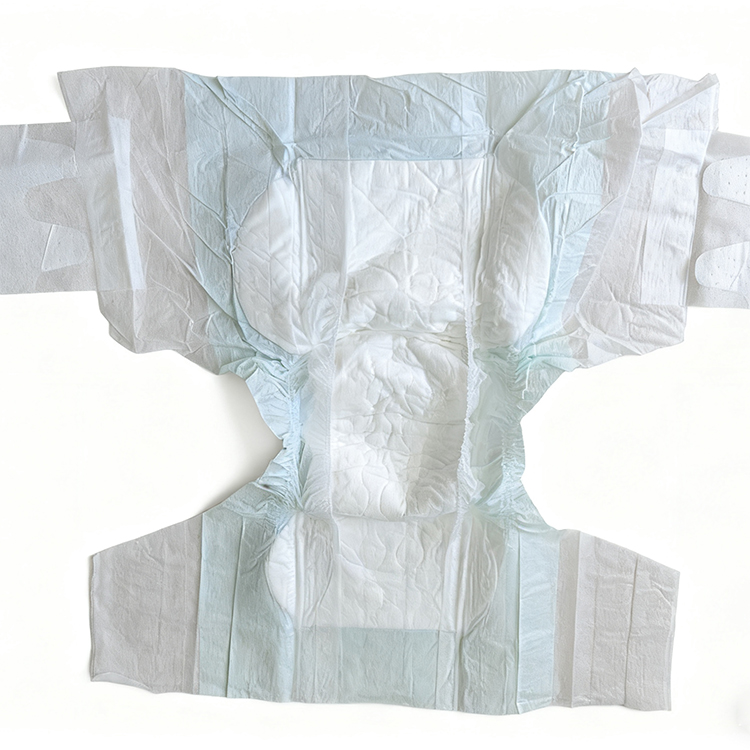
The topsheet is the skin-contact layer, yes, but it’s also a fluid-control gatekeeper—hydrophilicity chemistry, pore geometry, basis weight (gsm), and bonding method all collide here, and “fast-dry” or “soft feel” is usually just marketing shorthand for a handful of measurable behaviors (strike-through seconds, rewet grams, wicking spread) that decide whether users feel “dry” or feel betrayed.
So here’s the uncomfortable question: are you buying comfort, or buying fewer complaints?
Most brands pretend that’s the same thing. It isn’t.
The hard truth about “Fast-Dry” topsheets
“Fast-dry topsheet” almost always means one of two builds:
Hydrophilic PP nonwoven (spunbond / SMS) engineered for quick intake, usually via a surfactant finish.
Perforated film topsheet (often PE/PP film) using holes + surface energy to funnel fluid through.
In procurement language, fast-dry really means: fast strike-through + low rewet. And low rewet is where mediocre pads get exposed.
If you only optimize intake speed, you can still fail because the pad looks like it’s absorbing while the surface feels damp under pressure (sitting, sleeping, movement). That’s why serious OEM buyers talk like engineers: strike-through, rewet, wicking—then they argue about SAP distribution and acquisition layers. This is the same logic spelled out in practical OEM terms for absorbent hygiene sourcing on adult-diaper.com’s own manufacturing notes, especially the parts about “strike-through” and “rewet” being the real complaint drivers, not buzzwords like “ultra-soft.” (soft nonwoven + strike-through/rewet discussion)
The hard truth about “Soft Feel” topsheets
Soft feel is usually bought with:
Higher-gsm nonwoven
Different bonding (softer handfeel, less stiffness)
Fiber/finish tweaks that reduce scratch and noise
But softness has a dark side: it can slow intake and hold moisture at the surface if the finish is inconsistent, overloaded, or badly matched to the core. And the industry’s favorite lie is calling something “cotton-like” when it’s still a synthetic nonwoven with a marketing rinse.
When a spec sheet says only “soft nonwoven topsheet,” you’re not holding a spec. You’re holding a vibe. The factory-side breakdown of what to actually lock down—nonwoven type (spunbond/SMS), hydrophilic treatment, lint control—is laid out plainly here: (topsheet nonwoven + hydrophilic treatment in OEM quotes)
And yes, lint matters. If your topsheet sheds, institutions hate you. Consumers just call it “itchy” and never return.
The part nobody wants to talk about: contaminants + regulation are now product features
In 2024, UC Berkeley researchers reported detecting metals (including lead and arsenic) in tested tampons—30 samples across 14 brands and 18 product lines—raising the kind of headline risk that turns “material selection” into “board-level risk.”
The U.S. National Institute of Environmental Health Sciences (NIEHS) echoed the issue in a 2024 explainer, noting lead was found in all tested tampons in that study set, while also stressing uncertainty about real-world exposure pathways.
Then regulation tightened. California’s AB 2515 (“T.A.M.P.O.N. Act”) moved PFAS from “PR nuisance” into “compliance requirement,” with the Senate floor analysis spelling out the prohibition timeline (including the 2025 start for intentionally added PFAS and further thresholds later).
If you’re sourcing topsheets, here’s why that matters: finishes, coatings, and supply-chain “processing aids” are where surprises hide. A topsheet isn’t just polymer and fibers; it’s also whatever touched it during converting.
How I’d choose a topsheet (if I’m the buyer who gets blamed later)
I’d pick based on the complaint you fear most.
If the market screams “I feel wet”, I bias toward a fast intake system, but I demand proof on rewet—because “fast” without “dry under pressure” is a trap.
If the market screams “itchy / scratchy”, I bias toward softer nonwoven, but I force intake targets into the contract so softness can’t silently degrade performance.
If you’re selling into regulated or high-scrutiny channels, I treat chemical disclosure like a product feature, not paperwork.
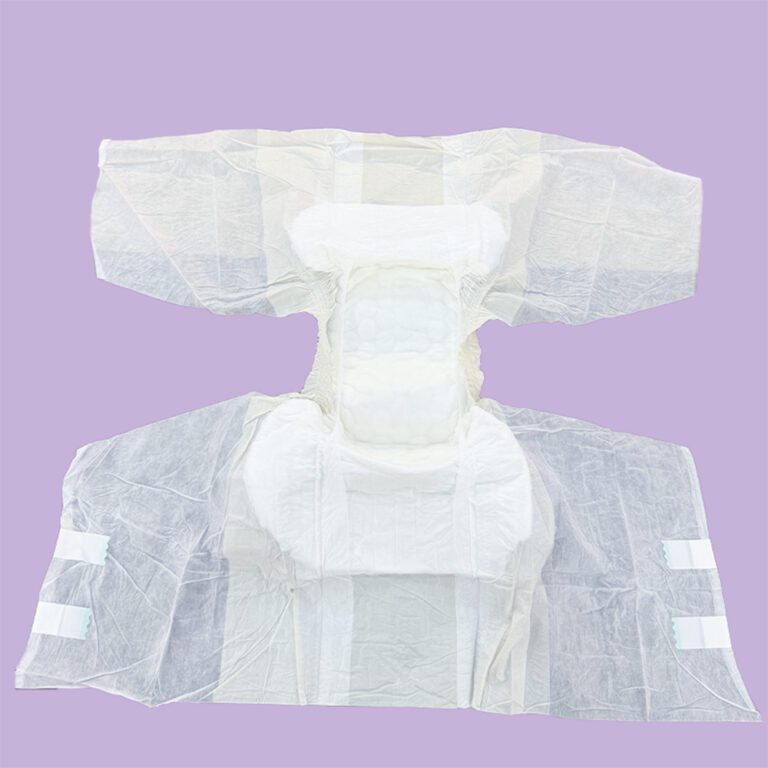
And I’d steal this discipline from the incontinence category, because the user experience is brutally honest there: marketing doesn’t survive a night shift. If you want concrete language to write into your OEM sheet (topsheet, ADL, core, backsheet), it’s spelled out cleanly here: (how to write an OEM spec with topsheet + ADL + core language)
Internal links that match this topic (useful context on adult-diaper.com)
If you’re building pad-like products (sanitary, incontinence, underpads), these pages are directly relevant to topsheet decisions and the way factories talk about them:
A sanitary pad topsheet is the skin-contact layer—typically hydrophilic polypropylene (PP) nonwoven or a perforated polyethylene (PE) film—that controls first-touch comfort, intake speed (strike-through), and how much moisture returns under pressure (rewet), shaping perceived dryness, irritation risk, and leakage complaints in real use.
After that definition, the buyer move is simple: spec it like a component, not a vibe—material, gsm, finish chemistry constraints, and performance targets.
What does “fast-dry topsheet” actually mean in manufacturing terms?
A “fast-dry topsheet” is a topsheet engineered for rapid fluid penetration and low surface moisture after loading, usually achieved via hydrophilic surface treatments on nonwoven PP or via controlled perforation patterns in PE/PP film that drive quick strike-through and reduce perceived wetness during wear.
If the supplier can’t state strike-through and rewet targets, you don’t have “fast-dry,” you have a label.
Is perforated film topsheet better than nonwoven topsheet for sanitary pads?
A perforated film topsheet is a plastic film layer with engineered hole geometry that can deliver very fast intake and a “dry” surface feel, while a nonwoven topsheet is a fibrous web that usually wins on softness, breathability, and noise; “better” depends on whether you prioritize dryness perception or skin comfort.
Film can feel plasticky; nonwoven can rewet if the build is lazy. Pick your poison, then test.
Are “cotton topsheet sanitary pads” always safer for sensitive skin?
“Cotton topsheet sanitary pads” are pads whose topsheet contains cotton fibers or is marketed as cotton-like, which may improve handfeel for some users, but sensitivity depends on the full chemistry stack—finishes, adhesives, odor-control additives, and contaminants—so cotton content alone does not guarantee lower irritation or better tolerability.
Demand fiber-content disclosure and a finish/chemical policy, not just a cotton claim.
How do I choose the best topsheet material for sanitary pads?
The best topsheet material for sanitary pads is the one that hits your specific performance targets—strike-through speed, maximum rewet, softness/abrasion thresholds, and lint limits—while staying compatible with your absorbent core (fluff pulp + SAP like sodium polyacrylate) and your regulatory/claims constraints for chemicals and labeling.
Start from complaints and channel: retail comfort vs institutional performance are not the same product.
What regulations should I worry about when sourcing sanitary pad topsheets in the U.S.?
U.S. topsheet sourcing must account for state-level chemical restrictions and enforcement risk—especially PFAS rules that treat certain fluorinated substances as prohibited in menstrual products—plus heightened scrutiny driven by 2024 research and public-health coverage of trace contaminants in period products, which can force testing and documentation upgrades.
California’s AB 2515 timeline is the kind of thing that turns “finish chemistry” into a sourcing firewall.
Conclusion
If you’re building a pad line and you want fewer returns, stop arguing “fast-dry vs soft feel” like it’s a branding debate. Write a topsheet spec that names materials, locks gsm and finish behavior, and sets strike-through + rewet targets—then force sample testing against those targets before you scale. If you want a practical spec structure to copy, start with this OEM layer blueprint and adapt it to sanitary pads: how to write an OEM spec with topsheet/ADL/core language.