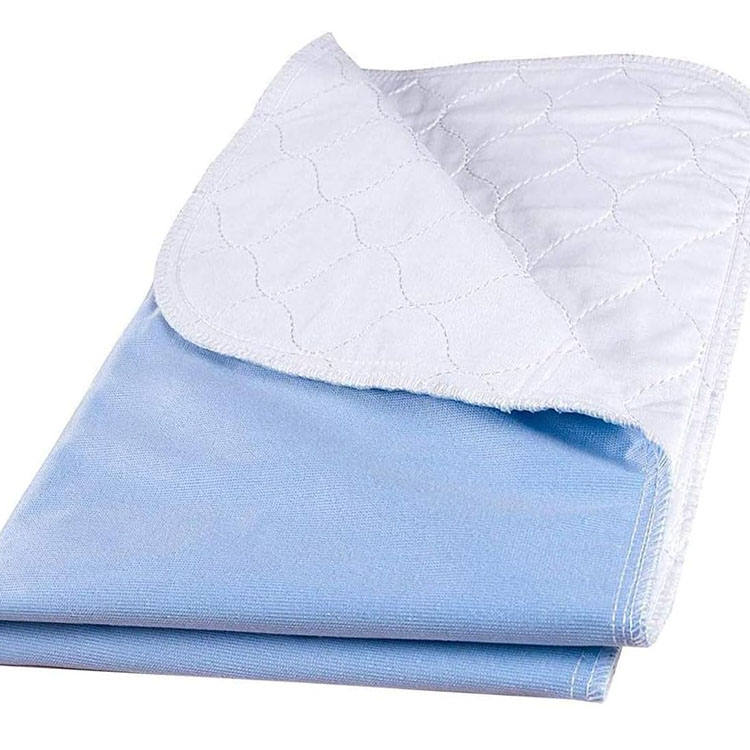
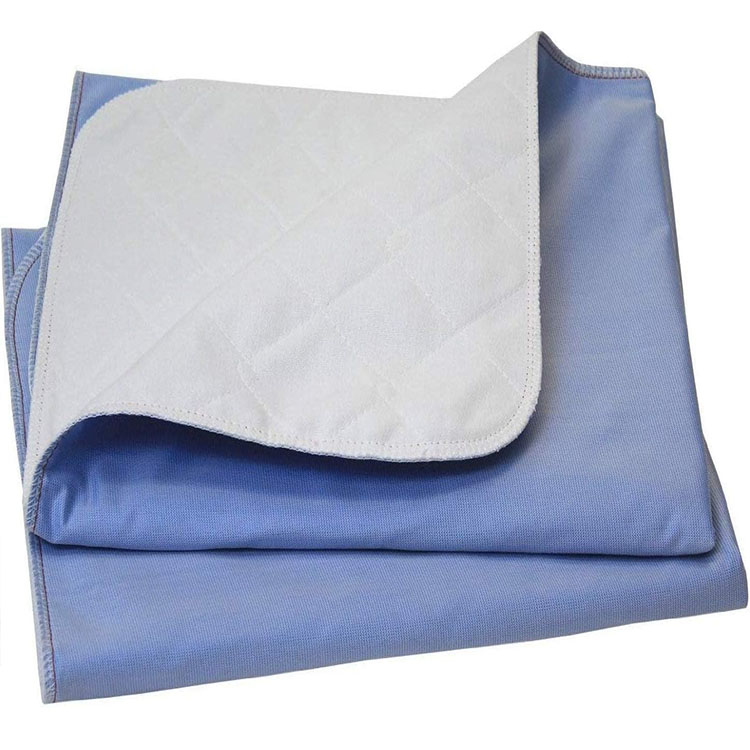
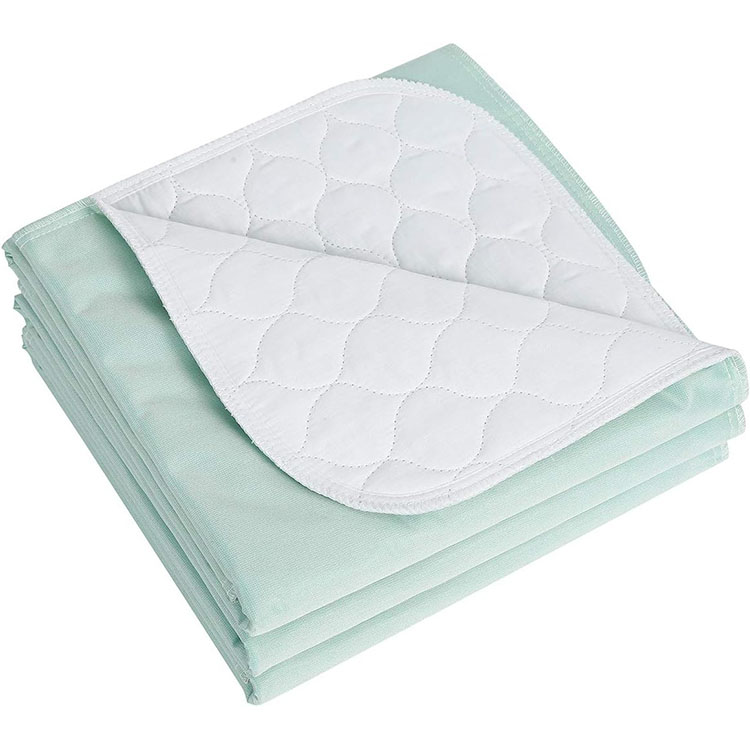
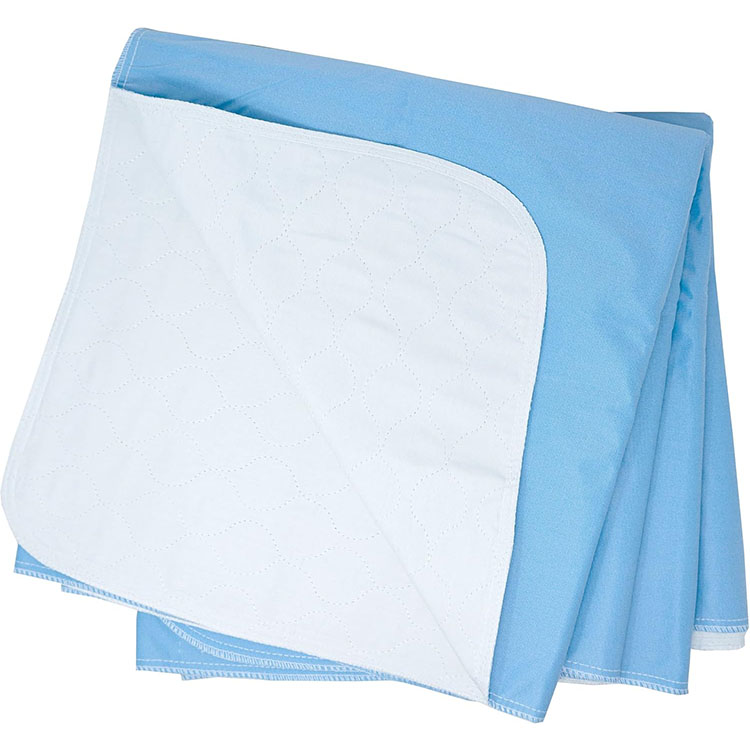
Underpads Wholesale: Avoiding Batch Variation and Complaints
Looks harmless.
But underpads wholesale is one of those categories where a tiny production drift, a 2 gsm drop in topsheet weight, a cheaper PE backsheet, a smaller absorbent zone hidden inside the same finished size, or sloppy pallet storage, turns into wet-back, edge leaks, skin complaints, distributor refunds, and the sort of angry reorder email nobody forgets. Want the blunt version?
I’ll give it to you anyway. Most complaint storms are self-inflicted. I’ve watched buyers spend weeks squeezing FOB by $0.01 or $0.02 per pad, then approve a PO with the words “same as sample,” which is not a spec, not a control plan, and not something you can enforce when batch No. 3 shows up softer, slower, flatter, and somehow weaker at the seals. Why pretend otherwise?
And demand is not getting calmer. In Reuters’ July 2024 report on Japan’s adult-diaper pivot, Fuji Keizai projected Japan’s adult diaper market would grow 16% to 98.9 billion yen by 2027 while the baby diaper segment would shrink 8%; if you’re sourcing wholesale absorbent products, that is your warning that more factories will chase volume, and weak process discipline will get punished faster.
Here is the part many buyers miss. In U.S. regulatory terms, 21 CFR 876.5920 classifies protective garments for incontinence as Class I, 510(k)-exempt, and the regulation text also notes exemption from part 820 quality-system requirements except records and complaint files. My opinion? That makes private buyer controls more necessary, not less, because “regulated category” does not automatically mean your reorder will match your sample.
So where do complaints actually start?
Not at “absorbency.” That word is too vague to save anyone. Complaints start where care teams actually live: strike-through time, rewet, edge leak, bunching, odor retention, film noise, carton damage, and lot-to-lot inconsistency in size or handfeel. A 60×90 cm pad that keeps the same outer cut but loses core width is still “60×90” on paper. In real use, it is a different product.
I’ve become allergic to pretty samples. A showroom sample can be honest. It can also be theater. What matters is whether the factory can reproduce the same construction on line speed, with the same raw-material source, the same hot-melt pattern, the same SAP distribution, and the same pack compression after 20,000 or 200,000 units. Isn’t that the whole point of wholesale?
And this is not abstract clinical talk. In a 2024 point-prevalence study indexed by PubMed, older adults in Irish extended-care settings had an incontinence prevalence of 86.4%, while IAD prevalence among incontinent residents was 13.3%; once you understand those numbers, “slightly slower intake” stops sounding minor, because wet-back and prolonged moisture are care-setting problems, not just product-review problems.
The U.S. data points the same way. The 2024 NIDDK Urologic Diseases in America report says claims-based prevalence of any urinary incontinence in Medicare fee-for-service adults aged 65+ rose from 5.6% in 2012 to 6.1% in 2021, and reached 10.6% for adults aged 85+ in 2021. Bigger user populations do not forgive weak QA; they amplify it.
Then there is the warehousing issue, which too many factories and traders treat like a side note. It is not. In FDA’s January 2024 warning letter to Inmar, investigators described rodent gnawing, live rodents, and apparent rodent urine and scratches on pallets of adult diapers. Read that again, then tell me supplier qualification ends at line inspection. It doesn’t.
My rule is simple. If the complaint can happen in conversion, packing, warehousing, or outbound handling, it belongs in your supplier audit and your contract appendix. Period.
A serious underpad control sheet should not say “premium quality,” “hospital grade,” or “high absorbency.” That language is for brochures. A real file reads more like this: SKU UP-7590-H, finished size 75×90 cm, absorbent zone 55×75 cm, hydrophilic PP topsheet 17 gsm, ADL 25 gsm, fluff pulp plus SAP (sodium polyacrylate) at fixed grams per pad, breathable PE backsheet 28 gsm, strike-through target with 0.9% NaCl test fluid, rewet target under fixed pressure, seal strength threshold, case pack, pallet pattern, retained sample policy, and complaint-response SLA. That is how you make reorders boring. Boring is money.
Failure point
What usually drifts
What the customer says
What I would lock before PO approval
Finished size vs core size
Outer sheet stays same, core narrows
“It leaks at the edges now”
Finished size and absorbent-zone dimensions, with tolerance by cm
Topsheet and ADL weight
17 gsm becomes 15 gsm, ADL softens
“Feels wetter on contact”
GSM by layer, supplier code, and incoming material lot record
SAP/fluff balance
Less SAP or worse distribution
“First void okay, second one fails”
Total core grams, SAP grams, distribution map, intake/rewet method
Backsheet film
Breathable film swapped for cheaper PE
“Hotter, noisier, uncomfortable”
Film type, gsm, MVTR target if claimed, laminate structure
Bonding and seal quality
Hot-melt or pattern changes
“Pad bunches up” or “edges separate”
Bond pattern, peel check, burst or seal inspection frequency
Pack compression
More units forced into same bag
“Thinner than sample”
Units per bag, compression limit, bag gauge, carton crush check
Lot code logic, retained samples, traceability to line/date/shift
I would also force one ugly but effective discipline: every complaint must be answerable against the approved “golden sample” and a retained production sample from the same lot. No retained sample, no serious root-cause analysis. Just excuses.
But buyers still ask me the wrong question. They ask, “Who is the best underpads wholesale supplier?” I think that question is lazy. The right question is, “Who can hold the build?” The best supplier is the one who can repeat the same pad on the fourth reorder, not the one who sends the nicest first carton.
And yes, I would say this directly in the article: do not approve underpads by handfeel alone. Ask for three things before bulk release: a signed spec, a pre-shipment lot report, and retained samples. Then add a complaint clause with 24-hour acknowledgment, 5-working-day preliminary CAPA, and full lot traceability down to date, shift, and raw-material batch. Anything softer than that is a request to get burned.
FAQs
What is batch variation in underpads?
Underpad batch variation is a measurable shift in dimensions, layer weight, absorbent-core construction, intake speed, rewet, seal integrity, or pack compression between the approved sample and later production lots, big enough to alter leakage performance, caregiver workload, or user comfort and therefore trigger complaints.
In plain English, it means reorder stock is not truly the same product the buyer approved. The safest way to catch it is to compare each lot against a golden sample and retained samples with the same test method every time.
How do I avoid underpads supplier complaints?
The best way to avoid underpads supplier complaints is to convert every buyer expectation into a written control point: size, core map, SAP grams, topsheet GSM, backsheet type, strike-through limit, rewet limit, seal strength, case pack, pallet pattern, retained samples, and complaint-response timing before the purchase order is issued.
I would add warehouse hygiene and outbound inspection to that list because real-world complaints do not care whether the defect came from the line or the pallet rack.
What should an underpad OEM spec include?
An underpad OEM spec is a production-control document that defines the exact build, tolerances, test method, packaging rules, labeling, traceability, and defect thresholds for one SKU, so the factory cannot quietly substitute materials, reinterpret absorbency, or argue later that bulk production was “equivalent” to the approved sample.
At minimum, lock finished size, absorbent zone, layer structure, core composition, packaging format, lot coding, AQL, retained sample duration, and complaint-response procedure.
Who is the best underpads wholesale supplier?
The best underpads wholesale supplier is the one that can reproduce the approved sample across lots, provide retained samples and lot traceability, answer complaints with root-cause evidence, support market-specific documentation, and accept measurable contract language on absorbency, dimensions, intake, rewet, and packaging integrity.
I do not rank suppliers by marketing polish. I rank them by whether batch No. 4 still behaves like batch No. 1.