Retail Underpads: Pack Strategy for Pharmacies & E-com
One pack lies.
I’ve watched buyers spend months arguing about SAP ratios, fluff pulp density, PE backsheet feel, and topsheet softness, then wreck the commercial launch by forcing one pack architecture into two channels with opposite economics, opposite shopper behavior, and opposite failure modes. Why do smart teams still do that?
Here is the hard truth I’d defend in a room full of buyers: pharmacy underpads are a cash-pay convenience purchase, while e-commerce underpads are a shipping-and-repeat-purchase math problem. According to the 2024 Urologic Diseases in America report from NIDDK, claims-based urinary incontinence prevalence among people 65 and older ran about 6% to 8% annually, and reached 10.6% in 2021 for Medicare fee-for-service beneficiaries aged 85+. Meanwhile, the U.S. Census Bureau’s Q4 2024 e-commerce report said U.S. e-commerce sales hit $1.1926 trillion in 2024 and 16.1% of total retail sales, up from 15.3% in 2023. Add one more ugly fact: Medicare.gov says Original Medicare does not cover incontinence supplies, and CMS says disposable underpads A4554 and non-disposable underpads A4553 are statutorily non-covered. That is why price ladders matter so much here; the shopper often pays the whole bill.
So my position is simple. Pharmacies need low-friction entry packs, e-commerce needs shipping-efficient refill packs, and nobody should pretend a single 30-count solves both.
Adult-Diaper.com already points in the right direction if you read the site like a buyer instead of a copywriter. Its underpads manufacturer guide: disposable vs washable explicitly says e-com private label buyers can segment SKUs by absorbency, size, and pack-out; its retail-ready packaging and e-commerce packs guide says retail needs clear front-panel communication while e-commerce needs stronger bag film, seal integrity, and 3PL-friendly carton marking; and its OEM quote breakdown for packaging and yield flatly states that one pack cannot satisfy nursing homes, retail, and e-commerce without tradeoffs. That cluster is not filler. It is the site’s real internal-link spine for this topic.
Table of Contents
My pharmacy rule is boring. It also works.
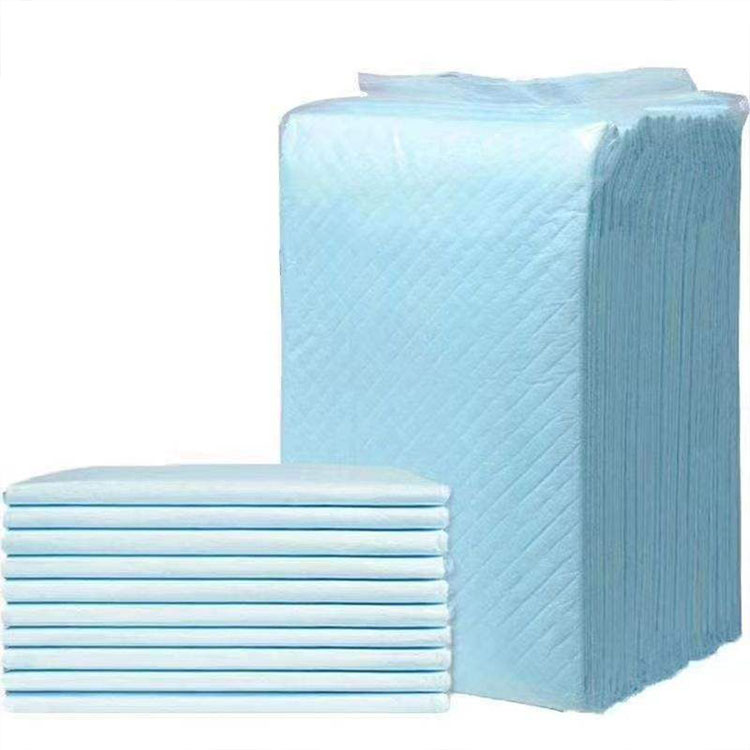
For pharmacies, I would not open with a jumbo pharmacy underpads bulk pack unless the store already serves a heavy caregiver base. The better move is a three-step ladder: a trial pack at 8 to 12 units, a core refill at 18 to 30 units, and only then a value pack for stores with proven velocity. Why? Because pharmacy shoppers are usually solving embarrassment, urgency, and receipt shock in the same sixty seconds. They are not standing there with a calculator comparing cost per square meter of a 60×90 cm disposable bed pad.
E-commerce is different. And meaner.
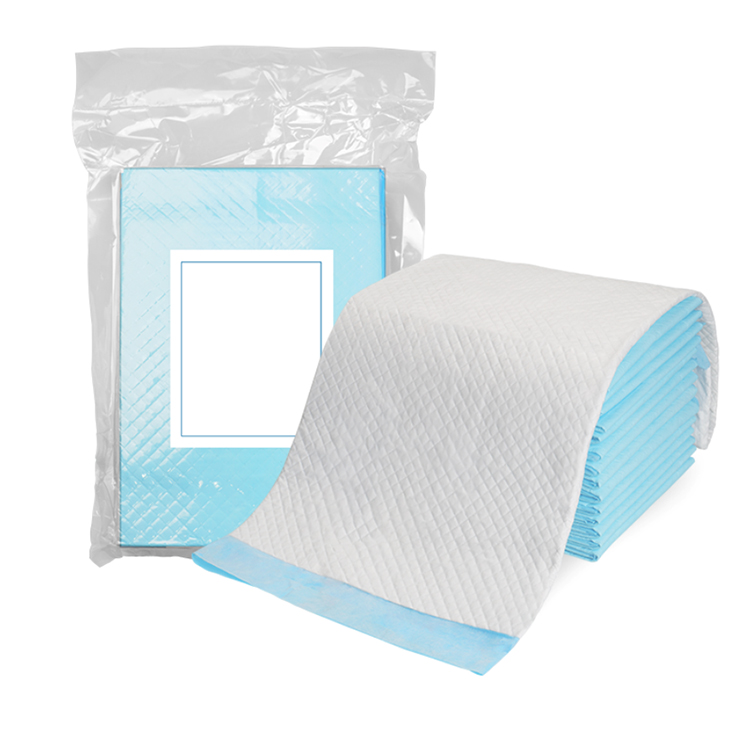
Online, the underpads pack has to survive pick, pack, compression, doorstep handling, and the customer’s review box. I would usually start at 25 to 40 units for the hero SKU, then ladder to 50 to 80 units for repeat buyers, with a clean case-pack option for marketplaces or subscription. Anything smaller often gets murdered by shipping cost; anything bigger gets punished if the outer bag dents, the seal splits, or the carton screams “medical supply” when the shopper wanted discretion. Adult-Diaper.com makes the same point in its channel content: retail needs shelf clarity, but e-commerce needs tougher bags and tighter sealing. The market data backs the opportunity too, because online’s share of retail kept growing in 2024.
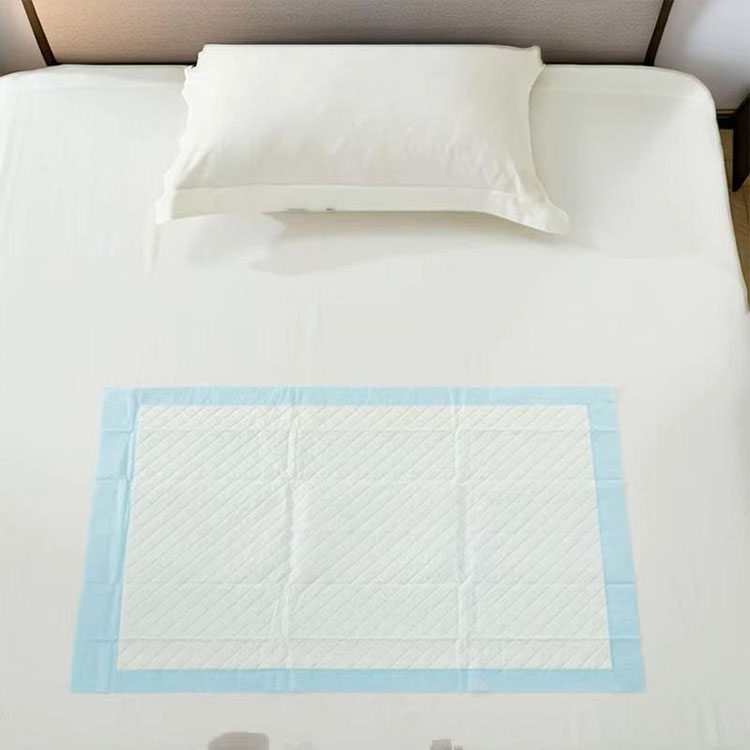
The part most brands miss is the product-story match. A light-duty disposable bed pad for chair protection should not carry the same count logic as a heavy nighttime incontinence underpad for bed use. I’d separate them fast: 40×60 cm or chair/furniture protection in lighter counts; 60×90 cm or 75×90 cm heavy-use bed pads in stronger repeat packs. And I would say it bluntly on-pack: “chair,” “bed,” “overnight,” “exam table,” or “postpartum/home care.” Underpads sell faster when the user sees their routine on the pack, not a vague promise about absorbency.
Claims matter too.
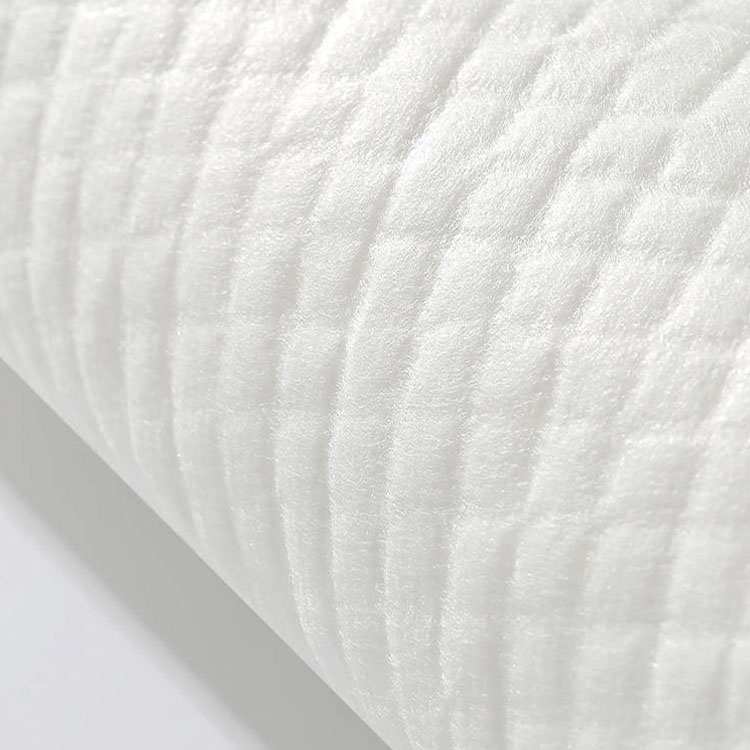
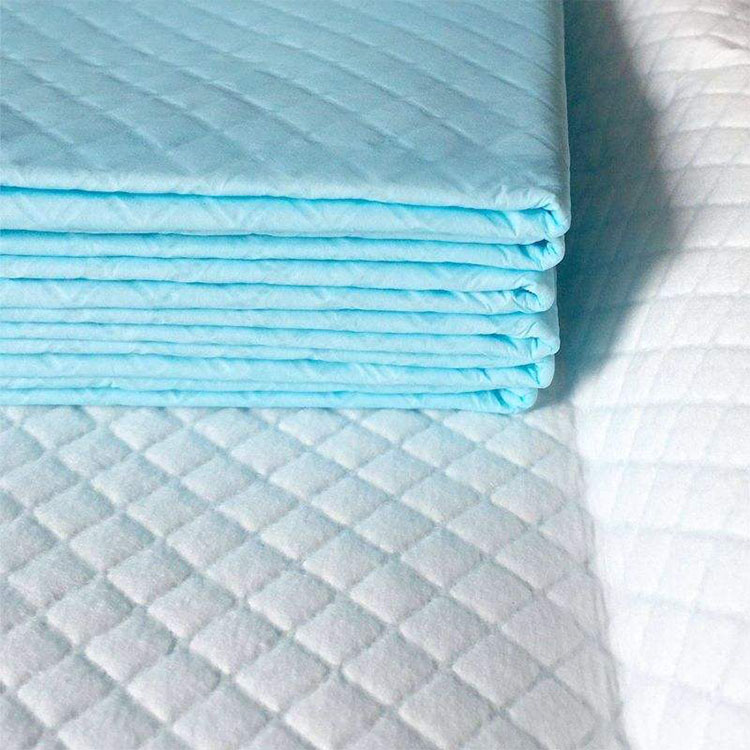
The current eCFR entry for 21 CFR 876.5920 defines a protective garment for incontinence as a device with absorbent padding and a fluid barrier intended to protect an incontinent patient’s garment from excreta. I would not get cute with unsupported medical claims, especially when a product page can win with simpler proof points: size, absorbency tier, topsheet feel, waterproof PE film, and pack count. On the site side, the smarter internal assist is to send readers from this page to making underpads softer, thinner, and more breathable, because skin microclimate is where product comfort stops being abstract and starts becoming reorder behavior.
I also wouldn’t isolate underpads from the rest of the basket. Adult-Diaper.com’s briefs vs pull-ups by channel gets one thing exactly right: channels buy routines, not isolated products. A caregiver who buys tab briefs often buys underpads to reduce full linen changes; a mobile user buying pull-ups may only want a small secondary bed-pad pack for overnight protection or travel. That means the best underpads page should internally feed both adjacent demand paths and not behave like a dead-end SKU page.
What is the best pack size for underpads in pharmacies?
The best pharmacy pack size for underpads is usually a low-friction entry pack of 8 to 12 units, followed by a core refill pack of 18 to 30 units, because most pharmacy shoppers are cash-pay buyers balancing urgency, privacy, and shelf price in a very short decision window. Medicare non-coverage makes that first price point even more sensitive, so I’d protect the opening ticket before chasing a higher-unit pack.
How should e-commerce underpads packaging differ from retail underpads?
E-commerce underpads packaging should prioritize seal strength, damage resistance, discreet outer presentation, and shipping efficiency, while retail underpads packaging should prioritize shelf readability, front-panel clarity, and fast comparison of size, absorbency, and use case for a shopper standing in front of the fixture. I’d also tighten cube and case dimensions online before I touched the artwork, because freight punishes sloppy pack geometry faster than shoppers do.
How do you choose an underpad pack strategy for pharmacies and e-com at the same time?
The right underpad pack strategy for pharmacies and e-com is a channel-split ladder in which pharmacies get smaller trial and refill counts for lower receipt shock, while e-commerce gets larger, ship-efficient refill and value packs that can absorb freight, reduce reorder frequency, and survive parcel handling. I start with one absorbency story, then split the pack-out, not the other way around. Adult-Diaper.com’s own packaging pages support that logic.
What is the best pack size for underpads sold online?
The best online pack size for underpads is usually a hero SKU between 25 and 40 units with a second-step refill pack at 50 to 80 units, because that range typically balances freight efficiency, acceptable carton size, and enough usage volume to encourage repeat purchase without triggering damage-driven returns. But I would always pressure-test it against your actual cube, courier rate card, and damage claims before scaling ads.
Are disposable bed pads or incontinence underpads better for repeat sales?
Disposable bed pads and incontinence underpads are better for repeat sales when the pack count matches the user’s routine, the channel, and the protection surface, because repeat purchase depends less on broad “maximum absorbency” claims and more on predictable use frequency, comfortable feel, and clean delivery. For bed protection and caregiver routines, disposables are often the volume driver; for mixed home use, washable options can still make sense as a secondary tier.
The best underpads strategy is not “bigger pack, better value.” It is “right pack, right channel, right routine.”
If you’re building a pharmacy or e-commerce line now, I’d start with three pack families, not one: 8–12 for pharmacy trial, 18–30 for pharmacy refill, and 25–80 for online refill/value. Then lock the packaging spec before launch by aligning the OEM/ODM services page with the OEM quote breakdown, so your film, seal, case-pack, labeling, and pallet math stop being an afterthought.