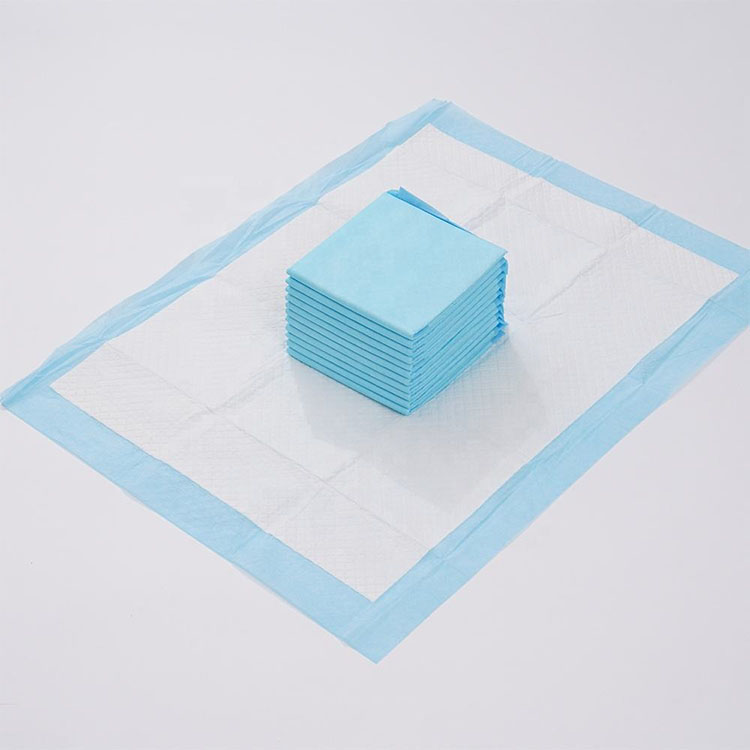
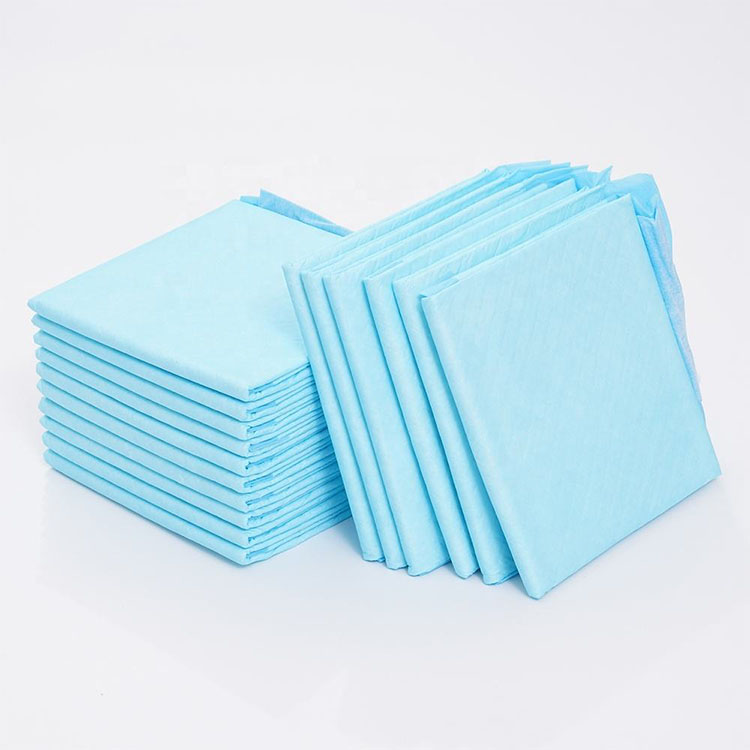
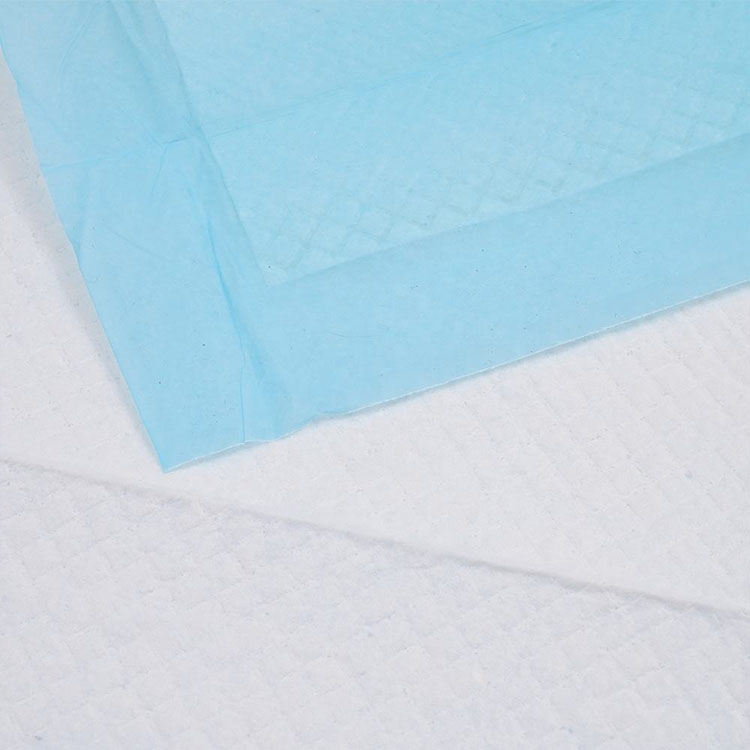
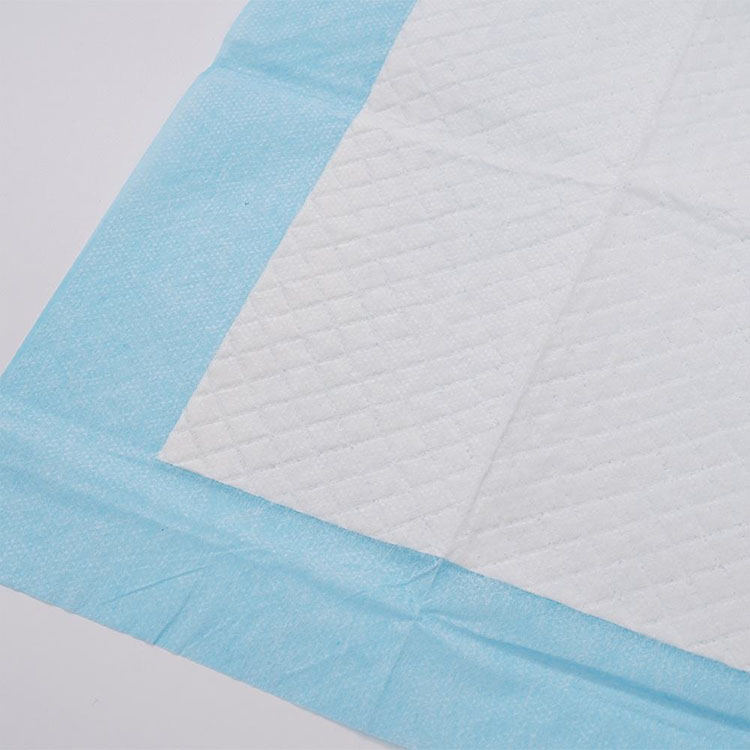
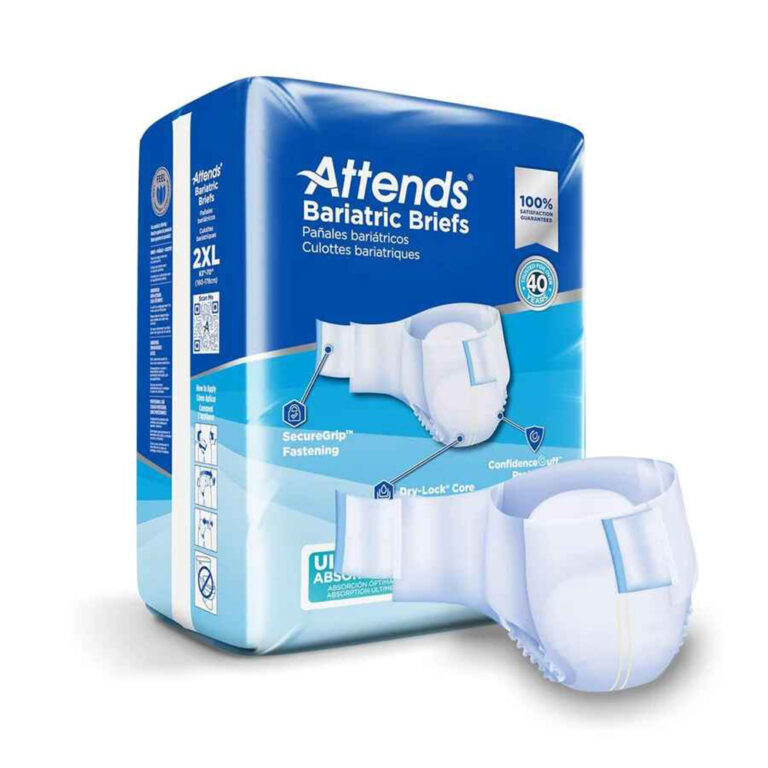
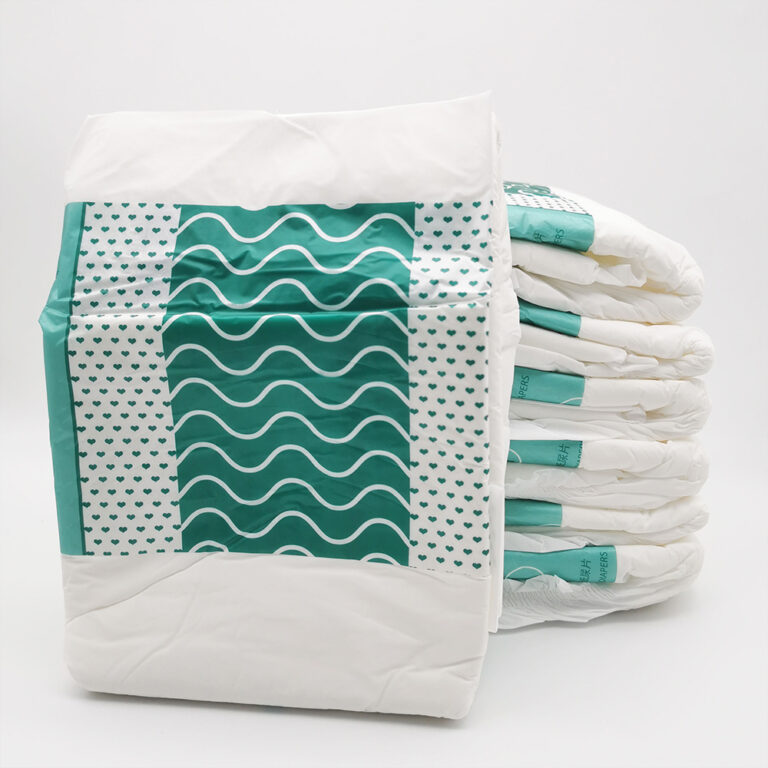
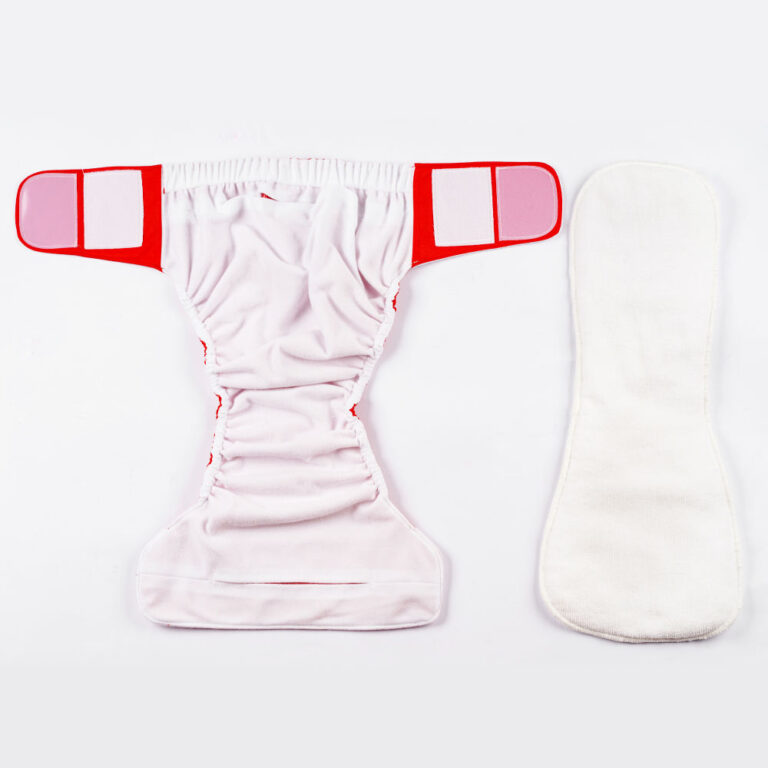
Fast-Dry vs Soft-Feel Topsheets for Incontinence Pads
Most buyers are testing the wrong thing
Three words first.
People do not buy incontinence pads because they love materials science, but the category is too big, too emotional, and too physically unforgiving for lazy sourcing, especially when the 2024 NIDDK annual data report says urinary incontinence is estimated to occur in 25% to 45% of women and cites NHANES-based reporting that 49.6% of women reported UI.
So what are we really comparing?
I’ve seen this mistake too many times: teams squeeze pads, rub the surface with two fingers, nod gravely about “premium softness,” and then act surprised when the product rewets under body pressure, night movement, or repeat voids. That is not product development. That is theater.
The site’s own category pages tell you where the real leverage sits: incontinence pads are sold around absorbency, top-sheet material, and use case; heavy incontinence pads for adults are positioned around a soft topsheet, leak guards, and breathable construction; and incontinence liners for light bladder leakage lean on soft topsheet plus fast absorption for lighter daytime needs. That mix is the clue. Topsheet choice is not cosmetic. It is workflow, comfort, leakage perception, and complaint rate rolled into one.
Table of Contents
Fast-dry is a performance claim, not a material
That matters.
On the manufacturing side, “fast-dry” usually points to either hydrophilic PP nonwoven, often spunbond or SMS, or a perforated PE/PP film build, and the site’s own technical article gets this right: the phrase only means something when it maps to measurable behavior such as strike-through speed, rewet, and wicking, not when it sits on a glossy pouch next to words like “ultra comfort.”
Want my blunt take?
Fast-dry topsheets win when the user’s first complaint is, “I still feel wet,” because perceived dryness is a brutal commercial factor in bladder control pads, especially when the core uses fluff pulp and SAP such as sodium polyacrylate well enough to pull fluid down but the skin-contact layer fails under sitting pressure.
That is why I would send daytime light users toward incontinence liners for light bladder leakage and heavier, longer-wear users toward heavy incontinence pads for adults only after checking whether the supplier can define intake, rewet, and material options in writing, because both pages promise soft or fast-absorbing performance, but only a real spec sheet keeps that promise from drifting in production.
Soft-feel wins the first touch and sometimes loses the shift
Here’s the catch.
A soft-feel topsheet is usually bought through higher-gsm nonwoven, different bonding, and fiber or finish tweaks that lower scratchiness and noise, but the same site article says softness can backfire when intake slows or moisture lingers at the surface because the finish chemistry and the core are not working together. I agree, and I’ll go further: “soft-feel” is the easiest label in this business to fake.
Why do buyers keep falling for it?
Because softness is easy to feel in ten seconds, while poor rewet shows up later, after the user sits, shifts, sweats, and blames the whole product line. The industry loves that gap. I don’t.
And skin does not care about branding. The site’s breathable underpad guide is right to center microclimate, because heat plus moisture next to skin is where fragile skin starts losing the argument; meanwhile, a 2024 systematic review on incontinence-associated dermatitis found five randomized controlled trials involving 644 participants and reported that both pharmacological and non-pharmacological methods significantly reduced dermatitis, which is another way of saying product design and care routine both matter. A 2024 cross-sectional study also noted that incontinence pads can damage skin through friction at the side-gather contact areas, not just through urine exposure alone.
My hard rule: choose by the complaint you fear most
Simple framework.
If the market screams wetness, bias fast-dry. If the market screams scratchy, bias soft-feel. If the channel is nursing homes, post-surgery, or overnight care, do not pretend you can ignore both.
I would map the category like this: soft-feel topsheets make the most sense in lighter, shorter-wear, lower-burst products where comfort and discretion sell the pack, which is why the site’s incontinence liners for light bladder leakage emphasize softness, dryness, and regular-underwear use; fast-dry logic becomes more valuable as void volume, wear time, and pressure loading rise, which aligns with how the site frames heavy incontinence pads for adults around heavy leakage, extra-thick absorbent core, leak guards, and breathable backing.
But here is the part marketers hate.
A better topsheet cannot rescue bad product geometry. The site’s guide on adult diaper sizing to reduce leaks says it plainly: absorbency cannot fix bad fit, and gaps turn into leaks fast. That logic applies to urinary incontinence pads too. If the pad shifts, curls, bunches, or lands outside the target zone, your precious topsheet debate is already half lost.
Fast-Dry vs Soft-Feel: what I would actually spec
This comparison is my synthesis of the site’s product logic, its material notes, and current skin-risk evidence.
Factor
Fast-Dry Topsheet
Soft-Feel Topsheet
My Buyer Read
Typical build
Hydrophilic PP nonwoven or perforated PE/PP film
Softer nonwoven with higher hand-feel focus
Ask what the material actually is, not what the marketing calls it
Strike-through target, rewet max, pore geometry or hydrophilic treatment details
Abrasion/hand-feel target, intake performance, lint control
“Soft” or “fast” without numbers is fluff
Risk to watch
Rewet under pressure if core/ADL is weak
Friction plus dampness if softness comes at the expense of fluid transfer
Skin complaints start quietly, then turn expensive
The evidence is uglier than the packaging
No surprise there.
The 2024 NIDDK report is a reminder that this is not some fringe category: the prevalence range is wide, stigma is real, and underreporting is built into the market, which means many users are already compromising before the product even touches skin. That makes topsheet performance more important, not less.
And the care-setting data should make every procurement team a little less casual. A 2024 Medicare analysis of dermatitis, UTIs, and falls reported that 11.2% of Medicare members had a claims-based diagnosis of incontinence in 2018, and those diagnosed experienced five times more UTIs, two times as many dermatitis events, and more than twice as many slips and falls than those without an incontinence diagnosis. That is what “minor product discomfort” turns into when management is poor.
So yes, I have a strong opinion.
If your product brief says only “soft nonwoven topsheet” or only “fast-dry layer,” you do not have a product brief. You have a future complaint log. Pair your absorbent product with the rest of the care stack too. The site’s adult care wipes guide makes the right point about friction, residue, and repeated passes during cleansing, and that matters because topsheet comfort can be undone by a bad wipe routine just as easily as by a bad core.
FAQs
Is fast-dry better than soft-feel for incontinence pads?
Fast-dry is better for incontinence pads when the main problem is perceived wetness, repeat voids, or overnight pressure loading, because the topsheet is engineered to pass liquid through quickly and keep rewet low, while soft-feel is better when friction, scratchiness, and first-touch comfort drive complaints.
I would not pick between them until I know the user, the void pattern, and the channel.
What is a soft-feel topsheet?
A soft-feel topsheet is a softer hand nonwoven surface, usually built with different bonding, fiber, and finish choices, that reduces scratchiness and noise against skin but can underperform if fluid intake, wicking, and rewet control are not matched to the acquisition layer and core.
How do I choose the best topsheet for incontinence pads?
The best topsheet for incontinence pads is the one that matches the user’s complaint pattern, care setting, void volume, and skin condition, then holds those targets in measurable terms such as strike-through, rewet, abrasion, breathability, and finish chemistry rather than vague claims like premium, cotton-like, or ultra-soft.
I start with complaints, not adjectives, because complaints tell you what the spec failed to do.
Do soft-feel topsheets reduce skin problems?
Soft-feel topsheets reduce skin problems only when the whole pad system manages moisture, friction, heat, residue, and change frequency, because a softer surface alone cannot prevent dermatitis if urine sits near skin, the side gathers rub, or the backsheet traps too much humidity.
That is why “comfort” and “skin health” are related, but never identical.
Stop buying adjectives
If you are building or sourcing a pad line, start with the site’s incontinence pads hub, compare the logic behind heavy incontinence pads for adults and incontinence liners for light bladder leakage, and write a spec that names the topsheet material, strike-through target, rewet limit, breathability expectations, and finish chemistry. That is how you cut complaints before they become returns.