Pull-Ups vs Briefs for Nursing Homes: A Workflow-Based Comparison
Workflow decides. Most nursing-home buyers still talk about pull-ups and briefs like they are debating cereal brands, when the real question is whether the resident can stand, whether staff can reseal the product during rounds, and whether the unit can survive another night of leaks, linen turns, and skin complaints without blowing up labor. Why pretend otherwise?
I’ll say the quiet part out loud. In long-term care, “best product” usually means “least disruptive system.” That is why the strongest internal pages on Adult-Diaper.com are not the prettiest retail pages but the ones built around process, like Briefs vs Pull-Ups by Channel, the guide to adult diapers with tabs for long-term care, and the core category page for adult diapers with tabs. The site is already telling you the right story: this is a mobility-and-workflow decision first, an absorbency decision second.
Table of Contents
The industry keeps asking the wrong question
Absorbency matters. Workflow matters more.
In April 2024, the federal nursing-home staffing rule set a floor of 3.48 hours per resident day, including 0.55 RN hours and 2.45 nurse aide hours. Whether you liked that rule or hated it, the signal was obvious: staffing minutes are now part of the care conversation, and any product that adds friction during checks, turns, or cleanups becomes a labor problem fast. According to a Reuters report on the 2024 CMS nursing-home staffing rule, a 100-resident building would need roughly two or three RNs, 10 or 11 nurse aides, and two additional nursing staff to hit the minimum. That is not abstract policy. That is product-selection pressure.
And here is the harder truth. A 2024 Medicare claims analysis published on NIH/PMC found that 11.2% of members had a claims-based diagnosis of incontinence, and those diagnosed experienced 5 times more UTIs, 2 times as many dermatitis events, more than twice as many slips and falls, and 2.8 times more behavioral disturbances than members without the diagnosis. In higher-intensity settings such as SNFs, the numbers were worse. That means bad continence management does not stay in the brief. It spills into falls, skin breakdown, staffing burden, and charted events.
So no, I do not buy the lazy line that this is just “pull-up underwear versus adult diapers.” In a nursing home, it is really self-management versus caregiver management, fast dignity versus fast access, fixed elastic versus adjustable seal. That is the frame.
Where pull-ups work, where briefs win
Three words. Match mobility first.
If the resident walks, transfers, and toilets with limited help, pull-ups can preserve dignity, reduce resistance, and support self-directed changes; if the resident is bedbound, high-output, bowel incontinent, or on frequent skin-check rounds, briefs almost always beat pull-ups because staff can open, inspect, clean, reposition, and reseal without forcing a full undress or a standing maneuver. Isn’t that the actual fork in the road?
Resident scenario
Better product
Why it wins in practice
What goes wrong if you choose badly
Ambulatory resident, light to moderate urinary leakage
Pull-ups
Underwear-like feel, easier self-toileting, less stigma
Briefs feel institutional and can reduce compliance
Rehab resident who can stand with help
Pull-ups, sometimes briefs
Pull-ups support partial independence; briefs work if checks are frequent
Staff ends up changing too often or residents refuse product
Bedbound resident
Briefs
Open-flat application, faster in-bed changes, less rolling and tugging
Pull-ups force awkward removal and slower cleanup
Wheelchair resident with heavy leakage
Briefs
Adjustable waist and leg seal, easier check-and-reseal
Pull-ups gap at thighs and shift during sitting
Overnight heavy urinary incontinence
Briefs
Better cuff control, stronger fit tuning, less edge leakage
Pull-ups flood at the leg opening or waistband
Bowel incontinence
Briefs
Better back coverage, faster containment, better assisted cleanup
Pull-ups turn one incident into a full clothing event
Adult-Diaper.com already has the right internal bridge for this section. For residents who are active and self-managing, the natural internal target is bladder control underwear pull-ups. For residents who need caregiver access, the cleaner internal move is adult diapers with tabs or the more use-case-specific buyer guide for moderate to heavy briefs. That is a better internal-link structure than dumping readers onto a generic product grid and hoping they figure it out.
Pull-ups are for residents, not for fantasy staffing
I’ve watched too many marketers sell pull-ups as the answer to everything because they photograph better. Bad habit.
Pull-ups make sense when the resident can stand, step in, pull up, and either toilet independently or assist meaningfully during changes; they also make sense when preserving an underwear-like experience helps adherence, especially for people who still care deeply about normalcy, privacy, and not feeling “put in a diaper.” But in nursing homes, that win disappears the second staff must do repeated in-bed changes or bowel cleanup. Why keep forcing a retail solution into a care workflow?
That is why I would use the internal anchor when residents can self-manage with pull-up underwear inside any paragraph about ambulatory use, dignity, or lighter bladder leakage. It fits the search intent and the resident profile without muddying the heavier institutional story.
Briefs are for access, adjustment, and ugly nights
Here is the blunt version. Briefs are built for the moments nobody wants to talk about.
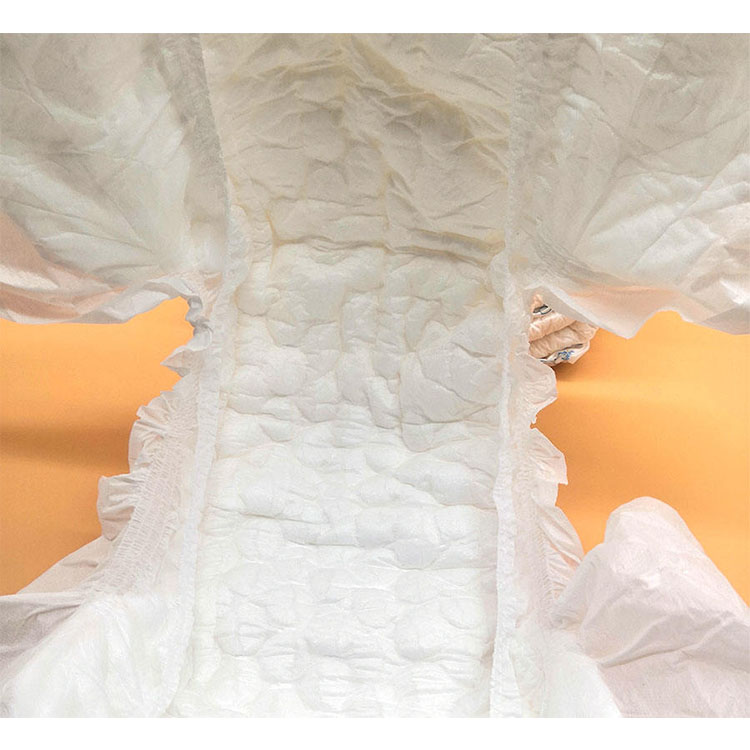
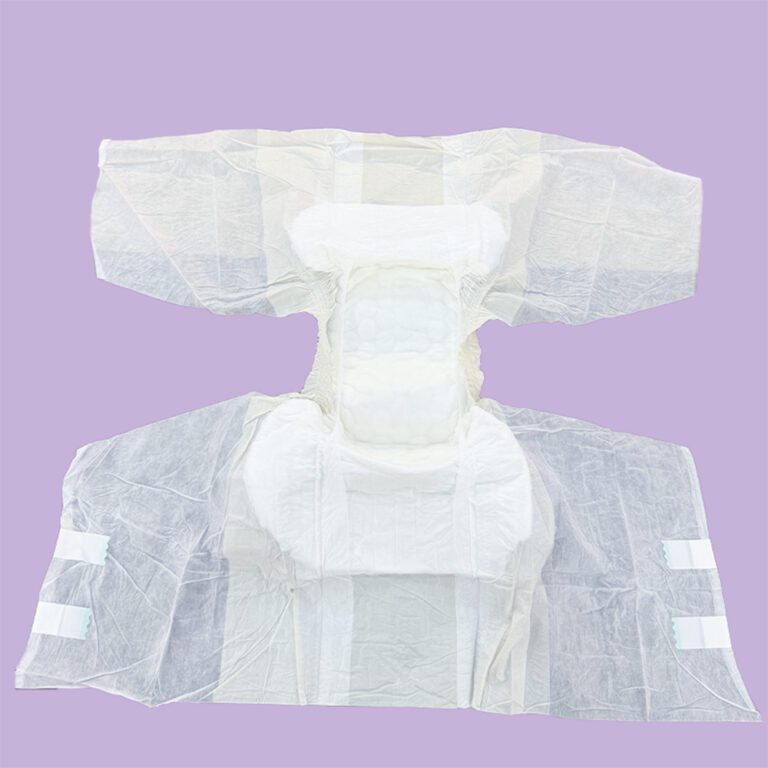
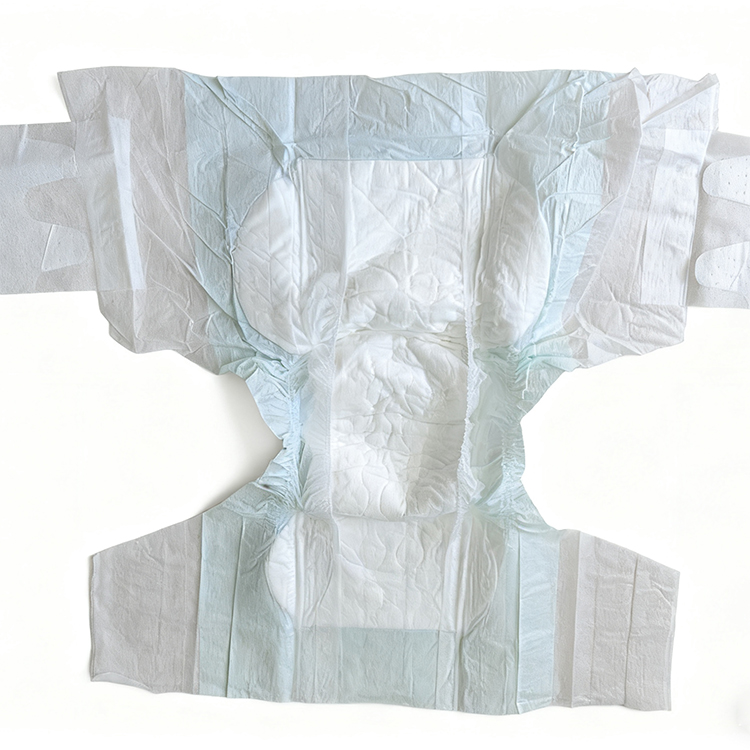
When the resident cannot stand, when the output is heavy, when the aide needs to reopen the product during rounds, when edema or weight changes make fit unstable, or when stool turns a routine change into a containment job, tab-style briefs beat pull-ups because the product opens flat and the fit can be micro-adjusted at the waist and leg cuff. That is not glamorous. It is just true. The Adult-Diaper.com long-term-care page says the same thing in plainer terms: fewer touches, faster changes, fewer “why is the bed wet again?” moments. (Adult Diaper)
And the legal system has started translating that workflow failure into money. In November 2024, a New York nursing-home operator agreed to pay $45 million to settle claims that it stole funds while understaffing facilities, with allegations of widespread neglect, illness, and death among residents. Reuters reported that $35 million was earmarked to improve patient care and that the case involved a court-appointed medical monitor. Read the Reuters report on the $45 million settlement. I am not saying the case turned on pull-ups versus briefs. I am saying understaffing and neglected basic care are no longer soft concepts. They are litigation material.
The hidden cost nobody budgets right: cleanup and skin
Leaks are expensive. Skin damage is worse.
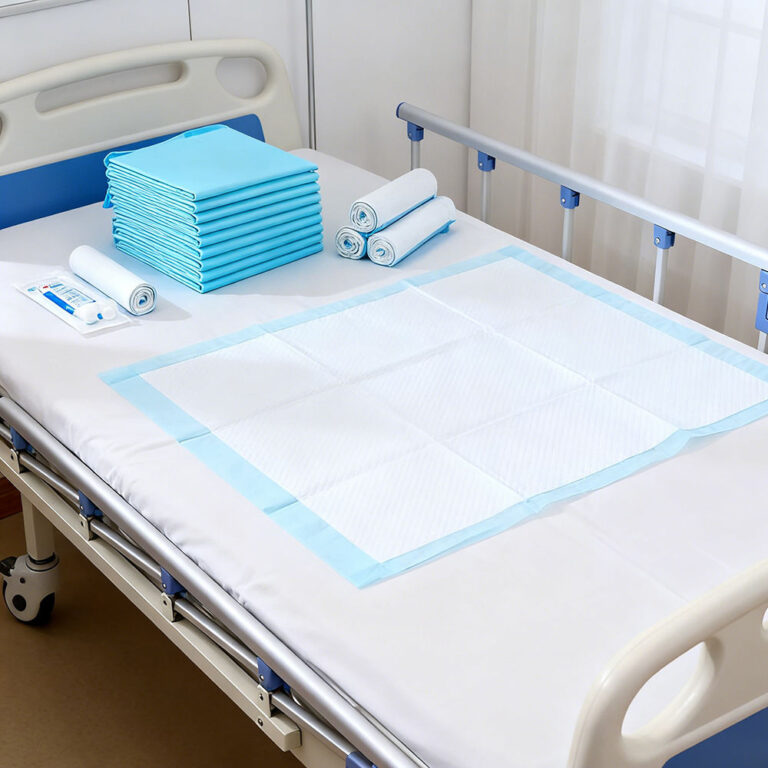
The 2024 PREVENT-IAD protocol literature is very plain on the care sequence: cleanse urine or feces from skin, apply a protectant or leave-on barrier, and avoid harsh traditional soap; it specifically points to no-rinse or pH-neutral cleansers and incontinence wipes as the preferred direction. That is why I think most nursing-home buyers underbuy the support layer. The brief or pull-up gets all the attention, but the workflow actually fails when there are not enough underpads for beds and chairs and adult wipes for perineal care around the room. See the PREVENT-IAD study protocol on NIH/PMC. (PMC)
I am opinionated here. Facilities that buy continence products as if they are single SKUs are asking for trouble. A real nursing-home continence system is product plus cleanup plus surface protection plus skin barrier routine. That means SAP core performance, yes, but also pH-balanced wipes, alcohol-free cleansing options, dimethicone or zinc oxide barrier logic, and enough underpad coverage that staff are not stripping a full bed at 2:17 a.m. because someone tried to save five cents on a support item.
Adult-Diaper.com already has a useful internal cluster for that broader workflow. If the article mentions bed protection, link to underpads. If it mentions cleansing after urine or fecal episodes, link to adult wipes. If it mentions the staffing logic behind product selection, link back to adult diapers with tabs for long-term care. That is how you turn one comparison piece into a real topic hub instead of a dead-end blog post.
My verdict after looking at the evidence and the site structure
This is not close. Not in nursing homes.
If a facility serves a mixed census, it should not ask whether pull-ups or briefs are better in the abstract; it should build a two-lane system where pull-ups are reserved for ambulatory, dignity-sensitive, self-managing residents, while briefs handle bedbound, overnight, bowel, wheelchair, edema, and repeated-check workflows, with underpads and wipes bundled around the heavier-care lane. Anything else is just pretending the resident mix is simpler than it is. Who benefits from that fiction?
Pull-ups are underwear-style incontinence products for residents who can stand, transfer, or toilet with limited help, while briefs are open-tab products designed for caregiver-assisted changes, heavier output, bowel events, and repeated skin checks; in nursing homes, the better choice depends on mobility, staffing flow, and change frequency rather than marketing claims.
My answer: briefs win more often in nursing homes because nursing homes are built around assisted care, not solo bathroom routines. Pull-ups still belong in the building, just not as the default for everyone.
When should nursing home residents use pull-ups?
Nursing home residents should use pull-ups when they remain ambulatory, can participate in toileting or dressing, have lighter to moderate urinary leakage, and benefit psychologically from an underwear-like product that reduces stigma, preserves normal routine, and lowers resistance to wearing protection during the day.
I would place pull-ups in rehab, assisted toileting, daytime mobility, and dignity-focused care plans. I would not make them the default for night shift, bowel incidents, or residents who cannot stand safely.
Are briefs better for bedridden patients?
Briefs are generally better for bedridden patients because they open flat, allow in-bed application, support fast cleanup after urine or stool episodes, let aides inspect skin without destroying the product, and provide adjustable waist and leg sealing that handles heavy leakage and position changes more reliably than pull-ups.
That is the whole story. Bedbound care is an access problem before it is a branding problem.
Can a nursing home standardize on one product type?
A nursing home can standardize its purchasing system, but it should not standardize every resident into one product type, because ambulatory residents, wheelchair users, bedbound residents, and bowel-incontinence cases create different fit, dignity, containment, and labor demands that one SKU almost never handles well without waste or care failure.
I prefer a two-lane formulary: pull-ups for self-managing residents, briefs for assisted and heavy-care residents, then support items around both.
What else should facilities stock besides pull-ups or briefs?
Facilities should stock a continence-care bundle that includes surface-protection underpads, pH-balanced or no-rinse cleansing wipes, and barrier products such as zinc oxide or dimethicone protectants, because the product worn by the resident solves only part of the problem and the cleanup-and-skin sequence drives the rest of the outcome.
This is where many buyers get cheap and then act surprised when linen turns, skin complaints, and staff frustration climb.
If I were publishing this on Adult-Diaper.com tomorrow, I’d keep the stance sharp: pull-ups are for mobility, briefs are for management, and nursing homes that mix those two truths up will keep paying for it in leaks, labor, and avoidable skin damage.