What adult pull-up pants are suitable for active users?
The blunt answer
This is simple.
The adult pull ups that work best for active users are pull-on incontinence underwear with a stable waistband, snug leg cuffs, fast liquid acquisition, low sag under motion, and enough absorbency for the wearer’s real day rather than a fantasy “maximum” claim, because walking, sitting, twisting, commuting, and bathroom use punish bad fit much faster than any packaging slogan ever will. Why is this still treated like a mystery?
What “suitable” really means when the user is active
Movement changes everything.
According to NIDDK’s 2024 Urologic Diseases in America report, claims-based urinary incontinence prevalence among Americans aged 65+ ran about 6% to 8% annually from 2012 to 2021, and the agency says that likely underestimates the real burden because stigma suppresses treatment-seeking; the same report notes that fewer than 40% of adults with self-reported incontinence seek treatment. That matters because active users do not announce themselves as “patients” first. They show up as commuters, travelers, workers, gym members, and people trying not to reorganize their day around leakage.
The behavior data are just as revealing. A 2024 study on active female young adults with urinary incontinence found that 71.4% preferred to access information and support anonymously online, while 74.2% of the sample engaged in recreational exercise and 82.9% reported slight to moderate symptoms. That is why “discreet” is not fluff in this category; it is a usage requirement tied to whether people will wear the product consistently enough for it to help. Still think active users want the bulkiest pant on the shelf?
And the sports data are even less polite. A systematic review and meta-analysis of high-impact female athletes found a 25.9% prevalence of urinary incontinence overall and 20.7% prevalence of stress urinary incontinence, with volleyball reaching 75.6% in the included evidence. So yes, “active user” is not a niche edge case. It is a real demand state with real mechanical stress on the product.
Which adult pull-up pants actually make sense
Disposable pull-on underwear is the first pick for most mobile adults
Start here.
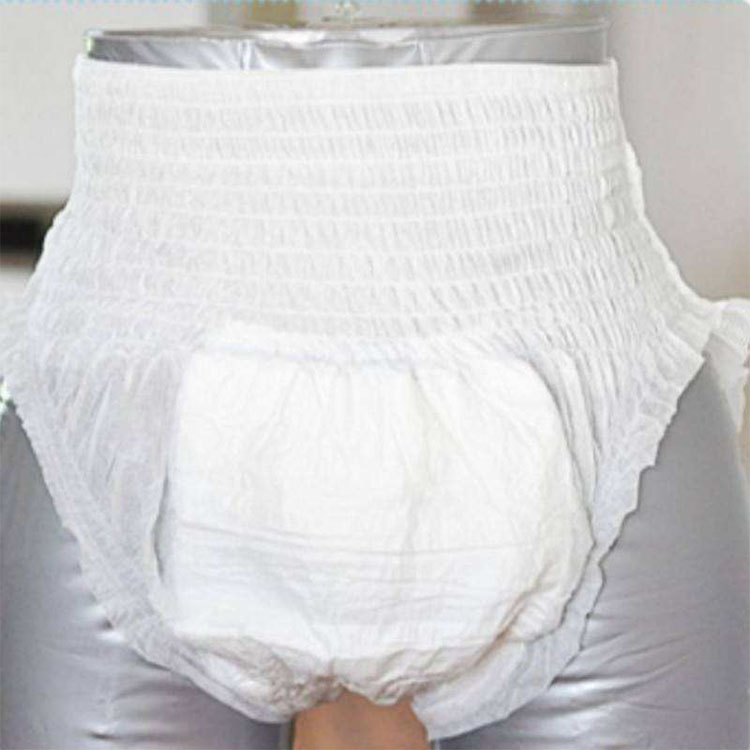
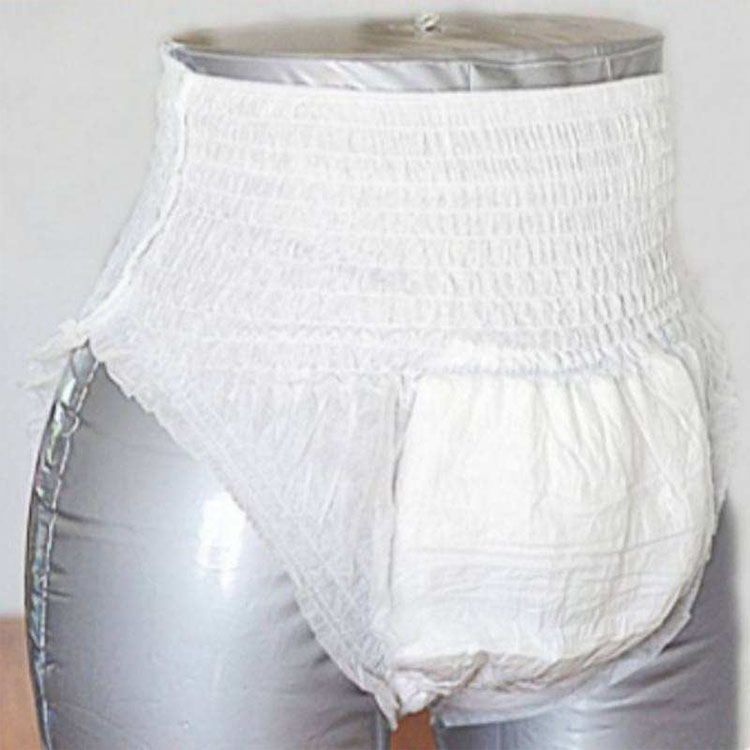
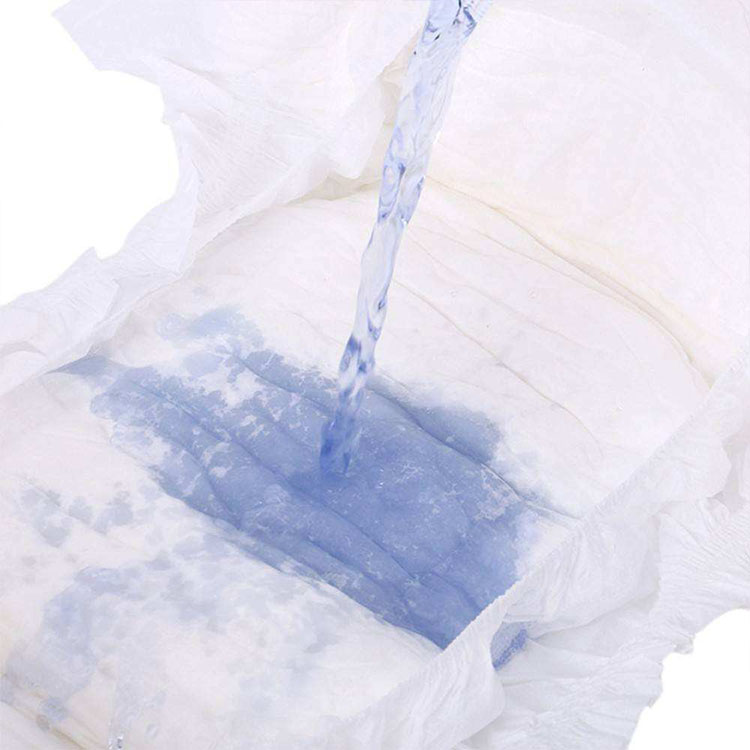
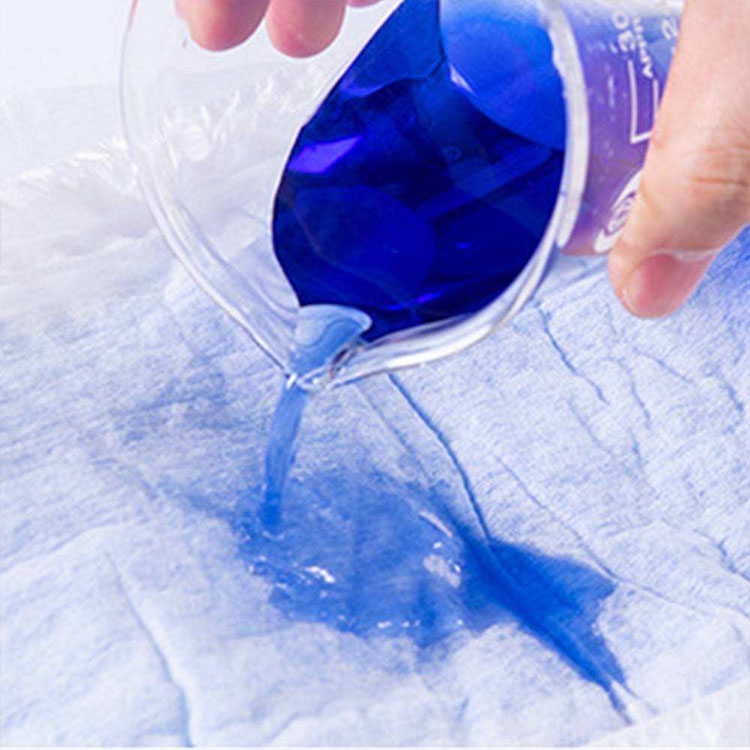
If the user is walking independently, pulling the product down and back up for toileting, and mainly managing bladder leaks rather than bowel events, disposable pull-on underwear is usually the best adult pull ups format. The site’s bladder control underwear in disposable pull-up style page describes the right basics: a quiet cloth-like cover, fast-absorbing core, leak guards, snug leg cuffs, and a stretchy waistband, with sizing from S to XXL and absorbency options from moderate to overnight. That is the right foundation for pull ups for active adults.
But I would not stop at the brochure features. I would also force the product through the logic in the site’s movement leak testing for active pull-up users article, because that piece gets one thing very right: the best adult pull ups for active users are defined by minimal fit drift, cuff seal under posture change, fast acquisition, and repeatable performance over on/off cycles. That is a far more honest standard than “holds X mL.”
Thin-core protective underwear often beats bulky pull-on underwear
Less can win.
The internal article on discreet pull-ups with a thin core gets at an industry truth I wish more brands would admit: a thinner core that stays centered can outperform a thicker core that sags, prints through clothing, or bunches during motion. For office wear, errands, flights, and daily social use, low bulk and low noise are not vanity features; they are compliance features, because users wear what they trust and avoid what makes them feel exposed. Who keeps reordering a product that makes every pair of trousers look suspicious?
Washable incontinence underwear is fine for lighter-risk days
This has limits.
Adult-Diaper.com’s reusable and washable underwear options are positioned for light to moderate bladder leakage, which is exactly where reusable pull-on underwear belongs: lighter days, shorter outings, and users who value underwear-like feel over high-capacity insurance. I would not push washable protective underwear as the main answer for unpredictable urgency bursts, long travel days, or heavy overnight use. That is where too many content writers get cute and stop being useful.
Heavy bowel or assisted-care cases are where pull-ups start losing
Here is the hard truth.
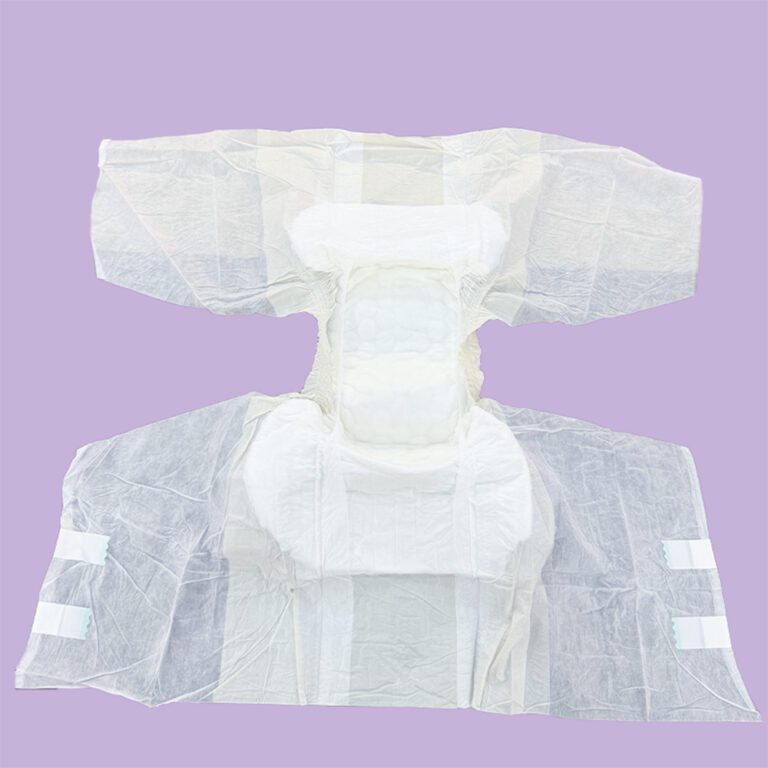
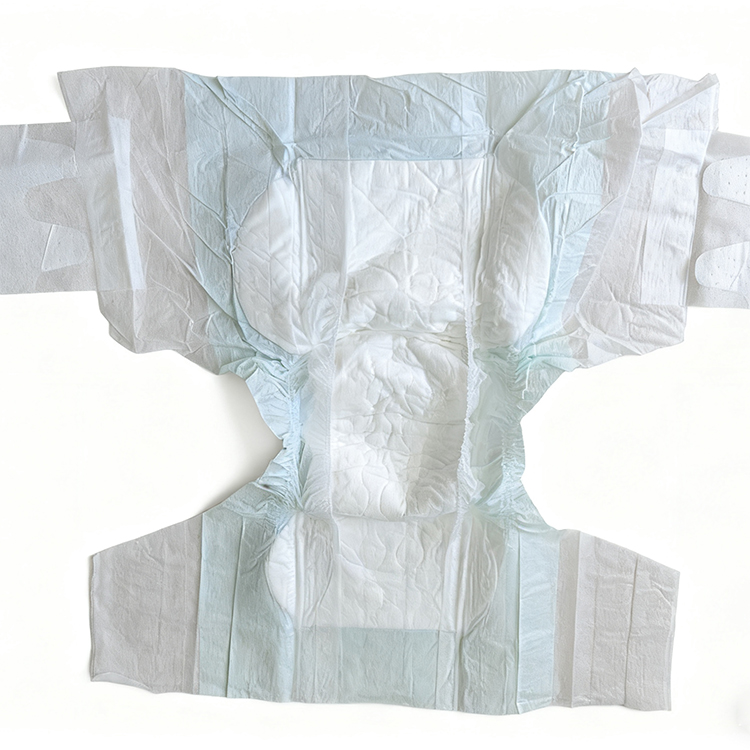
Once the user has moderate-to-heavy bowel incontinence, frequent stool episodes, limited mobility, or full assistance needs, pull-on underwear stops being the cleanest answer. The product page for bowel incontinence underwear for adults emphasizes a thicker core, extra-high leak guards, and full back coverage, while the site’s tab-style briefs for heavy or bedridden care makes the workflow point even more clearly: if the person cannot stand well or needs repeated checks, tab briefs are usually easier to change and easier to contain. That is not glamorous, but it is honest.
A practical comparison, not a brochure fantasy
I would use the matrix below as the real-world filter, because it aligns with the product logic on Adult-Diaper.com and the clinical reality that mobility, skin condition, and leak type matter more than packaging theater.
User profile
Best-fit product
Why it works
Main risk
Independent adult with light to moderate bladder leaks
Disposable adult pull ups / pull-on underwear
Easy up/down for toileting, discreet under clothing, low-friction daily wear
Leaks if upsized or worn too long
Active user with moderate leaks and long workdays
Premium pull-on underwear with stronger cuffs and faster acquisition
Better motion control, less pooling, lower rewet under sitting and walking
Thick cores may sag if chassis support is weak
Light leaks on short outings or at home
Washable incontinence underwear
Underwear-like feel, reusable, low bulk
Poor fit for sudden heavier releases
Mixed or bowel incontinence
Bowel-specific protective underwear or tab briefs
Higher guards, more back coverage, better containment
Pull-up removal gets messy after a bowel event
Bedbound or assisted user
Tab-style adult briefs plus underpad support
Easier checks, faster changes, less undressing, better care workflow
Less discreet for self-managing users
How to choose adult pull ups without fooling yourself
Fit geometry beats headline absorbency
That is the first filter.
The site’s incontinence underwear guide for retail and e-commerce says what many brands bury: fit consistency and leakage control drive complaint rates, returns, and bad reviews. I agree. If the leg opening gaps when the user steps up a curb, gets into a car, or sits through a meeting, the absorbent core never gets a fair shot. That is why I distrust giant absorbency claims with no mention of cuff behavior, waist tension, or batch consistency.
Rewet and skin condition matter more than marketers admit
Skin tells the truth.
A systematic review on incontinence-associated dermatitis reports that skin damage can begin within 10 to 15 minutes after contact with urine or stool moisture, and a 2025 critical review of IAD in older adults says prevention centers on reducing exposure, using high-absorbency products appropriately, and changing them regularly. So when I evaluate incontinence underwear, I care less about a dramatic “overnight” badge and more about whether the topsheet stays drier, the core acquires quickly, and the user can change before the pant turns into a warm wet wrap.
Up-sizing “for comfort” is usually a leak recipe
I see this mistake constantly.
The movement-testing article on Adult-Diaper.com is right to hammer fit drift, because oversized pull-on underwear creates gaps first at the leg opening and then at the seat, which is exactly where motion leaks show up during walking, sitting, and stand-to-sit transitions. If you want comfort, buy a softer chassis or a better-cut pant. Do not buy a parachute and act surprised when it leaks.
Channel logic matters more than people think
One SKU never wins everywhere.
The site’s briefs vs pull-ups by channel article makes a point I like: pharmacy, institution, and e-commerce do not reward the same product behavior. Pull-ups dominate where self-buyers want quick, discreet decisions; briefs dominate where care workflow matters more than aesthetics. That is not just a retail point. It is also how you should think as a user: buy the product for the setting, not for the fantasy version of yourself.
FAQs
What adult pull-up pants are best for active users?
Adult pull-up pants for active users are pull-on absorbent underwear that stay centered during walking, sitting, bending, and bathroom use, using a close waistband, sealed leg cuffs, and quick liquid acquisition to control leaks without the tape-on structure of a tab-style brief. In practice, that usually means disposable bladder-control pull-ons for light-to-moderate bladder leaks, with fit stability valued above oversized absorbency claims.
Are pull-up underwear better than tab-style adult diapers?
Pull-up underwear is better than tab-style adult diapers when the wearer can stand, self-manage toileting, and values discretion, while tab-style briefs usually work better for heavy output, bowel episodes, repeated checks, or assisted care because they open flat and are easier to change without full undressing. For active users, pull-on underwear usually wins; for heavy or bedridden care, briefs usually take over.
How do I choose adult pull ups for walking, work, or travel?
To choose adult pull ups for walking, work, or travel, match the product to real leak volume, body shape, and wear time, then check for stable sizing, quiet outer material, quick pull-down and pull-up for toileting, and low rewet so the user is not sitting in moisture. I would also avoid buying a bulkier pant just because the bag promises more, since motion leaks often come from bad fit rather than low total capacity.
Can active users wear adult pull ups overnight?
Adult pull ups can work overnight for independent users with light-to-moderate bladder leakage when the core absorbs quickly, the chassis does not sag after one or two voids, and the sleeper is not dealing with bowel incontinence, severe urgency bursts, or major mobility limits. But for heavy overnight output, mixed incontinence, or users who need assistance, I would move to a higher-spec product or tab-style brief instead of pretending one pull-on SKU can do every job.