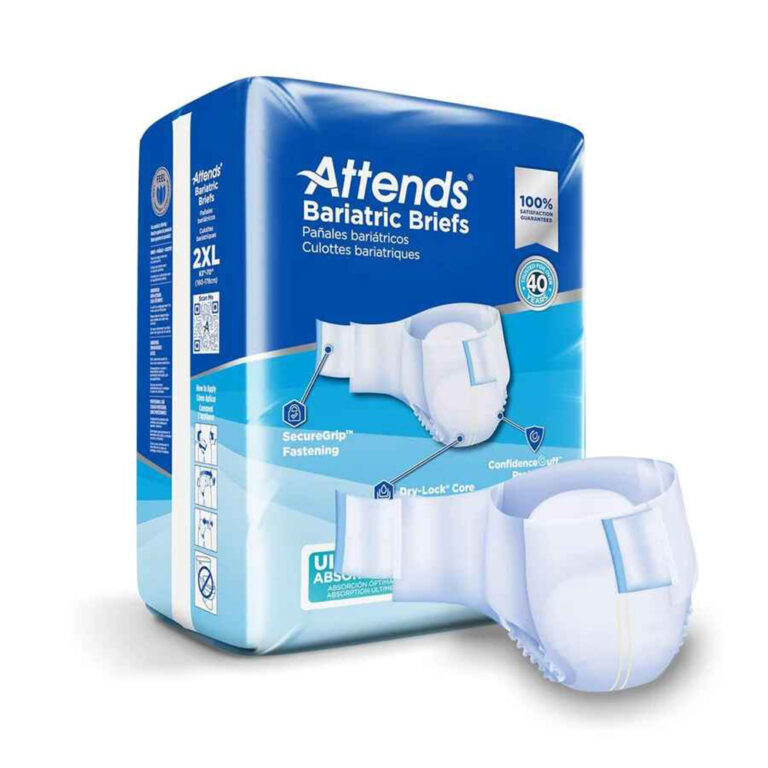
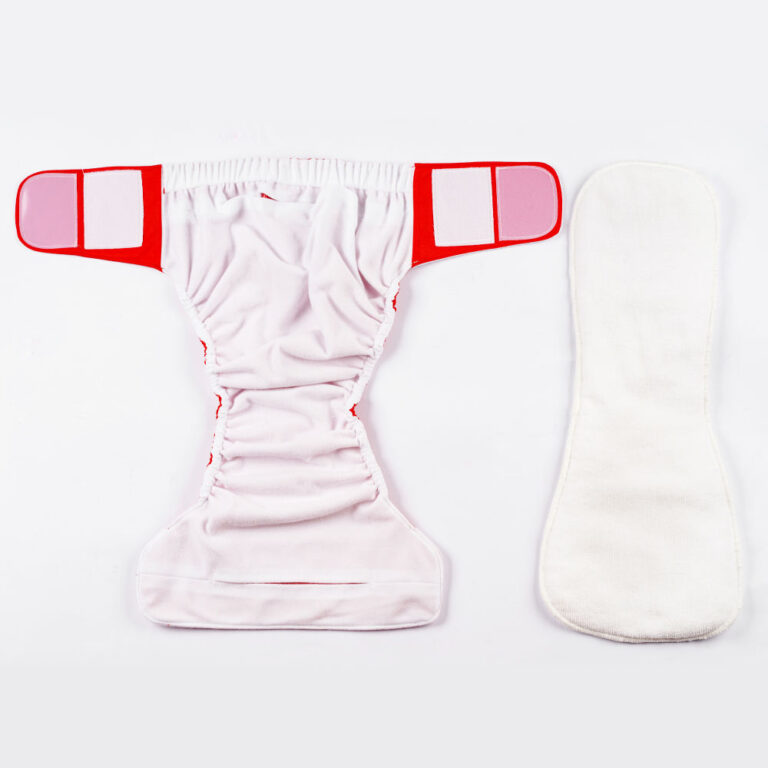
Why Hospitals and Nursing Homes Need Different Incontinence Assortments
One catalog. Two care settings. Bad idea.
I have seen this mistake before.
A supplier builds one “institutional” incontinence line, throws hospitals and nursing homes into the same spreadsheet, and then wonders why one buyer complains about wasted SKUs while the other complains about leaks, staff burden, and residents who hate the product; the problem is not absorbency alone, it is that acute care and long-term care are buying for different failures, different workflows, and different definitions of success. Why keep pretending otherwise?
Here is the hard truth: hospitals buy failure containment, while nursing homes buy system stability. In hospitals, the product is part of an acute workflow under turnover, surgery, skin-risk, and documentation pressure. In nursing homes, the product sits inside daily life, continence maintenance, mobility support, resident dignity, and night-shift staffing reality. That is not a branding difference. That is a different business model. According to the 2018/2019 acute-care IPUP analysis, 31.7% of hospitalized patients in the sample were incontinent, and 72.6% of patients with hospital-acquired pressure injuries had some form of incontinence; in long-term care, the NCBI/StatPearls review says urinary incontinence prevalence is 50% or greater in nursing facilities and rises above 75% among residents staying more than 100 days.
Hospitals buy speed, seal control, and risk reduction
Hospitals do not have time for product theater.
What they need is a tighter, more fail-safe hospital incontinence products mix, because the product often has to work during turning, post-op recovery, bowel episodes, short but intense heavy-output periods, and high-scrutiny skin care, all while staff are trying to finish the change fast and move on to the next problem. Does anybody in acute care really want to explain to finance why the “comfortable” SKU turned into extra linen, extra skin damage, and one more preventable incident note?
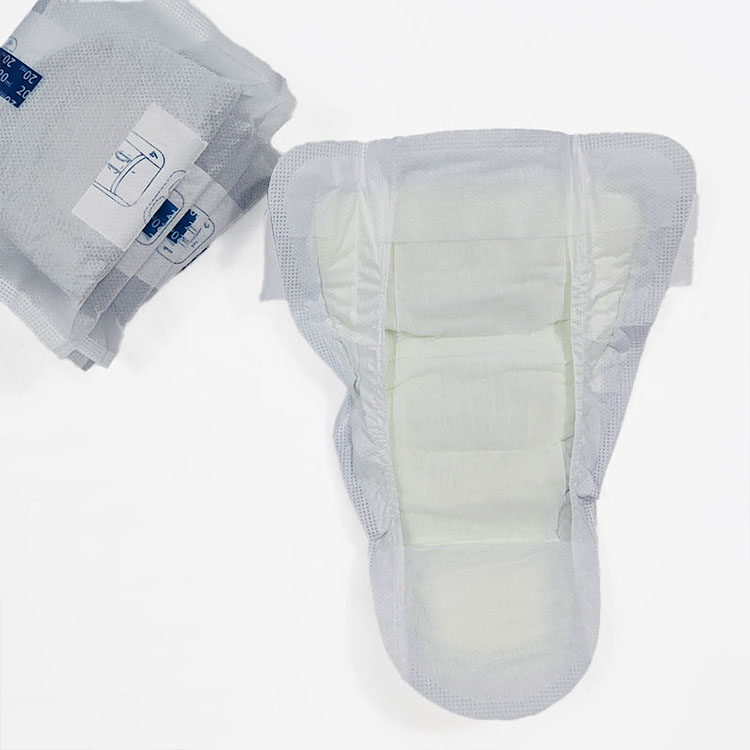
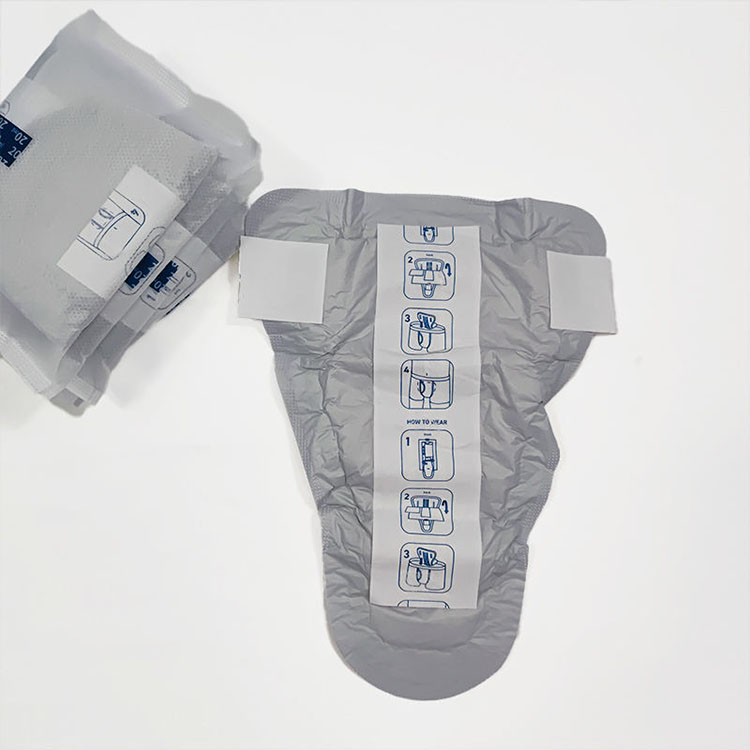
The data are not subtle. The acute-care IPUP study covered 296,014 patients across 1,801 U.S. facilities and found that incontinent patients were older, more vulnerable, and far more exposed to hospital-acquired pressure injury risk; among incontinent patients, dual incontinence made the picture worse, and critically ill patients had especially high use of catheters and fecal management systems. That is why I would never let a hospital assortment lean too hard on pull-ups or light-profile dignity SKUs. Acute care usually needs a heavier share of flat-open tab briefs, stronger leak-guard geometry, underpads that can be changed fast, skin-routine add-ons, and enough XL/2XL depth to handle bedbound and bariatric cases without improvisation.
And there is a reimbursement edge buyers ignore at their own expense. The CDC CAUTI guidance says to avoid indwelling urinary catheters for management of incontinence and to use them only for defined indications, while CMS’s hospital-acquired conditions rules say hospitals do not receive additional payment when selected conditions such as Stage III/IV pressure ulcers or catheter-associated UTI were not present on admission. That means the hospital assortment cannot be built around wishful thinking; it has to reduce moisture exposure, side leaks, unnecessary linen changes, and avoidable catheter dependence.
Long-term care is not one repeated hospital day, because residents are not all bedbound, not all fully continent, not all fully dependent, and not all using the same product around the clock; a nursing home assortment has to support prompted toileting, independent residents who can still use pull-ups, residents who need tab-style changes, overnight users, recurrent UTI risk, and the uncomfortable truth that short staffing changes what staff can realistically execute on a Tuesday night. Why would a facility living under that pressure buy a narrow acute-care carton mix?
The long-term-care numbers tell the story. The Medicare claims analysis found documented incontinence prevalence at 16.6% in nursing homes and 20.6% in skilled nursing facilities, while also noting claims likely undercount milder cases; among incontinent members, UTI prevalence reached 42.6% in nursing homes and 60.5% in SNFs. The same study found more dermatitis, more slips and falls, and more behavioral disturbances among incontinent beneficiaries than among those without a diagnosis. In plain English, the nursing-home assortment has to manage risk over time, not just survive a single hard shift.
Regulation points the same way. CMS tag F690 says a resident with bladder incontinence must receive appropriate treatment and services to prevent urinary tract infections and restore continence to the extent possible, and residents with bowel incontinence must receive appropriate treatment and services to restore as much normal bowel function as possible. That language matters because it pushes nursing homes away from lazy “just brief everybody” practice and toward a more segmented, resident-centered continence care products program. A real nursing home range needs pull-ups for ambulatory residents, tab briefs for bedbound users, multiple absorbency tiers, underpads, body wipes, and enough size spread to avoid leaks caused by bad fit rather than bad core design.
And then there is the labor fight nobody in procurement can ignore. In April 2024, CMS finalized a nursing-home staffing rule with 3.48 hours per resident day, including 0.55 RN hours and 2.45 nurse aide hours, plus a 24/7 onsite RN requirement; in April 2025, Reuters reported that a federal judge blocked that rule in Texas. I do not bring that up for politics. I bring it up because the lawsuit itself exposed the staffing math that nursing-home operators already live with: the product assortment has to work in a labor-constrained building, not in an ideal-care fantasy.
That is why this H1 should also send readers into briefs vs pull-ups by channel and when tab-style briefs win for heavy and bedridden care. Those pages fit the nursing-home reality better than a generic “best adult incontinence products” roundup ever will, because they organize the decision around assisted changes, mobility, and leak-control logic instead of soft-focus retail language.
What the assortment should actually look like
I would separate the two assortments on purpose.
Not by making the hospital list bigger for vanity, and not by starving the nursing-home list down to one “economy brief,” but by aligning each channel to the work being done, the resident or patient mix, and the cost of failure. That is where adult incontinence products strategy stops sounding clever and starts making money.
Assortment area
Hospital assortment
Nursing home assortment
Why I would spec it this way
Core format mix
Heavy bias to tab briefs, limited pull-ups
Balanced mix of pull-ups and tab briefs
Hospitals face more bed-level changes; nursing homes serve mixed mobility
Absorbency ladder
Fewer SKUs, deeper stock in mid-heavy and overnight
Wider day/night ladder across resident segments
Hospitals need fewer but safer defaults; LTC needs segmentation
Underpads
Fast-change disposable underpads with reliable strike-through and rewet control
Disposable plus selective reusable/disposable mix by unit and routine
Long-term care manages recurring bed/chair protection differently
Size strategy
Strong XL/2XL/3XL depth for acute fit failures
Broader size continuity across repeat users
Nursing homes need fit stability over time, not one-off rescue sizing
Acute care buys risk control; LTC buys routine adherence
Packaging and cases
Cleaner case counts for ward replenishment
Flexible case sizes by resident census and night-use profile
Storage, reorder rhythm, and staff use differ sharply
Compliance support
Product specs tied to skin-risk and HAC exposure
Product specs tied to F690 care expectations and staffing limits
The compliance pain points are not identical
This table is my synthesis of CMS, CDC, acute-care prevalence data, Medicare long-term-care data, and the product logic already present across Adult-Diaper.com’s institutional pages.
The procurement mistake I see most often
Suppliers oversimplify first.
They assume hospital incontinence products and nursing home incontinence products can share the same case-pack logic, the same absorbency mix, and the same hero SKU, when the smarter move is to split the assortment by care setting first and then decide what overlap still makes sense after you look at mobility, bowel-care burden, night use, bariatric demand, and staffing reality. Why start with “one SKU for everybody” when the evidence says the care settings are not even solving the same problem?
I would say it this way to a skeptical buyer: hospitals need a narrower but deeper fail-safe assortment, while nursing homes need a broader but more disciplined system. That is not sexy. It is just true. And on this site, the article should push naturally toward underpads for hospitals and nursing homes, adult diapers with tabs, and adult diaper test reports and certifications so procurement, nursing, and compliance readers each have a next click that matches how they buy.
FAQs
Why can’t hospitals and nursing homes use the same incontinence assortment?
Hospitals and nursing homes should not use the same incontinence assortment because acute-care patients typically generate short, intense, high-risk episodes that punish leakage and skin failure fast, while long-term-care residents need a wider mix that balances continence support, mobility, dignity, staffing limits, and day-versus-night wear. That is why a hospital can live with a tighter tab-brief-heavy range, while a nursing home usually cannot. The evidence from acute-care IPUP data, CMS F690, and long-term-care prevalence numbers all points in that direction.
What incontinence products should hospitals stock more heavily?
Hospitals should stock a heavier share of tab-style adult diapers, high-performing disposable underpads, moisture-management add-ons, and larger bariatric sizes because acute-care workflow favors flat-open application, rapid resealing, fast bed-level changes, and products that reduce leak-related skin exposure under short but intense care episodes. That is also why hospital buyers should read why hospitals often prefer tab-style adult diapers next, not a generic retail roundup. CDC catheter guidance and CMS HAC payment rules make the downside of bad product choice expensive.
What incontinence products should nursing homes stock more heavily?
Nursing homes should stock a broader mix of pull-ups, tab briefs, underpads, overnight options, wipes, and full size continuity because residents vary more in mobility, cognition, continence potential, and overnight needs, and the facility has to support both dignity and staff execution over months, not hours. That means a nursing home range cannot be built only around “maximum absorbency.” It has to support continence maintenance where possible and assisted care where necessary, which is exactly the logic behind CMS F690 and the channel-format argument in briefs vs pull-ups by channel.
How should a supplier structure long-term care case packs and replenishment?
A supplier should structure long-term care case packs around resident mix, night-use intensity, storage limits, and change-time workflow because a nursing home buys repeatability first, meaning wrong case counts, weak size continuity, and poor underpad pairing create daily labor waste long before they show up as a formal complaint. I would tie that operational point to how to pair briefs with underpads to reduce linen changes and the site’s adult diaper test reports and certifications page, because the smartest buyers want both usage logic and proof.