Why Underpads Are an Underrated Wholesale Opportunity
The boring SKU that keeps paying
It looks dull.
That is exactly why wholesale underpads keep getting pushed to the back of the catalog while buyers chase adult briefs, flashy retail packs, and whatever DTC brand is making noise this quarter, even though underpads quietly solve one of the most expensive problems in care settings: wet surfaces, extra linen turns, more cleanup, and more staff time. Why do smart wholesalers keep stepping over that money?
I’ve watched too many buyers treat underpads like tissue paper with a barcode. Bad mistake. Underpads are not decoration. They are a workflow product, and workflow products tend to reorder because they are tied to routine, not impulse. AHRQ’s pressure-ulcer prevention toolkit says underpads should be used to absorb moisture from incontinence, and CMS finalized long-term-care staffing standards in April 2024 at 3.48 hours per resident day, including 0.55 RN and 2.45 nurse-aide hours. When labor is expensive and regulated, anything that prevents a full strip-and-remake of a bed starts acting like margin protection, not a commodity add-on.
I do not think the demand signal is subtle anymore. The U.S. Census Bureau reported that Americans age 65+ reached 61.2 million in 2024, or 18.0% of the population, and that group grew 13.0% from 2020 to 2024 while the child population fell 1.7%. On top of that, a 2023 PMC review on urinary incontinence in women 55+ said up to 40% of older women living in the community experience urinary incontinence, with hospital-study prevalence ranging from 22% to 80% depending on the cohort. That is not a fringe problem. That is refill behavior wearing a stigma discount.
And the industry already knows where the wind is blowing. In a 2023 Reuters report on Hengan, adult diaper revenue rose 13% even as lower-end baby diaper sales weakened. Reuters also reported in July 2024 that adult diapers outsold baby diapers in Japan. The baby side gets the headlines. The adult absorbent side gets the demographic tailwind. Which business would you rather build around?
Table of Contents
What wholesalers miss: underpads sell labor savings, not just absorbency
This is the part many catalogs get wrong.
They describe disposable underpads and incontinence underpads like they are passive leak catchers, when the real value is operational: faster turns, less linen damage, easier chair and bed protection, and cleaner bundling with wipes and briefs. I’m not romantic about it. I’m talking about fewer messy callbacks and fewer angry messages from facilities that feel they bought “cheap blue pads” and got rewet, edge leaks, and bunching instead.
I’d go further. I would cross-sell aggressively into adult diapers with tabs and adult body wipes, because the buyer who wants dry bedding usually also wants quicker changes and fewer steps. One vendor, one pallet plan, one QA conversation. That is not sexy copy. It is how B2B accounts get sticky.
Disposable underpads vs washable underpads: where the margin actually sits
Most buyers ask the wrong question.
They ask which pad is “better,” as if washable underpads wholesale and disposable programs are in a cage match, when the real answer is that different channels pay for different kinds of convenience, and smart wholesalers sell the mix instead of picking a religion.
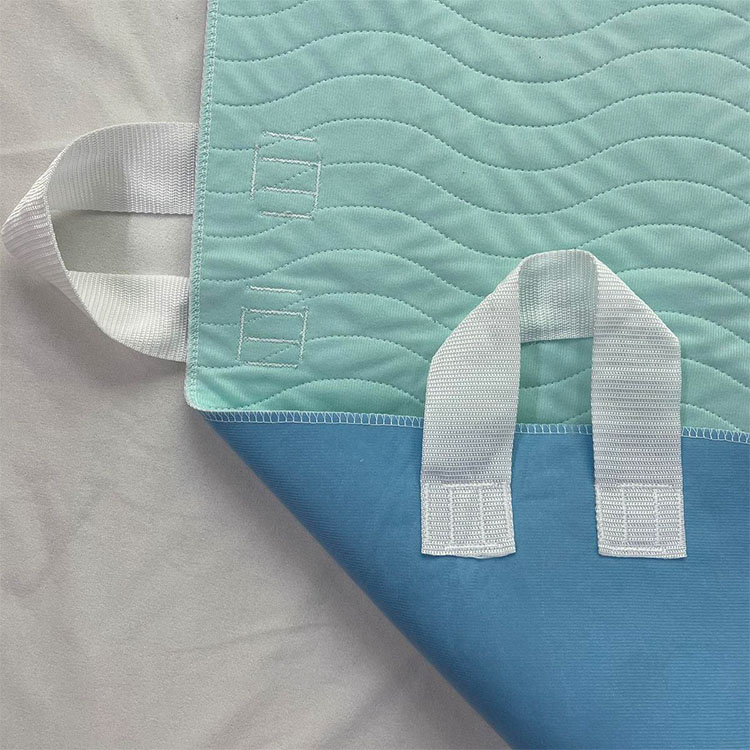
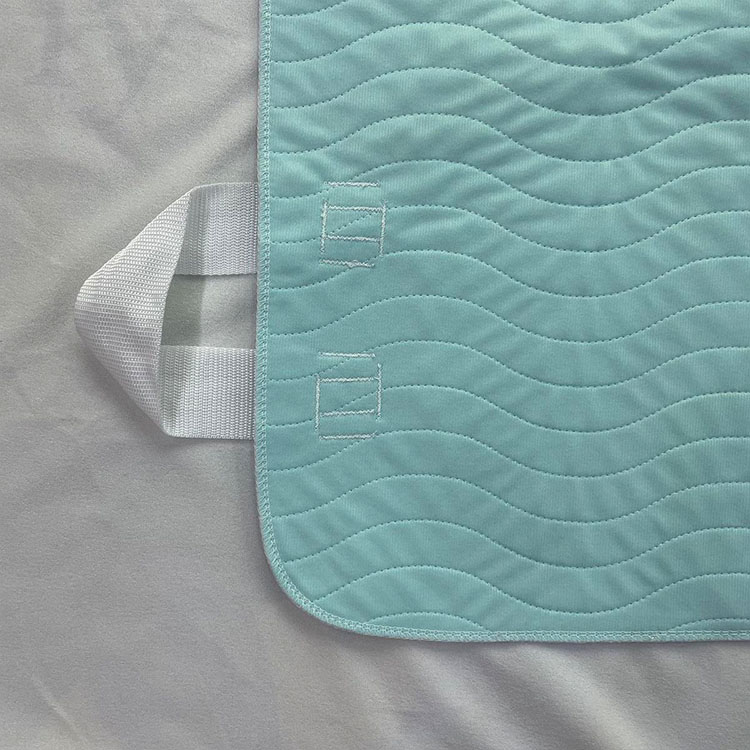
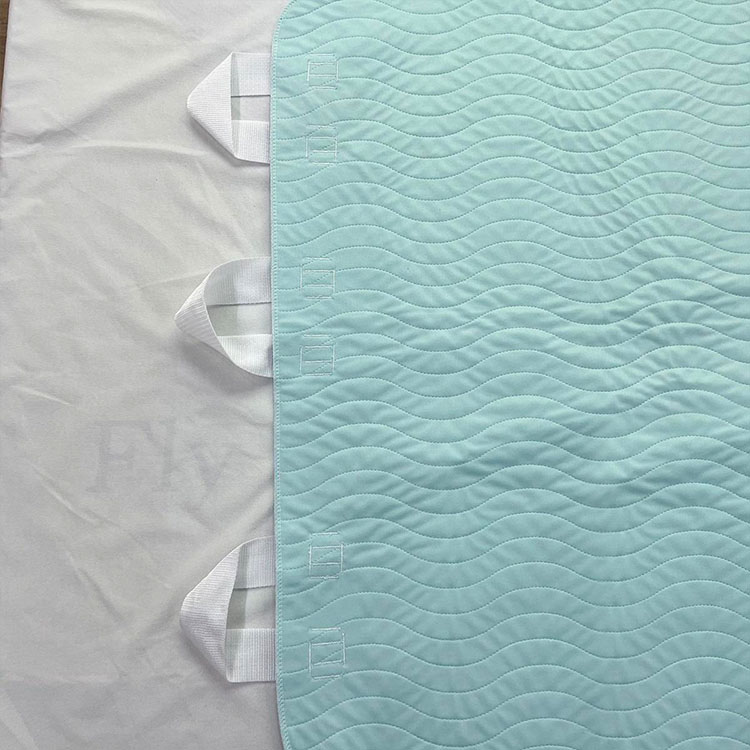
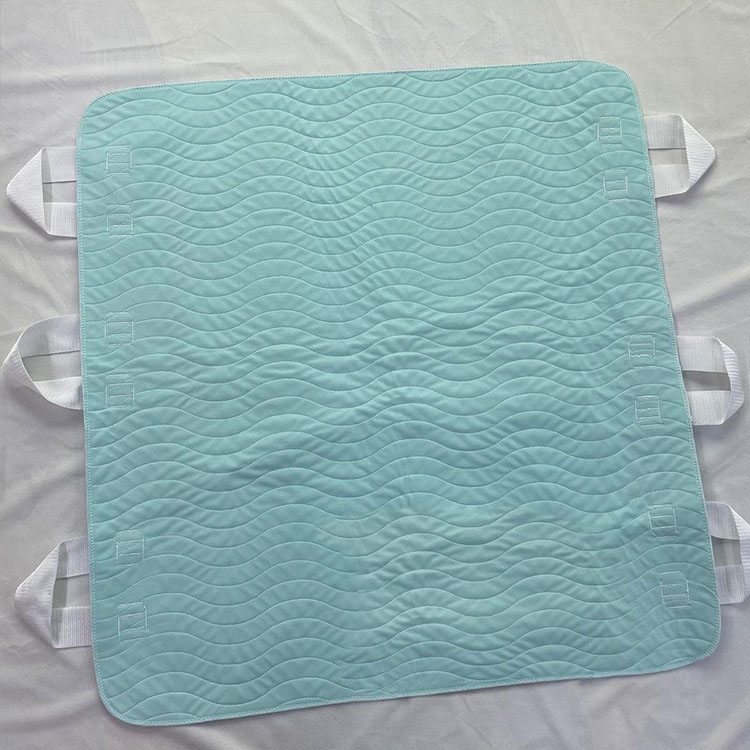
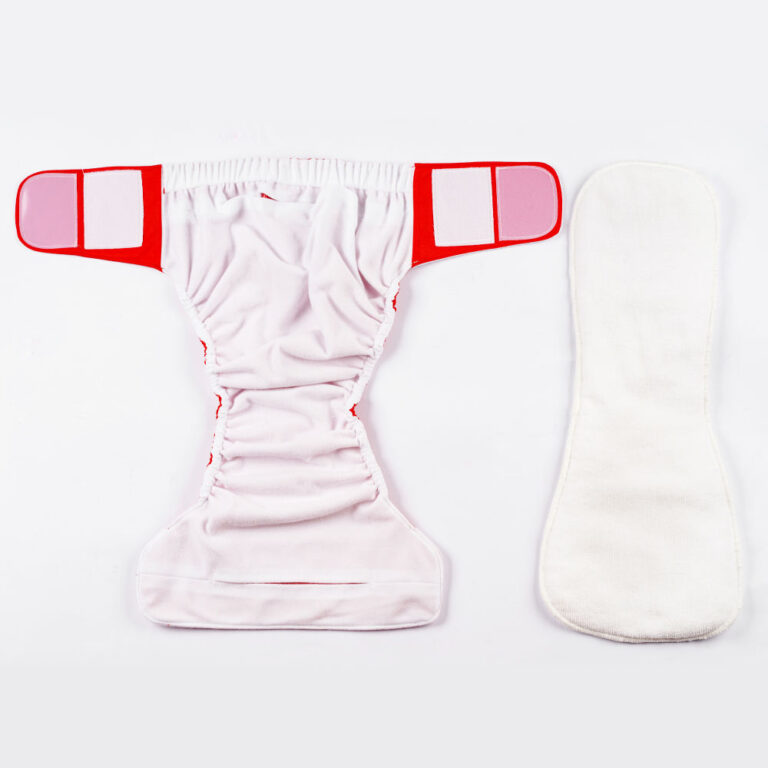
The site already supports that split with a washable underpad product page, a reusable underpads page, and disposable product routes that speak to hospitals, nursing homes, and home care. That matters because buyers comparing best underpads for adults are usually sorting by use case, not by abstract product virtue. High-turnover rooms often prefer disposable pads. Laundry-equipped institutions and long-term home care may lean reusable. The blunt answer is simple: the better product is the one the channel can actually use correctly.
There is also a quiet sustainability and tender angle here. A 2023 PubMed-indexed life cycle analysis found that choosing reusable incontinence underpads instead of disposables reduced natural resource energy consumption by 71%, greenhouse gas emissions by 61%, blue water consumption by 57%, and solid waste by 97%. I would not oversell that to every buyer, because some facilities have terrible laundry discipline and will ruin the economics. But for the right accounts, reusable is not just an eco story. It is a procurement story.
Opportunity pocket
What the buyer actually wants
Best fit SKU story
Where wholesalers win
Nursing homes and hospitals
Fast cleanup, reliable strike-through, less rewet
Disposable underpads with clear absorbency tiers and stable QC
Repeat volume and lower complaint risk when specs stay consistent
Home-care distributors
Easy reorder, bed and chair protection, broad affordability
Mixed ladder of basic, standard, and overnight disposable underpads
Broad channel reach and easy cross-sell with briefs
Laundry-equipped institutions
Lower waste and long-run operating logic
Reusable or washable underpads with defined backing and wash durability
Better tender positioning and long-term account stickiness
Private-label importers
Clean range architecture and fewer vendor handoffs
Underpads bundled with wipes and tab-style briefs
Higher basket size and simpler sourcing story
I have a strong opinion here: if you only sell one type, you are leaving money on the table. The smarter move is a three-layer offer—entry disposable, premium disposable, and reusable—then let the account self-select by workflow, labor, and laundry reality. Isn’t that what serious wholesale programs are supposed to do?
The hidden deal-breaker is not regulation. It is sloppy specification.
Here’s the hard truth.
A lot of buyers are scared off by compliance talk when they should be scared off by vague specs, weak complaint handling, and suppliers who swap materials after the second order.
In the U.S., 21 CFR 876.5920 defines a protective garment for incontinence as a device with absorbent padding and a fluid barrier; it is Class I and exempt from premarket notification, although records and complaint files still matter. That does not mean buyers can sleepwalk through sourcing. It means the barrier to entry is lower than many people assume, while the commercial penalty for inconsistency stays very real.
That is why one of the strongest supporting pages on this site is Underpads Wholesale: Avoiding Batch Variation and Complaints. It gets to the ugly stuff most suppliers bury: SAP/fluff balance, film swaps, bond quality, and the difference between a first order that looks fine in the sample room and a reorder that triggers refunds. I would also keep How to Choose Underpad Backsheet Materials in the chain because PE, cloth-like film, PVC, PU, and TPU are not interchangeable just because somebody in sales calls them all “waterproof.” That is where complaint emails are born.
And yes, buyers still say chux pads wholesale in some channels. Fine. Use the phrase where it fits. But don’t let old hospital slang drag your strategy backward. The search behavior is broader now: wholesale underpads, disposable underpads, washable underpads wholesale, and underpads bulk all map to slightly different buying intent. Serious sellers should write for that difference, not flatten it.
FAQs
What are wholesale underpads?
Wholesale underpads are absorbent protective pads sold in bulk to distributors, institutions, retailers, and private-label brands for use on beds, chairs, wheelchairs, and exam tables, with the goal of managing urine or other fluids while reducing linen damage, cleaning time, and caregiver workload.
I’d keep the answer that plain because that is what buyers actually need. They are usually choosing between disposable and reusable formats, then sorting by absorbency, backsheet, packing, and channel fit.
Are disposable underpads or washable underpads better for adults?
Disposable underpads are usually better for high-turnover care settings that want speed, hygiene, and simple disposal, while washable underpads are usually better for laundry-equipped institutions or long-term routines that value repeat use, lower waste, and more stable placement on beds or chairs.
The wrong answer is pretending one format wins everywhere. The right answer is matching the SKU to the workflow and the account’s willingness to manage laundry or disposal correctly.
How do I buy underpads wholesale without getting burned?
Buying underpads wholesale means defining the exact pad structure, absorbency tier, backsheet type, core composition, and complaint process before placing a production order, so you can compare suppliers on repeatable performance rather than vague claims like “soft,” “high absorbency,” or “medical grade.”
I would insist on sample-to-production consistency checks. Intake speed, wet-back, backsheet feel, bond quality, and packaging discipline matter more than pretty brochures.
Are chux pads wholesale and underpads bulk the same thing?
Chux pads wholesale and underpads bulk usually refer to the same product family of disposable protective pads used for beds, chairs, and exam surfaces, although “chux” is older institutional slang and “underpads” is the broader modern term used across retail, medical, home-care, and private-label sourcing.
I would still include both phrases where they fit, because buyers do not all speak the same channel language. But I would build the main SEO and category structure around “underpads,” not “chux.”
Your next move
If you’re still treating underpads like a throwaway accessory, stop.
I’d build this category like a grown-up wholesale program: one underpads hub, one clear split between disposable and reusable, one procurement-focused article, one workflow article, and one bundled path into briefs and wipes. Then I’d sell the category the way it actually works in the field, not the way people pretend it works in polished brochures.
Start with a simple offer. Push a three-tier ladder for disposable pads, add one serious washable option, and connect both to tab-style adult diapers, adult wipes, and the site’s underpads category page. That is how you turn a sleepy SKU into a repeat-order machine. Not with hype. With discipline.