Why ABDL Size Planning Differs from Standard Adult Diapers
Small mistake. Big leak.
I’ve read enough adult diaper size charts to know when a brand is bluffing, and the bluff usually starts the same way: one waist range, one absorbency number, one photo, and zero admission that ABDL briefs and standard adult diapers are built for different wear profiles, different expectations, and very often different body behavior once the brief is actually taped, loaded, and worn for hours. Why do brands keep pretending those are the same problem?
The industry shortcut I don’t trust
Here is the hard truth: most “adult diaper sizing” advice is thin, lazy, and built for catalog simplicity, not real fit.
Standard adult diapers, especially tab-style medical briefs, are usually sold around containment, caregiver application, change speed, and predictable seal control. That is exactly how the site’s adult diapers range and its piece on why hospitals often prefer tab-style adult diapers frame the category: flat-open changes, refastenable tabs, heavy absorbency, leak guards, and workflow reliability in hospitals, care homes, and home care.
ABDL briefs are different.
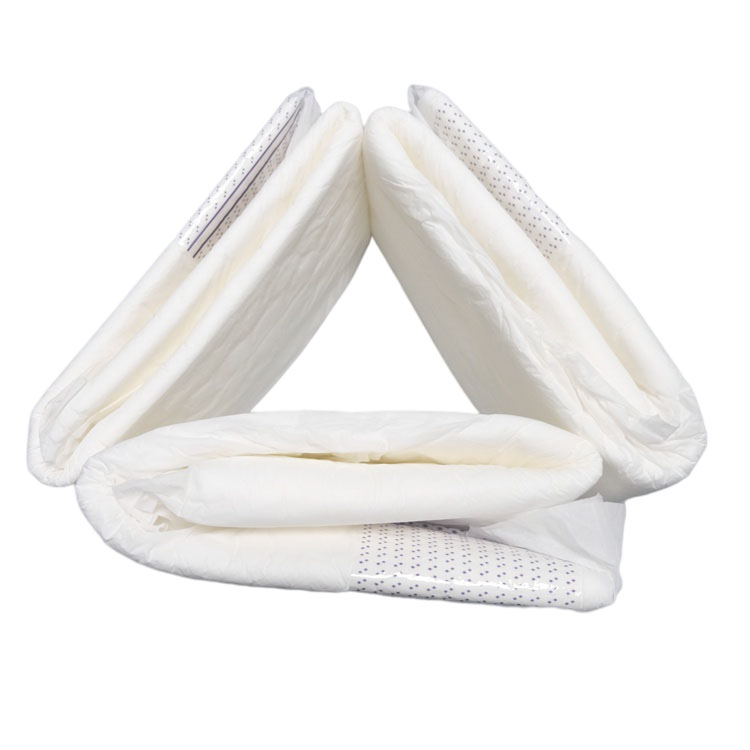
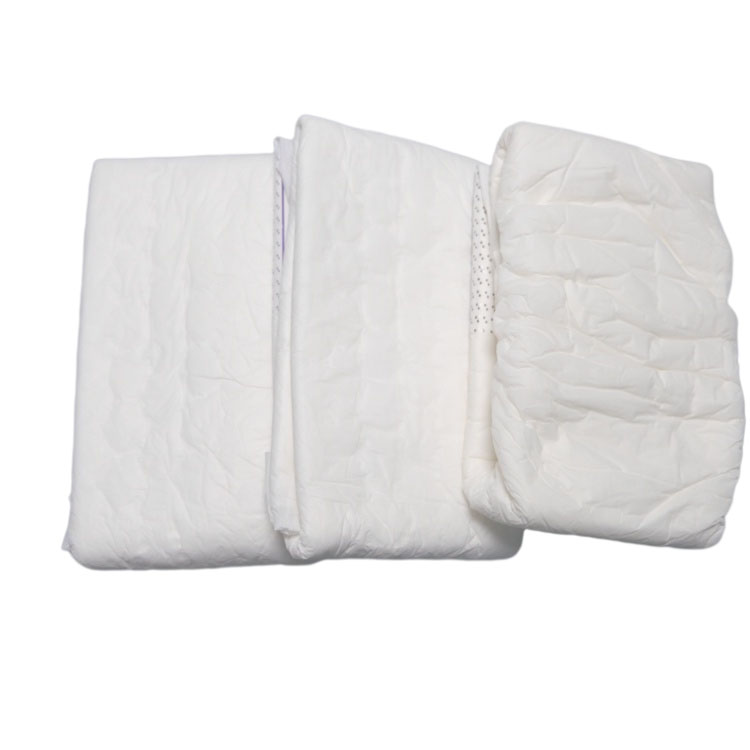
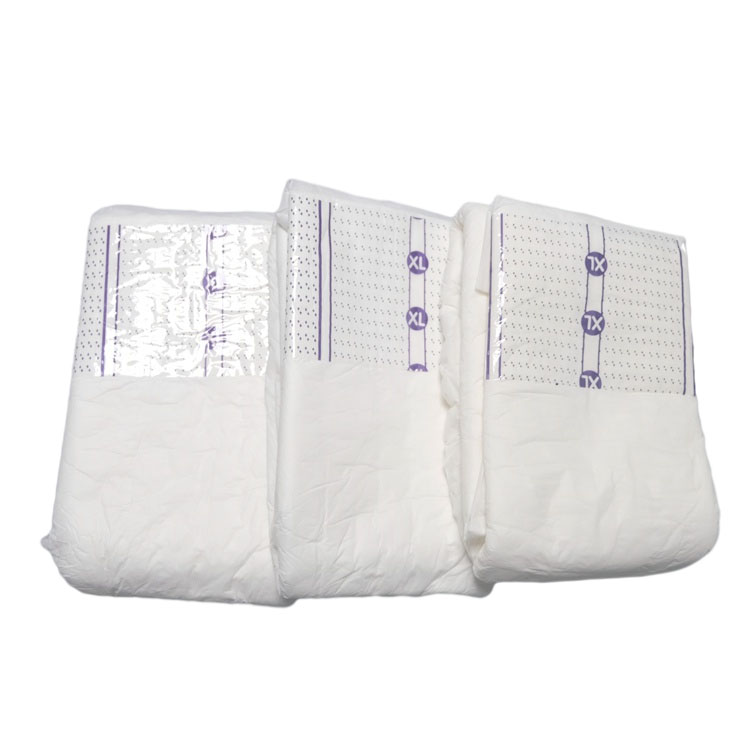
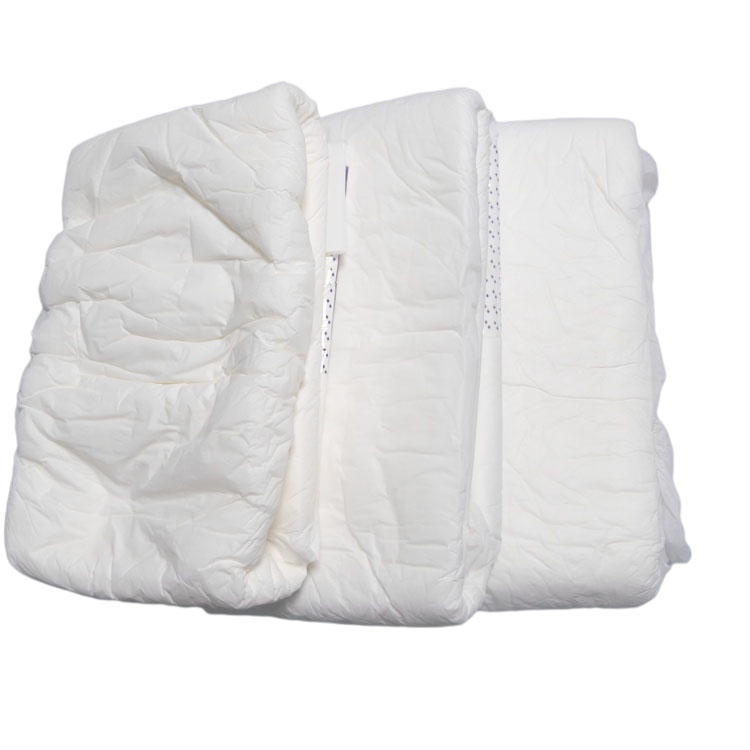
When you move into ABDL diaper sizing, the product stops being just a containment device and becomes a higher-bulk, often higher-rise, more style-driven brief with stronger tapes, thicker cores, and a wider expectation gap if the fit is wrong. The site’s premium printed brief factory guide and ABDL size range planning for 2XL/3XL both say the quiet part out loud: fit window, tab placement, core placement, and bigger-size grading matter more than the printed label on the bag.
So no, “ABDL vs standard adult diapers” is not a cosmetic distinction. It is a chassis problem.
Table of Contents
Why body reality wrecks copy-paste size charts
Numbers matter. Bodies matter more.
According to CDC’s September 2024 data brief, U.S. adult obesity was 40.3% during August 2021–August 2023, and severe obesity was 9.4%. That matters because plus-size demand is not some niche corner of the market; it is part of the base market, and any adult diaper size chart that treats 2XL or 3XL like an afterthought is already behind the body data.
And bladder-control demand is hardly rare. NIDDK’s urinary incontinence facts say researchers estimate about half of all women experience urinary incontinence, while as many as 1 in 3 men over age 65 may lose urine by accident. That scale is exactly why bad incontinence briefs sizing stops being a product annoyance and turns into a reimbursement, skin-care, and customer-retention problem.
But here is what the catalog people miss: circumference is not the whole story. ABDL briefs tend to add bulk, taller front panels, denser absorbent zones, and more tape stress. Once you add a thick core of fluff pulp plus SAP, often sodium polyacrylate, written chemically as (C₃H₃NaO₂)ₙ, the brief does not drape like a thin medical product anymore. It sits higher, pushes outward more, and punishes bad rise planning faster.
What does that mean in plain English?
It means the same 44-inch waist can behave very differently in a thin hospital brief, a high-rise printed ABDL brief, and a 2XL or 3XL tab brief built for bed turns, side sleeping, or overnight volume.
ABDL sizing is not just “bigger” sizing
This is where brands get caught.
I do not trust any “adult diaper fit guide” that only gives waist range and calls it a day, because the moment you deal with ABDL diaper sizing, you have to think about at least four fit variables at once: waist, hip, rise, and tab-overlap margin. That is why the site’s 2XL adult diapers with tabs product logic and its ABDL size range planning guide keep circling back to landing zones, leg cuffs, back coverage, and overlap instead of worshipping a single measurement.
Here’s the blunt comparison.
Fit Variable
Standard Adult Diapers
ABDL Size Planning
Why It Changes the Result
Waist range
Often the headline number
Necessary, but not enough
Waist alone hides belly shape and seat distribution
Rise
Sometimes implied, often ignored
Has to be planned deliberately
Thick ABDL cores shift where the brief sits and folds
Tab overlap
Important for all briefs
Non-negotiable in ABDL
Thicker fronts and stronger tension expose weak tape placement
Core bulk
Usually tuned for clinical containment
Often heavier and taller
More bulk changes sag, pressure points, and seal behavior
Wear scenario
Caregiving, mobility, overnight, bowel care
Overnight, side-sleeping, long wear, preference-driven use
The same size can pass standing and fail in bed
That table is the boring truth. And boring truth beats product poetry every time.
The test data most marketers do not want to discuss
Absorbency lies. Fit exposes it.
The adult incontinence trade still leans heavily on ISO 11948-1, the Rothwell method, because one lab number looks tidy on a sell sheet. But AHPMA’s testing note points out that ISO 11948-1 measures total absorption capacity in a lab setup and literally cuts off product features such as elastics that help reduce leakage risk. A more detailed UCL-linked investigation found the method was blind to the benefits of leg cuffs that showed measurable gains in real use.
Why does that matter for adult diaper sizing?
Because ABDL briefs often sell on thickness and absorbency theater, while standard adult diapers sell on clinical practicality, and neither promise means much if the leg opening gaps, the front panel buckles, or the tabs land too close to the edge. Capacity without fit is just expensive disappointment. The site’s movement-leak piece says the same thing in a more technical way: motion failures are usually geometry, elastic behavior, and cut, not “we needed 50 mL more SAP.”
So when someone asks, “what size ABDL diaper should I buy,” I don’t start with capacity. I start with the shape of the chassis and where the tabs are going to land after the brief is pulled into position.
What “how to measure for adult diapers” should actually mean
Most size guides are too polite.
If you are serious about adult diaper sizing, measure natural waist, largest belly point, fullest hip or seat, and rise. Not one of those. All of them. The site’s ABDL 2XL/3XL sizing guide is right to insist that rise and overlap belong in the conversation, because bigger sizes fail from distribution mistakes as much as from raw circumference mistakes.
And yes, I think brands avoid publishing this because it exposes sloppy grading.
A solid adult diaper size chart should tell the buyer whether the brief is standard-rise or high-rise, where the tabs are expected to land, what hip range is realistic, and whether the product was built for daytime wear, overnight wear, or heavy side-sleeper use. If you want a cleaner internal benchmark, the site’s premium printed brief factory guide and adult diapers category together show the split: ABDL briefs are sold around thick printed construction and fit window, while standard adult diapers are sold around flat-open care use and large-size practicality.
That split is not academic. It changes returns, complaints, and whether a buyer trusts your next reorder.
The market already knows this is bigger than a niche
Money notices first.
In July 2024, Reuters reported that Japan’s adult diaper market is expected to grow 16% to ¥98.9 billion by 2027, while the baby diaper market is projected to shrink 8% to ¥84.6 billion. I bring that up for one reason: when manufacturers move capital, they are telling you where demand is real, and adult fit complexity is part of that opportunity whether marketers enjoy admitting it or not.
And policy is catching up too. After litigation, Disability Rights Florida announced in October 2024 that Florida Medicaid now covers medically necessary incontinence supplies for people over age 21, and the settlement materials in Meza v. Marstiller show the state had to identify adult recipients with diagnoses tied to incontinence needs. That is not lifestyle fluff. That is the legal system treating these products as essential medical supply.
So when a brand acts like fit planning is optional, I think they are reading the category backward.
My take on the real difference
Here is my unpopular opinion.
Standard adult diapers are usually sized to reduce operational failure. ABDL briefs are sized to prevent experiential failure. Those are related, but they are not the same.
A standard medical brief can win by being predictable during a 2 a.m. change, keeping cuffs up, opening flat, and letting a caregiver retape without drama. An ABDL brief has to do all of that while also handling extra bulk, stronger visual design expectations, longer wear assumptions, and a user who notices immediately when the front collapses, the seat rides low, or the tapes feel like they are hanging on by luck.
ABDL diaper sizing is the process of matching an adult brief’s waist, hip, rise, core bulk, and tab-overlap window to the wearer so the thicker chassis seals correctly at the legs and back, instead of sagging, folding, or leaking simply because someone copied a standard adult diaper size chart.
After that, the practical rule is simple: if the brief looks huge but the tabs barely land, you are not safely sized up. You are badly matched.
How is adult diaper sizing different for ABDL vs standard adult diapers?
Adult diaper sizing for ABDL differs because standard adult diapers are often tuned for caregiver application, clinical containment, and efficient changes, while ABDL briefs frequently add more bulk, higher rise, thicker absorbent zones, stronger tapes, and broader fit windows that change how the product sits and where leaks begin.
That is why “same waist, same size” is often dead wrong.
How should I measure for adult diapers if I want the best fit?
To measure for adult diapers correctly, record natural waist, largest belly circumference, fullest hip or seat, and rise through the crotch, then compare those numbers against the brand’s adult diaper size chart and expected tab landing zone rather than trusting pants size or a single waist measurement.
I would also check fit seated, not just standing. Real life is not a mannequin pose.
What size ABDL diaper should I buy?
The right ABDL diaper size is the smallest size that still gives full front-to-back coverage, stable leg seals, and a safe tab-overlap margin when standing, sitting, and lying down, because oversizing causes sag and undersizing causes tape stress, edge curl, and leak paths at the thighs and waistband.
If you are hovering between sizes, compare rise and overlap before you compare absorbency claims.
Are the best ABDL diapers for fit always the thickest ones?
The best ABDL diapers for fit are not automatically the thickest ones, because laboratory capacity numbers do not reliably predict in-use leakage once elastics, leg cuffs, motion, and body shape enter the picture; fit geometry usually decides whether a thick brief performs like premium gear or like a padded mistake.
My advice is blunt: publish a real adult diaper fit guide, not a waist-range poster. That is how you cut leaks, reduce returns, and sound like someone who has actually seen these products fail in the wild.