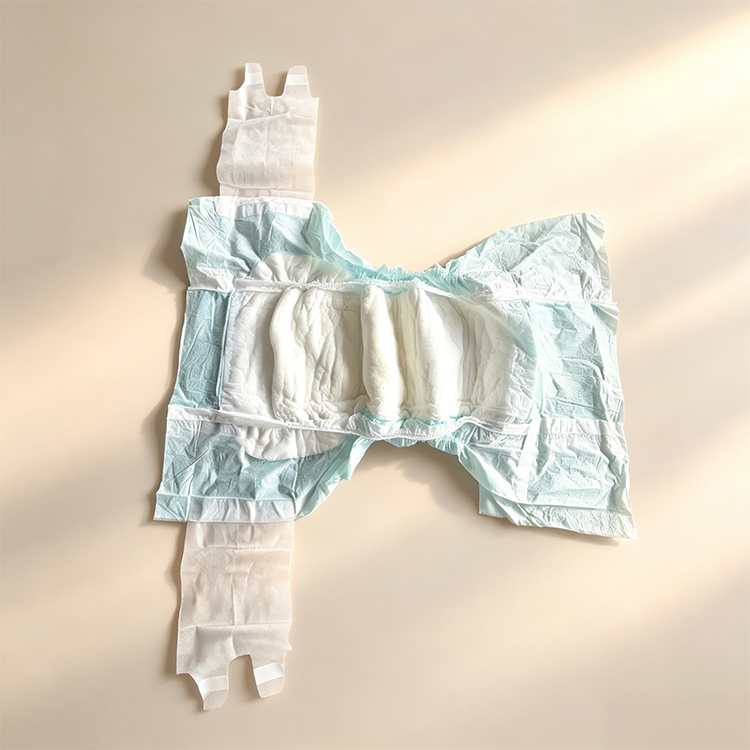
ABDL Diapers vs Medical-Use Adult Diapers: Key Differences
Stop pretending one keyword means one product
These are cousins.
The industry keeps stuffing both categories under the same broad keyword, adult diapers, because that term pulls traffic, but the buying trigger behind an ABDL brief is often completely different from the buying trigger behind a medical-use adult diaper, where fit failure, skin breakdown, odor control, refastenable tabs, and change-time efficiency decide whether the product is useful or a nightly disaster. Why do so many suppliers still write them like twins?
I’ll say the quiet part out loud. A lot of brands blur the line on purpose because broad traffic is easier to win than precise intent. But once a real buyer lands on the page, that shortcut starts costing money.
The medical side is not vague anymore. In the FDA’s own device-classification example, the agency says an adult diaper is intended to treat incontinence in adult patients, and the FDA product-classification database lists adult diapers, disposable underwear, and incontinence pads under Class I “garment, protective, for incontinence,” product code EYQ, regulation 21 CFR 876.5920. That is a very different posture from a lifestyle or collector-driven ABDL brief.
And the reimbursement angle makes the split even harder to ignore. In 2024, after class-action litigation, Florida Medicaid expanded coverage for medically necessary incontinence supplies for adults over 21, and the settlement record tied those supplies directly to skin protection, infection prevention, and community living. That is not novelty retail. That is medical necessity with legal teeth. See Disability Rights Florida’s primary summary and the News Service of Florida coverage.
Table of Contents
What ABDL diapers are really selling
Sensation, silhouette, and identity
ABDL buyers are not usually shopping the same way a caregiver, hospital purchaser, or family member shops for incontinence management.
That sounds obvious, yet manufacturers still mess it up, because they spec the product like a clinical brief and then act shocked when the audience complains that it feels flat, quiet, generic, or “not diaper enough,” even if the absorbent core is technically competent. Isn’t that the oldest mistake in this niche?
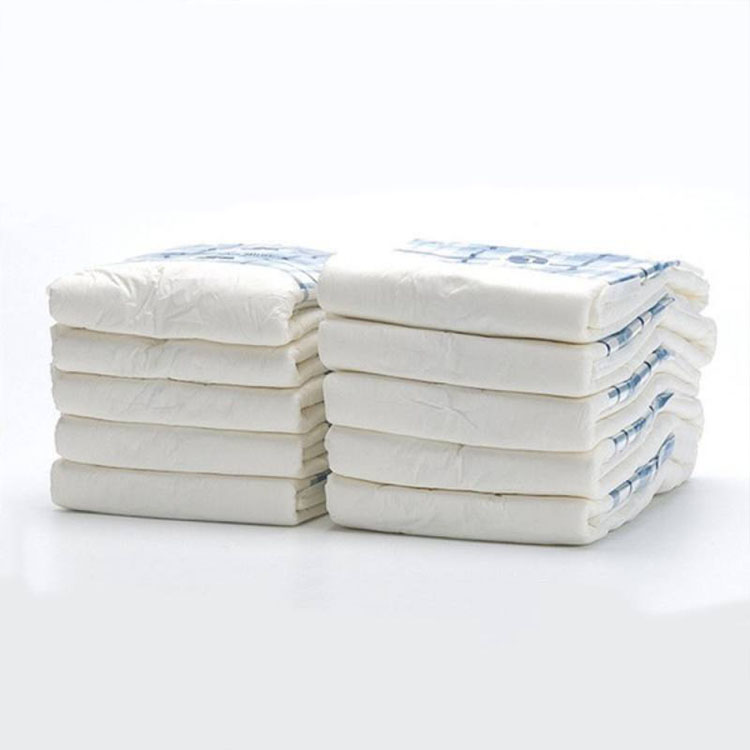
From what I see on your site’s own product architecture, the ABDL side is centered on thicker padding, stronger tapes, printed outers, and a more pronounced diaper profile, not just on dry-sheet numbers. The page on premium printed ABDL briefs frames the KPI around leak complaints, tape failure, reorder stability, and visual execution, while the site’s sizing article on ABDL diaper sizing for 2XL and 3XL users makes a sharp point I agree with: extra thickness changes fit, pressure points, and leak paths, especially in high-rise or plus-size builds.
Here is the hard truth. ABDL thickness is often part product engineering, part theater. And I do not mean that as an insult. I mean it as a buying fact.
Why sizing gets ugly fast
Plus-size fit breaks first.
A lot of brands still publish a lazy size chart that gives one waist number and calls it a day, but once you move into 2XL/3XL, the brief has to survive belly-waist spread, hip width, rise, thigh shape, tab landing-zone geometry, and seated movement, which is why your site’s sizing guide is right to push buyers toward waist, hip, rise, and overlap data instead of one fake “universal” size band. Would you trust a 3XL fit program that never mentions rise?
That article is also right about material math. When an ABDL brief adds fluff pulp and SAP such as sodium polyacrylate (C₃H₃NaO₂)ₙ, the leak path can move if the chassis was not redesigned around the bulk. More padding does not cancel bad geometry. It just hides it for one more return cycle.
What medical-use adult diapers are paid to do
They sell risk control, not fantasy
Medical-use adult diapers live or die on a much less glamorous scorecard.
The real questions are brutally simple: does the brief acquire fluid fast enough, keep rewet low enough, hold the leg seal during turns, reduce linen changes, protect skin, and let a caregiver reseal tabs without destroying the chassis, because nobody in assisted care gets bonus points for a cute print when the bed is soaked at 3:07 a.m. Why do marketers still act like absorbency claims alone settle the case?
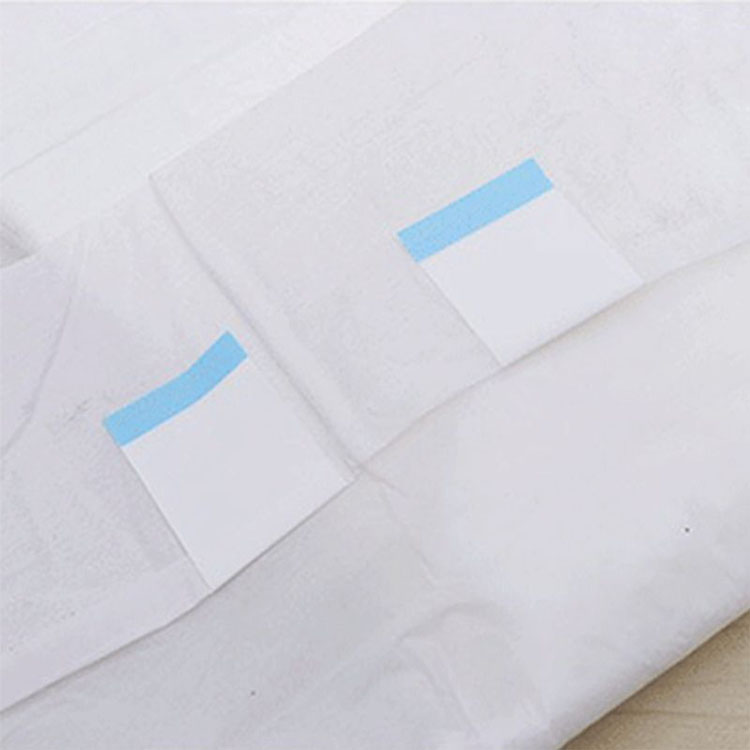
Your own internal content already points the reader in the right direction. The adult diapers buyer guide for moderate to heavy needs prioritizes intake speed, distribution, rewet, leak guards, and tab strength, while tab-style briefs for heavy and bedridden care makes the practical call that I would make too: for bed-level care, heavy leakage, side-sleeper risk, or bowel cleanup, tab briefs usually beat underwear-style products because they open flat and reseal quickly.
And yes, I am skeptical of the “thicker is safer” sales pitch. The site’s piece on why thicker adult diapers aren’t always better is one of the smarter pages in the cluster because it says what too few suppliers admit: thickness can create gaps, trap heat, raise friction, and still lose overnight if the cuff design, body match, and change schedule are wrong. That is a boring answer. It is also the one that saves money.
The medical data makes the stakes obvious
This is not fringe usage.
The NIDDK 2024 Urologic Diseases in America report found that among people aged 65 and older in Medicare fee-for-service, the claims-based prevalence of any urinary incontinence rose from 5.6% in 2012 to 6.1% in 2021, while annual incidence during 2015-2021 was 290 per 10,000 persons, or 2.9%, with about 651,446 older adults newly identified each year; among the same age group, common comorbidities included hypertension at 83%, UTI at 41%, and diabetes at 36%. In other words, the medical-use side of this category sits inside a larger health-management problem, not a branding mood board.
So when I look at a medical-use adult diaper, I care about things the ABDL side can treat as secondary: breathability, friction, odor, fast-change workflow, quiet but durable tabs, low rewet under compression, and whether the product helps the wearer stay dry enough to avoid skin trouble. That is where the money is lost. And that is where trust is won.
The side-by-side buyers actually need
Here’s the split.
If you collapse these categories into one generic assortment, you will confuse shoppers, weaken your SEO intent matching, and create product complaints that look random in support tickets but are actually predictable from the brief’s design logic. Why keep paying tuition for the same lesson?
Hospitals, care homes, home care, family caregivers, users with moderate to heavy incontinence
Worst misuse
Selling it as a clinical brief without admitting the comfort/profile tradeoffs
Selling it as “maximum absorbency” while ignoring body match, change interval, and care workflow
I would not merchandize both categories under the same promise. I would separate them by use case, failure mode, and fit logic. That is how you stop misleading people without shrinking the catalog.
The market already knows the category is splitting
Follow the money.
Reuters reported in July 2024 that Japan’s adult diaper market is expected to grow 16% to 98.9 billion yen by 2027, while the baby diaper market is projected to contract 8% to 84.6 billion yen, and Oji Holdings moved to stop baby-diaper production and focus on adults instead. When manufacturers shift capex that hard, they are telling you something: adult incontinence is not a sidebar anymore, and the buyers in this segment are getting more segmented, more demanding, and less forgiving. Read the Reuters report here.
That matters for this article because the industry is now serving two very different forms of demand under one giant search term. One market wants cleaner medical outcomes. The other wants a more specific tactile and visual experience. Same umbrella keyword. Different truth.
FAQs
What is the difference between ABDL and medical-use adult diapers?
ABDL diapers are adult-size briefs designed primarily around a more pronounced diaper feel, thicker profile, stronger tapes, and often printed styling, while medical-use adult diapers are protective garments for incontinence built first around leakage control, skin dryness, fit stability, caregiver workflow, and, in some cases, reimbursement or regulatory requirements. ABDL products can absorb well, sure. But that does not make them automatically better for medical care.
Are ABDL diapers good for incontinence?
ABDL diapers can work for incontinence when the brief’s fit, core design, cuff seal, and change schedule match the user’s actual leakage pattern, but they are not automatically the best option because many ABDL products are tuned for thickness, profile, and sensory preference rather than for skin management, discreet wear, or clinical workflow. I would judge them by use case, not by subculture label. Overnight medical need is a harder test than collector appeal.
How do I choose between ABDL and medical adult diapers?
The right choice is to match the brief to the user’s primary problem: choose ABDL diapers when the wearer specifically wants that thicker, more structured, diaper-like experience, and choose medical-use adult diapers when the main goal is managing moderate to heavy incontinence with better skin outcomes, easier changes, and fewer leaks during sleep, transfers, or assisted care. Start with body shape and mobility. Then look at tabs, rise, rewet, cuff geometry, and how often the product is changed.
What are the best adult diapers for heavy incontinence?
The best adult diapers for heavy incontinence are the ones that combine fast fluid acquisition, strong leg and waist sealing, low rewet under pressure, stable overnight fit, and reliable refastenable tabs, because heavy leakage failures usually come from mismatch in fit and workflow rather than from a lack of sheer bulk alone. I would usually point heavy or bedridden users toward tab-style briefs first. And I would be suspicious of any product page that talks only about “maximum absorbency” and says nothing about fit, movement, or change interval.