What Matters Most When Buying Products for Heavy and Overnight Incontinence
Capacity lies.
I’ve watched too many buyers, caregivers, and even procurement teams stare at the fattest absorbency claim on a package while ignoring the things that decide whether someone wakes up dry at 3:12 a.m.: fit under pressure, cuff height, back coverage, rewet, and whether the core keeps moving fluid away from the first hit zone instead of letting it pool and escape. Why are we still rewarding the loudest box instead of the driest morning?
Here’s the hard truth I believe after reading more product pages than I care to admit: the best overnight adult diapers are rarely the ones with the prettiest marketing. They are the ones that hold their seal when the wearer rolls onto one hip, compresses the core for six straight hours, and still needs skin that doesn’t feel boiled by morning.
And this is not some tiny, awkward side category anymore. According to NIDDK’s 2024 Urologic Diseases in America report, claims-based urinary incontinence prevalence among people 65 and older ran at 6% to 8% annually from 2012 to 2021, with prevalence reaching 10.6% among Medicare fee-for-service patients age 85+ in 2021. Reuters also reported in July 2024 that Japan’s adult diaper market is projected to grow 16% to ¥98.9 billion by 2027, while baby diapers contract, and Daio Paper said adult-diaper revenue had already doubled baby-diaper revenue. That is not a fringe market. That is a performance market.
Table of Contents
The industry sells absorbency. I buy leak control.
Fit wins first.
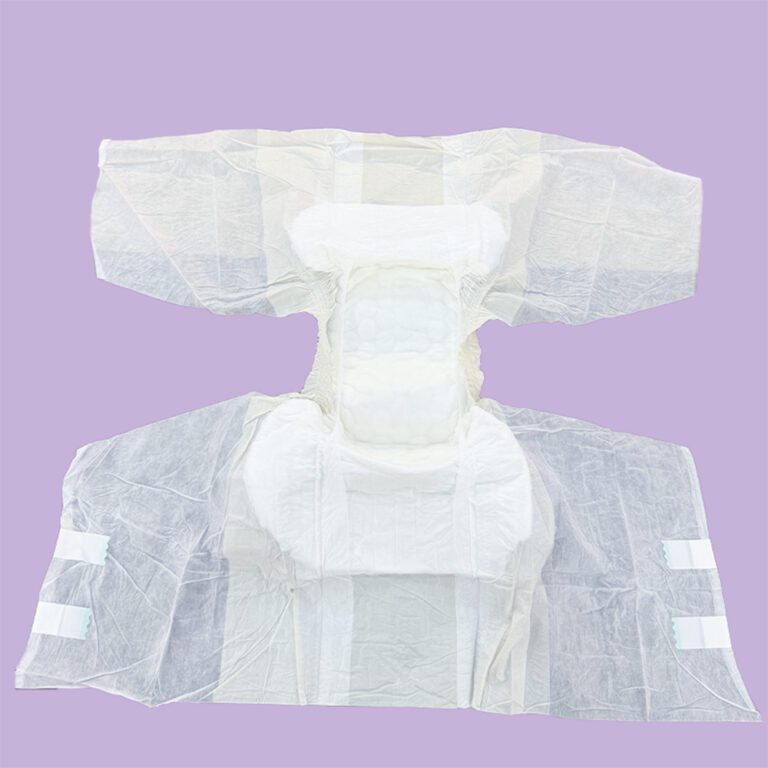
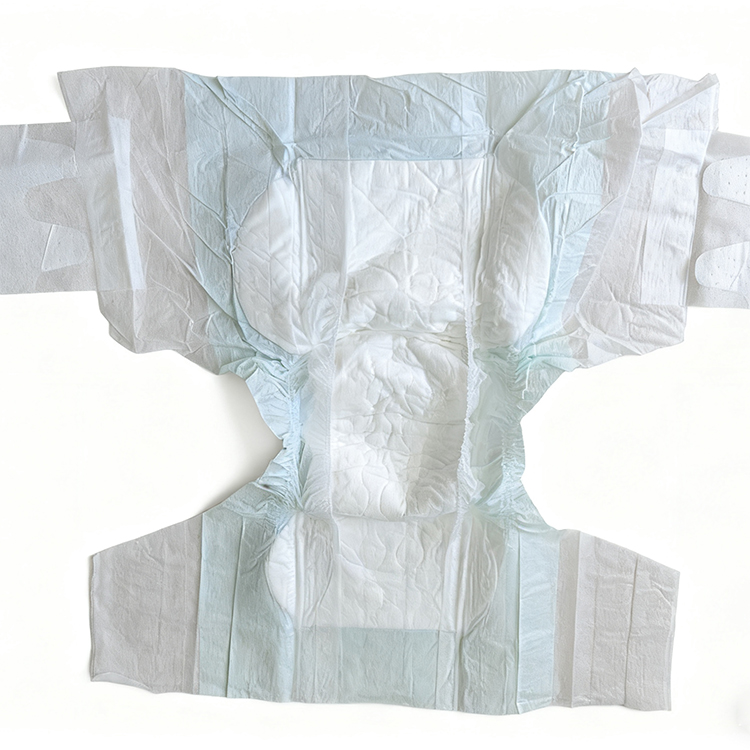
I know that sounds unfashionable, because “fit” is harder to print on a package than “maximum absorbency,” but overnight failure usually begins at the chassis, not the core. If the leg openings gap, the waist rolls, the back sheet rides down, or the product sits too far forward on a side sleeper, the brief can still have impressive lab capacity and fail in the bed, in the chair, and in the laundry room. Isn’t that the part buyers should care about?
This is exactly why I would push readers on adult-diaper.com toward heavy absorbency tab-style adult diapers and the site’s own explainer on why hospitals often prefer tab-style adult diapers when the user is bedbound, caregiver-assisted, or dealing with repeated overnight flooding. Tabs are not glamorous. Tabs are adjustable. And in this category, adjustable beats glamorous every time.
The second thing that matters is intake speed, not just total volume. A brief can technically hold a lot of fluid and still feel awful because the first void sits too long on the surface, rewets under body weight, and pushes sideways before the core distributes it. I’m with the site’s argument in fast-dry vs soft-feel topsheets: the surface feel matters, but the wrong topsheet on a heavy overnight brief is a comfort story that ends in a leak story.
And then there is skin. People skip this because it is less exciting than leak claims, but that is a rookie mistake. A 2025 NIH-hosted review on incontinence-associated dermatitis in older adults notes that incontinence in geriatric and long-term-care settings is high, around 60% to 80%, and another 2024 study cited in that review found point prevalence of IAD at 13.3% among incontinent older adults. That is why I don’t separate “overnight performance” from “skin safety.” A brief that keeps the sheet dry but leaves the skin wet is still a bad brief.
What actually matters at 2 a.m.
Three words first.
Seal, speed, skin.
That is my buying order, and I would defend it in any room full of brand managers, because overnight adult diapers fail in the same brutal sequence again and again: the seal breaks, the intake falls behind, and the skin pays the bill. Why keep pretending the ranking is anything else?
Fit before fluff
If you are shopping adult diapers for heavy incontinence, look at waist range, rise, leg cuff tension, landing zone, and whether the product can be adjusted after the first fastening. If the wearer is immobile, larger-bodied, or needs caregiver changes, I would choose a tab brief before I chose overnight incontinence underwear almost every time.
Rewet before “capacity”
I do not trust “maximum absorbency adult briefs” as a phrase unless someone can explain what happens after compression. Overnight means hours of pressure from the sacrum, hips, glutes, and thighs. The relevant question is not “How much can the core hold in theory?” It is “How dry is the surface after the second insult and six hours of load?”
Coverage before softness
Softness is nice. A wet back is not. For side sleepers, fecal incontinence, or mixed urinary and bowel events, I want taller leak guards, longer rear coverage, and a brief that does not collapse when the core swells. The chemistry matters too: most high-capacity cores still depend on SAP, usually sodium polyacrylate, (C3H3NaO2)n, but the engineering around that SAP matters even more.
System before single SKU fantasy
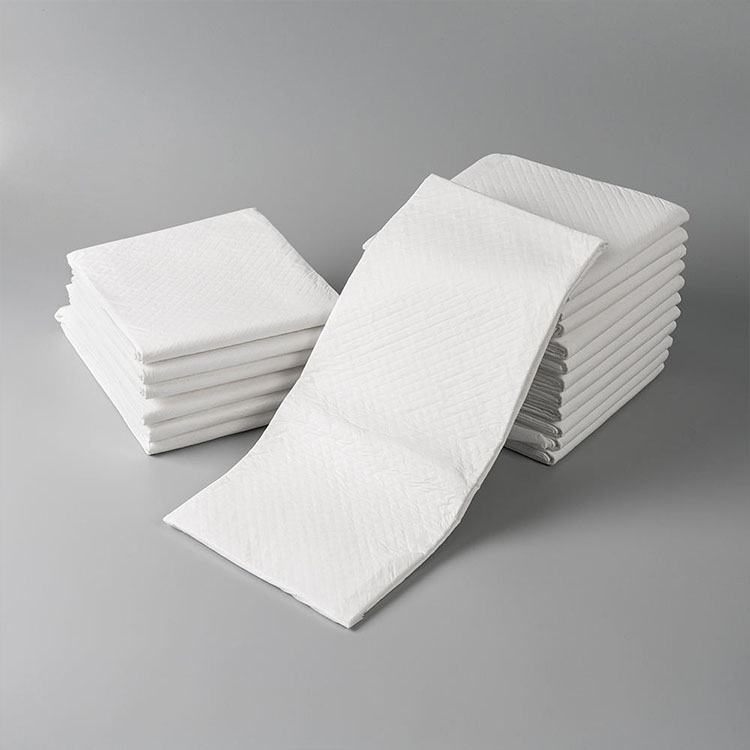
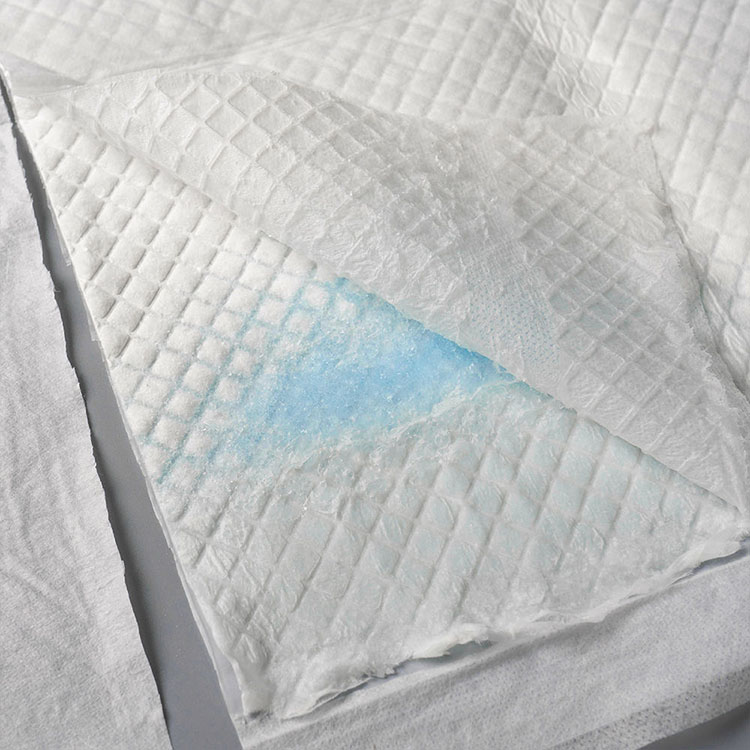
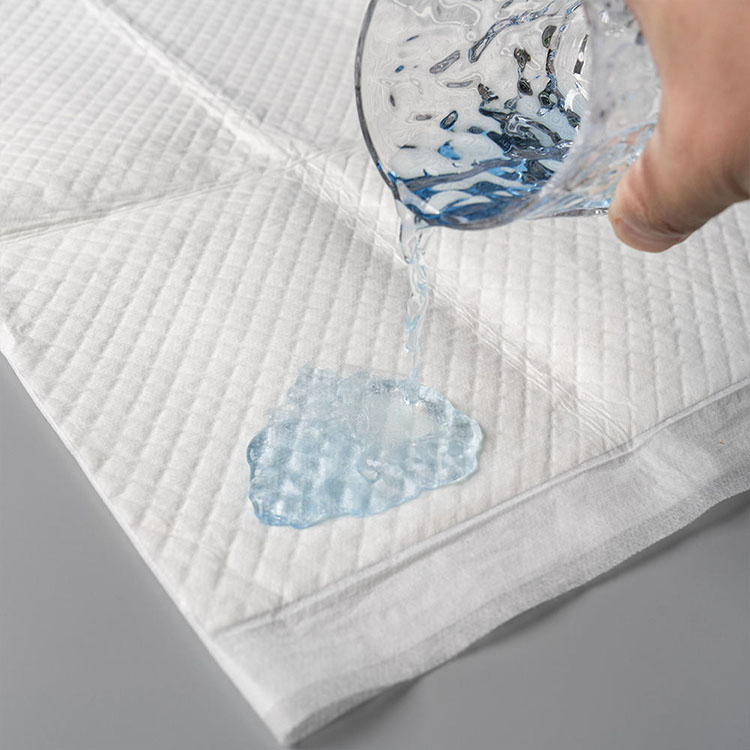
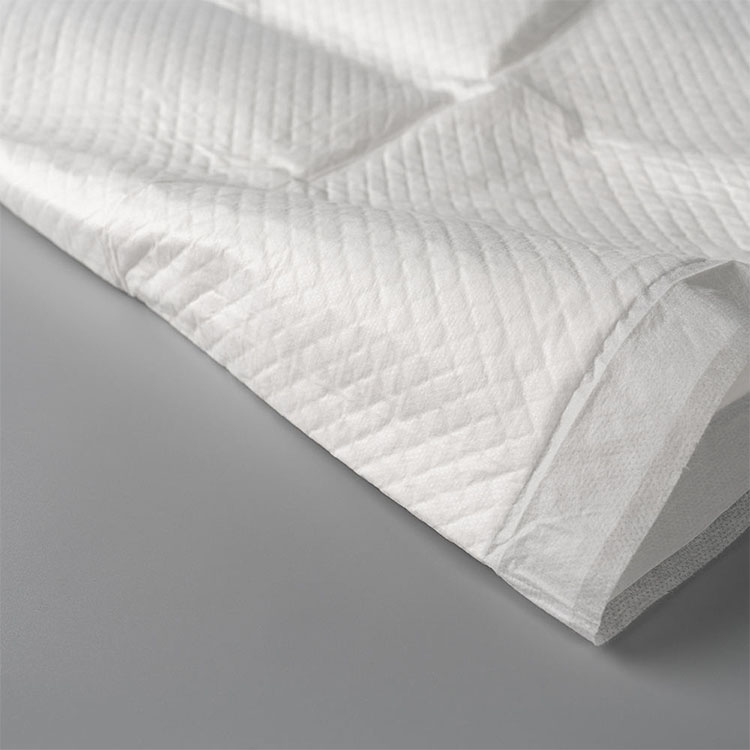
I do not buy the one-product myth. Serious overnight care usually works better as a system: primary brief, optional booster, bed protection, and skin-safe cleanup. On adult-diaper.com, the most natural support links for that system are booster pads for adult diapers and disposable underpads for bed protection. One brief does not need to do every job by itself if the goal is fewer leaks, fewer linen changes, and less skin damage.
The buying matrix most brands hope you never build
I use blunt tables because the category deserves blunt thinking.
Product type
Best use case
Where it usually fails
What I check first
My honest verdict
Tab-style adult brief
Bedbound users, caregiver-assisted changes, heavy overnight voids, bowel leakage
Poor sizing, weak tabs, low rear coverage
Leg seal, back rise, tab refastening, cuff height
Best choice for many heavy overnight cases
Pull-up overnight incontinence underwear
Independent users with good mobility and moderate-to-heavy urine leakage
Motion drift, waistband roll, side leaks under repeated sit-to-stand movement
Elastic recovery, core placement, movement stability
Good for active users, weaker for true flood nights
Booster pad + primary brief
Long wear windows, travel, higher overnight output
Wrong insert blocks flow or bunches
Flow-through design, placement, rewet after second void
Smart add-on, not magic
Heavy incontinence pad
Moderate leakage in regular underwear, not full containment needs
Shift, curl, front pooling, poor overnight stability
Adhesion, shape, strike-through speed
Fine for some, risky for true overnight heavy loss
Underpad
Bed and chair protection, backup containment
False confidence when primary product already fits poorly
That table is the real answer to “how to choose overnight adult diapers,” because it forces the buyer to match the user, the body, the sleep pattern, and the cleanup burden instead of chasing one bloated marketing phrase.
The legal and clinical signal buyers should stop ignoring
Policy matters.
When a product category starts generating class actions over access, it is no longer reasonable to dismiss it as a convenience purchase. In Florida, a federal class action summarized by the Civil Rights Litigation Clearinghouse challenged the state’s refusal to cover medically necessary incontinence supplies for adults over 21, and Disability Rights Florida later reported that the settlement applies to Medicaid recipients whose prescriptions for incontinence supplies have been or may be denied. That is a legal signal worth noticing.
The clinical signal is just as blunt. AHRQ’s pressure-ulcer prevention guidance tells hospitals to check incontinence pads frequently, use protective skin barriers, and reduce moisture and friction. So when brands sell overnight adult diapers as if the only metric is absorbency, I think they are hiding the real cost center: skin injury, extra changes, more linen, more labor, and more complaints.
And if the wearer is mobile? Then I would not guess. I would read the site’s piece on movement leak testing for pull-ups because active users expose weak products fast. Walking, twisting, stairs, sweating, and repeated sit-to-stand cycles reveal what static capacity tests never do.
The mistakes I see over and over
Boring mistake.
People buy the thickest product they can find, then never test whether the intake keeps up with the first surge. They buy pull-ups for users who cannot manage their own changes. They skip boosters when wear time gets longer. They ignore underpads because they think backup protection means product failure. They treat skin complaints like a lotion problem when it is usually a moisture-plus-friction problem first. And then they blame “bad luck.” Really?
I would put it even more harshly than that. Most failed overnight incontinence products are not underbuilt. They are mismatched. The user needed a brief, got a pull-up. The sleeper needed more back coverage, got more fluff. The caregiver needed easier refastening, got a prettier silhouette. The skin needed a drier topsheet and gentler cleanup, got perfume and wishful thinking.
FAQs
What are the best overnight adult diapers for heavy incontinence?
The best overnight adult diapers for heavy incontinence are high-capacity, well-fitted containment products that keep a stable leg and back seal under side-sleeping pressure, move liquid quickly into the core, resist rewet after compression, and match the wearer’s mobility level, body shape, and change routine. In practice, that often means tab-style briefs beat pull-ups for true overnight flooding.
How do I choose between overnight adult diapers and overnight incontinence underwear?
The difference between overnight adult diapers and overnight incontinence underwear is that diapers, especially tab briefs, give more adjustability, coverage, and caregiver control, while underwear-style pull-ups give more independence and normal-clothing feel but usually less forgiveness when fit drifts, cuffs gap, or repeated motion pushes fluid sideways. I use mobility as the first filter and leak severity as the second.
Do booster pads actually improve heavy absorbency adult diapers?
Booster pads improve heavy absorbency adult diapers when they are flow-through inserts that add intake and reserve capacity without blocking the primary brief’s core, because a good booster extends wear time, spreads fluid load, and reduces early saturation, while a bad one bunches, slows intake, and creates new leak pathways. I like them for long nights, travel, and high-output users, but only as part of a system.
What matters more overnight: absorbency rating or fit?
Fit matters more overnight than a headline absorbency rating because most nighttime failures begin at the body interface, where leg gaps, back collapse, cuff fold-over, and core misalignment let urine escape before the product’s theoretical capacity is ever fully used under real sleeping pressure. I would rather buy a better-fitting heavy brief than a bulkier brief with worse geometry.
Are heavy incontinence pads enough for overnight use?
Heavy incontinence pads are enough for overnight use only when leakage volume, body position, and movement stay within what the pad can hold without shifting, curling, or flooding the edges, which means they work for some moderate users but become risky fast when output is heavy, sleep is long, or bowel leakage enters the picture. I do not treat pads as my first pick for serious overnight protection.
Your next move tonight
Start small.
If you are choosing overnight incontinence products for yourself, a loved one, or a customer base, stop asking which product sounds strongest and start asking which setup survives one honest night test: side sleeping, two voids, one bed check, and a morning skin check. Then build from there.
My recommendation is simple. Begin with a serious brief for the right body type, add a booster only if wear time or output justifies it, use an underpad as backup instead of pretending backup is failure, and judge every product by seal, speed, and skin. That is how you find the best adult diapers for heavy leakage. That is also how you stop paying for leaks you could have prevented.