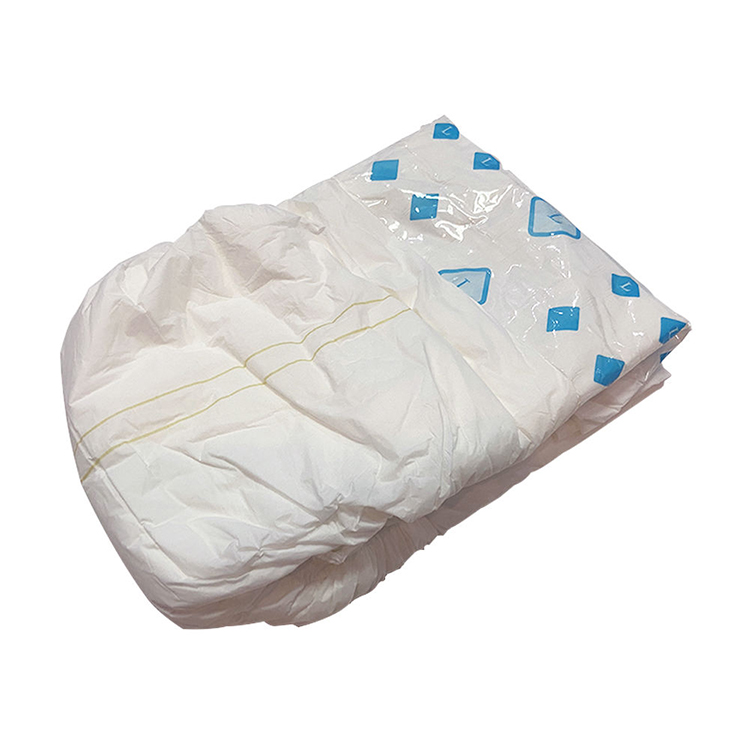
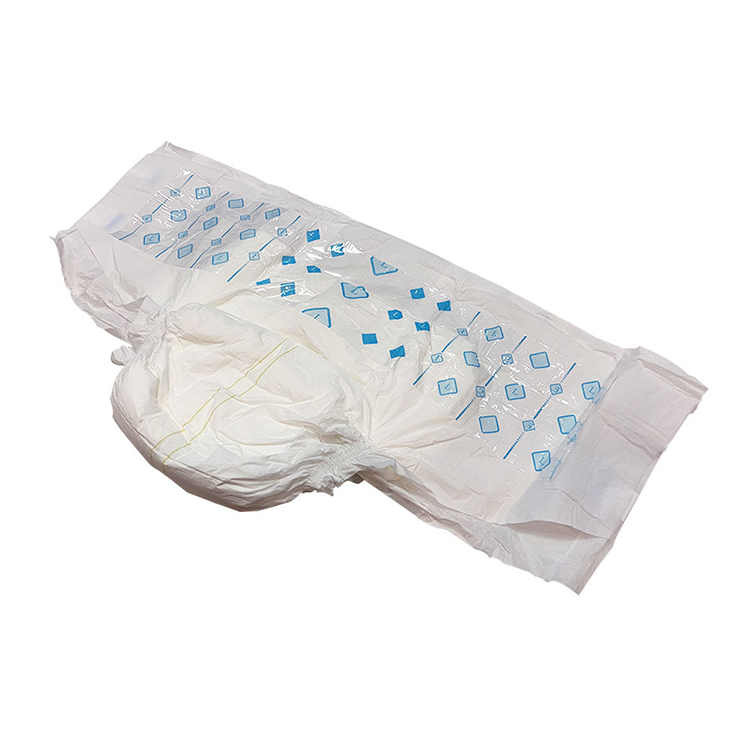
The Role of Adult Diapers in Reducing Linen and Laundry Costs
Leaks trigger labor.
When an adult diaper fails in a nursing home, hospital, rehabilitation center, or home-care setting, the real expense is not limited to one wet sheet; it can include a complete bed strip, resident cleaning, clothing replacement, mattress inspection, waste handling, documentation, and another round of staff time.
So why do purchasing teams still compare adult diapers mainly by unit price?
I think the industry has trained buyers to watch the wrong number. A brief costing $0.08 less may look attractive on a tender spreadsheet. But when that product leaks more often, fits inconsistently, or leaves fluid sitting against the skin, the apparent saving disappears into linen carts and caregiver minutes.
Correctly selected adult diapers can reduce healthcare laundry costs. But the product must be treated as part of an institutional incontinence care system, not as a cheap disposable commodity.
That distinction matters.
Linen Costs Are Really Leakage Costs
A wet bed creates several separate expenses:
Removing and sorting contaminated linen
Replacing sheets, blankets, gowns, and positioning materials
Transporting soiled textiles to the laundry
Washing, drying, finishing, folding, and redistributing them
Paying staff for the resident cleanup and bed reset
Replacing textiles damaged by repeated high-temperature processing
Managing odor, mattress contamination, and complaints
The CDC report on incontinence among older Americans analyzed records covering 2,416,705 nursing home residents in the 2009 Long-Term Care Minimum Data Set. Later analyses of those data reported that 70.3% of residents were not in complete control of bladder function. This is not an occasional edge case. It is a routine operating condition for long-term care.
And frequency changes the economics.
One extra linen change per month hardly moves a facility budget. One extra change per resident, multiplied across dozens or hundreds of residents, becomes a recurring labor and processing expense that procurement teams rarely assign back to the failed incontinence product.
That is the first hard truth: laundry invoices often conceal product-performance failures.
How Adult Diapers Reduce Laundry Work
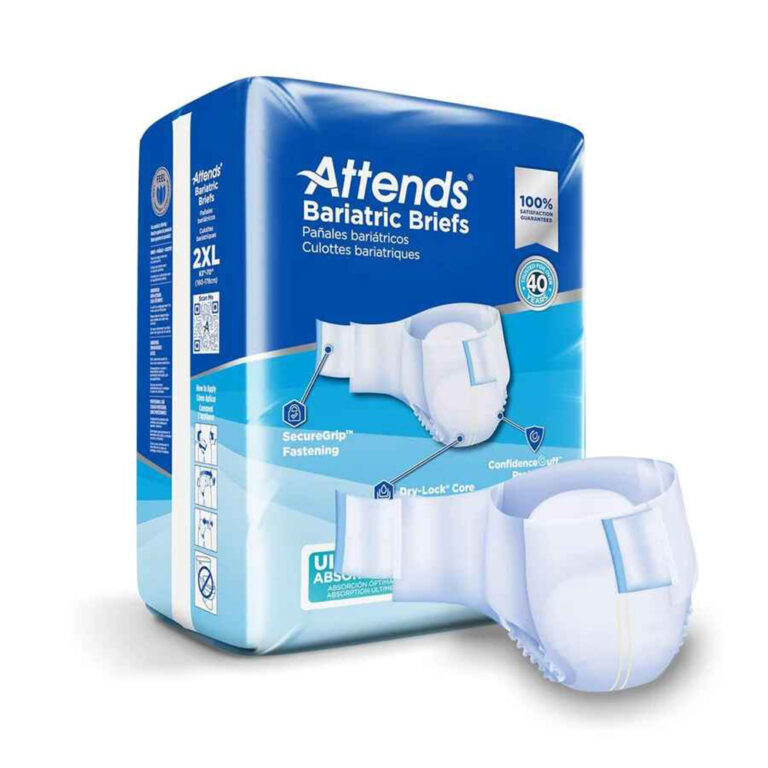
Adult diapers reduce laundry costs when they keep urine and fecal matter inside the product long enough for caregivers to perform a planned change. They do this through several connected components.
The Acquisition Layer Handles the First Seconds
Urine does not enter an absorbent core slowly and politely. A sudden void can temporarily overwhelm a product that advertises a large laboratory capacity but has poor acquisition speed.
The acquisition and distribution layer should pull fluid away from the topsheet and spread it across a wider core area. Without that movement, liquid pools in one location, reaches a leg opening, and escapes before the total absorbency capacity has even been used.
A high-capacity brief with slow intake can therefore leak earlier than a thinner, better-engineered product.
SAP Holds Fluid Under Pressure
Many disposable adult diapers use fluff pulp with superabsorbent polymer, commonly sodium polyacrylate, represented approximately as ((C_3H_3NaO_2)_n). The polymer absorbs liquid and forms a gel, helping prevent fluid from moving freely back toward the topsheet.
But SAP quantity alone proves little.
Distribution, particle placement, core compression, pulp balance, channel design, and pressure performance all affect whether the diaper remains stable while the wearer sits, lies on one side, or is repositioned.
That is why buyers comparing adult diapers for moderate-to-heavy incontinence should request more than a headline capacity figure. Intake speed, rewet, leakage performance, sizing, and fit stability are usually more informative than a single milliliter claim.
Leak Guards Protect the Linen Margin
Standing inner cuffs and elasticized leg openings create a physical barrier around the most common escape routes. Their effectiveness depends on height, tension, continuity, position, and the wearer’s anatomy.
Too loose, and fluid escapes.
Too tight, and comfort deteriorates while the product may distort or gap elsewhere.
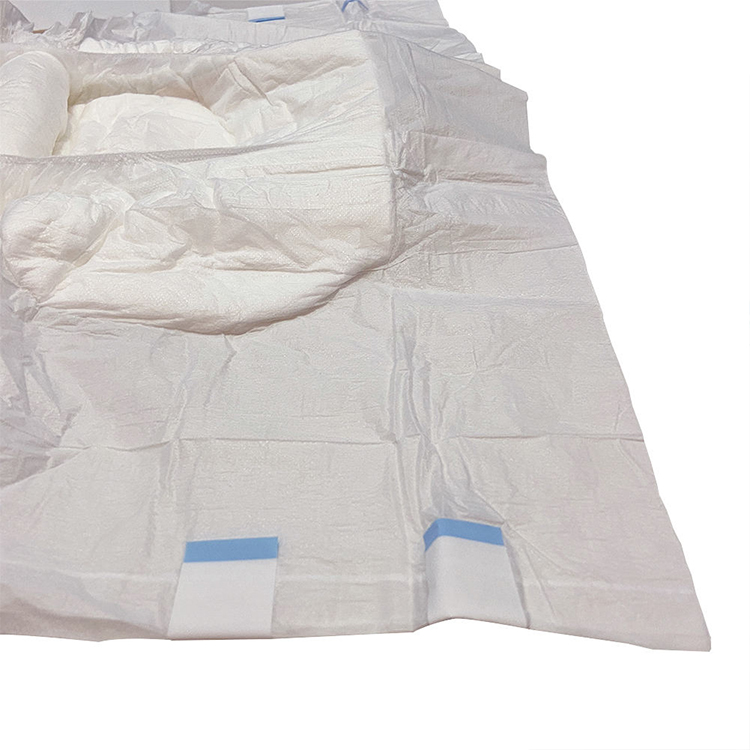
For bedridden or fully assisted residents, open-style briefs can be easier to position and readjust than pull-up underwear. The site’s guide to why hospitals often prefer tab-style adult diapers explains the workflow advantage: a tab brief opens flat, permits skin checks, and can be refastened without completely undressing the patient.
Correct Sizing Prevents Expensive Gaps
A larger diaper is not automatically safer.
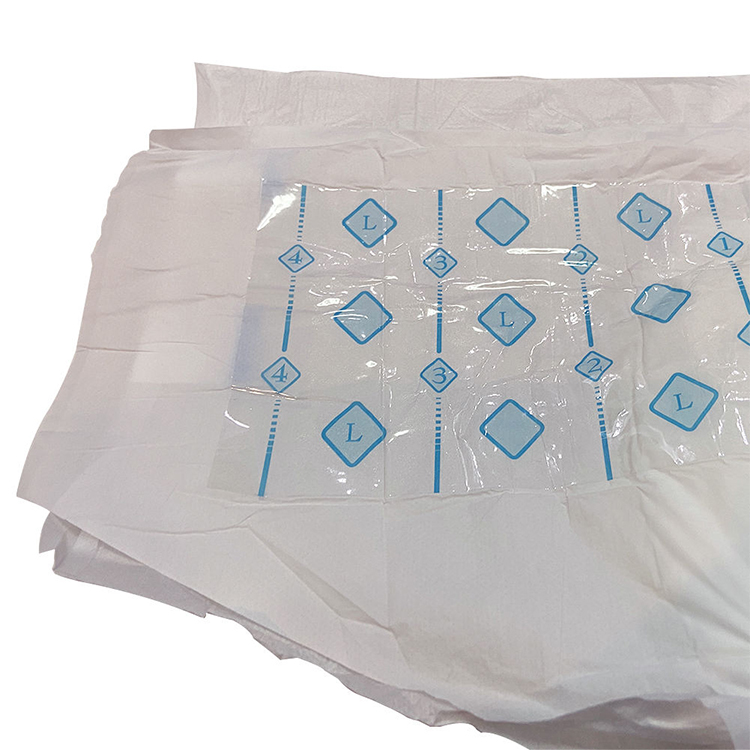
Oversized briefs can sag, shift, and leave gaps around the legs. Undersized products may overstretch, compress the absorbent core, or fail to cover the intended area. Both errors increase the likelihood that fluid reaches the sheets.
In my view, sizing errors are among the most preventable causes of nursing home linen costs. Yet facilities frequently order by generic labels—Medium, Large, XL—without comparing actual waist ranges, chassis dimensions, resident body shapes, and change procedures.
The Evidence Is Real, but It Needs Context
The direct research on disposable adult diapers and laundry costs is not as extensive or as recent as marketing departments imply. That does not mean the relationship is imaginary. It means buyers should separate measured evidence from sales claims.
A 1990 controlled nursing home experiment indexed by PubMed compared disposable products with reusable cloth diapers. The disposable system produced estimated annual savings of approximately $161 to $248 per resident, with laundry costs favoring disposables even though product costs were similar. The disposable product also produced better skin-condition scores in that study.
That study is old. Very old.
But dismissing it completely would also be lazy. The dollar figure is no longer a valid current benchmark, yet the cost mechanism remains recognizable: preventing soiled reusable products and associated linen from entering the laundry can offset a higher purchase price.
A 2024 study involving 743 family caregivers and nursing-home staff found that leakage from absorbent incontinence products was the most frequently reported physical burden among family caregivers providing toileting assistance. Leakage was not merely a product complaint. It created direct work for the person providing care.
Health Quality Ontario’s 2018 assessment reported that supplies and nursing care supporting one person with incontinence in a long-term care home could range from approximately $4,000 to $14,000 annually. That figure includes far more than laundry, but it demonstrates why shaving even a modest percentage from failed changes and unnecessary handling can matter.
There is also an important warning against exaggeration. A 2025 economic evaluation of smart continence care found that laundry, skin, and wound-care expenses represented no more than 5% of total intervention costs in that specific population; products and labor remained larger cost drivers. In other words, laundry reduction is useful, but it should not be sold as the entire business case.
I agree with that conclusion.
The diaper does not control the whole budget. The care process does.
Where the Savings Actually Appear
Cost area
What happens after a leak
How a better-matched diaper may help
Metric to record
Bed linen
Sheets, draw sheets and blankets are removed
Better containment can prevent full bed changes
Leakage-related linen changes per 100 resident-days
Resident clothing
Gowns, pajamas or trousers become wet
Stable waist and leg fit can limit spread
Clothing changes caused by incontinence
Caregiver labor
Resident is cleaned, turned, dressed and repositioned
Fewer leaks reduce unplanned care episodes
Minutes spent per leakage incident
Laundry processing
Linen is sorted, transported, washed, dried and folded
Less contaminated linen enters the wash cycle
Kilograms or pounds of incontinence-related laundry
Underpad use
Backup pads are replaced after contamination
A reliable brief may reduce unnecessary pad turnover
Underpads used per resident-day
Linen lifespan
Repeated processing wears textiles
Fewer wash cycles can extend useful life
Linen replacement rate
Skin management
Prolonged wetness may require additional care
Low rewet and timely changes support moisture control
Redness, IAD incidents and barrier-product use
The table exposes a common procurement mistake. Facilities usually measure the number of diapers purchased because that data is easy to retrieve. They often do not measure why sheets entered the laundry.
Without that second number, nobody can prove whether the cheapest brief is actually cheaper.
Disposable Adult Diapers Versus Reusable Protection
The argument should not be reduced to “disposable good, reusable bad.” That is too simplistic.
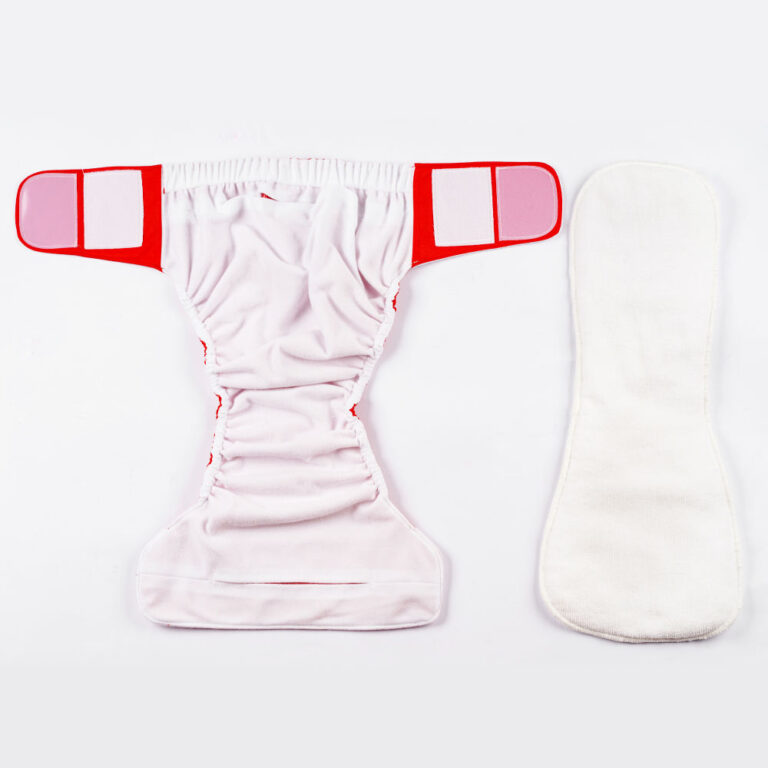
Reusable underpads and washable textiles may perform well in controlled programs with suitable laundry capacity, reliable inspection, sufficient inventory, and disciplined replacement criteria. Disposable products may perform better when contamination risk, turnaround time, transport, labor availability, or outsourced laundry charges are dominant concerns.
The right comparison is total system cost.
Decision factor
Disposable adult diaper system
Reusable textile-heavy system
Upfront product price
Recurring unit purchase
Higher initial textile inventory
Laundry requirement
Lower for the body-worn product
Washing required after every use
Waste generation
Higher solid waste
Lower product disposal, subject to lifespan
Staff handling
Dispose after change
Sort, bag, transport and process
Performance consistency
New product each time
Depends on wash history and textile condition
Inventory risk
Stock-out risk
Loss, damage and turnaround risk
Best fit
High-throughput, assisted and institutional care
Programs with strong laundry control and reuse systems
Facilities still need a backup surface-protection strategy. The underpads for hospitals and nursing homes procurement checklist is useful here because an underpad should be selected by intake speed, rewet, backing strength, dimensions, and placement—not merely by weight or visual thickness.
But I oppose routine over-layering.
Placing several disposable pads beneath every resident can increase material consumption, trap heat, create wrinkles, complicate repositioning, and hide the real reason the primary brief is failing. An underpad should provide a controlled safety margin. It should not be used to excuse poor diaper fit.
The Cheapest Brief Can Be the Most Expensive Choice
This is where I take a harder position than many procurement teams.
Unit price is an incomplete metric.
Imagine two adult diapers:
Brief A costs $0.52 and has a 7% leakage-related failure rate.
Brief B costs $0.61 and has a 3% leakage-related failure rate.
Each leak requires 12 minutes of caregiver time and $4.50 in linen handling and processing.
The $0.09 product premium may look expensive until the cost of failed changes is added. Even a small reduction in incidents can outweigh the difference, especially in a 100-bed facility operating 365 days per year.
And no, those illustrative numbers are not universal benchmarks. Every institution should replace them with its own wages, laundry contract, product usage, leakage rate, and resident profile.
That is the honest way to build an adult diaper cost-savings case.
An Illustrative 30-Day Facility Model
Consider a hypothetical facility with 100 residents:
60 residents regularly use adult diapers.
Leakage-related linen changes fall from 0.30 to 0.18 per user per day.
That calculation excludes mattress damage, odor remediation, replacement clothing, extra wipes, skin-barrier products, overtime, resident distress, and family complaints.
Tiny failures scale.
Best Adult Diapers for Nursing Homes: What Buyers Should Test
The best adult diapers for nursing homes are not simply the thickest products or the briefs with the highest stated absorbency. They are products that consistently fit the target population, acquire liquid quickly, control rewet, maintain cuff contact, tolerate repositioning, and allow caregivers to complete changes efficiently.
I would require a controlled product trial before approving a large contract.
Test More Than Laboratory Capacity
Procurement specifications should cover:
Acquisition speed after the first and subsequent voids
Rewet under body pressure
Side and back leakage
Core integrity after movement
Tab strength and refastening performance
Wetness-indicator visibility
Leg-cuff continuity and standing height
Waist and hip fit across the resident population
Day and overnight performance
Complaints, skin observations and linen-change frequency
A supplier should be able to discuss test methods, sample conditioning, absorption, rewet, leakage, raw-material changes, batch consistency, and traceability.
Marketing terms such as “super absorbent,” “hospital grade,” or “12-hour protection” are not substitutes for evidence. Buyers can use the site’s adult diaper test reports and certification guidance to identify the performance documents and compliance records worth requesting during supplier qualification.
My rule is simple: a claim that cannot survive a wet test should not survive a tender.
Adult Diapers Work Best Inside a Care System
Containment alone is not continence care.
Scheduled toileting, resident assessment, mobility support, correct hydration, bowel management, skin inspection, gentle cleansing, barrier protection, caregiver training, and product selection all affect the result.
The CDC has noted that scheduled toileting may improve continence or assisted continence for nursing home residents. Disposable adult diapers should therefore support an individualized care plan rather than replace toileting assistance for residents who can still participate.
Cleanup also matters. The site’s article on why adult wipes are essential in an incontinence care product line explains the division clearly: the diaper manages containment, while wipes support skin cleaning, odor control, caregiver speed, and dignity after a change.
This is where bad cost cutting becomes dangerous.
A facility may save money on wipes, barrier products, staffing, or change frequency and then blame the diaper when skin complaints and leakage increase. The product cannot compensate indefinitely for a broken care routine.
A Practical Laundry-Cost Audit
Before changing suppliers, collect at least 30 days of baseline data.
Record the Failure Event
For every leakage-related linen change, record:
Resident or anonymous tracking code
Product model and size
Time of incident
Body position
Estimated output level
Location of leak: leg, waist, back or core surface
Then compare the baseline with a trial product under similar staffing, resident mix, hydration, toileting, and change conditions.
Do not change five variables at once.
A new brief, new underpad, new care schedule, new cleansing product, and new staff training program may improve results, but you will not know which intervention produced the saving. Controlled comparisons are slower. They are also far more useful.
FAQs
How do adult diapers reduce laundry costs?
Adult diapers reduce laundry costs by containing urine or fecal matter before it reaches sheets, blankets, clothing, positioning aids, chairs, and mattresses, thereby decreasing unplanned linen changes, contaminated-textile handling, wash loads, caregiver cleanup time, and premature textile replacement when the diaper is correctly sized and changed according to an appropriate care plan.
The saving depends on leakage performance, not disposability alone. A poorly fitted disposable brief can generate more laundry than a well-managed reusable system.
Are more expensive adult diapers cheaper for nursing homes?
More expensive adult diapers can be cheaper overall when their improved intake speed, rewet control, fit stability, cuffs, tabs, and core performance prevent enough leaks and unnecessary changes to offset the higher unit price through lower linen processing, reduced caregiver handling, fewer backup products, and more predictable overnight care.
The purchasing team must test this with facility data. Premium pricing without measurable performance improvement is simply higher spending.
What adult diaper specifications affect linen costs most?
The adult diaper specifications most closely connected to linen protection are acquisition speed, rewet under pressure, side-leak resistance, standing cuff design, waist and leg fit, absorbent-core stability, effective capacity, tab retention, sizing accuracy, and the product’s ability to remain correctly positioned while a resident sleeps, sits, transfers, or is repositioned.
A single laboratory capacity number cannot describe all these failure points.
Should nursing homes use underpads with adult diapers?
Nursing homes should use underpads with adult diapers when beds, chairs, wheelchairs, or treatment surfaces need a controlled backup layer, but the underpad should complement a correctly fitted primary brief rather than conceal repeated product failure, poor sizing, delayed changes, or an unsuitable absorbency level.
The underpad is insurance. It should not become the main containment system without a documented reason.
How can a facility calculate adult diaper cost savings?
A facility can calculate adult diaper cost savings by comparing total incontinence-related expenditure before and after a controlled product trial, including diaper use, underpads, wipes, barrier products, leakage-related linen processing, caregiver minutes, clothing changes, damaged textiles, and other measurable consequences rather than comparing package or unit prices alone.
Use at least 30 days of comparable baseline and trial data. Larger facilities may need separate analysis for day, night, mobile, bedridden, urinary, and double-incontinence groups.
How often should adult diapers be changed in nursing homes?
Adult diapers should be checked and changed according to individual output, skin condition, bowel events, product capacity, mobility, care plans, and manufacturer instructions rather than one rigid timetable, with immediate changing generally required after fecal contamination and timely changing required whenever leakage, saturation, discomfort, or skin exposure is identified.
Extending wear solely to reduce product use can increase rewet, leakage, odor, linen contamination, and skin-management workload.
Turn Laundry Data Into a Better Purchasing Decision
Stop evaluating adult diapers as isolated disposable units.
Measure leakage-related linen changes. Measure caregiver minutes. Measure underpad use. Measure rewet, fit complaints, overnight failures, clothing changes, and skin observations. Then connect those operating costs to the exact diaper model and size being used.
For institutional buyers, distributors, care providers, and private-label brands, the next step is to run a controlled sample trial with documented absorbency, rewet, leakage, sizing, and batch requirements.
Review your current incontinence program, identify where linen changes originate, and request adult diaper samples and performance documentation that match the actual residents, staffing model, and care setting—not merely the lowest tender price.