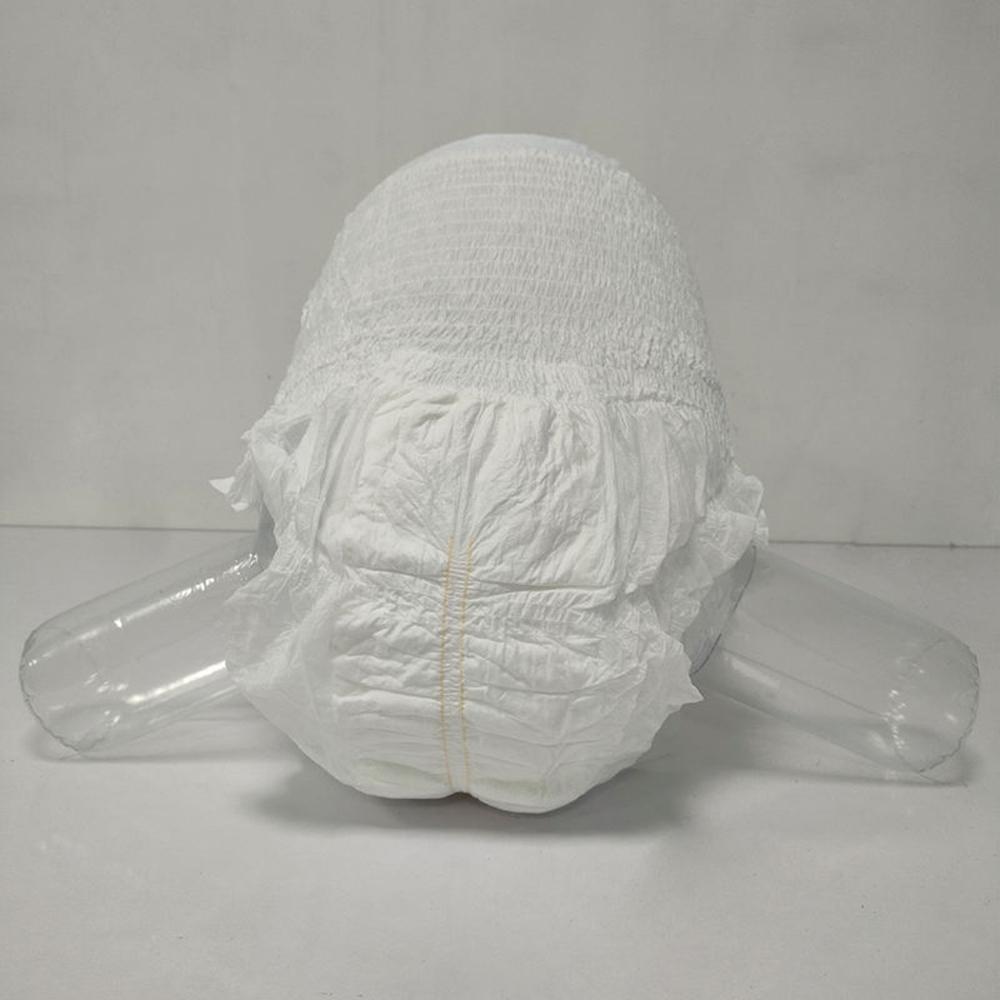
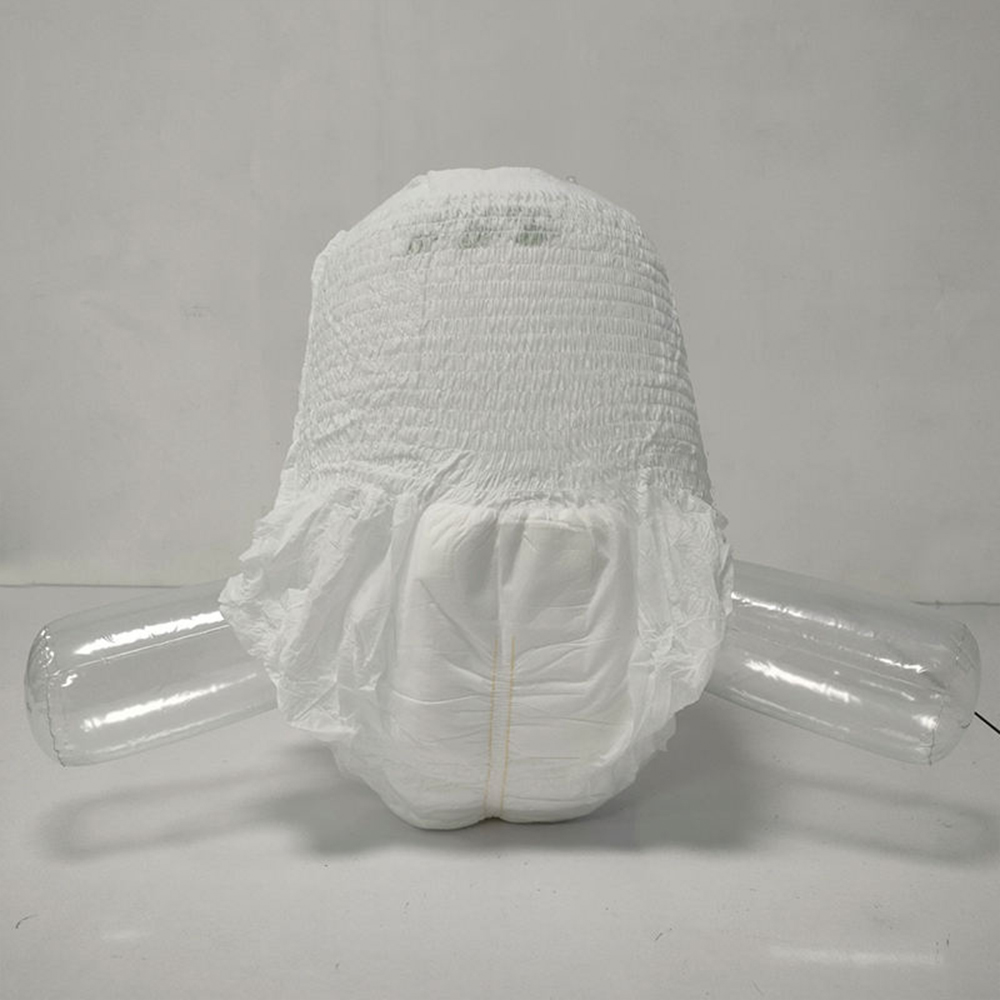
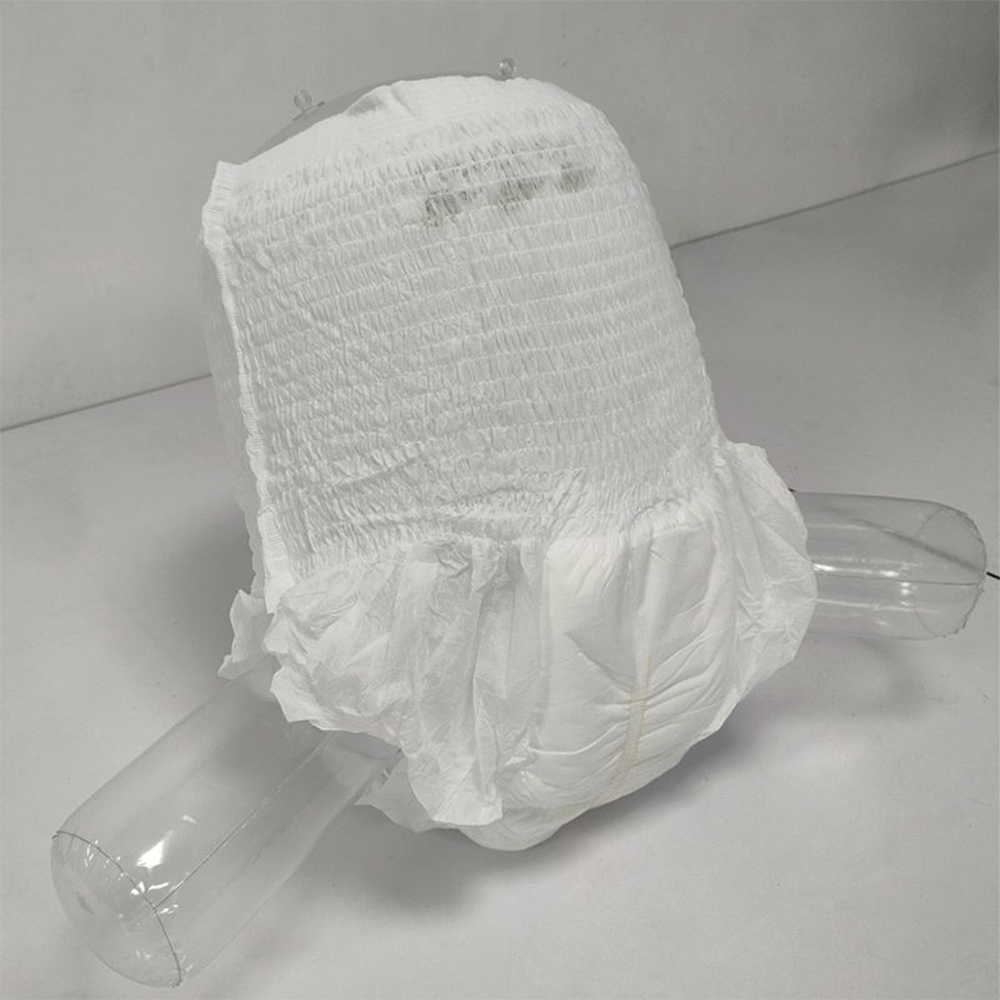
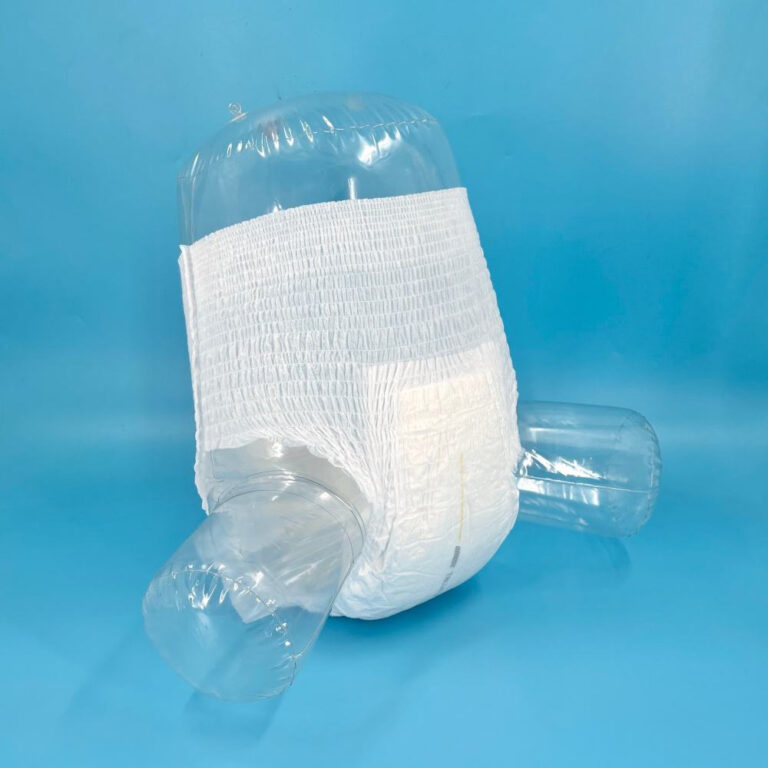
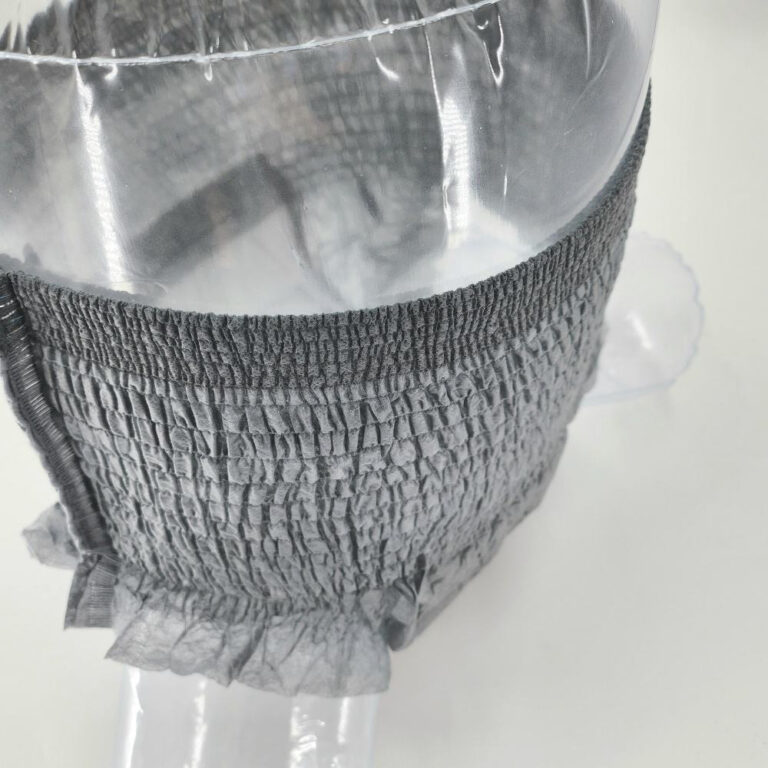
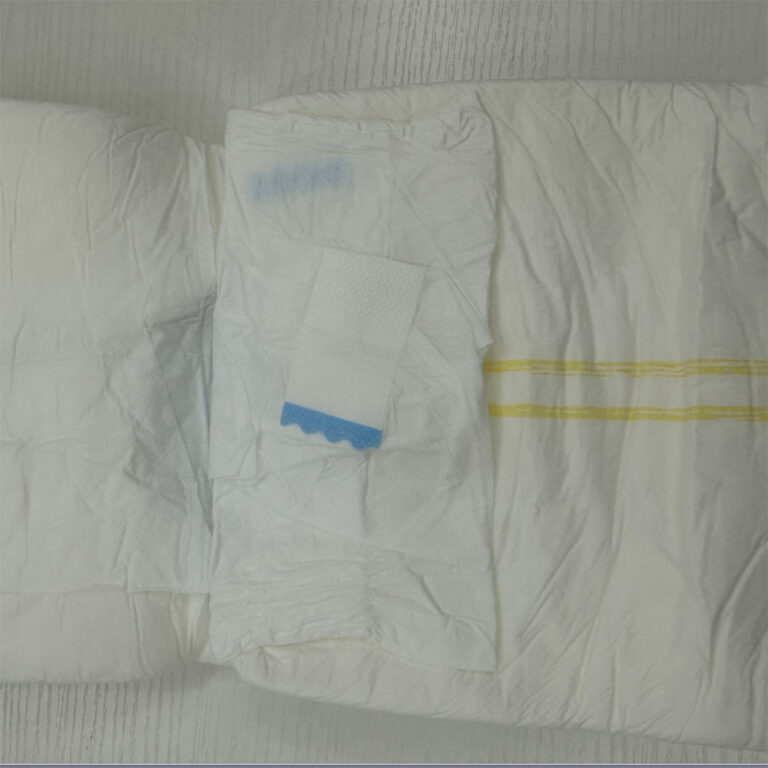
Low-rise incontinence underwear sits on the hips and uses less material above the pelvis. Full-rise underwear sits at or near the navel and covers more of the abdomen and lower back. For a buyer specifying a pull-up line, that difference affects more than appearance. Rise influences back coverage, waistband stability while the wearer sits, visible lines under clothing, and where the absorbent core ends up during movement. This article compares both profiles for distributors, private-label brands and institutional purchasers. It shows where the trade-offs are real and where they are overstated, and explains how to specify rise so a manufacturer can sample and quote accurately. It focuses on disposable pull-ups such as those in a typical incontinence underwear collection.
What Do “Low-Rise” and “Full-Rise” Mean in Incontinence Underwear?
In this article, low-rise means a pull-up whose waistband sits at the hips or well below the navel, with a shorter front-to-back distance. Full-rise (often sold as high-rise, high-waist or “full coverage”) means a waistband that sits at or above the navel, with more fabric over the lower abdomen and a higher back panel.
These are working definitions. No published standard was identified that defines rise categories for disposable incontinence underwear, and brands use the terms loosely. One supplier’s “mid-rise” can match another’s “full-rise”. The U.S. regulation for protective garments for incontinence (21 CFR 876.5920) describes the product as a device with absorbent padding and a fluid barrier, and classifies it as Class I. It does not address rise, waist height or silhouette. Rise requirements therefore come from your own specification, not from a regulatory or industry default.
For that reason, never accept the label alone. Ask for the measured total rise of each size, taken as a curved distance and not a straight line, together with photographs of the product on a body form or fit model.
Low-Rise vs Full-Rise Incontinence Underwear: Side-by-Side Comparison
The table below summarizes qualitative design trade-offs. It contains no measured values because the effect of each variable depends on the pattern, materials and wearer.
Factor
Low-rise
Full-rise
What to verify with the supplier
Waistband position
Hips or below the navel
At or above the navel
Measured rise per size and waistband width
Back and seat coverage
Less coverage; back edge can drop when seated
Higher back panel; more cover when seated or lying
Rear panel height and fit photos seated and lying
Seated stability
Greater risk of sliding down or exposing the rear edge
Usually steadier, but can roll if the band is narrow or stiff
Sit-to-stand wear trial
Abdominal comfort
Avoids pressure on a prominent abdomen
More contact over the abdomen; tension must be even
Waistband tension and red-mark check after wear
Under low-cut trousers
Less likely to show above the waistline
Top edge may be visible
Test in the garments your customers wear
Under tucked or fitted tops
Hip-level band lines can show on slim hips
Wider coverage can look smoother or show a band edge
Photograph front, side and rear
Material use
Less outer cover and waist material per unit
More material per unit
Itemized quotes for both profiles
Typical fit
Mobile, active wearers in hip-level clothing
Long sitting, wheelchair use, larger abdomens, longer wear
Intended wearer group and use setting
Where Rise Changes Real-World Performance
Back and Seat Coverage
Back coverage is the clearest functional difference. A lower back panel leaves a shorter path between the core and the top edge when the wearer is seated or lying. Fluid can travel upward and backward under pressure, and a back panel that drops when the wearer sits can open a gap at the waist.
This is design reasoning rather than a measured result. It does explain why a retailer that sells overnight and full-coverage pull-ons markets the extra-wide front and back core as protection for side, back and stomach sleepers. That statement is retailer marketing, not independent testing, but it shows that the market already treats coverage as a performance feature.
Waistband Position and Stability
Many wearers have a sloping lower abdomen or a hip curve, and a low-rise band placed on that slope may tend to slide downward. A full-rise band can hold higher on the torso, but only if the elastic recovers after repeated stretch and the tension is even across the front, sides and back.
Rise and elastic design cannot be judged separately. The guide to elastic waistband screening factors for adult pull-ups covers stretch recovery, side-seam strength and pressure distribution. These decide whether a given rise stays in position after several hours.
Silhouette Under Clothing
Low-rise is not automatically more discreet. A low-rise pull-up may avoid a visible top edge under hip-level trousers. A short rise can also pull the back edge down when the wearer sits and produce a gap or a line at the seat. A full-rise product may show a waistband line under a fitted top, yet can look smoother under high-waisted trousers or a tucked shirt.
Discretion depends on the whole chassis: crotch width, leg elastics, waistband width, seam construction and outer cover noise. The article on how pull-up fit affects discreetness under clothing explains why a slightly thicker product with a better rise and a stable leg seal can look better in use than a thinner product that bunches. Judge silhouette in the clothing your end customers wear, and judge it after loading, not only when dry.
Side and Rear Leakage Control
Rise does not seal the leg. Leakage control comes from the standing inner cuffs, leg elastics, core position and acquisition speed. Rise matters indirectly because it determines whether those parts stay where they were designed to be. If the chassis slides down, the cuffs can lose contact and liquid follows the easiest route. The explanation of leak guards in adult pull-up underwear treats the guards, elastics, core and waist as one system, and that is the right way to compare rise options.
Which Rise Suits Which Wearer and Use Case?
No single rise suits every wearer. The matches below are design reasoning for buyers to confirm with samples, not universal rules.
Active, mobile wearers in hip-level clothing: low-rise may suit them, provided the back panel stays up during sit-to-stand cycles.
Long periods of sitting or wheelchair use: full-rise generally gives more rear cover and a steadier waist position, but check for pressure from seams and the band edge.
Larger or prominent abdomens: a lower waistband can sit below the belly, while a full-rise band may press on it. Fit test both with the actual wearer group.
Overnight or long-wear use: extra rear coverage is useful, but the pull-up format has limits for side sleepers and heavy output. See the comparison of daytime versus overnight incontinence underwear before positioning a full-rise product as an overnight solution.
Caregiver-assisted users: removal speed and skin checks may outweigh silhouette, so side-seam design deserves as much attention as rise.
Illustrative scenario (not a customer case): a private-label brand launches a low-rise women’s pull-up for slim trousers. Sampling on a standing model looks acceptable, but trial users who sit at desks report that the back edge slides down and gaps. The fix is not a larger core. It is a longer rear panel and a wider, softer waistband, which the original standing-only trial would not have exposed.
Why Rise Cannot Be Judged by a Capacity Test
Absorption capacity numbers do not describe rise. EDANA’s guidance on the ABL test method says the method was developed for products for moderate and severe incontinence used by bedridden patients. It adds that the method is not suited to products marketed to mobile people with light or medium incontinence. A laboratory capacity result also cannot tell you whether the back panel drops when someone sits or whether the waistband rolls after repeated pull-downs.
A buyer-defined protocol fills that gap. Use the same wearers or body forms and the same garments for every candidate. Compare standing, seated, walking and lying positions, both dry and after a defined loading step. Record waistband position, rear edge height, visible lines, red marks and any leakage. Write the protocol down so repeat orders are judged on the same basis.
How to Measure and Specify Rise for Sampling
Specify rise as a number per size, not as a label. The guide on how to measure waist, hip, and rise for adult diaper sizing defines rise as the curved distance from the front waistband position, through the crotch, to the back waistband position. It also stresses measuring where the waistband will actually sit. That second point matters here. A low-rise band sits at a different body location from a full-rise band, so the circumference measured at that location can differ from the natural waist.
Ask suppliers for:
Waist, hip and total rise ranges for every size, plus how steps are graded.
Front panel and rear panel height as measured on the finished product, not only the flat pattern.
Waistband width, elastic count and side-seam construction.
Samples at size boundaries, since overlapping ranges are where rise problems appear first.
Cost and Manufacturing Implications
Rise changes the chassis cut pattern, so a second profile is a second design, not a switch. Cost direction depends on the pattern, the nonwoven used, the elastic layout and line configuration. Do not assume full-rise is automatically costlier or low-rise automatically cheaper. Ask for itemized quotes on both profiles.
Other points to raise early:
Sizing and SKUs: each rise profile needs its own size chart, which may multiply SKUs for a range that already spans several sizes.
Packaging: a taller chassis can change folded dimensions, bag size and carton cube, which affects freight and shelf presentation.
Waist options: the manufacturer’s incontinence underwear page states that its factory supports different waist styles, absorbency levels, colors and packaging formats. It does not state MOQs, lead times or which combinations are feasible, so request those in writing.
What Should Buyers Specify Before Requesting a Quote?
A quote is only as accurate as the specification behind it. Prepare these items:
Target wearer and channel: retail, institutional or e-commerce, and whether the product is unisex or sex-specific.
Rise priority: the use case that rise must serve, such as seated stability, slim-trouser discretion or overnight rear coverage.
Size range and fit data: waist, hip and rise ranges by size, plus target body types.
Absorbency band and core design: light, moderate, heavy or overnight, and where the core should sit.
Waistband and materials: band width, stretch behavior, outer cover type and any printed waistband.
Sample and test plan: garments, positions and loading steps you will use, and the number of samples per size.
Target market and compliance: destination countries, since requirements vary by market. Confirm them with a regulatory specialist.
Commercial terms: order quantity, MOQ, delivery schedule, carton layout and bag design.
Send two or three rise options in the first sampling round and let wear trials decide. That costs less than correcting a launched range.
Frequently Asked Questions
What is the difference between low-rise and full-rise incontinence underwear?
Low-rise underwear sits on the hips with a shorter front-to-back distance and less coverage. Full-rise sits at or above the navel with more abdominal and rear coverage. Brands define the terms differently, so compare measured rise per size.
Is full-rise incontinence underwear better for leaks?
Not by itself. Leak control depends on inner cuffs, leg elastics, core design and waist stability. Full-rise can help by keeping the rear panel higher and the chassis steadier when seated, but test leakage with movement.
Is low-rise incontinence underwear more discreet?
Sometimes. It can avoid a visible top edge under hip-level trousers, but a short rise may sag when the wearer sits and create lines at the seat. Test discretion in target garments, in several postures, and after loading.
Which rise is better for wheelchair users or long periods of sitting?
Full-rise generally offers more rear coverage and a steadier waist position, but fit varies. Check for pressure from seams and the band edge, and trial the product in seated posture with the intended wearer group.
How should buyers measure rise for a quote?
Measure the curved distance from the front waistband position, through the crotch, to the back waistband position, on the finished product and the body. Supply the measurements for each size, and ask the supplier to confirm rise per size in writing.
Does regulation define low-rise or full-rise?
No regulation identified in this research sets rise categories. In the United States, 21 CFR 876.5920 defines protective garments for incontinence and classifies them as Class I, but it sets no waist-height or silhouette criteria. Verify the rules for each destination market.