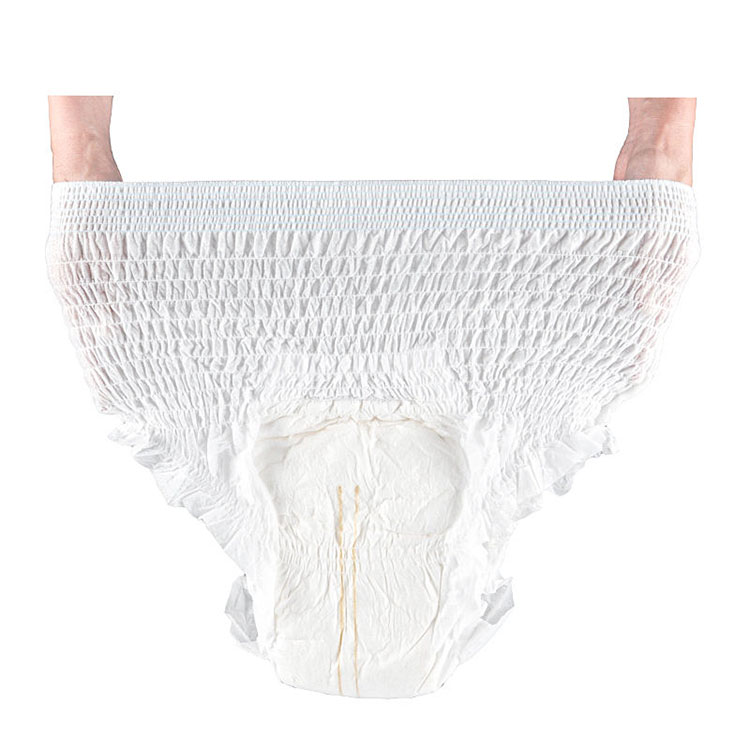


Most buyers still shop this category like amateurs. They chase the biggest absorbency claim, ignore fit under pressure, and then act surprised when the product fails where overnight leaks actually start: leg gaps, back coverage, rewet, and skin exposure.

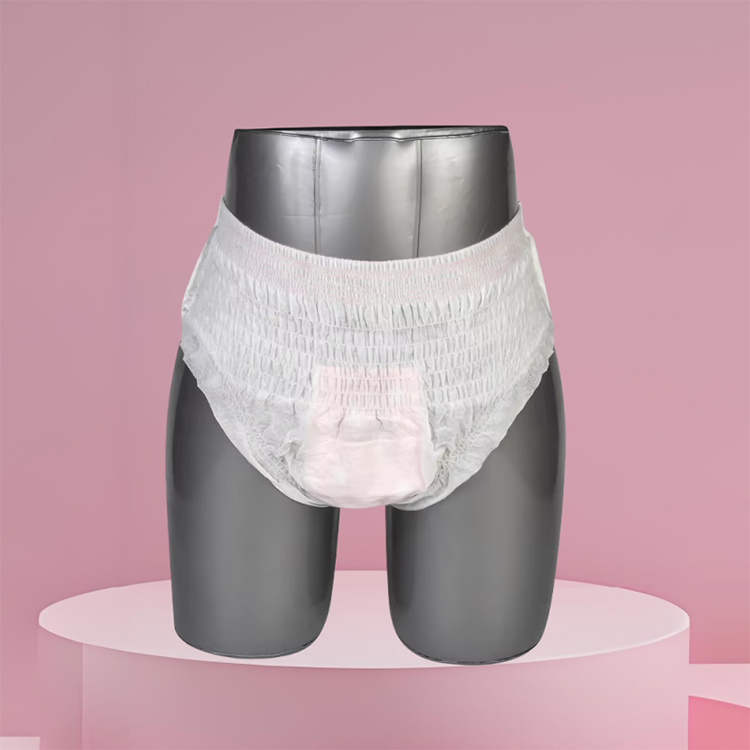
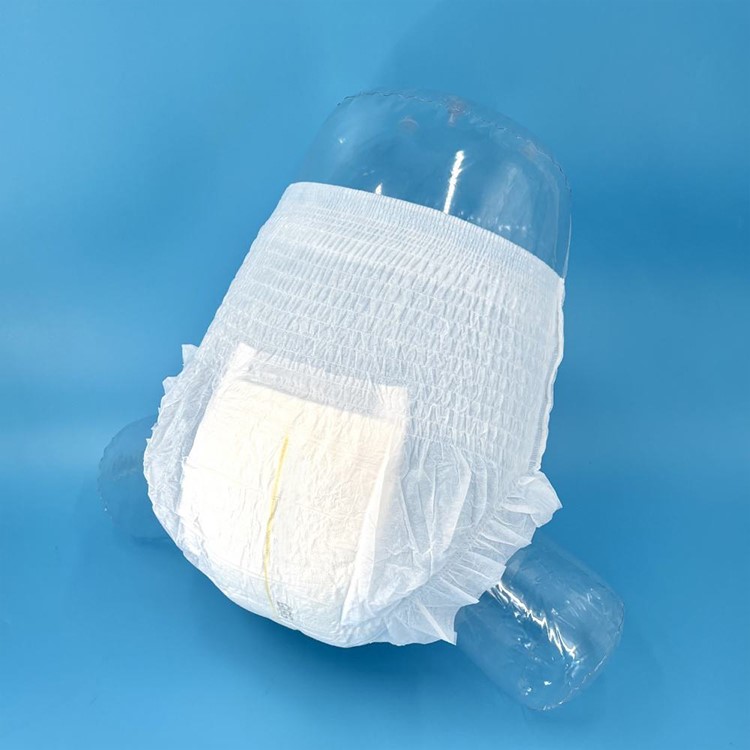
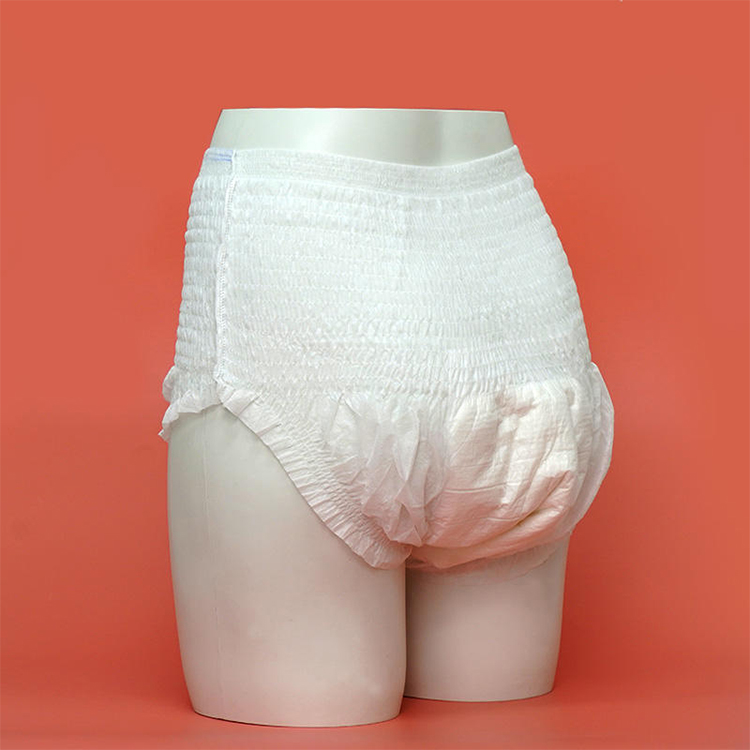
I don’t buy the lazy story that thinner means weaker. In adult pull-ups, absorbency is usually a design problem, not a thickness contest. The winners are the products that move liquid fast, lock it under pressure, and keep the leg line stable when the body moves.

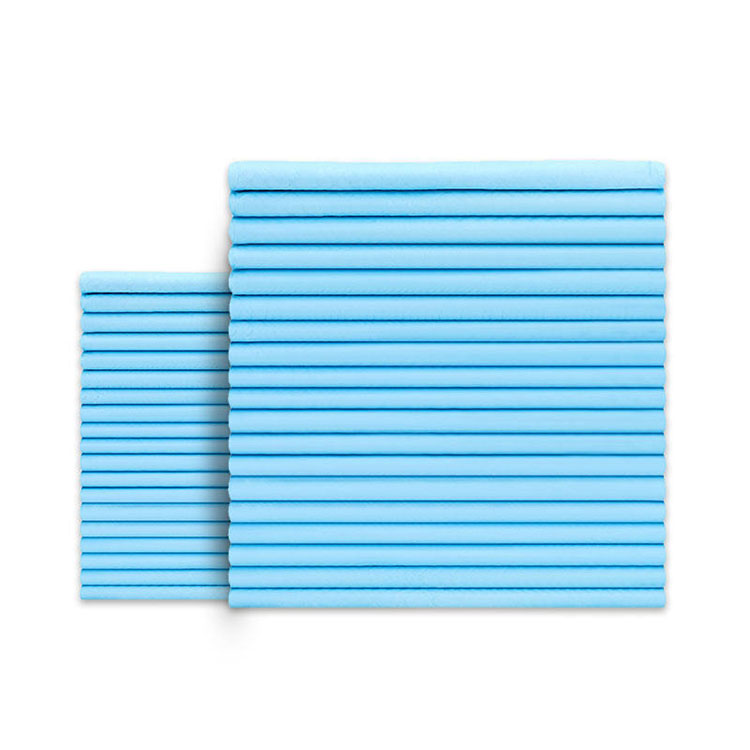
I compare disposable underpads and washable underpads from a buyer’s seat, not a marketer’s. The hard truth is simple: the wrong pad is never cheap once leaks, rewashes, complaints, and material surprises start piling up.

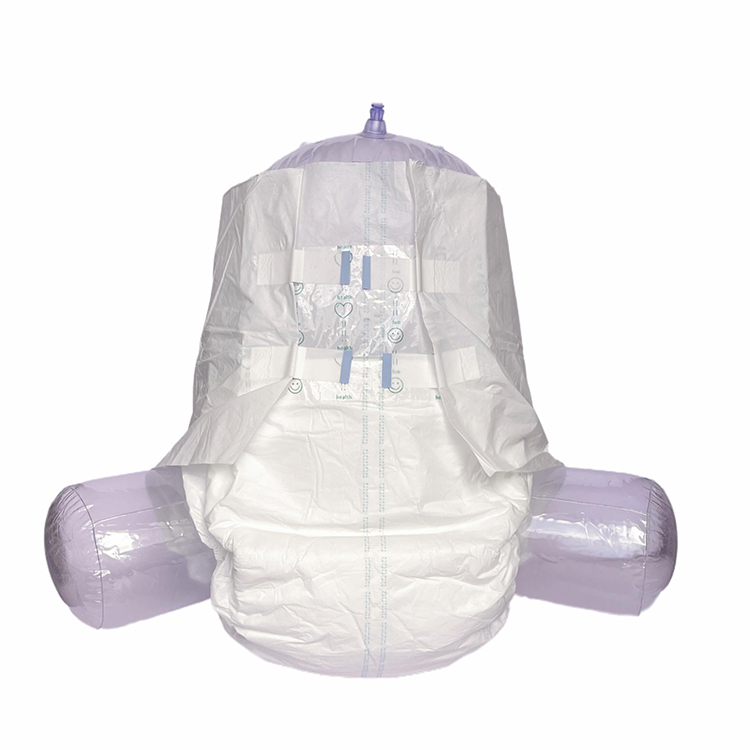
Most adult diaper ingredient lists are still written like marketing copy. This guide breaks down what actually touches skin, which materials deserve scrutiny, and which declarations I would demand before approving a PO.

Most brands pretend ABDL diaper sizing is just standard adult diaper sizing with louder prints and more padding. I don’t buy that. Thickness, rise, tab geometry, and use-case change the math, and bad size planning shows up fast in leaks, returns, and angry buyers.

Underpads look boring, which is exactly why many wholesalers misprice them. Demand is aging, labor is tight, regulation is manageable, and the right disposable or washable mix can turn a sleepy SKU into a repeat-order machine.

Too many suppliers sell one “institutional” incontinence assortment and pretend it works everywhere. I do not buy that. Hospitals purchase speed, containment, and skin-risk control under acute pressure; nursing homes need a broader, resident-segmented system built for mobility, dignity, staffing gaps, and repeat care.

Most adult pull ups fail active users for one reason: they move when the wearer moves. This article explains which pull-on underwear works best, when tab-style briefs win, and how to judge fit, cuffs, rewet, and discretion like a buyer who hates returns.

Most brands sell adult diapers as if absorbency alone decides everything. I think that is lazy. Home care and institutional care run on different economics, different labor realities, and different failure costs, which means the right product mix changes fast once real caregivers enter the room.

Hospitals do not buy tab-style adult diapers because tabs look clinical. They buy them because flat-open briefs fit immobile patients, speed caregiver-assisted changes, hold up better during frequent checks, and reduce the kind of leak-and-linen chaos that turns one routine task into fifteen expensive minutes.
Professional Adult Incontinence Products Manufacturer | OEM / ODM Since 2010
Premium adult diapers, incontinence pads, underpads, and OEM/ODM solutions tailored to your market.