

Most buyers pick underpad backsheets backward. They start with price, then wonder why the pad sweats, slides, or triggers complaints. Here is the blunt, buyer-first way to choose underpad backsheet materials for disposable and reusable lines.

Should men’s and women’s incontinence lines be separated? My answer is blunt: yes in pads and pull-ups, sometimes in underwear, and not automatically in every heavy-care brief. Here’s the commercial logic, the medical evidence, and the internal-link structure that makes the answer rank and convert.

Most teams ask the wrong question. They ask whether adult diapers, pull-ups, pads, or underpads need CE marking as if the answer lives in the product name. It doesn’t. In the EU, CE follows medical-device status under MDR 2017/745. In the U.S., CE is irrelevant and FDA rules apply. In Great Britain, transitional recognition still matters. In Australia, some absorbent products sit outside device inclusion entirely. The pack copy, the IFU, the claims, and the target market do the real work.

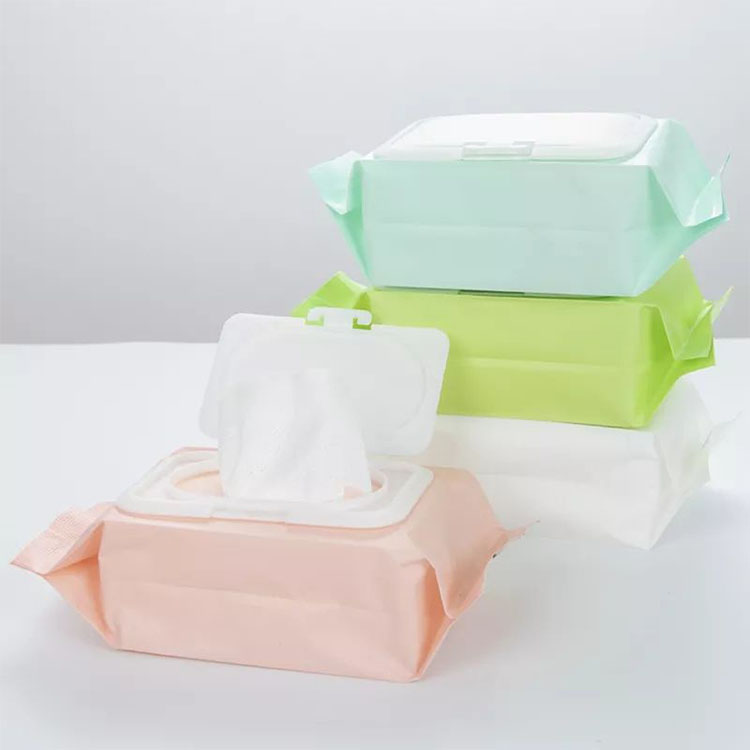
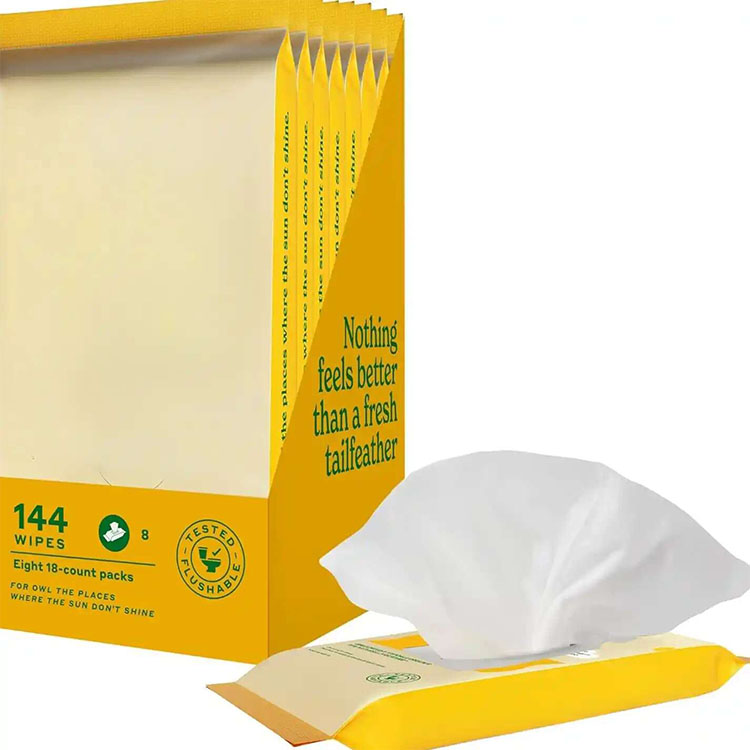
Most buyers treat adult wipes like a scent decision. I think that is backwards. The real call is about skin tolerance, repeat-use risk, complaint rates, care setting, and whether your label says what you think it says. Here is how I would decide if my own money and reputation were on the line.

Most adult diaper distributors do not fail because demand is weak. They fail because they rent someone else’s product, someone else’s quality system, and someone else’s pricing power. I’d choose private label for any distributor planning to stay in the market longer than a season.

Most facilities ask the wrong question. It is not “Which product absorbs more?” It is “Which product reduces touches, leak events, linen turns, and skin damage for this resident profile?” I went through the evidence, the legal mess, and the internal product structure on Adult-Diaper.com to map the answer without the usual marketing fog.

Most brands sell topsheet feel with adjectives. This piece strips that away and shows when fast-dry beats soft-feel, where soft-feel still earns its keep, and what serious buyers should lock into the spec before complaints start.

Most men’s incontinence lines are not lines at all. They are lazy unisex assortments with blue packaging, weak category logic, and zero respect for how men actually enter, use, and trade up in this market.
This piece lays out the SKU architecture, channel math, and internal linking structure I’d use to build a line that fits the category instead of merely dressing up inside it.

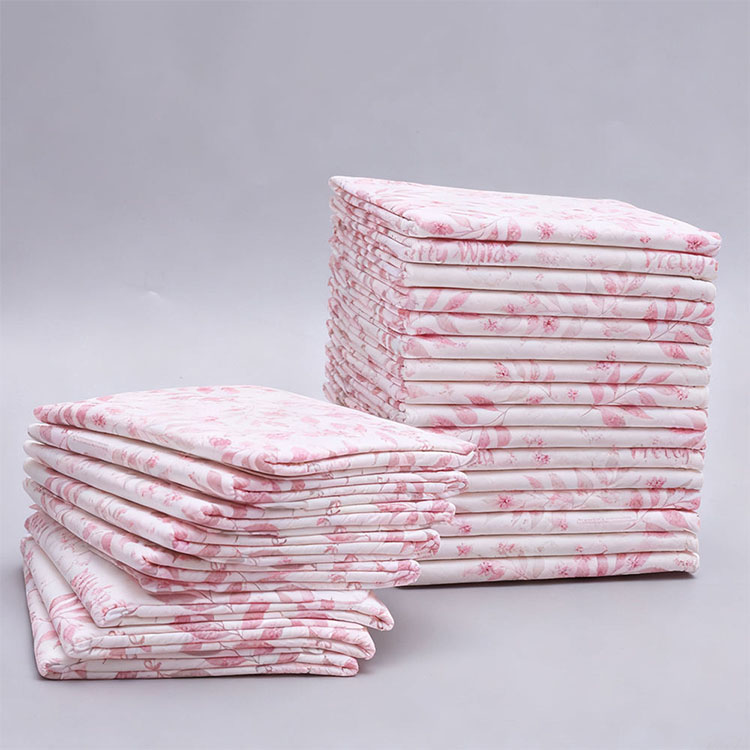
Most underpads complaints are not random. They come from loose specs, silent substitutions, weak warehouse control, and buyers who approve samples but never lock the production standard.
This piece shows how to stop that cycle with tighter OEM controls, smarter internal linking, and a complaint-prevention workflow that actually survives reorders.

Most underpads fail at the pack level, not the absorbency level. This guide shows how pharmacies and e-commerce need different pack counts, pricing logic, and packaging specs if you want repeat orders instead of returns.
Professional Adult Incontinence Products Manufacturer | OEM / ODM Since 2010
Premium adult diapers, incontinence pads, underpads, and OEM/ODM solutions tailored to your market.